
During my recent visit to several London museums, I was struck by the growing emphasis on decolonization. As a museum professional, I’ve been following this movement for some time, but seeing these efforts firsthand inspired me to reflect on the challenges and progress being made. Some London museums are actively re-examining their collections and narratives, working to address the complex legacies of colonialism in tangible ways, and both Royal Collections and the National Trust have staff members specifically focused on this issue. But others have a long way to go.
If you’re not familiar with decolonization, it’s the process of rethinking and revising interpretations that have historically favored the perspective of a dominant power, such as an imperial empire over a colonized nation (like Great Britain and India). However, decolonization goes beyond the empire-colony dynamic, addressing any situation where one perspective is elevated due to power imbalances. For instance, terms like “prehistory” suggest a time without history, labeling settlers as “pioneers” overlooks the people who were already living in those areas, and describing conquering armies bringing “civilization” implies they were superior to the existing cultures. Words shape our perceptions and carry significant consequences, influencing relationships across race, gender, and other social divides. Decolonization helps us recognize and correct these biases, leading to more inclusive and accurate narratives.
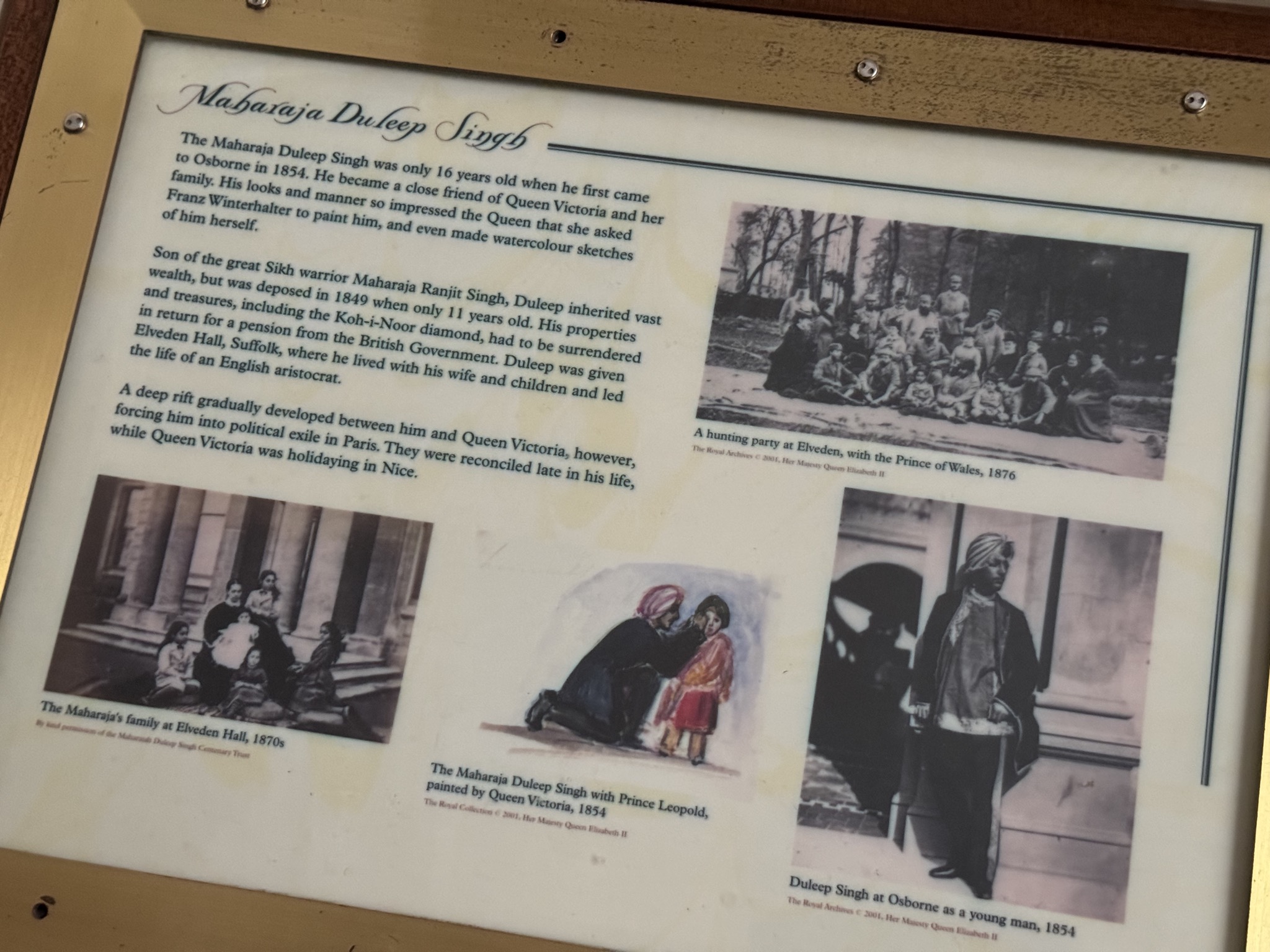
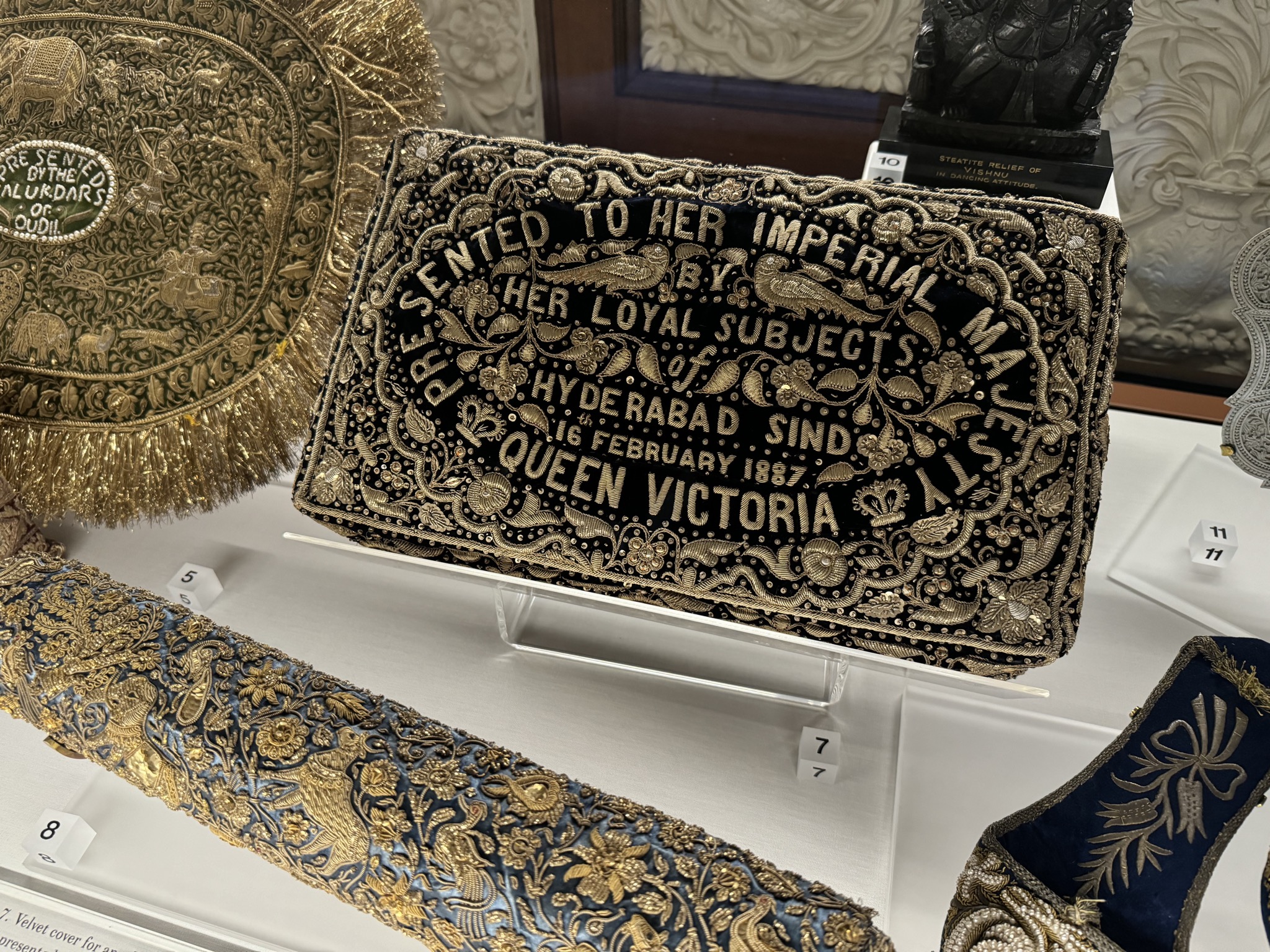
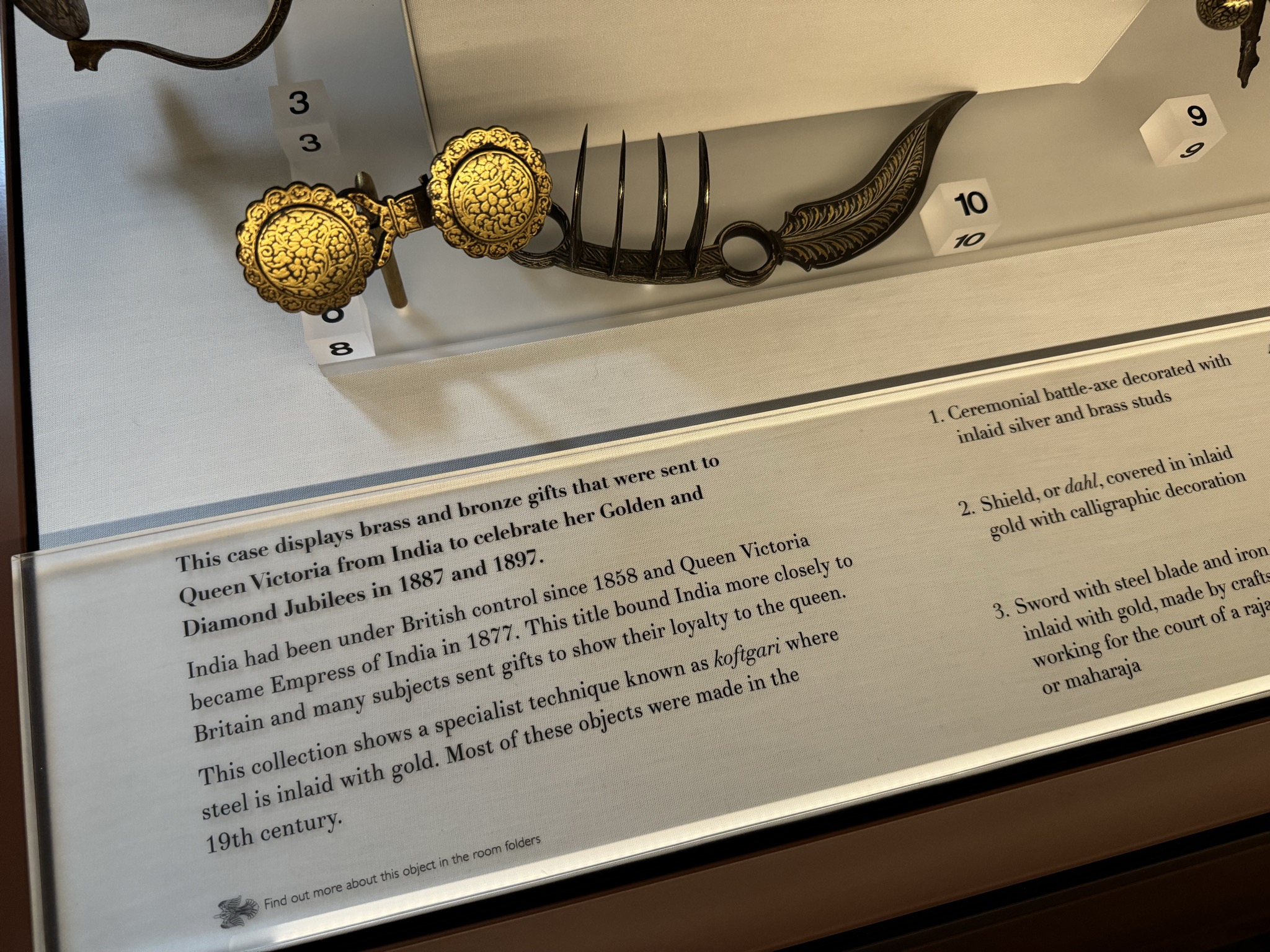
For an example of a museum waiting to undertake a re-examination of its exhibitions, consider Osborne House (operated by English Heritage), the country palace of Queen Victoria and Prince Albert. The displays in and around the Durbar Room discuss Britain’s relationship with India. The exhibitions include a panel about Maharaja Duleep Singh and that “his properties and treasures, including the Koh-i-Noor diamond, had to be surrendered in return for a pension from the British Government” and feature gifts sent from India to Queen Victoria to “show their loyalty to the queen.” The history is far more complex and this exhibition emphasizes only the British perspective and continues a mythology of India’s grateful subservience to the Queen.
1. Re-examining Collections
Many London museums are conducting in-depth reviews of their collections to identify items acquired during the colonial era. This process includes acknowledging the contexts in which objects were collected, often under unequal power dynamics. They are being more transparent about the provenance of key objects but contested ownership isn’t addressed publicly. Some examples:
Continue reading Engaging Places