
In today’s fast-moving, attention-fragmented world, museums are under pressure to do more than just deliver content–they need to make it stick. Whether it’s an online program, a guided tour, or an immersive performance, professionals are increasingly asking: How do we create experiences that matter? Three recent studies point to a clear answer: if you want to deepen impact, design for reflection.
Reflection Creates Meaningful Museum Visits
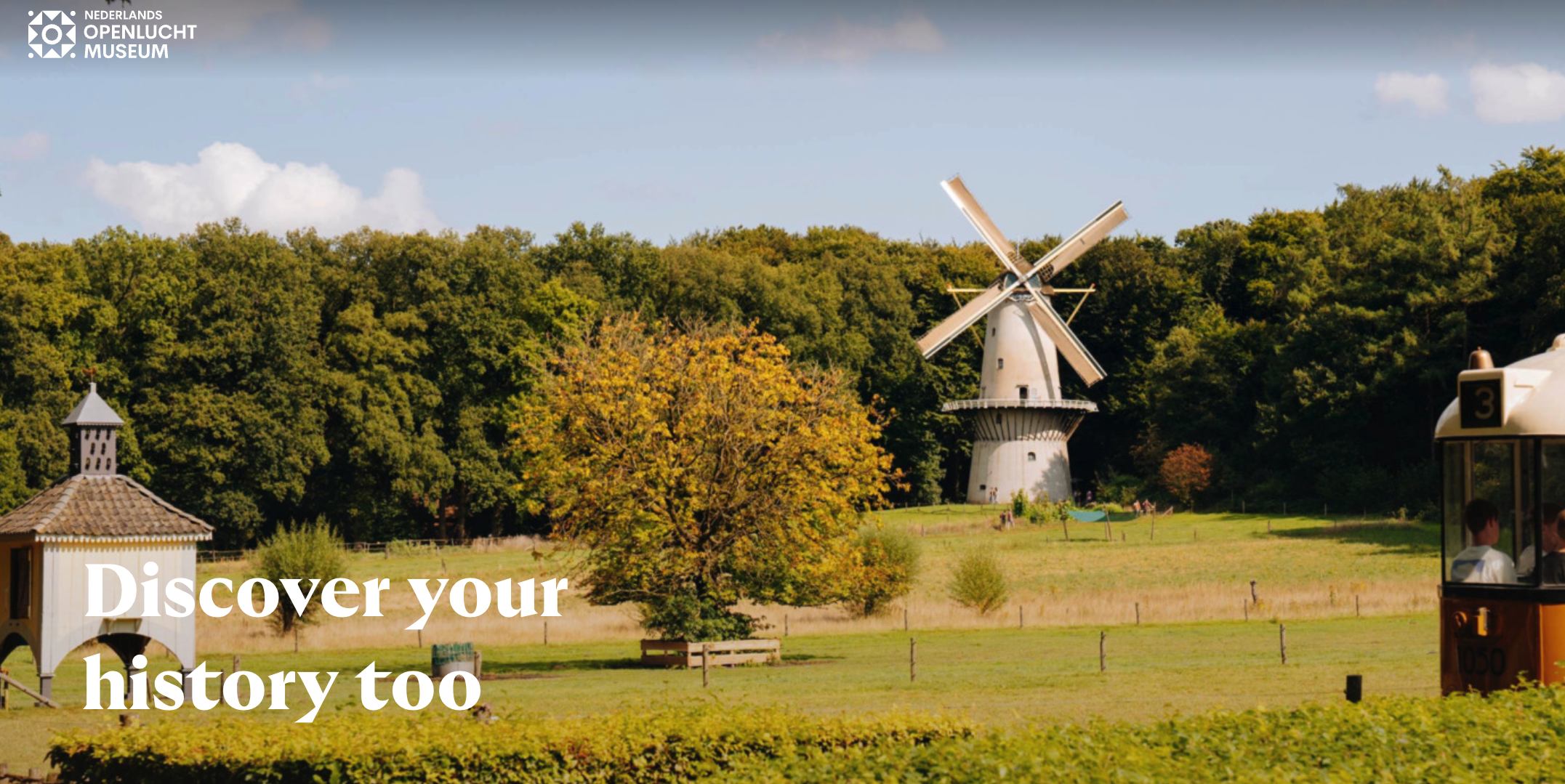
A recent study by Pieter de Rooij and colleagues at the Dutch Open Air Museum in Arnhem investigated what factors contribute to a memorable, meaningful, or transformative museum experience. Using surveys from over 500 visitors, they found that reflection was the strongest predictor of all three outcomes, while sociability and joy had a smaller yet significant effect. Visitors who were prompted to think about new ideas or connect the experience to their own lives were significantly more likely to report lasting impact.
Interestingly, traditional design features—such as beautiful displays, freedom to roam, or relaxing environments—were not strong predictors of impact. While those elements may support comfort and enjoyment, they don’t on their own foster deeper engagement.
Takeaway for Museum Professionals:
- Add reflective prompts to exhibit labels or tour scripts (e.g., “How does this connect to your story?”).
- Offer quiet spaces or discussion corners to encourage contemplation.
- Build in time for visitors to process what they’ve experienced before moving on.
Digital Doesn’t Equal Depth–Unless You Design for It
A complementary study by Dumont et al. explored how museum educators view digital learning experiences in the wake of COVID-19. The researchers interviewed museum educators in Brussels and found broad consensus: digital programs can be powerful, but only if they encourage active thinking and reflection. Many digital offerings—especially those created quickly during the pandemic—focused on access rather than engagement, limiting their potential.
The most successful examples were those that challenged learners to think, respond, and share–whether through live discussions, creative tasks, or interactive storytelling. The study also underscored that simply transferring content online is not enough: digital reflection must be intentional and facilitated.
Takeaway for Museum Professionals:
- Structure digital experiences to include prompts for discussion, journaling, or creative response.
- Partner with educators to co-create activities that go beyond passive viewing.
- Use follow-up emails or social media to invite continued reflection after the program ends.
Immersive Performance as a Pathway to Reflective Engagement

In another powerful case, Moneta et al. examined how immersive, site-specific performances (scenarchitecture) at Nottingham Castle in England used underrepresented LGBTQI+ histories to engage audiences emotionally and intellectually. Souls, a live promenade-style experience, invited audiences to reflect on identity, power, and memory in a deeply personal way (this seems to be a simpler version of performances like “Sleep No More“, except the architecture is also a character not merely a backdrop).
Audience feedback confirmed that emotional resonance, personal relevance, and participatory storytelling led to greater connection and meaning. The performance didn’t just present history–it invited the audience to experience it and question it.
Takeaway for Museum Professionals:
- Use immersive formats–live performance, audio tours, or storytelling events–to activate emotion and inquiry.
- Collaborate with community partners to tell stories that challenge assumptions and invite new perspectives.
- Don’t be afraid to lean into complexity; reflection often emerges from ambiguity and tension.
Bringing It Together: Reflection Is the Common Thread
Across these three studies, one message rings clear: reflection transforms experiences from fleeting to lasting. Whether in person or online, through static displays or live performance, museums that provoke thought, invite emotion, and encourage personal connection are the ones that make a difference.
This doesn’t require a complete redesign. Even small changes–like a thoughtful label question, a follow-up prompt, or a pause for discussion–can significantly increase impact.
What Are You Asking Visitors to Think About?
Next time you plan an exhibition, tour, or digital event, ask yourself:
What are we asking visitors to reflect on–and how are we making space for it?
Consider testing one new reflective element in your next program. Track visitor responses or feedback, and use that to guide future development. Meaningful impact starts with mindful design.
Citations
- de Rooij, Pieter, Adriaan van Liempt, Moji Shahvali, and Jan Packer. “Experiential Factors Predicting the Short-Term Impact of a Museum Visit.” Journal of Leisure Research (April 2025). https://doi.org/10.1080/00222216.2025.2478184](https://doi.org/10.1080/00222216.2025.2478184).
- Dumont, C., F. De Backer, H. Dewinter, and G. Vandermeersche. “Museum Educators’ Views on Digital Museum Education: Opportunities and Challenges.” Cultural Trends 34, no. 3 (2025): 398–413. https://doi.org/10.1080/09548963.2024.2378324](https://doi.org/10.1080/09548963.2024.2378324).
- Moneta, Andrea, N. Hodgson, and E. Fearon. “Re-Interpreting Intangible Cultural Heritage through Immersive Live Performances to Enhance Memory-Based Institutions and Foster Community Engagement.” International Journal of Heritage Studies 31, no. 5 (2025): 640–661. https://doi.org/10.1080/13527258.2025.2478612](https://doi.org/10.1080/13527258.2025.2478612).
 Engaging Places