
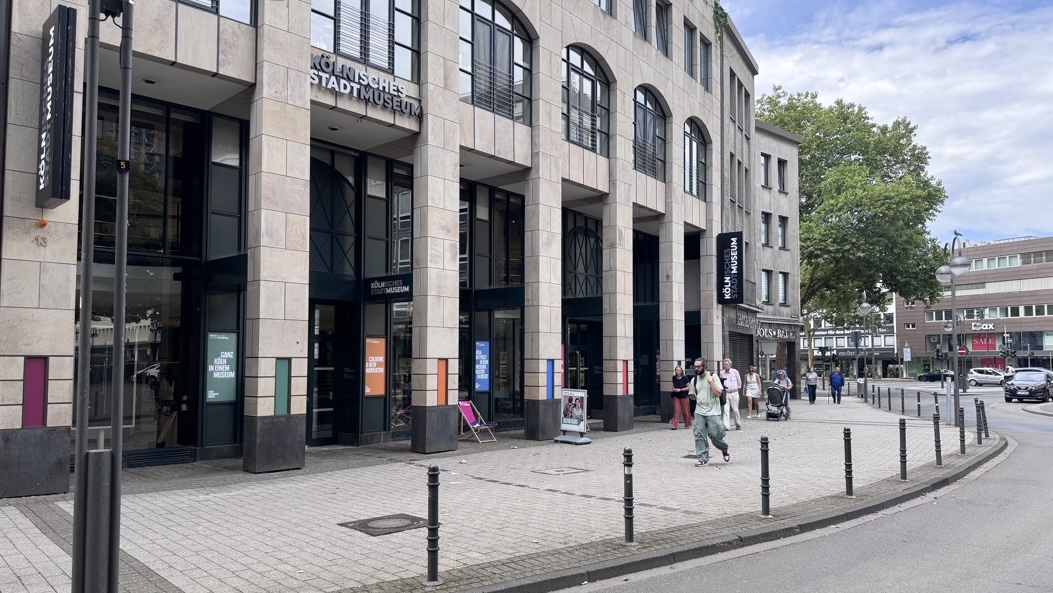
In March 2024, the Cologne City Museum (Kölnisches Stadt Museum) in Germany reopened in an unexpected setting: a former luxury department store in the heart of the city’s shopping district. The museum has been around since 1888, but a 2017 water leak forced it out of its former location. Its latest incarnation takes a bold new approach to presenting the city’s history, promoting itself with “Cologne: A New Narrative.”
Rather than organizing its permanent exhibition chronologically or thematically, the museum focuses on emotions using eight big questions to explore both the past and present of Cologne for residents and tourists. Throughout they incorporated responses and personal objects from their “Cologne Experts,” fifteen diverse residents who represented different perspectives.
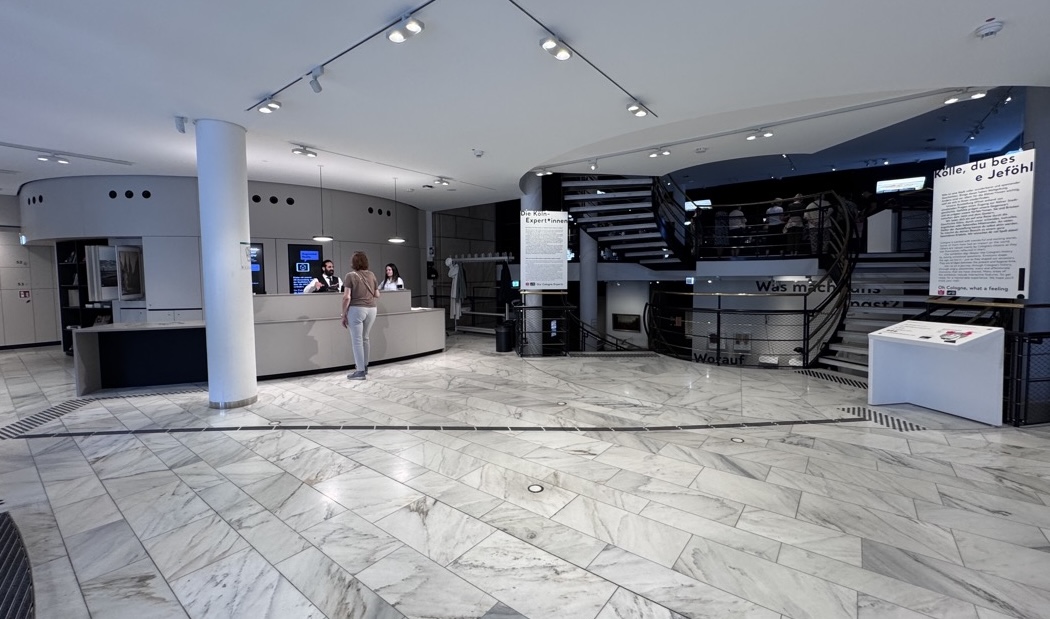
From the moment you enter, the museum signals something different. The large black-and-white lobby features a central stairway leading both a half-story up and a half-story down, offering a tantalizing glimpse of what’s to come. The introductory label in the lobby reads:
Oh Cologne, what a feeling! Cologne is packed with wonderful and exciting stories. Some of them have had an impact on the world. Others are valued mainly by Cologne’s citizens as they see themselves reflected in them. Our exhibition digs deeper into Cologne’s history by asking emotional questions. Emotions shape the age we live in—just as they shaped our ancestors. They are bridges between the present and bygone time. Join us on a journey through Cologne’s history, filled with angry, passionate, scary, and affectionate moments that we have shared. Many areas of the exhibition include interactive features, so get ready for a memorable experience. We hope you’ll enjoy your visit.
Step into the galleries and you immediately encounter a major question, followed by a cluster of sub-exhibits that address it with objects drawn from different periods in the city’s history. The first is “What makes us afraid?” and “What do we hope for?” with some tantalizing objects shared by their Experts: a t-shirt with the slogan “Never Mind Democracy, Here’s the European Union” and a packet of human teeth. What!?
The first sub-exhibit focuses on fear and terror, noting that, “Terror doesn’t just threaten the lives of its victims; it also targets society as a whole. Fear of attacks engenders mistrust, reinforces prejudices and jeopardizes the prospect of peaceful and open co-existence.” As case studies, the displays include the Nazi murders of Jewish and Roma people in the 1930s-40s and Walter Seifert’s killing spree at a school using a homemade flamethrower in 1964. Powerful stuff.


It’s an intriguing way to structure a history exhibition. Turning topics into questions invites curiosity and makes the experience feel less like a lecture and more like a conversation. But as I moved through the galleries, I noticed that this first section was the strongest and the others were much less engaging or provocative. After reading a label, there wasn’t a reward of a surprising fact or historical insight that made me eager to read more.
Secondly, the questions weren’t always supported by a clear interpretive theme or point of view. The big idea was there–but the “so what?” wasn’t always articulated. This was also reflected in visitor behavior. At first they spent lots of time with the exhibits but after about 30 minutes, most just browsed the displays, consulting labels only if they were puzzled or wanted to identify what they were seeing.
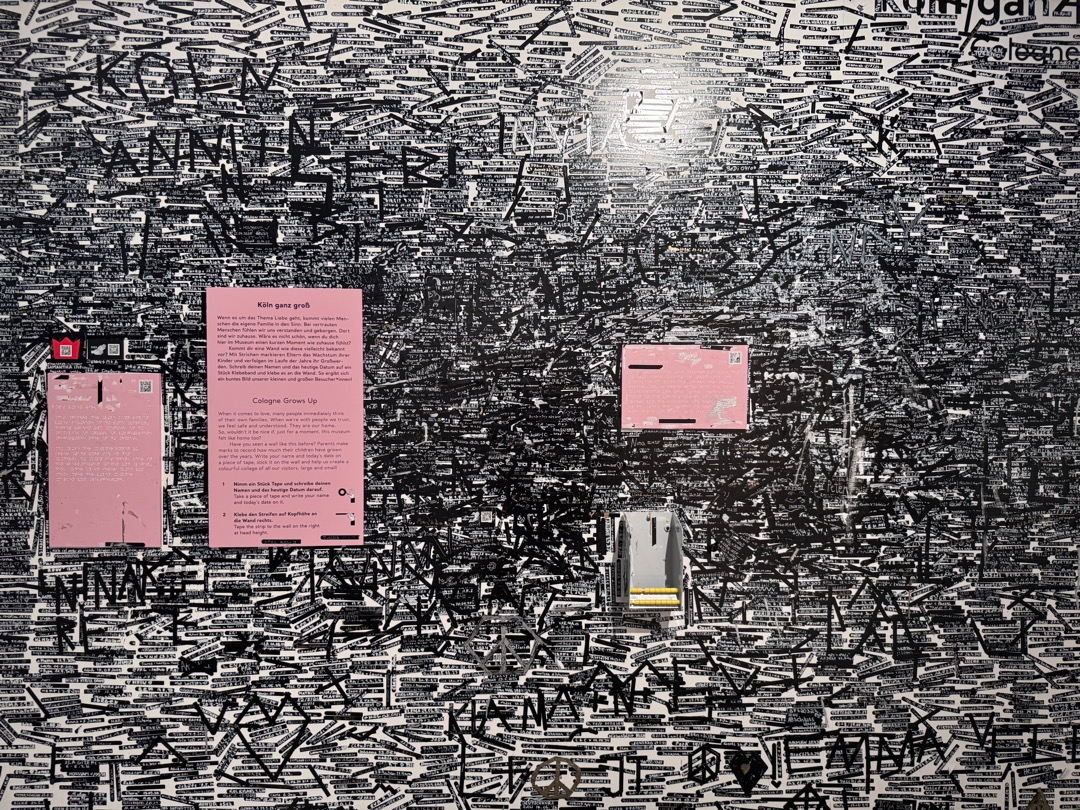

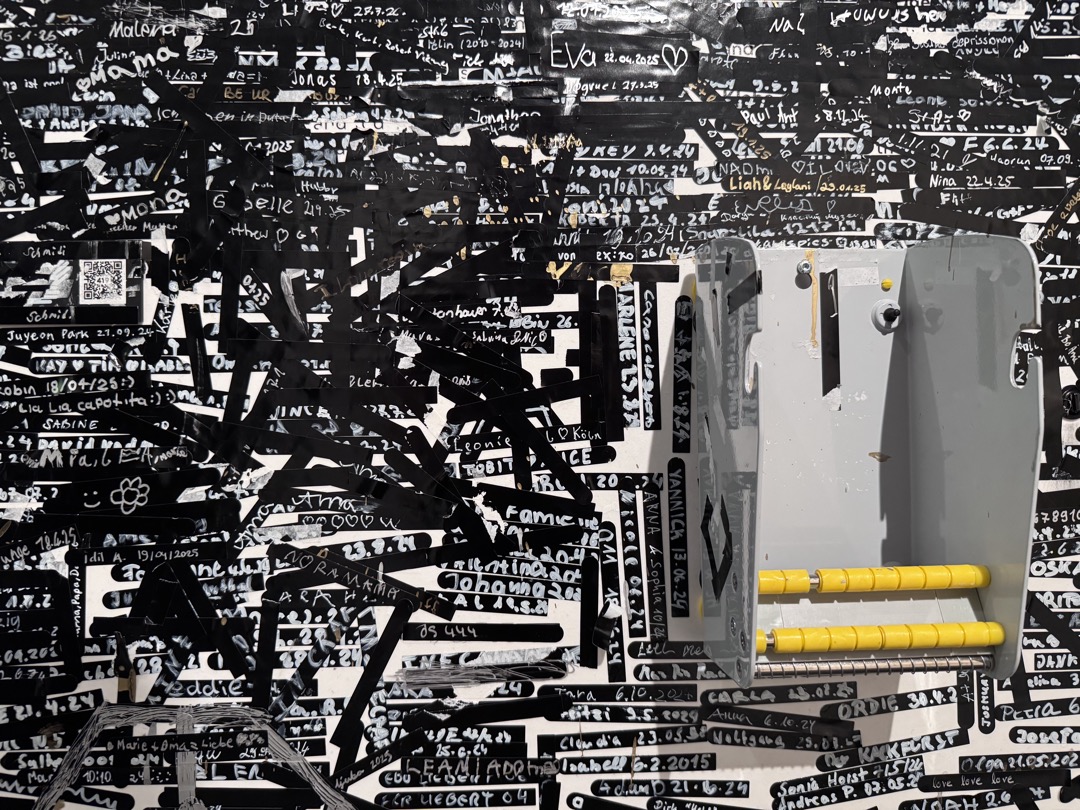
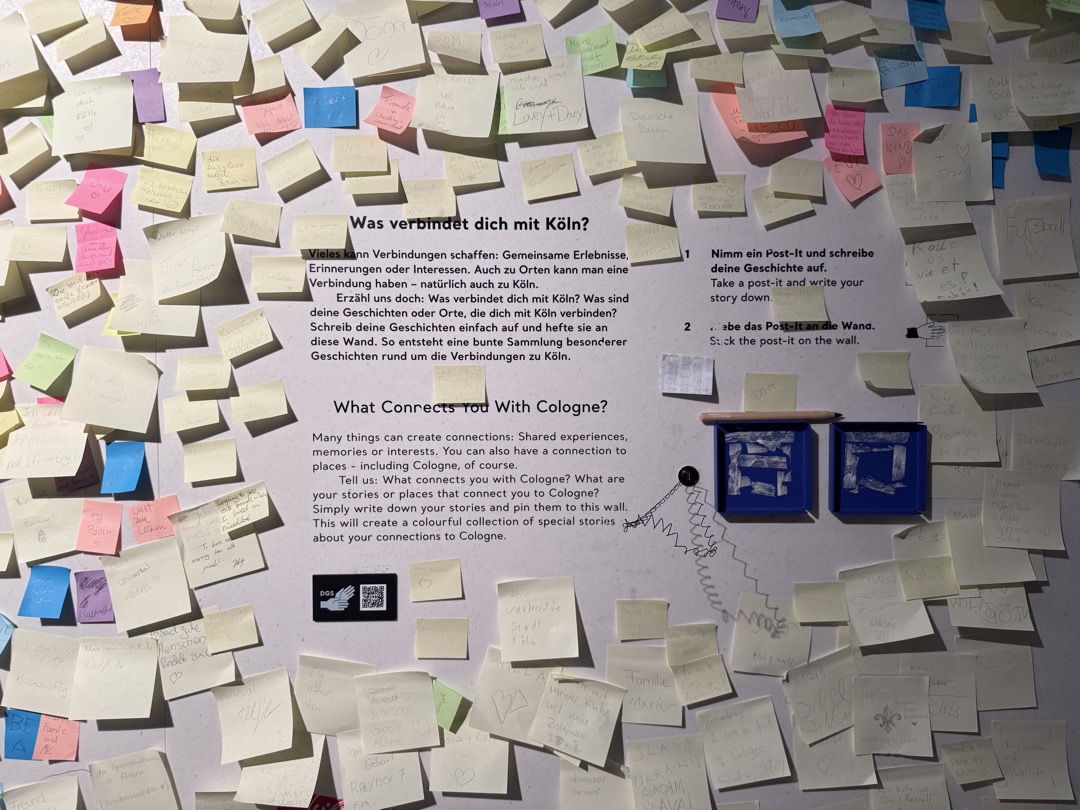
The museum had installed talkback boards to encourage reflection, but by July 2025–about sixteen months after reopening–they weren’t actively maintained. Finally, despite the question-based structure, the museum still felt the need to add the traditional exhibit on the history of the city as a timeline, starting with the Romans. History museums just can’t get away from telling history through chronology.


Still, the primary format raises intriguing possibilities for other museums. Organizing around questions can loosen the straitjacket of chronology, connect the past and present, and invite personal engagement. The challenge is ensuring those questions are anchored in a clear message and supported by well-maintained opportunities for visitor reflection.
But I encourage you to go beyond the exhibitions to see what’s prompting this change at the Cologne City Museum. The About Us page on their website highlights a mission that is significantly different from most museums in the US:
“We are not only a place for a critical examination of Cologne’s history, but also see ourselves as a forum for urban society. Our museum is a place for discussions about the present and the future, about Cologne’s opportunities and perspectives in its development toward a socially and ecologically balanced metropolis. With our participatory projects and events, we offer urban society an open platform and promote civic engagement. In this way, we encourage people to engage with the city and its identity, strengthen people’s identification with their home city and make an important contribution to Cologne’s future. Because everyone who lives here has their own stories to tell. We are all Cologne.”
How might your museum’s mission shape the way you tell stories—and invite visitors to tell their own? What questions would you ask to connect your site’s past to your community’s present and future? Could your museum become a “forum for society,” as the Cologne City Museum aspires to be? What would need to change?
 Engaging Places