
Tag Archives: Openluchtmuseum

Designing for Impact: Why Reflection Should Be at the Heart of Your Museum Experience

In today’s fast-moving, attention-fragmented world, museums are under pressure to do more than just deliver content–they need to make it stick. Whether it’s an online program, a guided tour, or an immersive performance, professionals are increasingly asking: How do we create experiences that matter? Three recent studies point to a clear answer: if you want to deepen impact, design for reflection.


Reflection Creates Meaningful Museum Visits
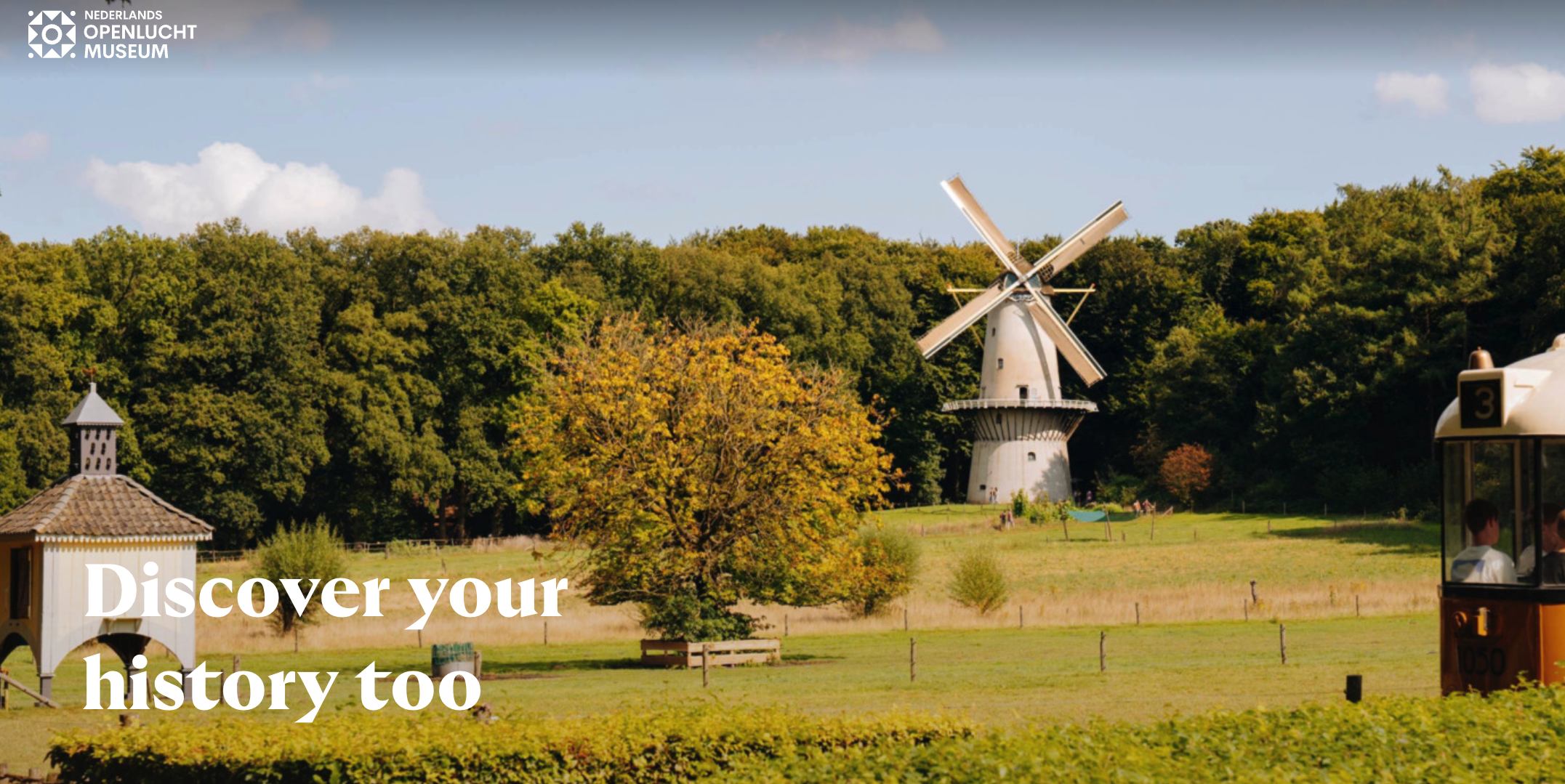
A recent study by Pieter de Rooij and colleagues at the Dutch Open Air Museum in Arnhem investigated what factors contribute to a memorable, meaningful, or transformative museum experience. Using surveys from over 500 visitors, they found that reflection was the strongest predictor of all three outcomes, while sociability and joy had a smaller yet significant effect. Visitors who were prompted to think about new ideas or connect the experience to their own lives were significantly more likely to report lasting impact.

Interestingly, traditional design features—such as beautiful displays, freedom to roam, or relaxing environments—were not strong predictors of impact. While those elements may support comfort and enjoyment, they don’t on their own foster deeper engagement.

Continue reading

Openluchtmuseum Requires Mental Gymnastics in Historical Interpretation

Telephone booth, 1933-1965.

Telephone booth, 1933-1965.

The Openluchtmuseum, or Open Air Museum, in Arnhem in the Netherlands is one of the oldest outdoor/living history museums in the world. Opened in 1918, it preserves traditional and folk cultures by collecting vernacular buildings, furnishing them to specific periods, and using them to demonstrate historic crafts and skills.  In the last decade, they’ve expanded these approaches by adding multimedia presentations along with interpreting the post-war period as part of an effort to create a national history museum interpreting the “Canon of the Netherlands” (the canon is a divergent idea worth investigating).  In this post, I’ll examine their interpretation of the post-war period and in a later post discuss various unusual exhibition techniques.

At first glance, the Open Air Museum seems to be comprised of distinct clusters of farm buildings from a distinct region and time, where you can wander through houses and barns and watch someone in costume making brooms or working a plow.  But the layering of history is complex and I found myself continually asking, “what time is it?” and “how are these things related?” to make sense of my visit.  There are lots of historical anomalies, such as a 1960s phone booth in front of a 1910s train depot, but perhaps they’re not anomalies if you mentally reinterpret the scene by finding the overlapping period, such as the 1930s.  These intellectual gymnastics don’t always work, but then again, the entire concept shaping the Open Air Museum allows for the artificial juxtaposition of historical places, times, and objects–which is what often happens in art museums and can also be bewildering (ever visit the Robert Lehman Gallery at the Met?)

The experience caused me to think hard about the role and purpose of interpretation Continue reading