Tag Archives: Photography

Photography, Permission, and Fair Use: Where Museum Policies Get Complicated

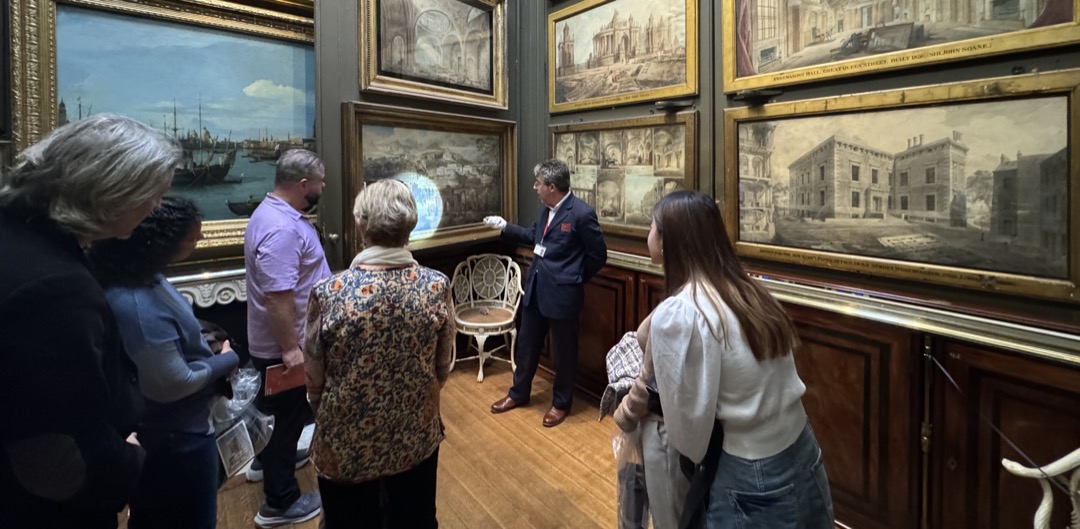
Do I need permission to take photos of a guided tour in a museum?

In the previous posts in this series, I looked at visitor codes of conduct, visitor photography policies, and commercial or media photography policies. Those policies are becoming more visible because photography is no longer a simple matter of “Can I take a picture?” A single image can be a personal memory, a social media post, a teaching tool, a scholarly document, a news illustration, a commercial asset, or evidence in a public debate.

This final post turns to the more complicated issues: fair use, copyright, photo releases, privacy, and ethics. As a reminder, I am not a lawyer, and this is not legal advice. Museums should consult an attorney when writing policies involving copyright, image permissions, privacy, publicity rights, releases, commercial use, or contracts. My purpose here is to identify common points of confusion that arise when museums, visitors, writers, teachers, scholars, and photographers try to understand what permission is needed and from whom.

I encounter these questions in my own work. As someone who photographs museums and historic sites for this blog, teaching, consulting, and research, I occasionally wonder: should I ask permission from the museum before publishing a photograph of an exhibition? Do I need a model release if visitors appear in the background? Is it appropriate to photograph a historic house where people still live nearby? Does it matter if I am writing criticism, promoting the museum, or using the image in a paid presentation?

These questions are often confused with a different issue: what museums need to do when they use images of visitors for their own promotional purposes. A visitor taking a photograph in a gallery, a museum using a child’s image in a fundraising campaign, and a company filming a commercial in a sculpture garden are not the same thing. They raise different legal, ethical, and managerial questions. Policies should be clear enough that frontline staff can explain them without being expected to interpret copyright law, privacy law, or fair use on the spot.

Four Issues That Often Get Confused

Photography policies often blend several distinct issues:

  • Copyright: who owns the rights to the artwork, photograph, exhibition label, design, film, or other creative work that appears in the image?
  • Access: what conditions did the museum place on photography as part of admission, ticketing, visitor conduct, or use of its property?
  • Privacy and publicity: are identifiable people shown in the image, and is their likeness being used in a way that requires permission?
  • Ethics: even if a photograph is legally permissible, is it respectful, accurate, safe, and consistent with the museum’s values and the dignity of the people, places, and stories involved?
Continue reading

When Museums Become Backdrops: Managing Commercial and Media Photography

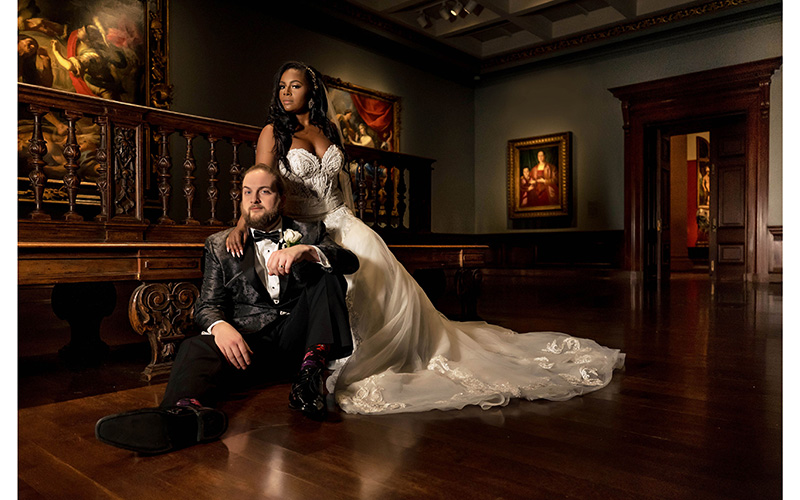
Wedding photo taken at the Cincinnati Museum of Art. Credit: Sherri Barber Photography.

In the previous post in this series, I looked at visitor photography policies: whether visitors can take pictures, where they can take them, what equipment they can use, and how museums distinguish casual personal photography from behavior that disrupts the visitor experience. But there is another side to museum photography policies.

When photography moves beyond ordinary visitor memory-making, the questions become more complicated. A museum gallery, historic house, a picturesque barn, sculpture garden, or historic landscape can quickly become a backdrop for someone else’s project: a wedding shoot, fashion session, graduation portrait, influencer campaign, documentary film, news segment, advertisement, stock photography shoot, or corporate video. That shift changes the issue. The question is no longer simply, “Can I take a picture?” It becomes: who benefits from the image, what resources are being used, what risks are created, and how is the museum’s name, space, collection, or reputation being presented?

As with the earlier posts, this is not a scientific or comprehensive study. I reviewed a selection of commercial, media, and photography policies from museums and historic sites to identify patterns in current practice. I am not a lawyer, and this is not legal advice. Museums should consult an attorney when developing policies involving copyright, releases, insurance, contracts, filming agreements, or commercial use. My interest here is in how these policies reflect museum management, visitor experience, institutional risk, and revenue. Just a warning: this is a loooong post because of the complexity of this topic—and I’ll only be touching the surface.

From Visitor Photography to Site Use

The most useful distinction is between photographing a museum and using a museum as a setting. A visitor photographing a child in a gallery, a favorite object, a historic room, or a garden path is usually documenting a visit. A photographer staging an engagement session, fashion shoot, commercial, product video, or sponsored social media post is using the museum as a resource. Those are different activities. They require different policies.

Continue reading

Can I Take a Picture?

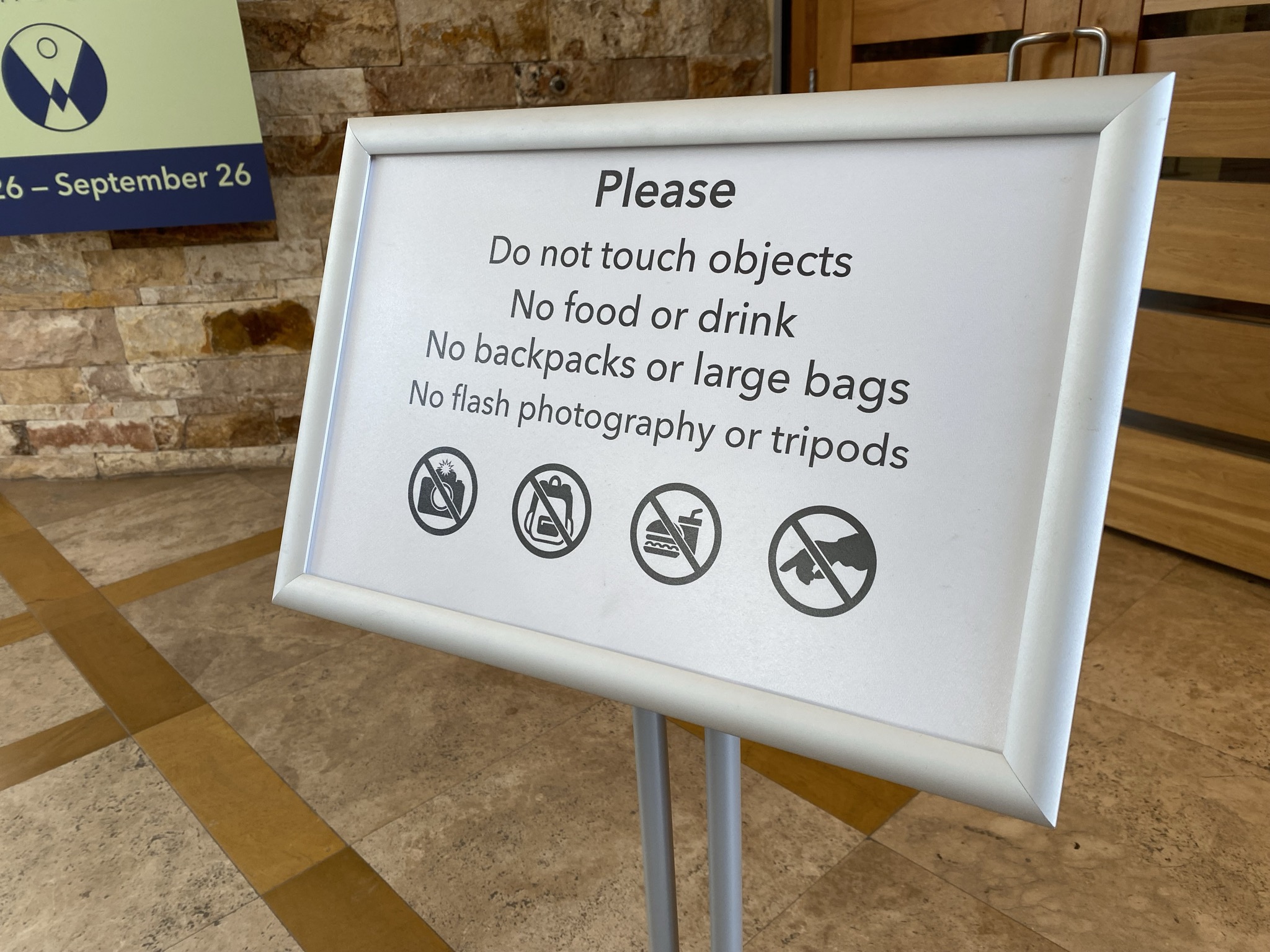
Sign at the entrance to the Albuquerque Museum in New Mexico.

What Museum Photography Policies Reveal About Visitor Experiences

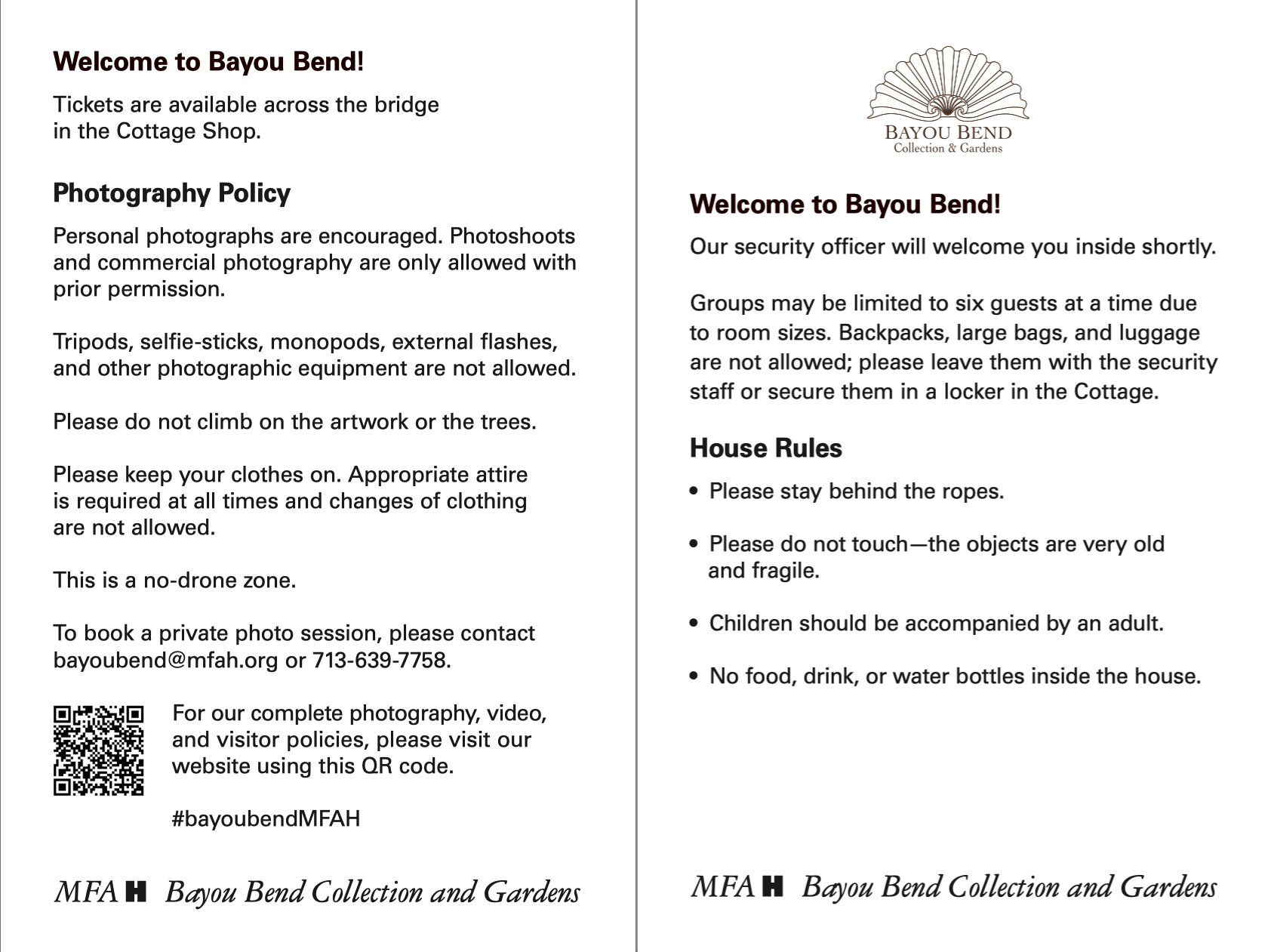
While examining visitor codes of conduct, I started noticing another kind of museum policy that is becoming more visible: photography policies. They appear on websites, ticketing pages, “Know Before You Go” guides, and signs in galleries, historic houses, gardens, and exhibitions. Like codes of conduct, photography policies have always existed in some form, but they now seem more detailed, more prominent, and more complicated.

At first glance, the question seems simple: can visitors take pictures? But museum photography policies reveal that this is no longer a yes-or-no issue. The better question is: what kind of photography, by whom, for what purpose, in what space, and with what effect on collections, staff, visitors, and the experience?

To explore this question, I reviewed photography rules embedded in dozens of visitor codes of conduct and visitor policy pages from museums and historic sites. This was not a scientific or comprehensive study. It was an initial scan of current practice to identify common patterns and management issues. I am not offering legal advice here; museums should consult an attorney on copyright, releases, privacy, and commercial use. My interest is in how these policies shape visitor experience and staff decision-making.

The broad trend is clear: casual, personal photography is increasingly welcomed, but excessive equipment and disruptive, staged, or commercial photography is increasingly controlled.

Continue reading

Bridging the Gap: Tackling Visitor Awareness & Digital Programming

Ask any museum professional about barriers to participation, and you’re likely to hear about time, cost, or location. But two recent studies suggest the real obstacles may be more subtle—and more solvable. Whether your museum operates online, outdoors, or in a traditional building, one persistent challenge remains: many potential visitors don’t know what you offer or don’t believe it’s for them.


Non-Visitors Aren’t Uninterested—They’re Unaware or Uncertain

Wilcox et al. studied visitation patterns at two urban National Park Service sites in Washington, DC: Rock Creek Park and the C&O Canal. They surveyed both visitors and non-visitors during the pandemic and found that the most common constraint for non-visitors wasn’t disinterest—it was lack of awareness. Many simply didn’t know what the parks offered, where they were located, or whether they were open to the public.

Continue reading

Can the Folger Library Figure Out Its Schizophrenic Photo Policy?

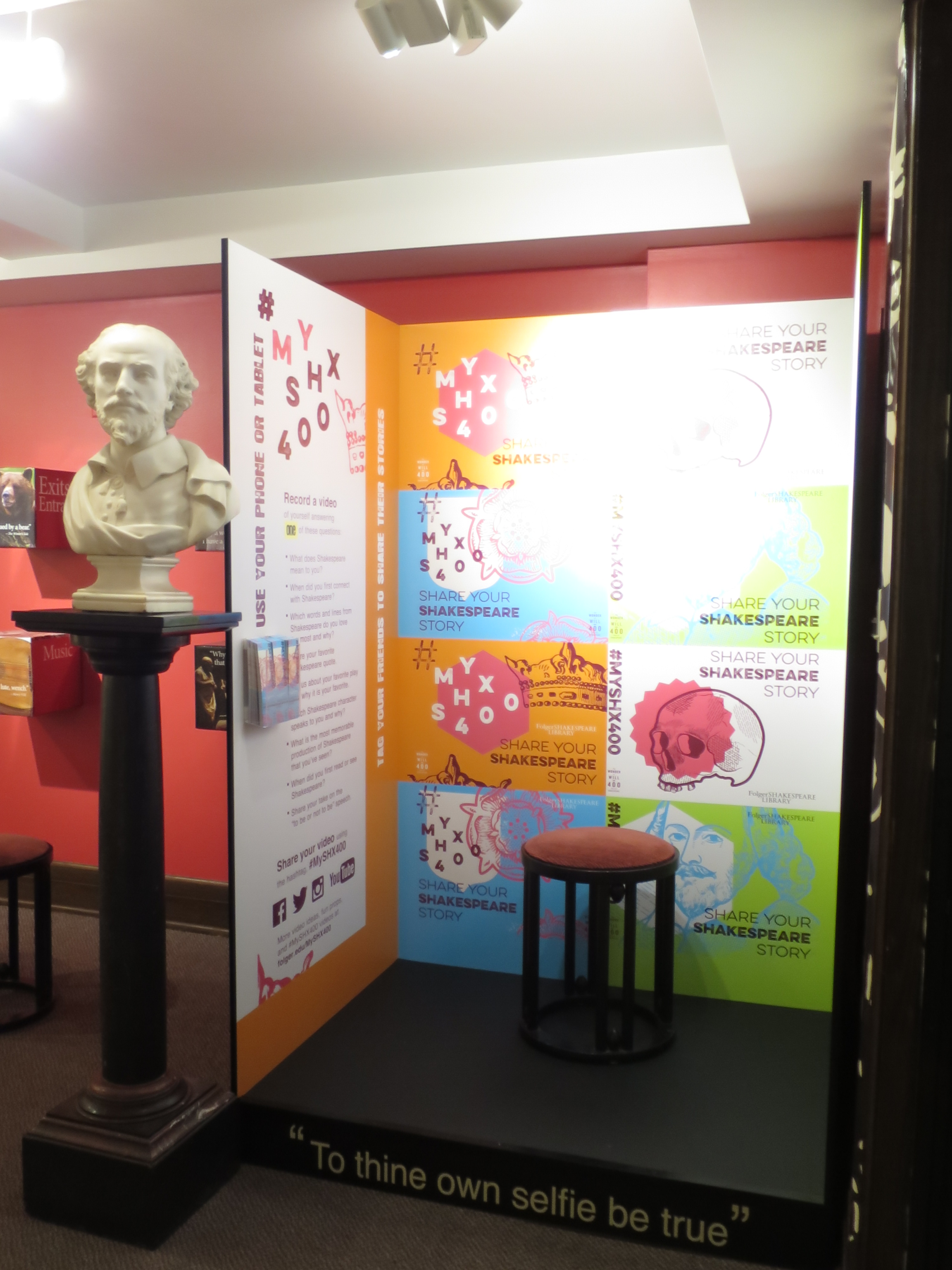
Photo booth at the exhibit that prohibits photography at the Folger Library.

Photo booth at the exhibit that prohibits photography at the Folger Library.

The Folger Library in Washington, DC is one of my favorite places because it’s about books and Elizabethan England, two things that fascinate me.  As an historian, books are not an unusual passion but as an American historian, I’m interested in the Elizabethan period because of the comparisons to our Colonial era.  So every time the Folger mounts an exhibit in their gallery, I go no matter the topic and want to document what I’ve seen and learned through photos (and share them with you!).  And yet, while copyright protects none of the material on exhibit, the guards frequently stop me from taking photos and one time I even had to prove I deleted the images from my camera.  The latest exhibit on Shakespeare was photo-prohibited because it was on loan, but again, none of the materials were protected by copyright (all pre-dated 1700). Ironically, at the entrance to the exhibit is a special booth where visitors were asked to share videos or photos of themselves talking about Shakespeare on Twitter, Instagram, and Facebook. Huh? To thine own selfie be true, as long as it doesn’t include any actual historic objects on exhibit.

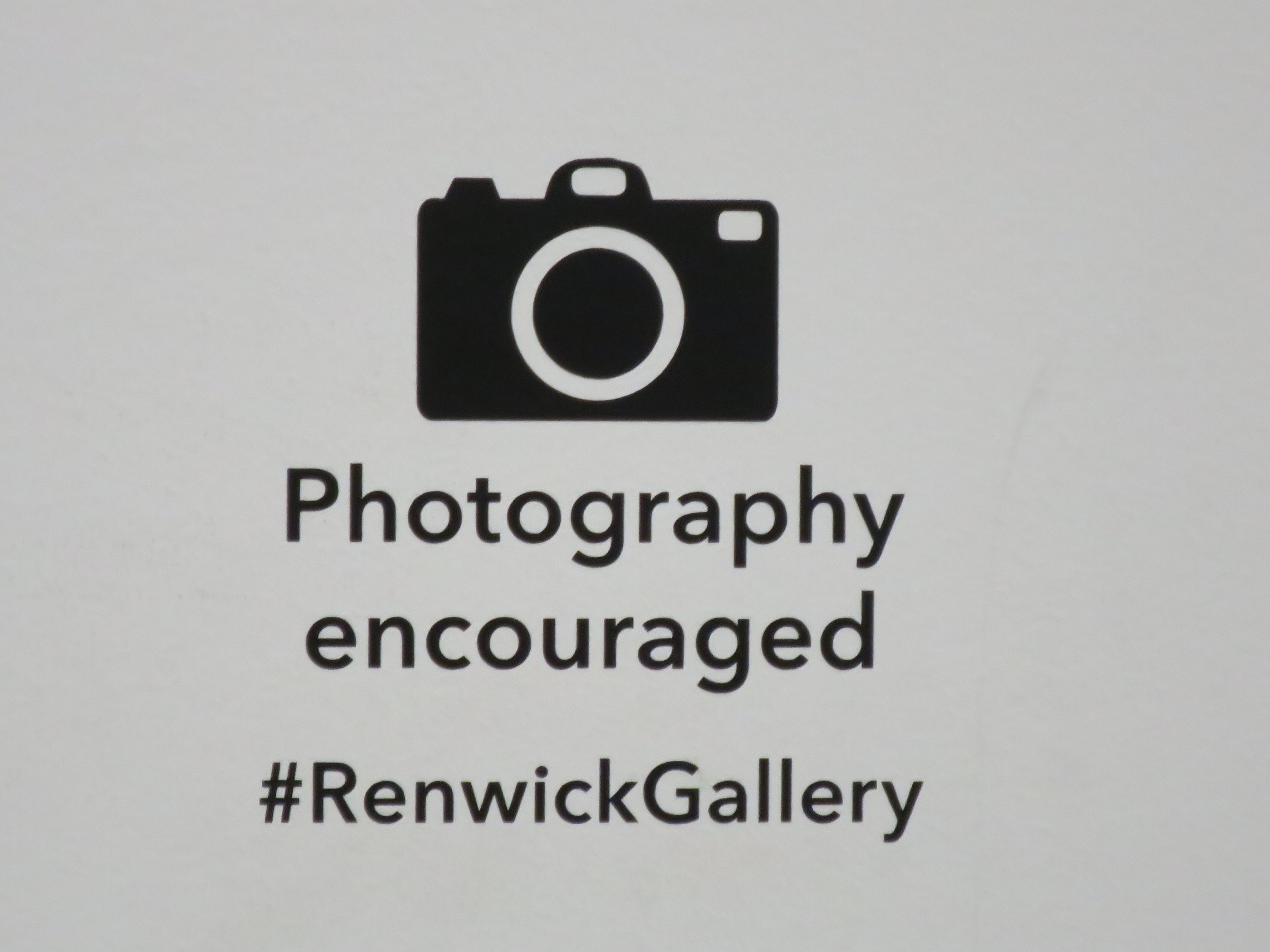
IMG_0499That’s such a contrast to other museums in DC which encourage photography.  The “Wonder” exhibit at the Renwick Gallery of Art in Washington, DC, is filled with contemporary art, which is typically tied up in a particularly rabid form of copyright protection, encourages photography with signs mounted in nearly every gallery. Somehow they’ve figured out how to allow photography by the public without jeopardizing their collections, reputation, or loan agreements.

Museums and libraries have to figure out how to embrace photography.*  While overall attendance has dropped for the past thirty years, interest in photography has grown by leaps in bounds.**  Indeed, it’s the only cultural or artistic activity that’s growing in the US and by prohibiting it unconditionally, museums and libraries are only further distancing themselves from the rest of America.

*The Rauschenberg Foundation recently developed a radical but thoughtful photography policy, which is described in the New York Times.

**National Endowment for the Arts, “Survey of Public Participation in the Arts,” 2012.


National Archives Should Allow Photography in Exhibits IMHO

No photography allowed in the exhibits at the National Archives?

No photography allowed in the exhibits at the National Archives?

Last weekend I went to see “Spirited Republic,” a temporary exhibit at the National Archives about the history of alcohol in the United States.  I’m interested in the history of food and knew the Archives would dig up some interesting materials. It was a worthwhile visit but ugh, right at the entrance is a sign declaring “no photography.”  This isn’t unusual for temporary exhibits because they may contain materials that are protected by copyright or have objects on loan.  In this exhibit, however, everything was drawn from the collections of the Archives or had fallen out of copyright.  If I went around the building to the Research Room, I could retrieve any of the items on display and make photographs without question.  Secondly, most of the items are historic governmental or administrative documents, which don’t encourage selfies or other distractions.  Photographs would most likely be taken by people who were really interested in the subject and wanted an image for reference.  If they’re worried about light damage, people can be warned not to take flash photos (and studies by conservators show that flash photography has to reach excessive levels to cause significant damage, so this is usually an unfounded concern).  If they’re worried about security, everyone has already been screened in the usual DC way and guards are posted throughout the exhibit.  Finally, photography is one of the only areas of creative activity that’s growing in the US (bucking the declines in sewing, painting, pottery, or music according to studies by the National Endowment for the Arts) and the Archives has a rich trove of content for inspiration (and it helps publicize their exhibits and collections). The “no photography” makes absolutely no sense at the National Archives.  Instead, the National Archives should assume that  photography will be allowed unless there are specific and legitimate reasons not to do so.  Just follow the same rules as in your Research Rooms.

Prohibitions on photography isn’t the only stumbling block to public access and historical interpretation at the National Archives–I’m sensing a growing use of Continue reading