

By Mary A. van Balgooy, Vice President, Engaging Places LLC
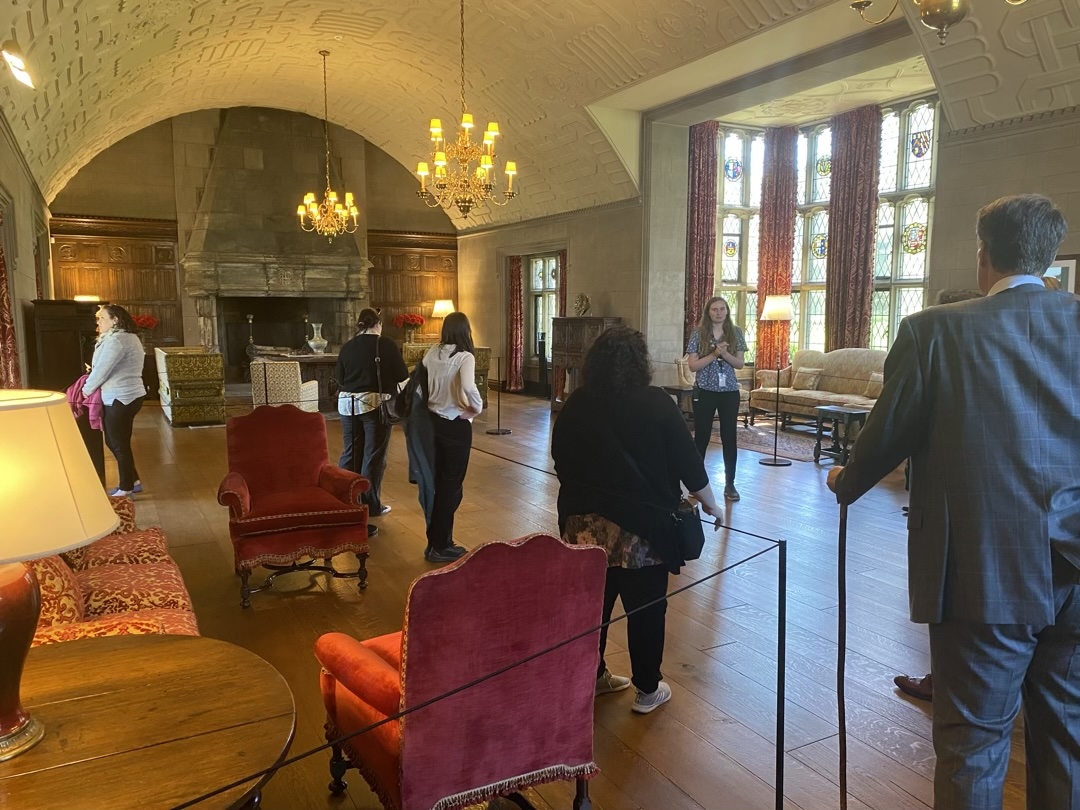
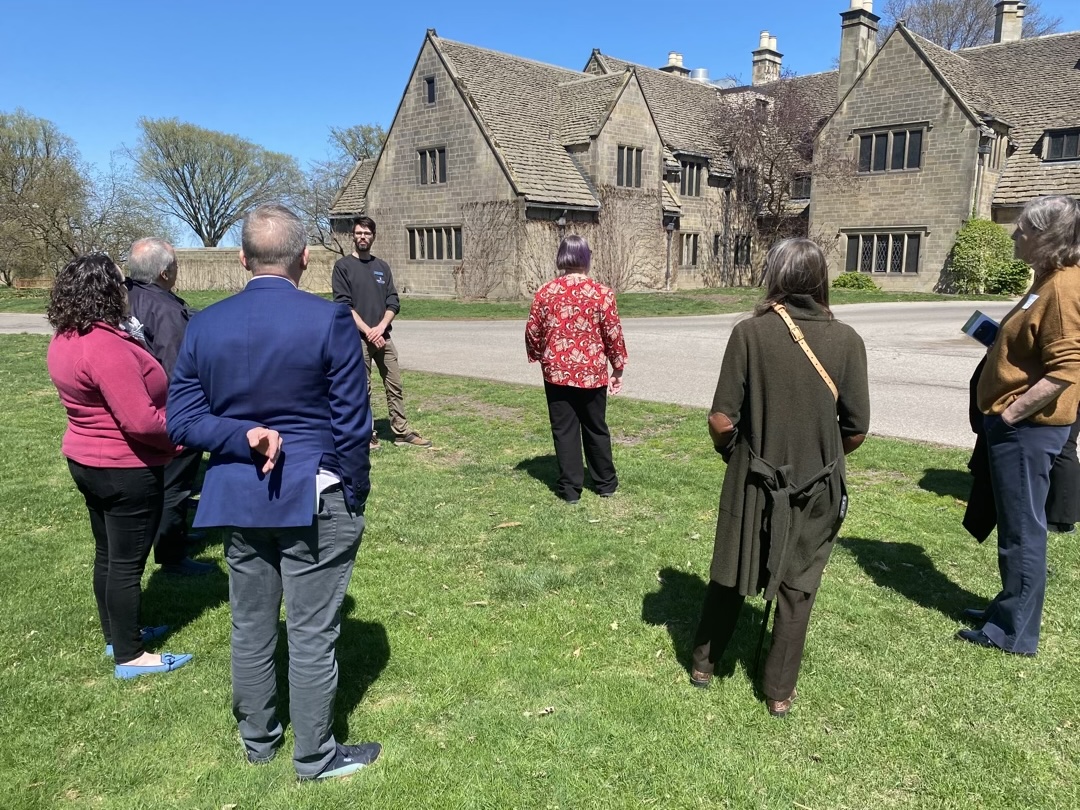
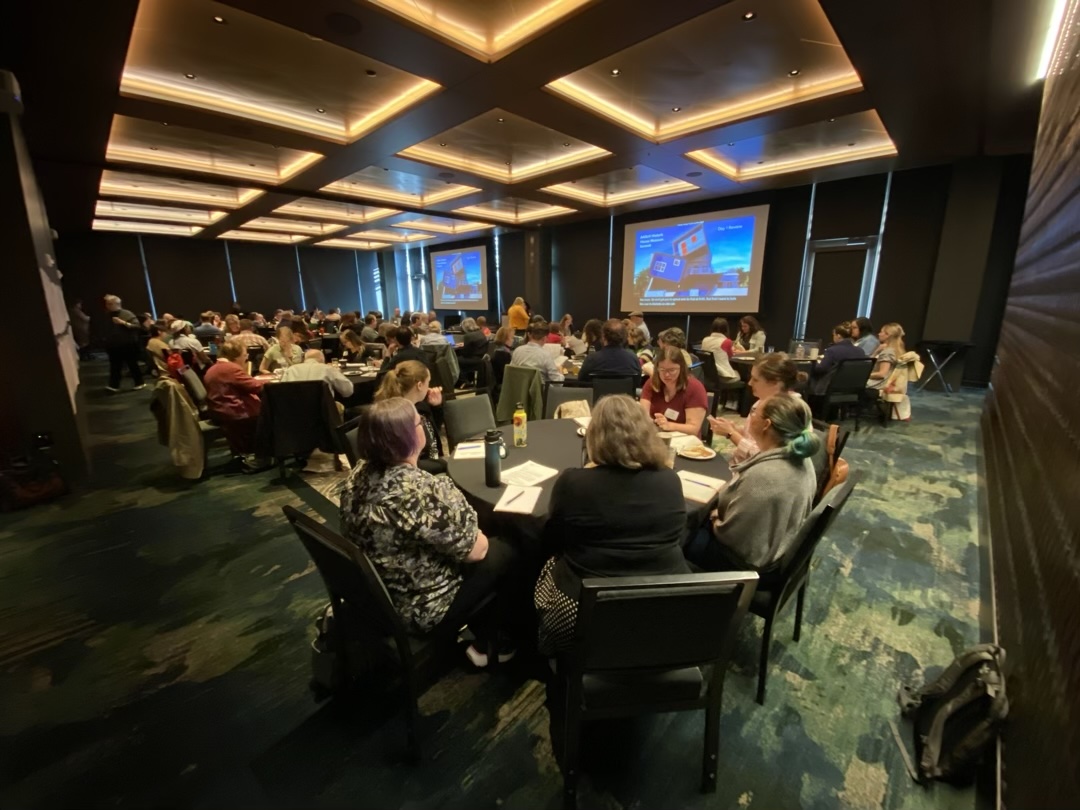
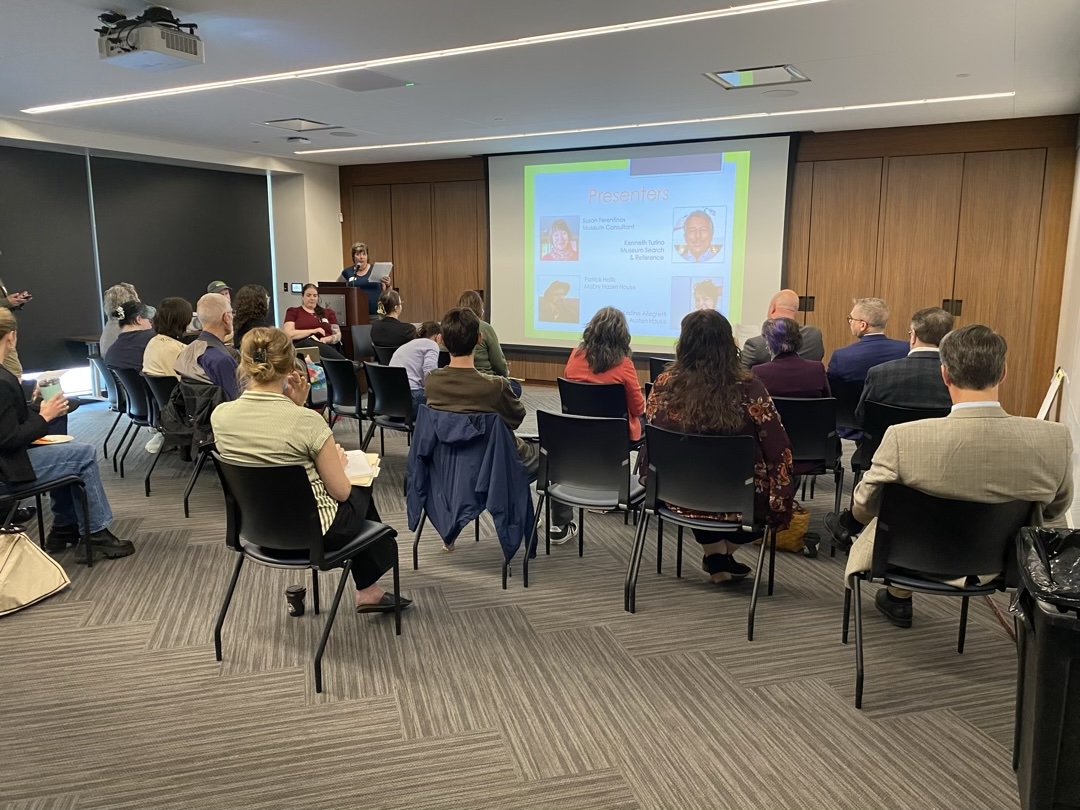
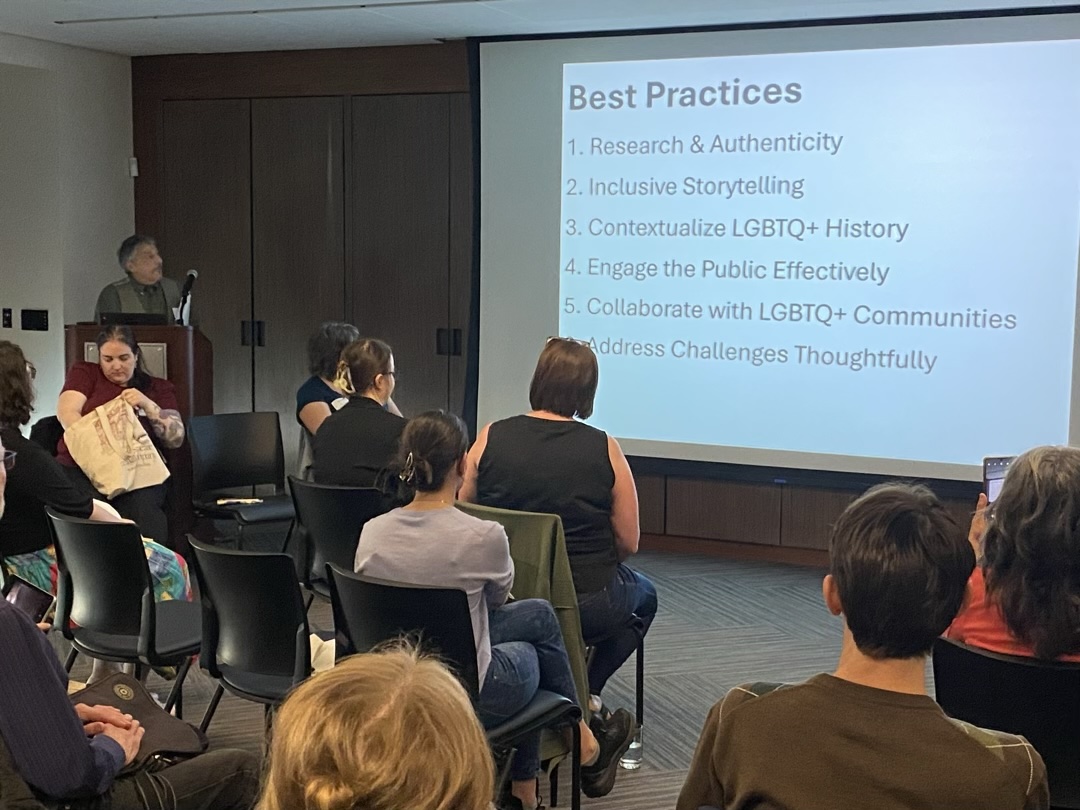
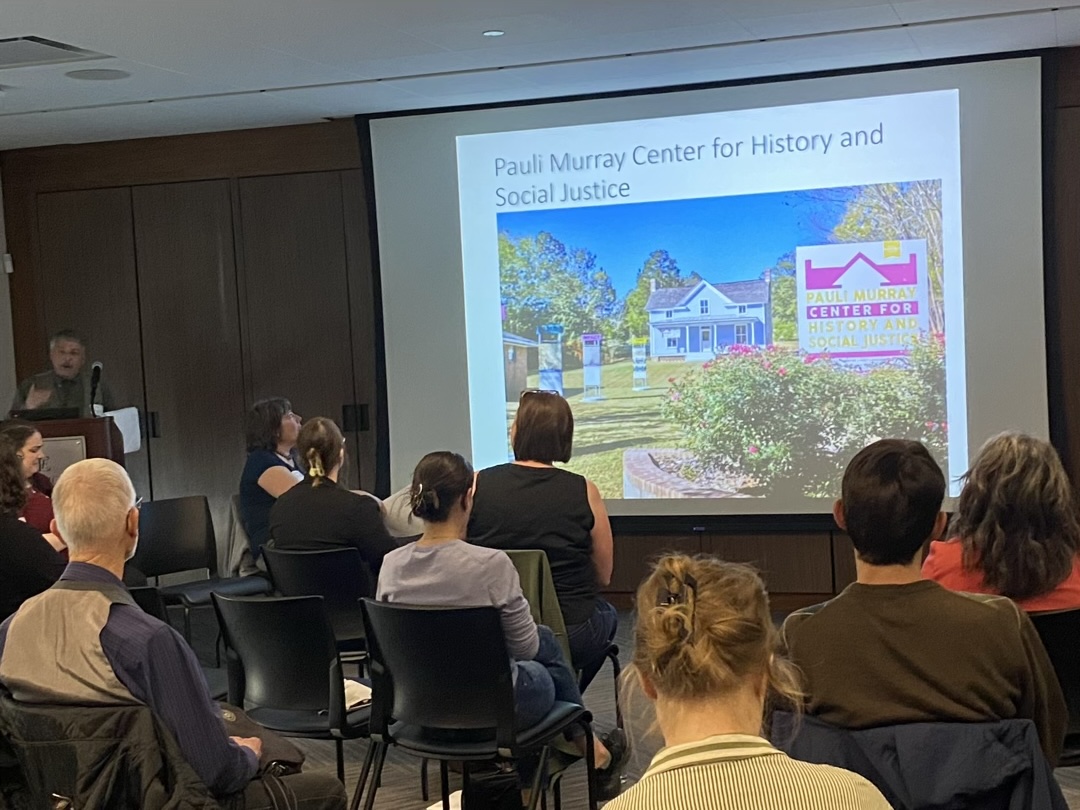
Last week, I attended the 2025 AASLH Historic House Museums Summit, “Interpreting Historic House Museums Today,” held at the Edsel and Eleanor Ford House in Grosse Pointe Shores, Michigan. Over 100 museum professionals from across the country came together to assess where interpretation stands today and how it should evolve over the next decade. The Summit’s objectives were clear: attendees would examine the current scope of historic house interpretation, identify trends for the next 10-15 years, and define the major issues shaping the field. Through keynotes, breakout sessions, and informal discussions, attendees tackled major questions about our roles, responsibilities, and hopes for the sector.
Big Ideas from the 2025 AASLH Summit
One of the most powerful themes to emerge was the need to embrace “whole history.” Instead of narrowly focusing on furniture, technology, or architectural details, participants stressed telling a full, human-centered story. This includes voices often left out of traditional interpretation: women, people of color, laborers, and marginalized groups. The idea is not merely to add these perspectives but to reframe interpretation through them, reflecting the complexity and moral ambiguity of historical figures and events.
A second major idea was that historic house museums must move beyond passive presentation into active engagement. Museums should create dialogic experiences where visitors reflect, question, and even challenge the past. Skills like listening, civil discourse, and conflict navigation were identified as essential for future staff training.
Finally, participants stressed the importance of using interpretation as a tool for healing and community building. At a time of social division, historic sites have a unique role to play in fostering empathy, historical curiosity, and nuanced understanding.
Findings and Recommendations
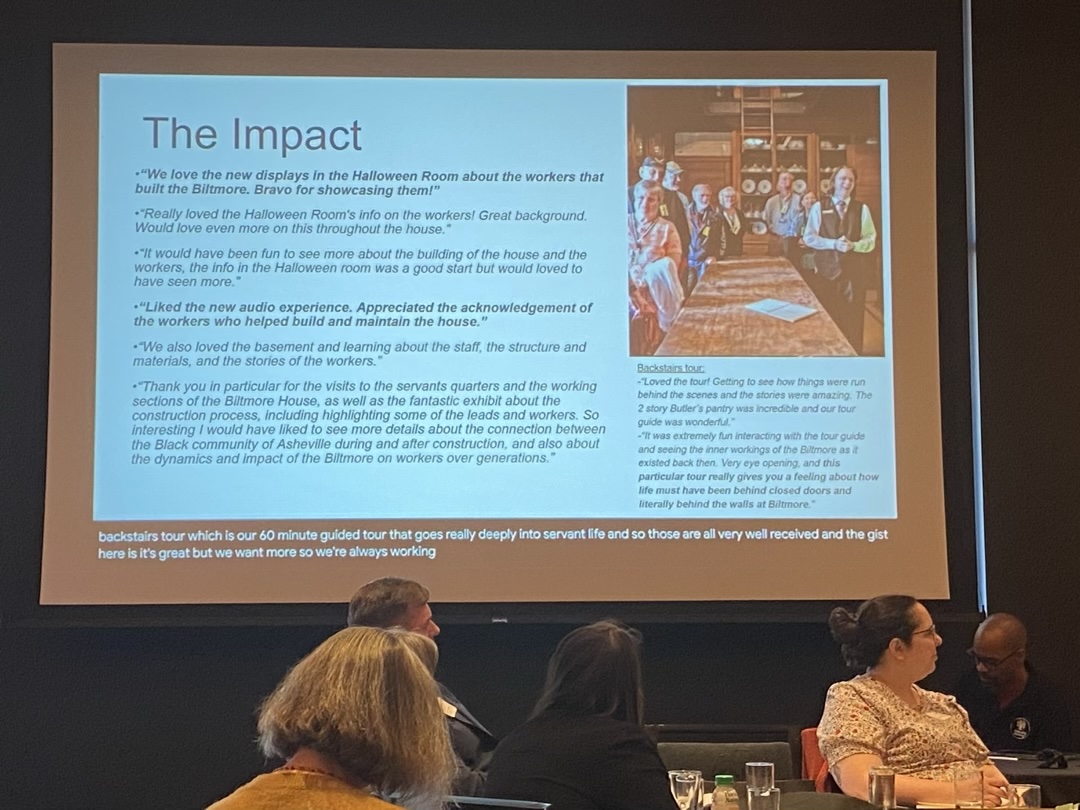
The Summit identified several critical findings. First, while there is less consensus than ever about history itself, there is strong consensus that museums must commit to telling an array of stories, even when visitors resist. As seen in examples like the tours at the Biltmore and Frick Pittsburgh where interpretation highlights the labor of servants rather than the “beauty” of the period rooms. Change can provoke backlash—but mission-driven interpretation must persevere.
Second, community outreach needs to deepen. Too often, “community” is defined by what museums want to provide, rather than genuine dialogue about what communities need. Building authentic relationships and defining an institution’s core identity are essential steps forward.
Third, there was real concern about the mental health and safety of front-line staff. Rising harassment, particularly against women and African American interpreters, is a troubling trend that institutions must address through staff support systems, clear policies, and training.
Key recommendations included:
- Focus on people-centered storytelling that reveals the imperfect, complex nature of historical lives.
- Train staff in dialogic interpretation skills, including managing conflict and fostering civil discussions.
- Write environmental histories of their sites to connect with contemporary issues like climate change.
- Develop clear public messaging so visitors know what kind of experience they are choosing.
- Expand interpretation of labor, power, and wealth dynamics, tying the past to present realities.
Did the 2025 Summit Meet Its Goals?
Overall, the 2025 summit successfully achieved its major learning objectives. Attendees deeply examined the scope of historic house interpretation today, identified pressing issues, and articulated bold visions for the next 10-15 years. The conversation was forward-thinking, values-driven, and candid.
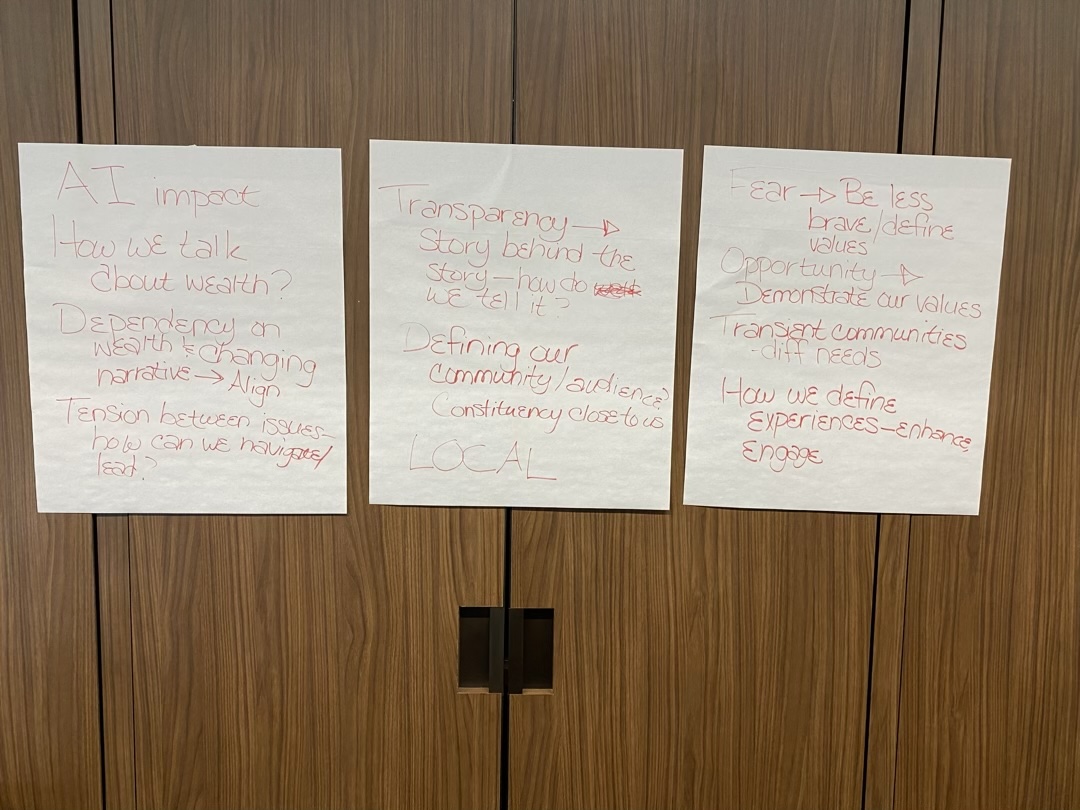
However, some crucial topics received little attention. Technology—particularly the impact of AI on interpretation, collections management, and education—was acknowledged but not deeply explored. Similarly, while funding anxieties were noted, practical strategies for financial sustainability were largely absent.
Looking Ahead
The “Interpreting Historic House Museums Today” Summit marked an important inflection point for the field. If historic house museums can embrace the principles outlined at this gathering—whole history, dialogic engagement, emotional complexity, and civic relevance—they can become not just sites of memory, but spaces of transformation.
As we move into the next 10-15 years, the challenge will be to integrate these interpretive ambitions with operational realities. To succeed, historic house museums must simultaneously innovate, enhance, and sustain.
In my next post, I’ll lay out a side-by-side comparison of the 2007 Kykuit II Symposium and the 2025 AASLH Summit. In future posts, we’ll explore some of the opportunities identified in the Summit.
If you attended the Summit, what were your biggest takeaways? Or if you’re rethinking interpretation at your own historic site, I’d love to hear your thoughts in the comments below!

 Engaging Places