
Category Archives: Historic preservation

Mothballing a Site Can Be Worse than Staying Open

The California State Parks system has been teetering on the edge of closure for the past few years due to the economic paralysis that has gripped the state’s government.  The situation is so bad that the National Trust for Historic Preservation named the entire system–nearly 300 sites–to their 11 Most Endangered List in 2008.  The downward spiral continues and the state has now begun mothballing sites with disastrous results.  The recent victim is Mitchell Caverns, which was recently vandalized when the site was closed and abandoned.  According to the Los Angeles Times:

Intruders cut fences, kicked doors off of hinges and shattered windows and display cases. They stole metal signs and survival gear, including hand-held radios, flashlights and binoculars. They also stole diesel-powered generators and ripped out thousands of feet of electrical wire used to illuminate the only natural limestone caverns in the state park system, San Bernardino County sheriff’s investigators said.

This may not bode well for the state’s plan to shut 70 more sites in July–that’s 25 percent of the parks.  Perhaps it would be better to lease or sell these sites with easements rather than see them vandalized and destroyed.  For the more on this story, see “Shuttered California State Parks may be Vulnerable to Vandalism” by Louis Sahagun in the Los Angeles Times, February 25, 2012.
Webinar on Strategies for Financially Sustaining Historic Buildings

The California Preservation Foundation, a statewide historic preservation organization, has been offering a series of lunchtime webinars (well, lunchtime on the West Coast) on a variety of topics that would interest staff and volunteers who work with historic sites, including window restoration, fundraising, architectural styles, historic landscapes, and tax credits.

On Tuesday, March 13, 2012 at 12 noon Pacific time, I’ll be sharing a webinar with Jim Newland of California State Parks on building a stable financial foundation for historic sites by rethinking Continue reading

For Lovers of New England: A Week on the Road in June

Discover the rich history of the region with Historic New England’s Program in New England Studies, an intensive week-long exploration of New England from Monday, June 18 to Saturday, June 23, 2012.  The Program in New England Studies includes lectures by noted curators and architectural historians, hands-on workshops, behind-the-scenes tours, and special access to historic house museums and museum collections. The program examines New England history and material culture from the seventeenth century through the Colonial Revival. Curators lecture on furniture, textiles, ceramics, art, and wallpaper and cover their history, craftsmanship, and changing methods of production. Architectural historians explore a timeline of regional architecture starting with the Massachusetts Bay styles of the seventeenth century through the Federal and Georgian eras, to Gothic Revival and the Colonial Revival. Participants visit historic sites and museums with curators and enjoy special receptions.

Expert lecturers include:

  • Richard Candee, professor emeritus, Boston University
  • Cary Carson, retired vice president of the research division at Colonial Williamsburg
  • Abbott Lowell Cummings, former director, Historic New England Continue reading

Field Trip: Homestead Museum in California

This slideshow requires JavaScript.

Last week I had a chance to visit with my colleagues at the Workman and Temple Family Homestead Museum in the City of Industry, California.  I was the assistant director there a decade ago and it continues to be a special place to me (if you haven’t visited, it has great architecture and a great story).  After a generous lunch with the staff, director Karen Graham Wade and some of her staff took me to see the Workman House, the earliest house on the site.  It’s undergoing extensive interior rehabilitation to make it more suitable and attractive as an exhibit gallery.  It’s part of a major effort to respond to the changing interests of their visitors by increasing the self-guided experiences.  They are also reducing the number of days per week the Homestead Museum will be open for walk-in public tours and  increasing the number of days they’ll be open for tours by appointment and for other activities.  At La Casa Nueva, the second house on site, they are Continue reading

A Great Conference for Historic Sites Coming Up in April

The Organization of American Historians and the National Council on Public History are combining their annual meetings this year and this double-header is creating a really interesting conference for people who are working to preserve and interpret historic places.  Here are just a few sessions that caught my eye (and just a few–there are more than 200 sessions offered over five days):

  • Museum and Makers:  Intersections of Public History and Technology Buffs from Steam Trains to Steampunk
  • Museums, Historic Sites, and the University:  Public History Projects and Partnerships in the American Indian Great Lakes
  • The Witness Tree Project:  Using Historic Landscapes to Explore History and Memory
  • Toward a Reinterpretation of the Indian Wars at National Historic Sites and Parks
  • Closing Up Shop:  Strategies for Partners and Communities When Historic Sites Close Continue reading

Associate Architect Elizabeth Milnarik departs National Trust

Former Associate Architect for the National Trust for Historic Preservation, Elizabeth Milnarik has recently left her position to pursue other opportunities in historic building preservation and research. During her tenure at the Trust, Elizabeth gained tremendous experience in the technical aspects of preserving the Trust’s extremely diverse historic structures, varying from a structural and visitor impact study of Charleston’s Drayton Hall (1738), to an invasive investigation into corrosion issues at Mies van der Rohe’s Farnsworth House (1951) in Plano, Illinois. A licensed architect, Elizabeth earned her M. Arch from the University of Illinois and received a doctorate in architectural history from the University of Virginia. In addition to her duties as architect, Elizabeth has also lectured widely on the architectural history of the Trust sites, on American residential architecture, and particularly on the history of public housing in America. She can now be reached at emilnarik@yahoo.com.

Preservation Books Takes a Sabbatical

Preservation Books, the publisher and distributor of books, reports, and studies on the management, preservation, and interpretation of historic sites has closed and is sending its inventory to Amazon.com.  Here’s the notice on their web site:

It’s a brave new world in publishing and Preservation Books will not be left behind. In order to bring exceptional preservation tools and information to our members, Preservation Books is going on sabbatical and will spend the next six months researching new technologies, testing potential platforms, and re-evaluating how and what we publish.

But what does that mean? We are no longer selling books on www.preservationbooks.org. However, our best sellers and most recent titles (see the full list below) are available through Amazon.com.

Books published by the National Main Street Center will now be sold by them.  We’re not sure when this notice was posted so we don’t know when the six months will conclude.  We understand there are more shoppers at Amazon.com so that’s a better place to distribute books but we’ll be sorry if the National Trust decides to end the publishing business–it is one of the nation’s leading publishers of books on historic preservation, putting out such popular titles as Housekeeping for Historic Homes and House Museums, The Economics of Historic Preservation, Feasibility Assessment Manual for Reusing Historic Buildings, and Takings Law in Plain English.

Christopher Roddy Joins Kingwood Center in Ohio

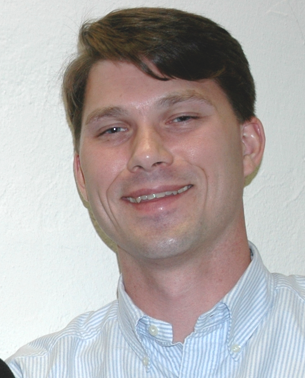
Christopher Roddy

The Kingwood Center in Mansfield, Ohio recently appointed Christopher Roddy as its visitor services manager beginning February 6, 2012. This position oversees many aspects of the museum and gardens, including interpretation and educational/public programs; admissions, security, and volunteers; developing marketing initiatives; and the way-finding plan for the site.  Built in 1926 for Mr. and Mrs. Charles Kelley King, the 47-acre estate opened as a public garden in 1953, one year after Mr. King’s death. He left most of his estate to the private foundation that continues to operate Kingwood Center today.

Chris leaves Villa Finale, a National Trust Historic Site in San Antonio, Texas.  He was part of the team that transitioned Villa Finale from a private residence to a public historic site, joining the fledgling staff as the buildings and grounds manager in July 2007 to plan and manage all the capital projects.  Among his major accomplishments are Continue reading

Urban Land Institute Recognizes Recently Restored Historic Places

Ron Nyren of the Urban Land Institute recently recognized ten projects completed in the past five years that brought back “valuable community resources from decline and neglect.”  Nyren notes the importance of these places because they, “serve as a link to the past, a site for shared memory, and an anchor in the often-changing urban landscape.”  We’d call them historic sites, but no matter, we’re happy to see more examples of great places reborn, especially when they seem like white elephants, such as:

Don’t let anyone tell you a saving an historic site is impossible and it can’t be reused.  When you’ve seen these projects, you’ll know it just requires creative thinking and a good plan (and yes, money–but rarely is anything free).

Christine Madrid French leaves National Trust

Christine Madrid French

The Modernism + Recent Past program at the National Trust for Historic Preservation (aka TrustModern) has been absorbed into its Preservation10X effort, a new strategic plan for its programs and sites, eliminating the director’s position held by Christine Madrid French.
Under Chris’ leadership, the Modernism + Recent Past Program raised public awareness and supported grassroots advocacy across the country through the Modern Modules events and printed booklets, the Modernism in Hawaii context study, collaborative efforts with the Farnsworth House and the Glass House, and the Angel Grant Program.  TrustModern was established in 2009 and supported in part by the Henry Luce Foundation, National Endowment for the Arts, and the LaFetra Foundation.
Christine will be moving on to new opportunities including teaching architectural history at the University of Central Florida, continuing her efforts in preservation advocacy, and working with Balcony Press to publish her book on mid-20th century Mission 66 visitor centers in our national parks.  She received her Master’s degree in architectural history from the University of Virginia and is a frequent writer and speaker on modern architecture but is best known for Continue reading