
In today’s fast-moving, attention-fragmented world, museums are under pressure to do more than just deliver content–they need to make it stick. Whether it’s an online program, a guided tour, or an immersive performance, professionals are increasingly asking: How do we create experiences that matter? Three recent studies point to a clear answer: if you want to deepen impact, design for reflection.
Reflection Creates Meaningful Museum Visits
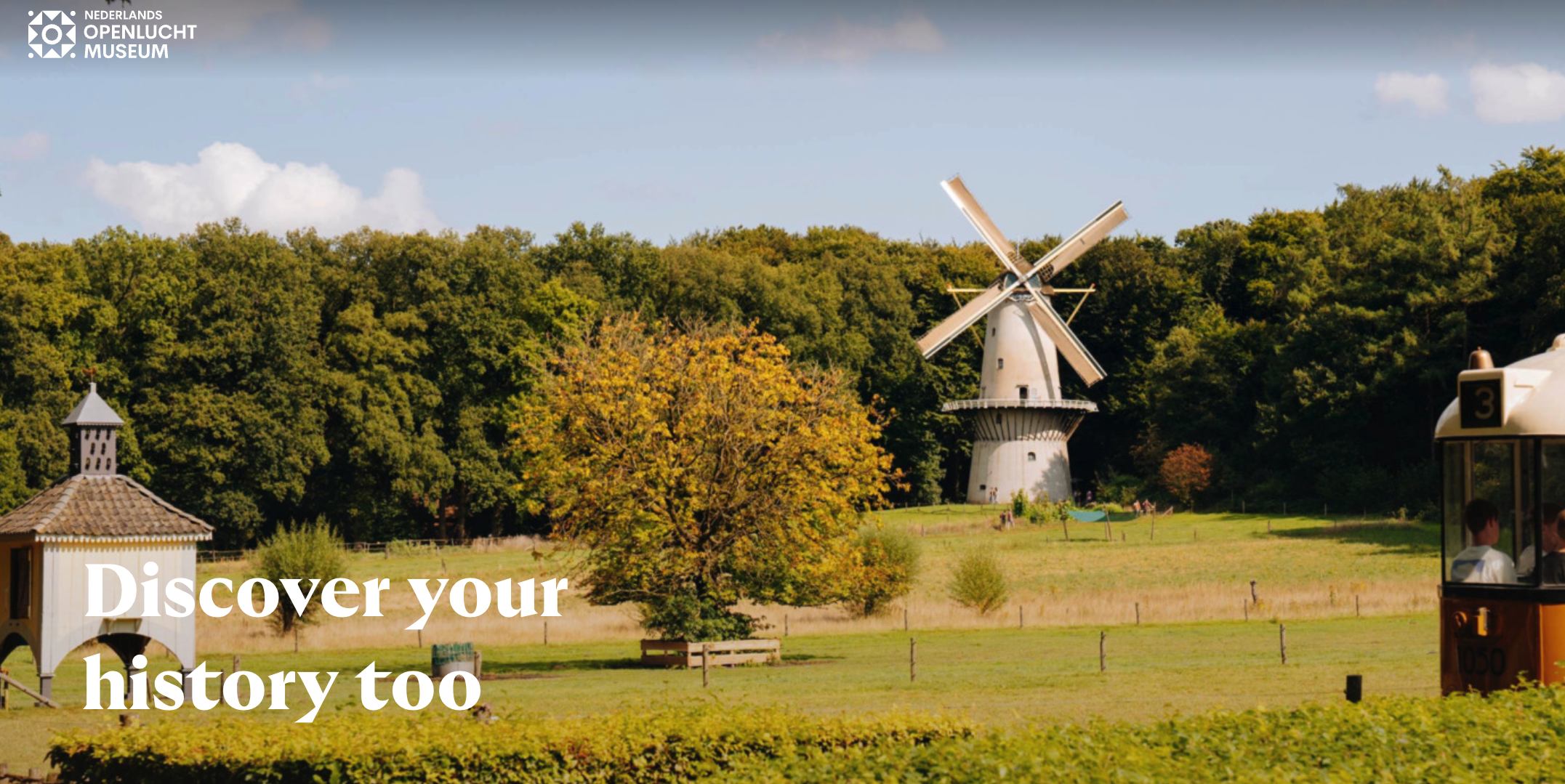
A recent study by Pieter de Rooij and colleagues at the Dutch Open Air Museum in Arnhem investigated what factors contribute to a memorable, meaningful, or transformative museum experience. Using surveys from over 500 visitors, they found that reflection was the strongest predictor of all three outcomes, while sociability and joy had a smaller yet significant effect. Visitors who were prompted to think about new ideas or connect the experience to their own lives were significantly more likely to report lasting impact.
Interestingly, traditional design features—such as beautiful displays, freedom to roam, or relaxing environments—were not strong predictors of impact. While those elements may support comfort and enjoyment, they don’t on their own foster deeper engagement.
Continue reading
 Engaging Places