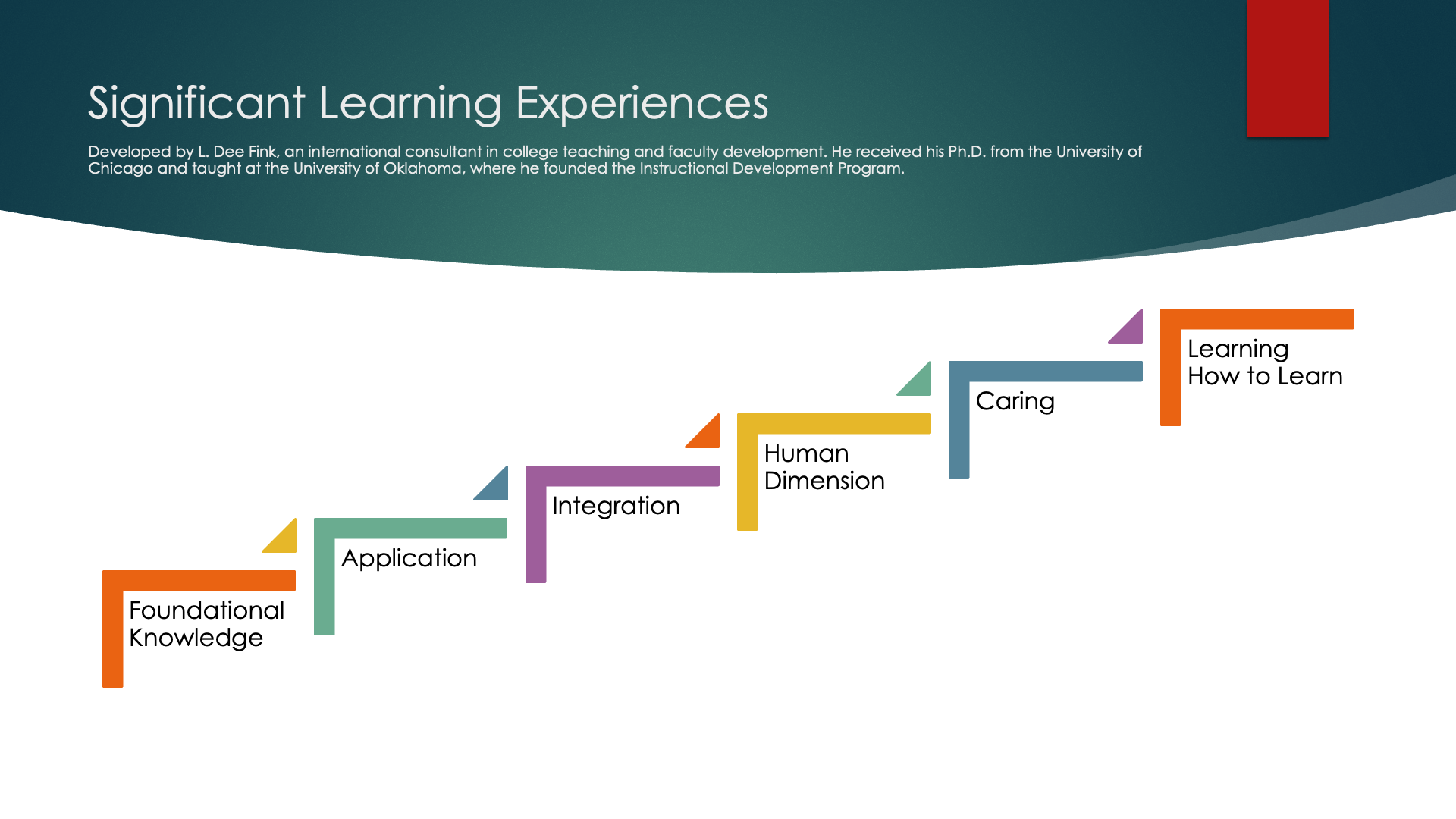
When it comes to developing tours, exhibitions, events, school programs, or publications, the most important concept is to start with the goal in mind or to “design backwards.” Goals are usually defined as products, services, or deliverables, but museums are educational institutions, so our goals should shift from being about the museum or historic site produces or creates to being about what the visitor learns. In other words, what do you want visitors to know, feel, or do as a result of your tour, exhibition, or program?
“Appreciate” and “understand” are often typical outcomes, but they’re hopelessly vague and amorphous. It’s too easy for us to have different definitions of what it means to “appreciate history” or “understand the Constitution.” Thankfully, educators, psychologists, and neuroscientists have been working on the science and practice of learning for decades, providing us with frameworks and methodologies to craft more precise and actionable learning goals.
The Popular but Incomplete Bloom’s Taxonomy (skip to next section if too nerdy)
Let’s start with a brief history of the development of educational taxonomies, which systematically classify learning goals and objectives. Bloom’s Taxonomy is perhaps the most well-known framework in this area. However, users often overlook that it was originally published in 1956 as part of a broader work titled Taxonomy of Educational Objectives: The Classification of Educational Goals. This foundational text was actually the first of three planned volumes.
The first volume, authored by Benjamin Bloom and colleagues, focused on the cognitive domain (knowledge). The second volume, which addressed the affective domain (emotion), was published in 1964 by David Krathwohl. Unfortunately, the third volume, intended to cover the psychomotor domain (action), was never completed, leaving Bloom’s Taxonomy somewhat incomplete despite its significant influence on educational theory and practice.
Continue reading Engaging Places