
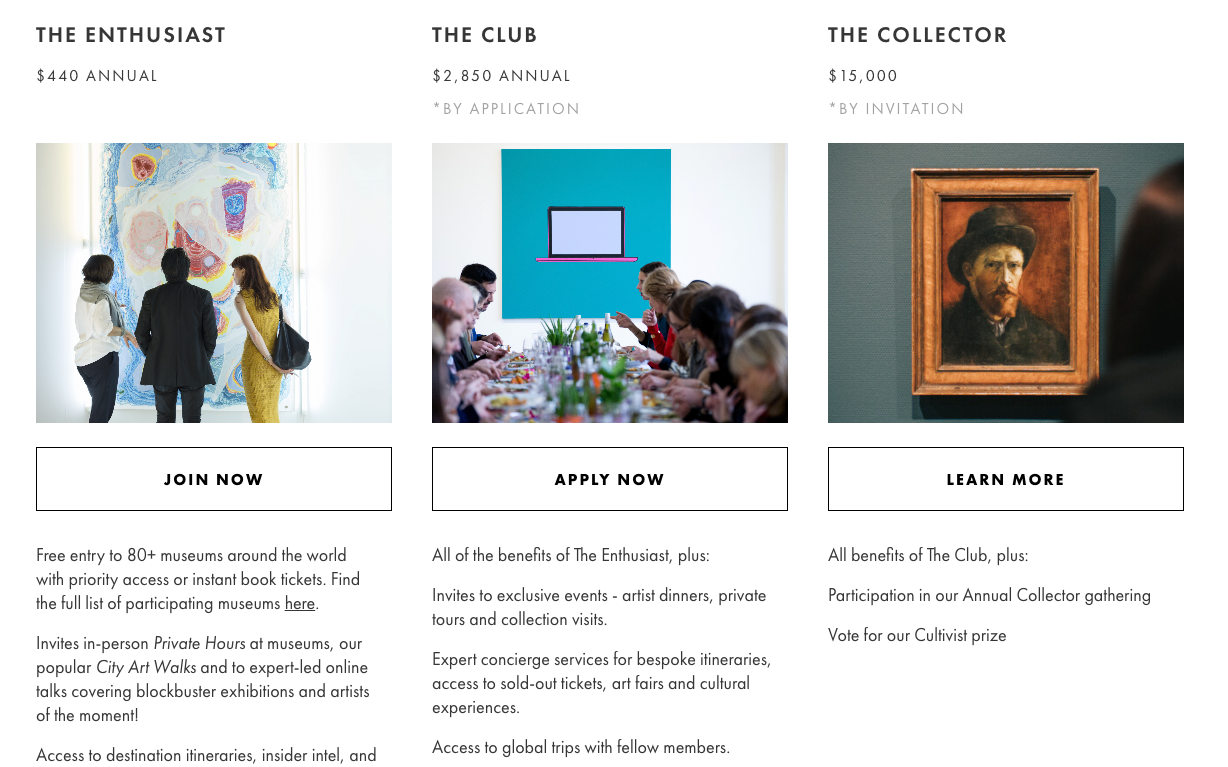
A few weeks ago I came across The Cultivist, a private membership program that promises art lovers “insider access” to the global art world. The club offers members free or priority admission to dozens of museums, invitations to special events, tailored trips to art fairs and biennials, and behind-the-scenes experiences with artists, collectors, and curators.
At first glance, I was skeptical. Is this simply the commodification of art and culture for wealthy travelers?
Perhaps. But it’s also worth taking a closer look, because The Cultivist reveals something important about how cultural tourists and heritage travelers—especially affluent ones—may want to experience museums and historic sites.
The organization was founded by Marlies Verhoeven and Daisy Peat, both of whom previously worked at Sotheby’s developing VIP loyalty programs for collectors. Their backgrounds are not in museums, curatorial practice, art history, or education. Instead, they specialize in relationship marketing, high-net-worth client services, and luxury experiences. That background explains the business model perfectly.
The Cultivist is not a museum membership program in the traditional sense. It is closer to a global concierge service for the art world. Members pay an annual fee starting at $440 to access a network of museums, exhibitions, artists’ studios, and art fairs, combined with customized travel and social events. Participating US museums include the Museum of Fine Arts Boston, Art Institute of Chicago, Museum of Modern Art, Jewish Museum NY, and the Huntington Library. In effect, the organization packages the art world into a kind of cultural lifestyle club.
From one perspective, this can feel uncomfortable. Museums have historically framed themselves as institutions devoted to public education, access, and engagement that contribute to society. A private club that sells privileged access to museums risks reinforcing the perception that the arts are primarily a playground for wealthy insiders. But before dismissing the model entirely, it’s worth asking why a service like this exists—and why it appears to be successful.
The Cultivist addresses a real problem in the cultural sector: the art world is complicated to navigate. For newcomers—especially collectors, enthusiasts, or cultural travelers—it can be difficult to know which exhibitions matter, which events are worth attending, or how to gain meaningful access to artists and curators. The Cultivist sells something that museums rarely package themselves: expertly-chosen experiences and trusted guidance.
For museum leaders, this raises both threats and opportunities. The most obvious threat is losing the direct relationship with audiences. If organizations like The Cultivist become the primary gateway for affluent audiences to experience museums, then cultural institutions risk becoming simply one stop in a larger luxury cultural itinerary. In other words, museums could become content providers within someone else’s membership platform. There is also a reputational risk. If access to museum experiences increasingly appears tied to exclusive clubs, the field’s commitment to public access and equity could be called into question.
Yet there are opportunities as well. First, The Cultivist highlights how much value audiences place on experiences beyond exhibitions. People want help navigating cultural experiences. They want context, recommendations, and social opportunities built around art, history, and culture.
Second, the model demonstrates the appeal of cross-institutional networks. Museum membership programs are typically tied to a single organization, but heritage travelers move within and between regions. A global membership network that connects multiple institutions may be more aligned with how cultural tourism works.
So what might museum leaders learn from this?
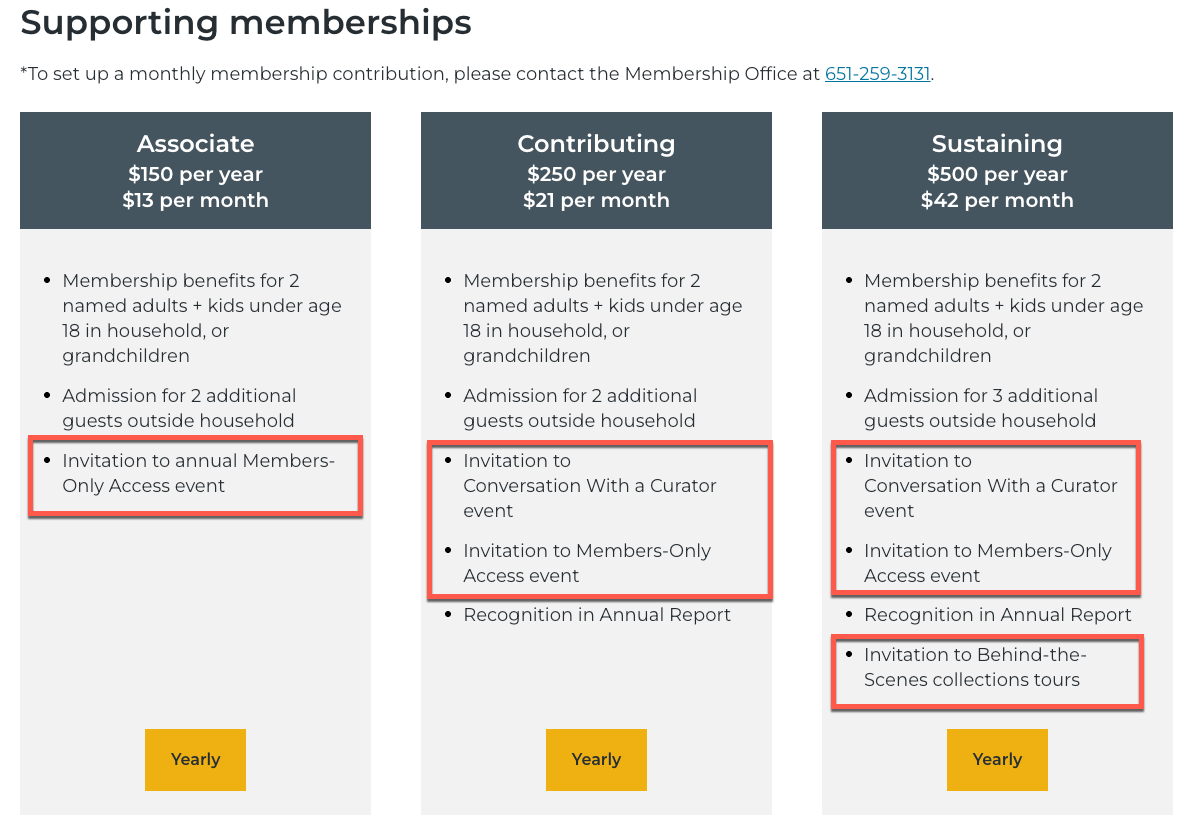
One lesson is that membership is evolving from access to experience. Free admission, tote bags, and store discounts are no longer enough. Members increasingly want behind-the-scenes opportunities, personal connections with staff and experts, and thoughtfully designed cultural itineraries.
Another lesson is the power of partnerships. Instead of competing with programs like The Cultivist, museums might explore collaborative models that connect multiple institutions across a region or theme.
Finally, museums might ask a broader strategic question: if outside organizations are creating cultural networks, shouldn’t history museums and historic sites be leading those efforts?
In the end, The Cultivist may not represent the future of museums—but it does offer a glimpse of how the cultural experience economy is evolving. For museum professionals, that alone makes it worth paying attention.
To learn more about this topic, this classic provides a good introduction: The Experience Economy by Joseph Pine and James Gilmore (Harvard Business Review Press, 2019; first published in 1999). Online you’ll find the 1998 HBR article, “Welcome to the Experience Economy.”
 Engaging Places