Category Archives: Community engagement

Navigating Community Engagement in Museums in a Charged Political Climate

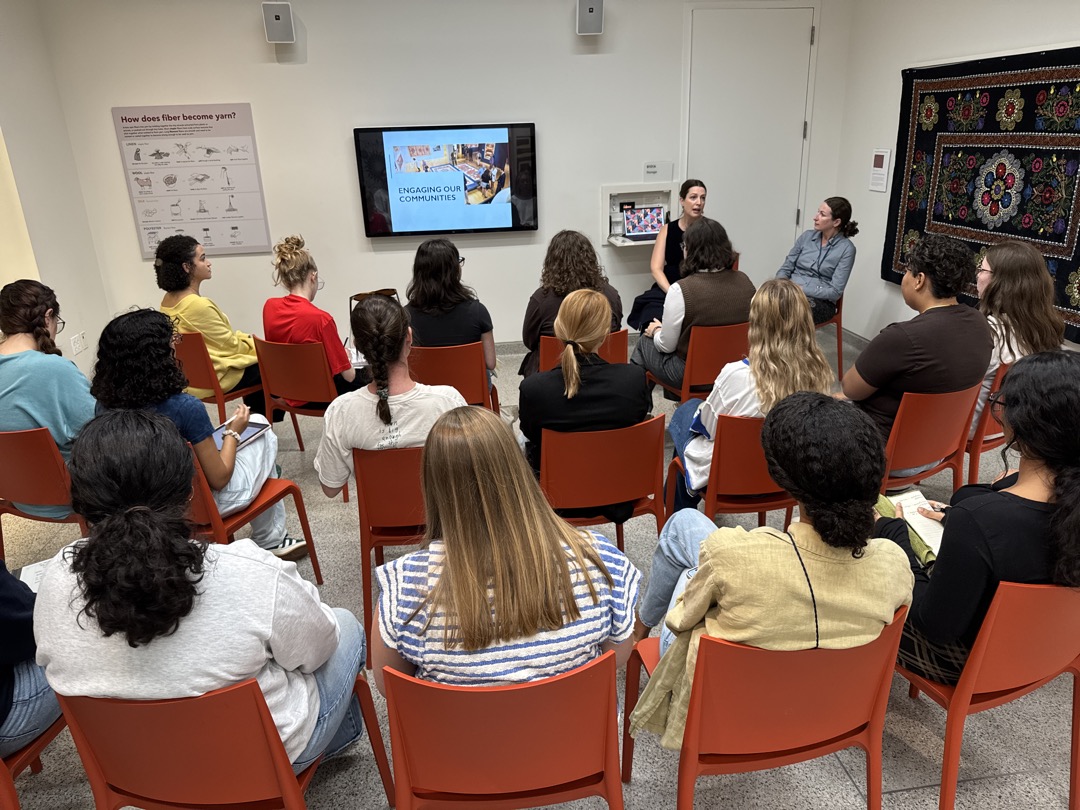
I attended a timely and thought-provoking session at this year’s AASLH Annual Meeting called Bridging Divides: Navigating Challenging Histories Through Community Engagement on September 13. It gathered five panelists—Angela O’Neal, Columbus Metropolitan Library, Columbus, OH; Rebecca Asmo, Ohio Humanities, Columbus, OH; Jason Crabill, Decorative Arts Center of Ohio, Lancaster, OH; Kaitlyn Donaldson, Lorain Historical Society, Lorain, OH; Doreen Uhas-Sauer, Rickenbacker Woods Foundation, Columbus, OH—who shared practical advice for how museums and historic sites can continue doing meaningful work in an era of heightened scrutiny, political pressure, and declining trust. I want to share my notes here, not as a verbatim report, but as highlights of ideas that struck me as especially useful for our field.

Protecting Institutions While Advancing Mission

The panel emphasized that today’s environment did not emerge overnight, so institutions can look to history and the humanities for guidance. Two watchwords were don’t obey in advance and don’t over-comply. When regulations restrict action—such as a requirement to remove feminine hygiene products from restrooms—organizations can comply while still serving their audiences by relocating them to staffed areas. Institutions should avoid inviting unnecessary trouble, ensuring content is evidence-based, factual, and defensible. Even the naming of grants matters: choose descriptive, straightforward titles rather than attention-grabbing language that might provoke critics.

Building Credibility Through Storytelling and Relationships

Telling concrete, factual stories is essential. Because American history is often taught as headlines rather than complex narratives, museums must provide depth while remaining accessible. Community review of working drafts helps ensure relevance and reduces backlash. Listening for common ground creates ownership and fosters support. In some cases, reframing exhibits as art rather than history opens doors to difficult conversations. Festivals, events, and everyday relationship-building are as important as the exhibits themselves.

Continue reading

Who Does What? Clarifying Roles for Nonprofit Boards and Staff

One of the most common challenges for nonprofit organizations—whether museums, historic sites, or community groups—is understanding who does what when it comes to decision-making, planning, and day-to-day operations.

Board members sometimes worry they are getting too involved in management or don’t know enough about what’s going on. Staff members, on the other hand, can feel their authority is being questioned when board members step into operational details. Yet when everyone understands their distinct responsibilities, organizations thrive.

We would never expect a new volunteer to suddenly step into a historic house and deliver a flawless tour. They need orientation, resources, and time to develop their skills before they feel confident leading visitors.

Continue reading

Job Fairs: A New Public Program for Museums?

This fall, the Museum Studies Program at George Washington University is joining forces again with the History and Art History Departments to offer a Museums+ Internship Fair. Now in its second year, the fair connects undergraduate and graduate students with a wide range of museum and history internship opportunities in the DC area. For a couple of hours on a Friday afternoon, students will gather in the atrium of the Corcoran School of the Arts and Design to meet representatives from dozens of institutions—including the National Gallery of Art, Hillwood Estate, the National Museum of Women in the Arts, Supreme Court of the United States, White House Historical Association, and many more. The goal is simple: to help students discover just how much they can do with their degrees and to broaden their horizons by meeting professionals working across the museum and history fields.

As we’ve been preparing for the fair, I began to wonder—what if museums and historic sites flipped the concept and hosted a similar program for their own communities? Instead of being a service for students alone, imagine it as a public program, designed to connect local residents, businesses, and organizations with the museum itself.

Benefits to the Community

For many people working in business, technology, or traditional jobs, the idea of contributing their skills to a nonprofit or museum has never crossed their minds. They may not recognize that their expertise—whether in marketing, finance, customer service, or carpentry—has enormous value to cultural organizations. By connecting residents with organizations and ideas outside their usual circles, museums can help expand horizons and build confidence.

Benefits for the Museum

Continue reading

Reimagining Historic House Museums: Two Workshops Coming Up!

House museums across the country are confronting difficult questions about relevance, sustainability, and meaning in the 21st century. What worked twenty years ago—traditional tours, decorative arts displays, and carefully preserved interiors—often isn’t enough today to engage visitors or generate financial stability. Communities are changing, audiences have new expectations, and historic sites are under increasing pressure to demonstrate their value.

That’s why Ken Turino (formerly at Historic New England) and I developed Reimagining the Historic House Museum, an intensive one-day workshop that helps professionals and volunteers tackle these challenges head-on. Over the past decade, we’ve led this program at sites across the United States, working with hundreds of staff, board members, and volunteers to think creatively about interpretation, audience engagement, and business models. Each workshop is highly interactive, blending case studies, small-group activities, and practical exercises. Participants leave not only with new ideas, but with concrete tools to implement change at their own sites.

This fall and next spring, we’ll be offering two opportunities to join us in person:

Continue reading

Designing for Impact: Why Reflection Should Be at the Heart of Your Museum Experience

In today’s fast-moving, attention-fragmented world, museums are under pressure to do more than just deliver content–they need to make it stick. Whether it’s an online program, a guided tour, or an immersive performance, professionals are increasingly asking: How do we create experiences that matter? Three recent studies point to a clear answer: if you want to deepen impact, design for reflection.


Reflection Creates Meaningful Museum Visits

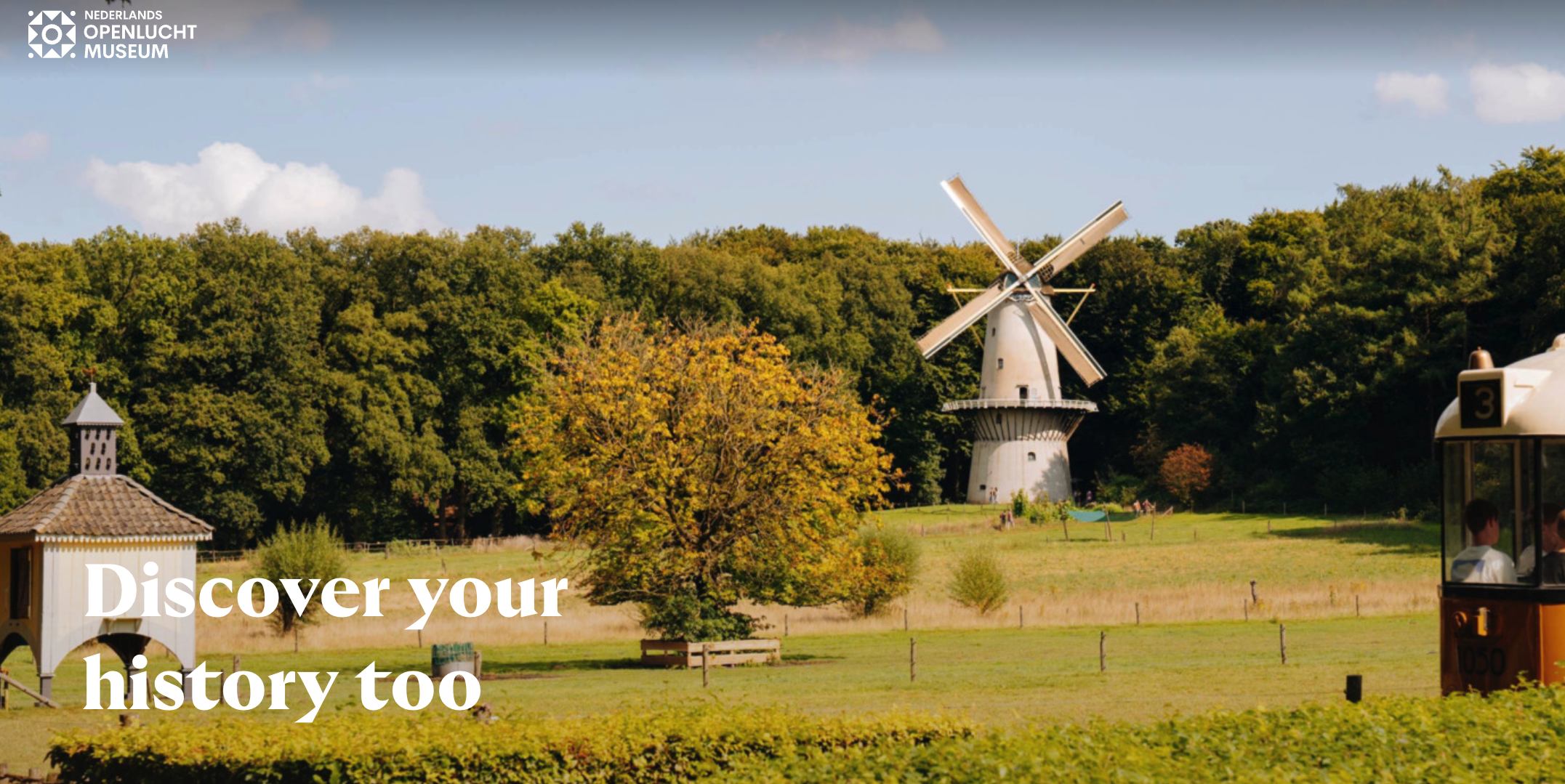
A recent study by Pieter de Rooij and colleagues at the Dutch Open Air Museum in Arnhem investigated what factors contribute to a memorable, meaningful, or transformative museum experience. Using surveys from over 500 visitors, they found that reflection was the strongest predictor of all three outcomes, while sociability and joy had a smaller yet significant effect. Visitors who were prompted to think about new ideas or connect the experience to their own lives were significantly more likely to report lasting impact.

Interestingly, traditional design features—such as beautiful displays, freedom to roam, or relaxing environments—were not strong predictors of impact. While those elements may support comfort and enjoyment, they don’t on their own foster deeper engagement.

Continue reading

Bridging the Gap: Tackling Visitor Awareness & Digital Programming

Ask any museum professional about barriers to participation, and you’re likely to hear about time, cost, or location. But two recent studies suggest the real obstacles may be more subtle—and more solvable. Whether your museum operates online, outdoors, or in a traditional building, one persistent challenge remains: many potential visitors don’t know what you offer or don’t believe it’s for them.


Non-Visitors Aren’t Uninterested—They’re Unaware or Uncertain

Wilcox et al. studied visitation patterns at two urban National Park Service sites in Washington, DC: Rock Creek Park and the C&O Canal. They surveyed both visitors and non-visitors during the pandemic and found that the most common constraint for non-visitors wasn’t disinterest—it was lack of awareness. Many simply didn’t know what the parks offered, where they were located, or whether they were open to the public.

Continue reading

What Should Stay, Grow, or Go? Let the Impact–Sustainability Matrix Help

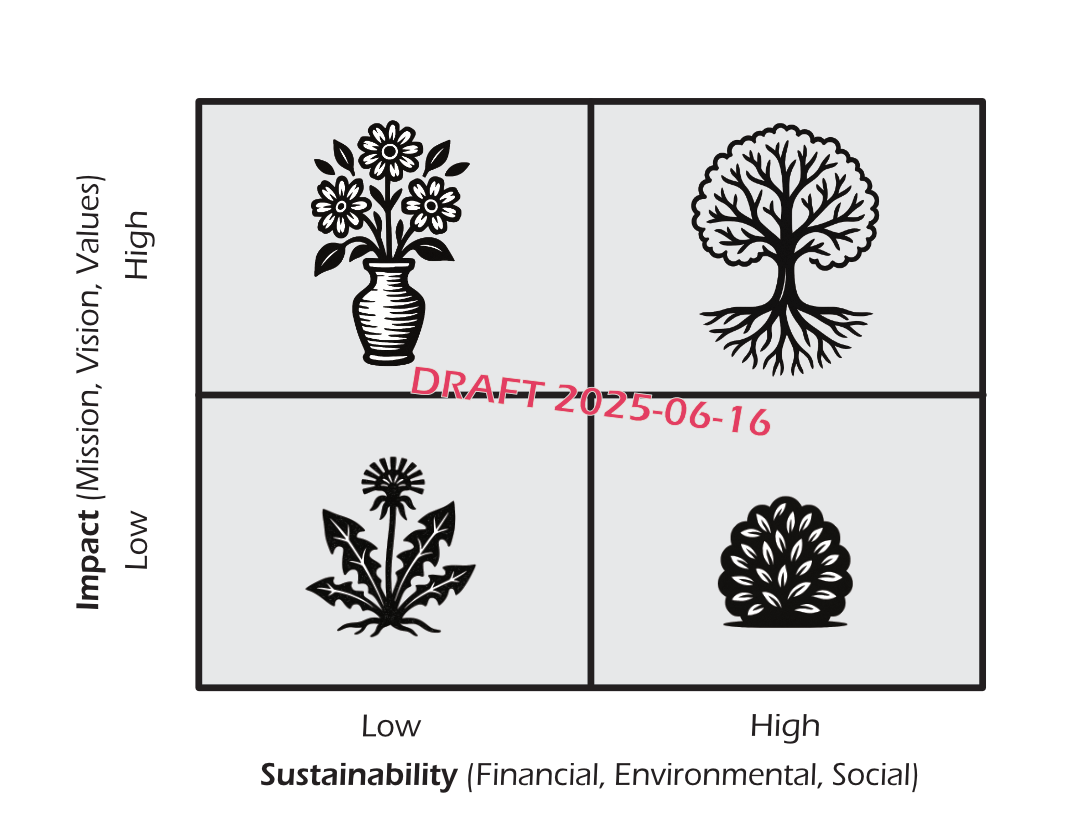
Back in 2014, I shared a classic business matrix as a tool to help museums and historic sites think more strategically about their programs and activities. It plotted mission alignment on one axis and financial sustainability on the other, providing a quick visual way to categorize whether something was worth continuing, needed revision, or should be reconsidered altogether, using metaphors of stars, hearts, cash cows, and bunnies.

The response was strong—many found it useful for internal discussions, staff retreats, and board meetings. But since then, my thinking has evolved.

Over the last decade, I’ve come to see that we need a broader lens. It’s not enough to think about money and mission alone. Sustainability today must account for more than just dollars, and impact is shaped not only by mission statements, but also by vision and values.

A Matrix for Today

Here’s the updated version:

  • The vertical axis is now Impact, encompassing not just your mission but also your vision and values—your full organizational purpose.
  • The horizontal axis is now Sustainability, which considers financial, social, and environmental dimensions.

This updated Impact-Sustainability Matrix helps museum professionals assess whether a program or initiative is aligned with what matters most and whether it can endure in a resource-constrained world.

A Living Metaphor: From Bloom to Root

To make the matrix easier to understand and more memorable, I’m using a botanical metaphor. Every program or initiative can be thought of as a kind of plant—some deeply rooted and thriving, others beautiful but short-lived, and a few that are sadly distractions.  I’m not sure if the metaphor is as clear and apt as my previous star/heart/cash cow/bunny matrix, so I’d love your thoughts and suggestions in the comments below. 

Below are descriptions of each quadrant using this metaphor:

Continue reading

Webinar: Interpreting Winter Holidays with Your Community

The winter holidays are some of the most beloved and heavily attended times of year for museums and historic sites—but interpreting them can be a challenge. Whose stories are told? What traditions are represented? How can we ensure our programs are welcoming, accurate, and relevant to our communities?

If you’ve been asking these questions, join me at an upcoming webinar hosted by the American Association for State and Local History (AASLH):

  • “Interpreting Winter Holidays with Your Community”
  • Wednesday, June 12, 2025, 3:00–4:00 PM Eastern
  • $45 / $25 for AASLH members
  • Register here

I’ll be speaking alongside Ken Turino, Martha Katz-Hyman, and Morgan Lloyd, each of whom brings experience and insights into crafting more inclusive, community-centered holiday programs. We’ll explore ways that museums and historic sites can move beyond nostalgic or monolithic narratives and instead embrace a richer variety of traditions and histories—from Hanukkah to Kwanzaa, from secular seasonal festivals to the complexities of Christmas. Whether you’re revamping long-standing programs or launching something new, this session will offer fresh ideas, examples, and practical steps for engaging your community during the holiday season.

In my portion of the webinar, I’ll share strategies for refreshing an existing Christmas event by incorporating research on state and local history, helping organizations better connect with their communities and interpret traditions in a meaningful context.

The webinar is inspired in part by the recent book Interpreting Christmas at Museums and Historic Sites, which Ken and I co-edited and which features contributions from many practitioners grappling with these same questions. As a bonus, webinar attendees will receive a 30% discount on the book.

What is the Future of Interpretation at Historic House Museums?

The world of historic house museums has been grappling with fundamental questions about purpose and sustainability for many years. Two significant gatherings, the Kykuit II Summit in 2007 and the recent 2025 Historic House Summit, highlight key moments in this ongoing discussion. Bridging these two events is the American Association for State and Local History’s (AASLH) STEPS program, particularly its standards for interpretation, which emerged directly from the needs identified in that earlier period. Looking at these three points in time reveals not only evolving ideas but also the increasing urgency and specific challenges facing interpretation today. 

The Kykuit II Summit: The Call for Sustainability and Standards

The Kykuit II Summit, held in April 2007 at the John D. Rockefeller estate, brought together leaders to discuss “the sustainability of historic sites.” This was a follow-up to a similar meeting five years prior. The discussions focused on finding ways for historic sites, the largest segment of the museum community, to thrive. Key questions included the challenging, “unmentionable” ones: “Does America need another house museum?” or “Can America support the existing historic sites it now has?”

Continue reading

Fundraising After Crisis: Lessons from the Gamble House

Extent of Eaton Fire, 2025. Courtesy Wikimedia Commons.

When disaster strikes, how should a museum approach fundraising? A recent appeal from the Gamble House Conservancy offers an excellent model.

Following the devastating Eaton Fire in January 2025, the Gamble House framed its appeal not simply around its own needs, but around its role in the community’s recovery. The letter powerfully connects the Gamble House to the larger regional tragedy, emphasizing the museum as a place of respite, inspiration, and service. Rather than focusing solely on damage or lost revenue, the appeal highlights how the museum has already acted: removing collections, supporting staff and volunteers, surveying visitors to guide future programs, and partnering with displaced nonprofits like the Pasadena Audubon Society.

The Conservancy also effectively maintained its core mission. Ongoing conservation efforts, such as addressing water intrusion and repairing the side yard gate, are presented alongside expanded community initiatives. This dual focus reassures donors that their gifts support both immediate public needs and long-term stewardship.

Finally, the letter makes giving easy. In addition to traditional mail-in donations, a QR code directs supporters to a secure online portal, meeting donors where they are.

The takeaway for museums and nonprofits? After a crisis, connect your organization’s needs to the broader recovery, demonstrate early action, and align core mission work with new community service roles. Fundraising after a disaster isn’t just about survival — it’s about showing how your institution remains essential to the life of the community it serves.