Category Archives: Leaders in the field

Mike Quinn named CEO of American Revolution Center in Philadelphia

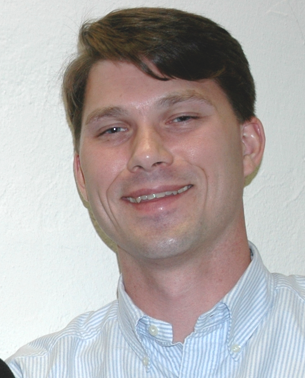
Michael Quinn

H.F. (Gerry) Lenfest, chairman of the American Revolution Center today announced that Michael C. Quinn will join the organization as president and CEO effective April 1, 2012. Quinn will oversee all aspects of the development of The Museum of the American Revolution, to be built in the historic area of Philadelphia.

Since 1999, Quinn has served as president and CEO of The Montpelier Foundation, the private non-profit organization that operates James Madison’s Montpelier, a National Trust Historic Site in Virginia. Under his leadership, the home of James Madison and its surrounding environment were transformed from a 1900s mansion into a vibrant interpretive and educational center focusing on James Madison and the U.S. Constitution. He oversaw the $25 million restoration of James Madison’s home, and the planning and construction of a 15,000 square foot visitor center. He conceived and oversaw the establishment of the Center for the Constitution, which annually provides advanced intellectual seminars on constitutional theory for more than 700 teachers, police officers, and legislators.

Previously, Quinn served as Continue reading
A Great Conference for Historic Sites Coming Up in April

The Organization of American Historians and the National Council on Public History are combining their annual meetings this year and this double-header is creating a really interesting conference for people who are working to preserve and interpret historic places.  Here are just a few sessions that caught my eye (and just a few–there are more than 200 sessions offered over five days):

  • Museum and Makers:  Intersections of Public History and Technology Buffs from Steam Trains to Steampunk
  • Museums, Historic Sites, and the University:  Public History Projects and Partnerships in the American Indian Great Lakes
  • The Witness Tree Project:  Using Historic Landscapes to Explore History and Memory
  • Toward a Reinterpretation of the Indian Wars at National Historic Sites and Parks
  • Closing Up Shop:  Strategies for Partners and Communities When Historic Sites Close Continue reading

Christopher Roddy Joins Kingwood Center in Ohio

Christopher Roddy

The Kingwood Center in Mansfield, Ohio recently appointed Christopher Roddy as its visitor services manager beginning February 6, 2012. This position oversees many aspects of the museum and gardens, including interpretation and educational/public programs; admissions, security, and volunteers; developing marketing initiatives; and the way-finding plan for the site.  Built in 1926 for Mr. and Mrs. Charles Kelley King, the 47-acre estate opened as a public garden in 1953, one year after Mr. King’s death. He left most of his estate to the private foundation that continues to operate Kingwood Center today.

Chris leaves Villa Finale, a National Trust Historic Site in San Antonio, Texas.  He was part of the team that transitioned Villa Finale from a private residence to a public historic site, joining the fledgling staff as the buildings and grounds manager in July 2007 to plan and manage all the capital projects.  Among his major accomplishments are Continue reading

Ragan Folan Appointed President of Old Salem

Ragan Folan

The Old Salem Museums and Gardens Board of Trustees accepted the resignation of President and CEO Lee French and appointed Ragan Folan to replace him, effective February 1, 2012. Ms. Folan, a leading community volunteer, has been actively involved with Old Salem as a member of the Board of Trustees since 2005 and as Chair of the Board since May 2010. She chaired the Strategic Planning Task Force that developed the Long Range Strategic Plan currently being implemented. The Board elected Tony Furr, past Chair, to fill her term as Chair through May 2012. Located in North Carolina, Old Salem consists of two museums–the Historic Town of Salem and the Museum of Early Southern Decorative Arts (MESDA)–along with award-winning heirloom gardens.

Lee French, who leaves the historic museum after five-and-a-half years of successful leadership, informed members of the executive committee of the Board some months ago that he desired to leave OSMG to explore other professional objectives and to satisfy some personal goals.  “Based on a number of factors that include personal, professional and family objectives, I decided some months ago to Continue reading

Christine Madrid French leaves National Trust

Christine Madrid French

The Modernism + Recent Past program at the National Trust for Historic Preservation (aka TrustModern) has been absorbed into its Preservation10X effort, a new strategic plan for its programs and sites, eliminating the director’s position held by Christine Madrid French.
Under Chris’ leadership, the Modernism + Recent Past Program raised public awareness and supported grassroots advocacy across the country through the Modern Modules events and printed booklets, the Modernism in Hawaii context study, collaborative efforts with the Farnsworth House and the Glass House, and the Angel Grant Program.  TrustModern was established in 2009 and supported in part by the Henry Luce Foundation, National Endowment for the Arts, and the LaFetra Foundation.
Christine will be moving on to new opportunities including teaching architectural history at the University of Central Florida, continuing her efforts in preservation advocacy, and working with Balcony Press to publish her book on mid-20th century Mission 66 visitor centers in our national parks.  She received her Master’s degree in architectural history from the University of Virginia and is a frequent writer and speaker on modern architecture but is best known for Continue reading

Stowe Center Launches Essay Contest to Promote Social Justice

Historic house museum workshop participants taking a tour of the Harriet Beecher Stowe House in 2003.

The Harriet Beecher Stowe Center in Connecticut has always impressed me ever since I taught a historic house museum workshop there nearly a decade ago.  It’s an unpretentious site with two Victorian-era houses somewhat overshadowed by the adjacent high school and Mark Twain House and Visitor Center.  Despite its modest appearance, it has a big ambitious mission:

The Harriet Beecher Stowe Center preserves and interprets Stowe’s Hartford home and the Center’s historic collections, promotes vibrant discussion of her life and work, and inspires commitment to social justice and positive change.

This mission infuses their programs and activities, connecting Stowe’s issues to the contemporary face of race relations, class and gender issues, economic justice and education equity.  They recognize they’re not a traditional historic house museum, indeed they call themselves, “a 21st-century museum and program center.”

It’s gutsy, but if you’ve ever met Katherine Kane, the executive director, you’ll know the source (there’s something about the name Katherine that inspires moxie:  Catherine Beecher, Katharine Hepburn, Catherine the Great of Russia. . .) and she’s pulling it off impressively.  Take a look at their website and you’ll see they offer Continue reading

Laurie Ossman Departs Woodlawn and Pope-Leighey House

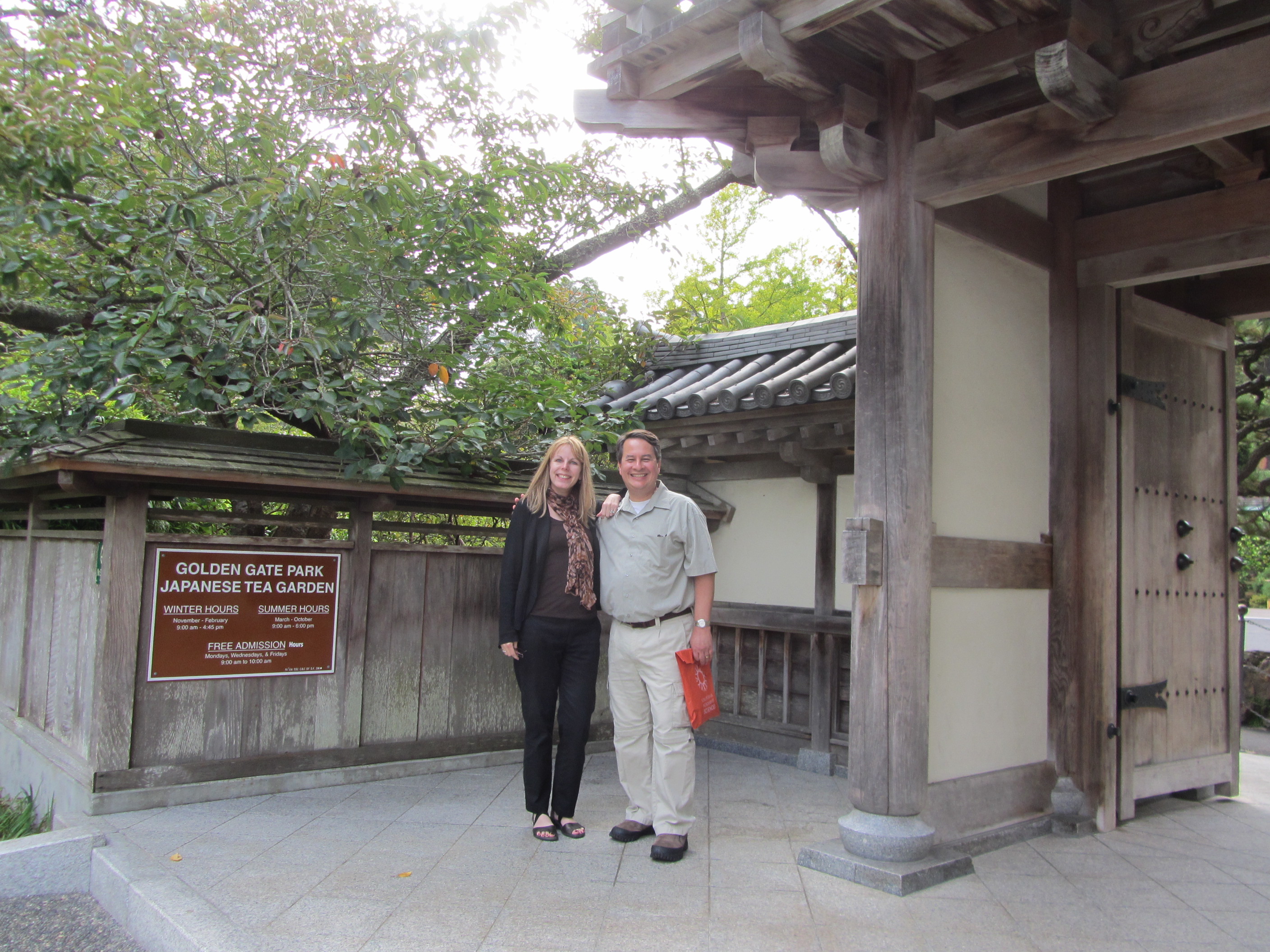
Laurie Ossman and Max van Balgooy meeting serendipitously in San Francisco in 2011.

Laurie Ossman has recently departed as director of Woodlawn and Pope-Leighey House, a National Trust Historic Site in Virginia, to advance her interest in re-imagining historic sites for today’s audiences through project-based endeavors and writing.  Her innovative work to reinterpret and reprogram the site has been featured by the American Association of Museums and the Washington Post, including the path-breaking Arcadia partnership with the Neighborhood Restaurant Group.  During her tenure, she also completed two major books with Rizzoli–a survey of Great Houses of the South and a study of the architectural firm of Carrere and Hastings (selected as the Washington Post‘s photo book of 2011)–which will be focus of several lectures in the coming month at Vizcaya, The Flagler, and the Sulgrave Club.  Laurie received her PhD. in architectural history from the University of Virginia and was previously responsible for the collections and scholarship at such nationally renowned historic sites as Vizcaya Museum and Gardens and Ca’ d’Zan at the Ringling Museum of Art.  She can now be reached at LaurieOssman@Comcast.net.

Susan Hellman has been promoted to Acting Director of Woodlawn and Pope-Leighey House and can be reached at Susan_Hellman@nthp.org.  Woodlawn and Pope-Leighey House are owned and operated by the National Trust for Historic Preservation and is one of 23 National Trust Historic Sites.

Pennsylvania Historical and Museum Commission names James M. Vaughan as Executive Director

Pennsylvania Historical and Museum Commission (PHMC) Chairman Andrew E. Masich today announced that James M. Vaughan of Washington, D.C. has been appointed as the agency’s new executive director, effective November 28, 2011.

Vaughan most recently served as Vice President, Stewardship of Historic Sites for the National Trust for Historic Preservation in Washington, D.C., where he Continue reading

National Archives to Launch Dashboard to Engage Users

Pamela Wright of the National Archives describes the forthcoming Citizen Archivist Dashboard.

At the Seventh Annual William G. McGowan Forum on Communications on November 4, the National Archives previewed their Citizen Archivist Dashboard, a single place where users can actively participate in the work of the institution (the Archivist of the United States debuted it earlier in his blog). Pamela Wright, Chief Digital Access Strategist at the National Archives, stated that this would be a way to develop deeper levels of engagement with its users beyond the basic performance measures of “likes” and “followers”. Scheduled to launch in December, it will use crowd-sourcing strategies to improve access and understanding of its enormous collections by allowing visitors to: Continue reading

November launches the Seminar for Historical Administration

The Seminar for Historical Administration (SHA) takes over Indianapolis every November as staff from historic sites and history museums gather to discuss and resolve the big issues, such as:

  • Why is it that so many Americans find history, for the most part, boring and irrelevant?
  • How can we be more creative in using authentic objects to involve people in exploring the past?
  • Should we focus our interpretation on the past, or should we find ways to make history useful to present-day concerns?
  • What roles should do museums and sites play in our communities?

They’ll be exploring these topics through readings, field trips, and lectures from national leaders, and a revised curriculum that increasingly focused on leadership not just management.  The participants often come out transformed by the experience and the effects last throughout their careers, with such positive results that some organizations are using it as mid-career training for their staff members (a pat on the back to the Homestead Museum and Indiana Historical Society!).  John Durel coordinates the program and will be regularly writing about their experiences on the Developing History Leaders at SHA blog.