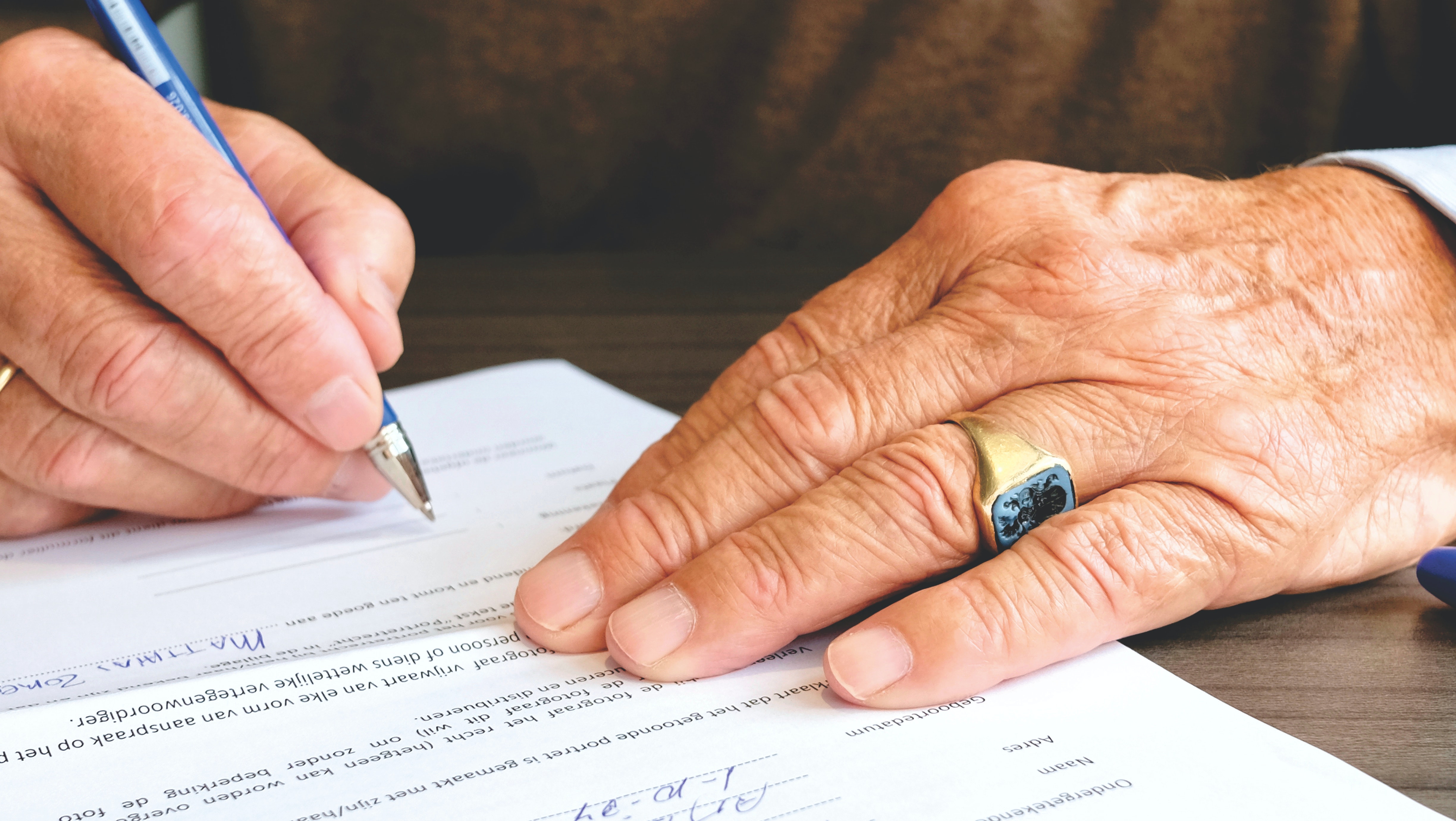
The pandemic is prompting changes throughout museums and history organizations, including the processing of deeds of gift for collection acquisitions. It is the muddy stretch of the road. I’d prepare two deeds of gift, use sticky notes to show where to sign, attach a cover sheet asking the donor to sign both copies and return one to the museum, and enclose a self-addressed stamped envelope to encourage a quick response. Finally, you drop the packet in the mail and hope to hear from the donor soon. Otherwise, it entailed more follow-up that could take weeks, sometimes months, to complete. Meanwhile, the new acquisition stared at you from the shelves in limbo every time you walked into storage.
To streamline the process, the San Diego History Center recently adopted DocuSign, an online service that allows documents to be signed and returned quickly. No need for scanning signatures or using a mouse to write out an illegible name. DocuSign uses your name to craft a “signature” in a script typeface. I recently completed a house sale using DocuSign and sailed through piles of paperwork with ease.
Continue reading


 TED Talks has spawned the renewal of lectures as an engaging form of education (who would have guessed?) and many universities and organizations are regularly sharing lectures from their public programs, staff workshops, and student courses online with the public. They’re also a great resource for house museums and historic sites, who can use them for professional development and staff training, or to check out a potential speaker for a special event. They might even inspire museums to record their own events and share them online. Here are a couple programs that caught my eye:
 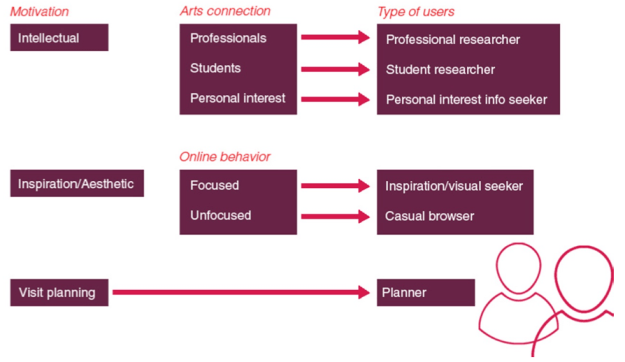 The Metropolitan Museum of Art recently shared the
  Engaging Places