Tag Archives: American Association for State and Local History

Heading to Cincinnati for AASLH—Will You Be There?

This week I’m heading to Cincinnati for the American Association for State and Local History’s Annual Meeting—and I couldn’t be more excited. After a couple of years of scheduling conflicts that kept me away, I’m very much looking forward to reconnecting with colleagues and friends from across the country.

If you’ll be there, I hope to see you at the History Leadership Institute reception on Wednesday afternoon. If we miss each other then, perhaps we’ll cross paths in the exhibit hall or between sessions. Please do say hello—I always enjoy hearing what others are working on.

I’ve been fortunate to visit many of Cincinnati’s museums over the years, but there’s always more to discover. I’m especially looking forward to Friday morning’s walking tour of the Over-the-Rhine District (which includes a special preview of the new OTR Museum) and Friday night’s reception at the American Sign Museum. There are so many museums to see and I can easily recommend the Cincinnati Art Museum, Taft Museum of Art (in a historic house), Harriet Beecher Stowe House, National Underground Railroad Freedom Center, and the Cincinnati Museum Center (a multi-museum complex in a splendid Art Deco train station). In addition, I’ll make a return visit to two places within walking distance: the 21c Museum Hotel (a surprising blend of luxury hotel and contemporary art museum—what are they doing now?) and the Contemporary Arts Center (by Zaha Hadid, the first woman to design an art museum in the US—how it is holding up?).

It promises to be a week full of learning, inspiration, and connection. I hope to see many of you in Cincinnati!

Reimagining Historic House Museums: Two Workshops Coming Up!

House museums across the country are confronting difficult questions about relevance, sustainability, and meaning in the 21st century. What worked twenty years ago—traditional tours, decorative arts displays, and carefully preserved interiors—often isn’t enough today to engage visitors or generate financial stability. Communities are changing, audiences have new expectations, and historic sites are under increasing pressure to demonstrate their value.

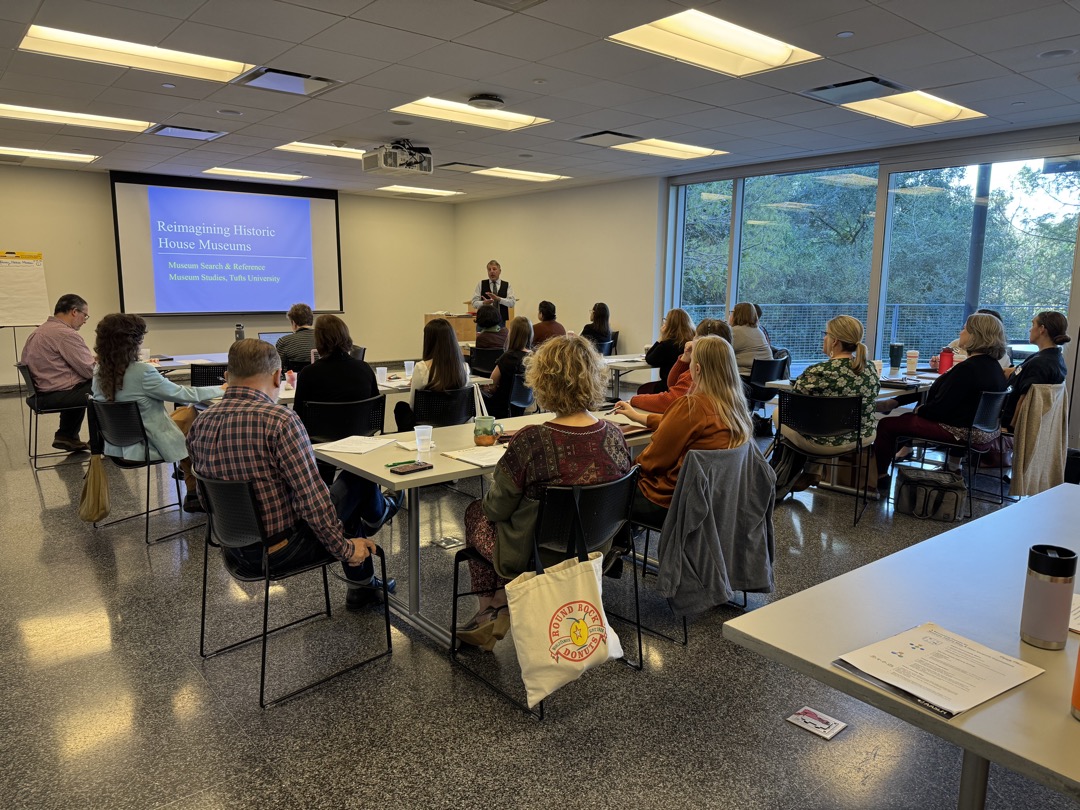
That’s why Ken Turino (formerly at Historic New England) and I developed Reimagining the Historic House Museum, an intensive one-day workshop that helps professionals and volunteers tackle these challenges head-on. Over the past decade, we’ve led this program at sites across the United States, working with hundreds of staff, board members, and volunteers to think creatively about interpretation, audience engagement, and business models. Each workshop is highly interactive, blending case studies, small-group activities, and practical exercises. Participants leave not only with new ideas, but with concrete tools to implement change at their own sites.

This fall and next spring, we’ll be offering two opportunities to join us in person:

Continue reading

AASLH’s Interpreting History Series Now on Sale

If you’re looking to expand your bookshelf this summer, now’s a great time to explore the Interpreting History series from the American Association for State and Local History (AASLH). Bloomsbury is currently offering 10–15% off the entire series—an excellent opportunity to add fresh perspectives on interpretation to your library.

Among them is my newest title, Interpreting Christmas, co-authored with Ken Turino. We examine how museums and historic sites can thoughtfully interpret winter holidays in ways that are inclusive, community-centered, and grounded in historical research. If you’ve ever struggled with how (or whether) to “do” Christmas at your site, this book offers a framework—and lots of practical examples.

Even better: AASLH members always receive 20% off all titles in the series, including those not currently on sale. If you’re not already a member, it’s a great time to join.

This sale also comes at a turning point for AASLH’s publishing program. Earlier this year, Bloomsbury acquired Rowman & Littlefield’s academic publishing business, expanding the reach of the Interpreting History series to a much broader international audience.

Of course, most of us don’t write museum books for the royalties (we know we’re not Nora Ephron—or even Nora Roberts). The real reward is seeing our work spark ideas, inspire change, and shape the way history is shared with the public. So whether you’re an interpreter, educator, or site manager, pick up a volume or two—and join the conversation.

Webinar: Interpreting Winter Holidays with Your Community

The winter holidays are some of the most beloved and heavily attended times of year for museums and historic sites—but interpreting them can be a challenge. Whose stories are told? What traditions are represented? How can we ensure our programs are welcoming, accurate, and relevant to our communities?

If you’ve been asking these questions, join me at an upcoming webinar hosted by the American Association for State and Local History (AASLH):

  • “Interpreting Winter Holidays with Your Community”
  • Wednesday, June 12, 2025, 3:00–4:00 PM Eastern
  • $45 / $25 for AASLH members
  • Register here

I’ll be speaking alongside Ken Turino, Martha Katz-Hyman, and Morgan Lloyd, each of whom brings experience and insights into crafting more inclusive, community-centered holiday programs. We’ll explore ways that museums and historic sites can move beyond nostalgic or monolithic narratives and instead embrace a richer variety of traditions and histories—from Hanukkah to Kwanzaa, from secular seasonal festivals to the complexities of Christmas. Whether you’re revamping long-standing programs or launching something new, this session will offer fresh ideas, examples, and practical steps for engaging your community during the holiday season.

In my portion of the webinar, I’ll share strategies for refreshing an existing Christmas event by incorporating research on state and local history, helping organizations better connect with their communities and interpret traditions in a meaningful context.

The webinar is inspired in part by the recent book Interpreting Christmas at Museums and Historic Sites, which Ken and I co-edited and which features contributions from many practitioners grappling with these same questions. As a bonus, webinar attendees will receive a 30% discount on the book.

What is the Future of Interpretation at Historic House Museums?

The world of historic house museums has been grappling with fundamental questions about purpose and sustainability for many years. Two significant gatherings, the Kykuit II Summit in 2007 and the recent 2025 Historic House Summit, highlight key moments in this ongoing discussion. Bridging these two events is the American Association for State and Local History’s (AASLH) STEPS program, particularly its standards for interpretation, which emerged directly from the needs identified in that earlier period. Looking at these three points in time reveals not only evolving ideas but also the increasing urgency and specific challenges facing interpretation today. 

The Kykuit II Summit: The Call for Sustainability and Standards

The Kykuit II Summit, held in April 2007 at the John D. Rockefeller estate, brought together leaders to discuss “the sustainability of historic sites.” This was a follow-up to a similar meeting five years prior. The discussions focused on finding ways for historic sites, the largest segment of the museum community, to thrive. Key questions included the challenging, “unmentionable” ones: “Does America need another house museum?” or “Can America support the existing historic sites it now has?”

Continue reading

Interpreting Historic House Museums Today: Reflections on the 2025 AASLH Summit

By Mary A. van Balgooy, Vice President, Engaging Places LLC

Last week, I attended the 2025 AASLH Historic House Museums Summit, “Interpreting Historic House Museums Today,” held at the Edsel and Eleanor Ford House in Grosse Pointe Shores, Michigan. Over 100 museum professionals from across the country came together to assess where interpretation stands today and how it should evolve over the next decade. The Summit’s objectives were clear: attendees would examine the current scope of historic house interpretation, identify trends for the next 10-15 years, and define the major issues shaping the field. Through keynotes, breakout sessions, and informal discussions, attendees tackled major questions about our roles, responsibilities, and hopes for the sector.

Big Ideas from the 2025 AASLH Summit

One of the most powerful themes to emerge was the need to embrace “whole history.” Instead of narrowly focusing on furniture, technology, or architectural details, participants stressed telling a full, human-centered story. This includes voices often left out of traditional interpretation: women, people of color, laborers, and marginalized groups. The idea is not merely to add these perspectives but to reframe interpretation through them, reflecting the complexity and moral ambiguity of historical figures and events.

A second major idea was that historic house museums must move beyond passive presentation into active engagement. Museums should create dialogic experiences where visitors reflect, question, and even challenge the past. Skills like listening, civil discourse, and conflict navigation were identified as essential for future staff training.

Finally, participants stressed the importance of using interpretation as a tool for healing and community building. At a time of social division, historic sites have a unique role to play in fostering empathy, historical curiosity, and nuanced understanding.

Findings and Recommendations

Continue reading

Webinar: Interpreting Winter Holidays on June 12

I know, we’re barely out of winter and we’re talking about winter holidays?? If you work at a museum or historic site, I know you’re already planning and we’re here to help!

Building upon the AASLH publication Interpreting Christmas at Museums and Historic Sites and our 2024 webinar on Maximizing Your Museum’s Holiday Potential, this webinar will explore how historic houses and history museums can transform the holiday season into a powerful opportunity for community engagement, inclusivity, and innovation. Focusing on Christmas, Hanukkah, and Kwanzaa, this presentation will offer case studies of successful programming and exhibits from across the country and brainstorming on how participants can scale and adapt these ideas to fit their local contexts and community needs.

Presenters include:

DATE: June 12, 2025

TIME: 3:00 – 4:15 pm EASTERN (Remember to adjust for your time zone)

COST: $25 AASLH members/$45 nonmembers

To register or for more details, visit the AASLH Resource Center.

Navigating New Federal Policies: What Executive Orders Mean for History Museums and Historic Sites

Museums are no strangers to navigating shifting policy landscapes, but recent executive orders issued by the White House signal significant changes that will affect funding, interpretation, and educational outreach. Whether you work in a history museum, a historic preservation organization, or a community-based historical society, understanding these policies is crucial for adapting to new challenges and opportunities.

Key Themes Across the Executive Orders

1. A Shift Toward Patriotic and Nationalist Narratives

Executive Orders 14190 (Ending Radical Indoctrination in K–12 Schooling) and 14189 (Celebrating America’s 250th Birthday) prioritize “patriotic education” and reinforce a government-endorsed interpretation of American history. This shift is exemplified by the reestablishment of the 1776 Commission and the creation of Task Force 250, which will oversee programming related to the 250th anniversary of American independence. “Patriotic education” is defined as “the history of America grounded in:

  • (i) an accurate, honest, unifying, inspiring, and ennobling characterization of America’s founding and foundational principles;
  • (ii) a clear examination of how the United States has admirably grown closer to its noble principles throughout its history;
  • (iii) the concept that commitment to America’s aspirations is beneficial and justified; and
  • (iv) the concept that celebration of America’s greatness and history is proper.”

2. The Elimination of Federal DEI and Environmental Justice Programs

Executive Order 14151 (Ending Radical and Wasteful DEI Programs and Preferencing) eliminates all federal support for diversity, equity, and inclusion (DEI) initiatives. This includes the termination of DEI-related grants, plans, contracts, programs, initiatives, training programs, offices, positions, and employment policies within federal agencies, “under whatever name they appear.” Museums that have benefited from federal DEI funding or programs may need to reassess their funding strategies and institutional policies.

3. Renaming and Monument Preservation

Executive Order 14172 (Restoring Names That Honor American Greatness) renames Denali back to Mount McKinley and designates the Gulf of Mexico as the Gulf of America. Additionally, the reinstatement of the National Garden of American Heroes and the protection of existing monuments signal a renewed emphasis on traditional historical figures. Museums may face increased scrutiny when interpreting contested histories, particularly around geographic names and public commemorations.

Continue reading

Unwrap Fresh Ideas on Interpreting Christmas at History Hour on November 26

Looking for new ideas to bring the magic of Christmas into your museum or historic site? Join us on Tuesday, November 26 at 3 p.m. Eastern for an engaging session of AASLH’s History Hour, where we’ll explore the many ways museums and historic sites are interpreting Christmas. It’s free to participate however pre-registration is required.

History Hour is a free, monthly online networking event hosted by the American Association for State and Local History that has grown from 6 participants in January to nearly 230 this month! It’s a fantastic way to connect with colleagues from around the country, share ideas, and pick up fresh tips.

I’ll be co-hosting with Ken Turino, and we’ll be diving into themes from our new book, Interpreting Christmas at Museums and Historic Sites, released in September. During the session, we’ll briefly introduce the topic and then jump into small group discussions where participants can talk through questions like:

  • How can historical and cultural traditions in your local communities be woven into your Christmas programs?
  • How have partnerships and sponsorships shaped your Christmas programming?
  • How do you ensure your Christmas interpretation aligns with your organization’s mission while staying relevant to today’s audience?
  • Given the diversity of Christmas traditions, how do you decide what to include or exclude in your interpretation?
  • What small steps have you taken to reinterpret Christmas at your site, and how have those changes influenced long-term planning?

After 30 minutes of lively group discussion, we’ll come together as a large group to share insights and takeaways. It’s a wonderful opportunity to gain new perspectives and learn from your peers.

Whether you’ve been interpreting Christmas for years or are just beginning, we’d love to have you join us for this festive and thoughtful event. Mark your calendar for November 26, and come ready to discuss your ideas and challenges!

Reimagining Historic House Museums Workshops Coming to Texas

Reimagining workshop in St. Louis, Missouri.

I’m excited to announce that I’ll be co-teaching two Reimagining the Historic House Museum workshops in Texas this November with Ken Turino, hosted by the American Association for State and Local History in collaboration with the Texas Historical Commission. It’s a big state, so we’re offering it twice! If you’re a museum professional, volunteer, or student interested in exploring fresh strategies for engaging visitors and revitalizing historic house museums, these workshops are a great opportunity to explore new ideas and connect with colleagues.

Why Attend?

Historic house museums are at a pivotal moment, navigating changes in visitor expectations, community needs, and funding models. These workshops are designed to help you tackle these challenges, offering practical solutions for making your house museum more accessible, sustainable, and relevant. By focusing on innovative interpretation, strategic planning, and community engagement, you’ll be empowered to breathe new life into your historic house museum.

What You’ll Learn

This one-day, hands-on workshop explores the most pressing challenges and rewarding opportunities facing historic sites in America today. We’ll delve into the latest social and economic research to help you identify how these trends impact your own house museum, sparking new ideas for growth and engagement.

Throughout the day, we’ll introduce a variety of field-tested tools and techniques drawn from diverse areas like non-profit management, business strategy, and even software development. You’ll hear about innovative historic sites that are successfully adopting new models to engage their communities, offering fresh interpretation and programming, and generating income to boost financial sustainability.

A key highlight of the workshop is our facilitated brainstorming session based on Michael Porter’s Five Forces framework, where you’ll work with fellow participants to reinvent an event or program for an actual house museum. This practical exercise not only puts theory into action but also showcases the power of collaborative thinking to drive change.

Details and Registration

  • Mesquite Workshop (near Dallas): November 12, 2024 – Heritage Plaza Visitor Center
  • Houston Workshop: November 14, 2024 – Bayou Bend Collection and Gardens
  • Cost: $350 for non-members, $225 for AASLH members
  • Registration: Visit AASLH’s website for more information and to sign up. Participation is limited.

I hope to see you there as we explore how to bring new life and relevance to historic house museums. Together, let’s make these vital cultural spaces vibrant, engaging, and sustainable for generations to come!