
Tag Archives: Executive Orders

What if the Executive Order Applied to Us? Imagining the Impact on American History Museums

Last week, President Trump issued an executive order titled “Restoring Truth and Sanity to American History”. Aimed at federal cultural institutions—especially the Smithsonian—it calls for more patriotic presentations of American history, emphasizing unity, greatness, and optimism while discouraging exhibits that focus on racism, inequality, or gender identity.

Right now, the order applies only to federal museums. But what if it didn’t?

Let’s imagine the impact on non-federal museums and historic sites across the country—many of which have spent years expanding their stories to include previously marginalized voices and difficult truths.

What the Executive Order Says

The order encourages museums to promote “our extraordinary heritage” and to avoid what it calls “ideological indoctrination or divisive narratives.” It criticizes content that is “inherently racist, sexist, oppressive, or otherwise irredeemably flawed” and that “deepens societal divides and fosters a sense of national shame.” Instead, it wants museums to emphasize “American excellence” and the “progress America has made.”

While these directives may be aimed at the Smithsonian Institution, many worry they signal a broader trend—one that could influence funding, public opinion, and professional standards.

Site by Site: Imagined Impacts

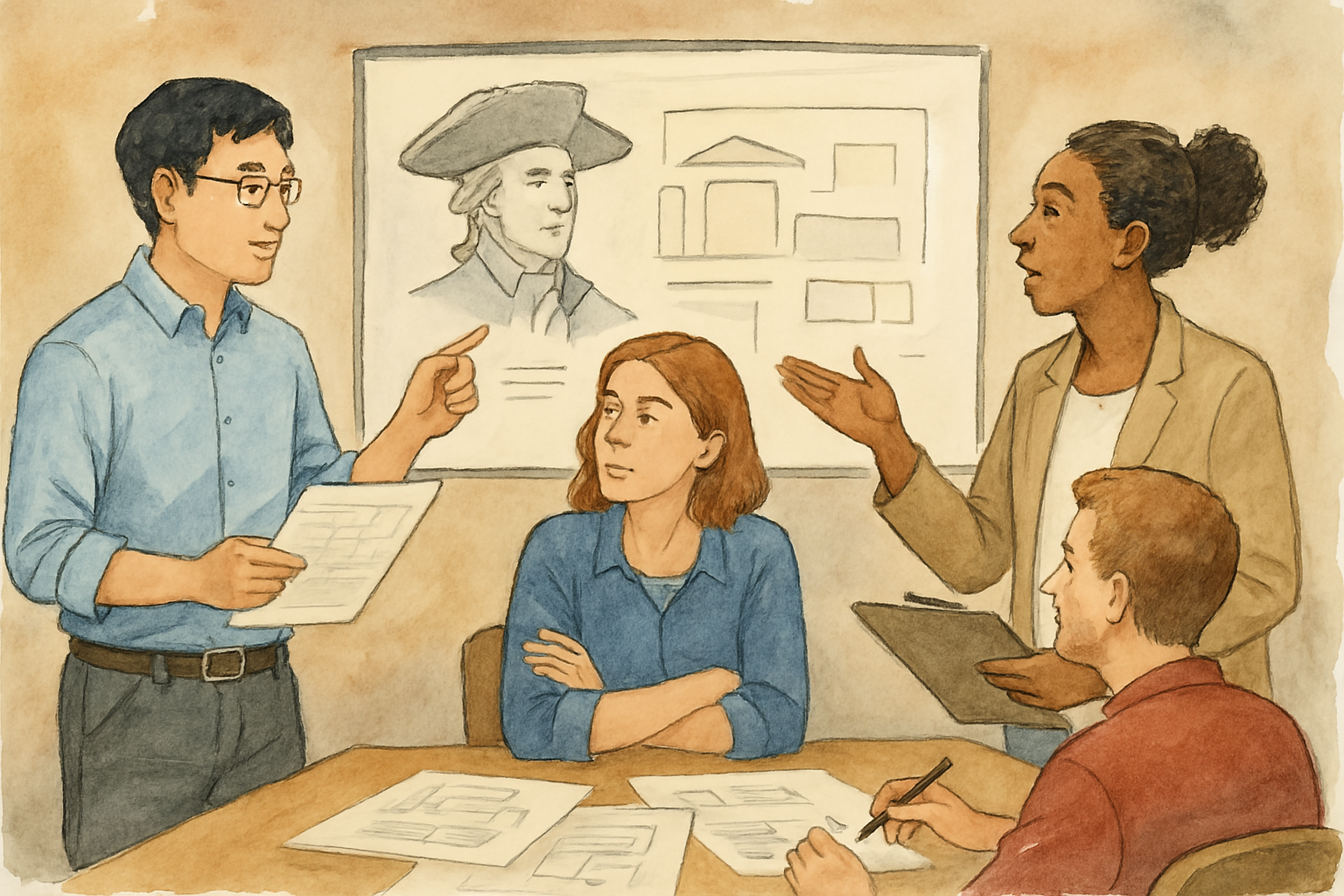
Current approach: Includes honest depictions of slavery and Washington’s complicated legacy.
Potential impact: Decreased focus on the lives of enslaved people; Greater emphasis on Washington’s military victories and presidency; Shift toward a more heroic and simplified narrative

Continue reading

Navigating New Federal Policies: What Executive Orders Mean for History Museums and Historic Sites

Museums are no strangers to navigating shifting policy landscapes, but recent executive orders issued by the White House signal significant changes that will affect funding, interpretation, and educational outreach. Whether you work in a history museum, a historic preservation organization, or a community-based historical society, understanding these policies is crucial for adapting to new challenges and opportunities.

Key Themes Across the Executive Orders

1. A Shift Toward Patriotic and Nationalist Narratives

Executive Orders 14190 (Ending Radical Indoctrination in K–12 Schooling) and 14189 (Celebrating America’s 250th Birthday) prioritize “patriotic education” and reinforce a government-endorsed interpretation of American history. This shift is exemplified by the reestablishment of the 1776 Commission and the creation of Task Force 250, which will oversee programming related to the 250th anniversary of American independence. “Patriotic education” is defined as “the history of America grounded in:

  • (i) an accurate, honest, unifying, inspiring, and ennobling characterization of America’s founding and foundational principles;
  • (ii) a clear examination of how the United States has admirably grown closer to its noble principles throughout its history;
  • (iii) the concept that commitment to America’s aspirations is beneficial and justified; and
  • (iv) the concept that celebration of America’s greatness and history is proper.”

2. The Elimination of Federal DEI and Environmental Justice Programs

Executive Order 14151 (Ending Radical and Wasteful DEI Programs and Preferencing) eliminates all federal support for diversity, equity, and inclusion (DEI) initiatives. This includes the termination of DEI-related grants, plans, contracts, programs, initiatives, training programs, offices, positions, and employment policies within federal agencies, “under whatever name they appear.” Museums that have benefited from federal DEI funding or programs may need to reassess their funding strategies and institutional policies.

3. Renaming and Monument Preservation

Executive Order 14172 (Restoring Names That Honor American Greatness) renames Denali back to Mount McKinley and designates the Gulf of Mexico as the Gulf of America. Additionally, the reinstatement of the National Garden of American Heroes and the protection of existing monuments signal a renewed emphasis on traditional historical figures. Museums may face increased scrutiny when interpreting contested histories, particularly around geographic names and public commemorations.

Continue reading