Tag Archives: England

Designing for Impact: Why Reflection Should Be at the Heart of Your Museum Experience

In today’s fast-moving, attention-fragmented world, museums are under pressure to do more than just deliver content–they need to make it stick. Whether it’s an online program, a guided tour, or an immersive performance, professionals are increasingly asking: How do we create experiences that matter? Three recent studies point to a clear answer: if you want to deepen impact, design for reflection.


Reflection Creates Meaningful Museum Visits

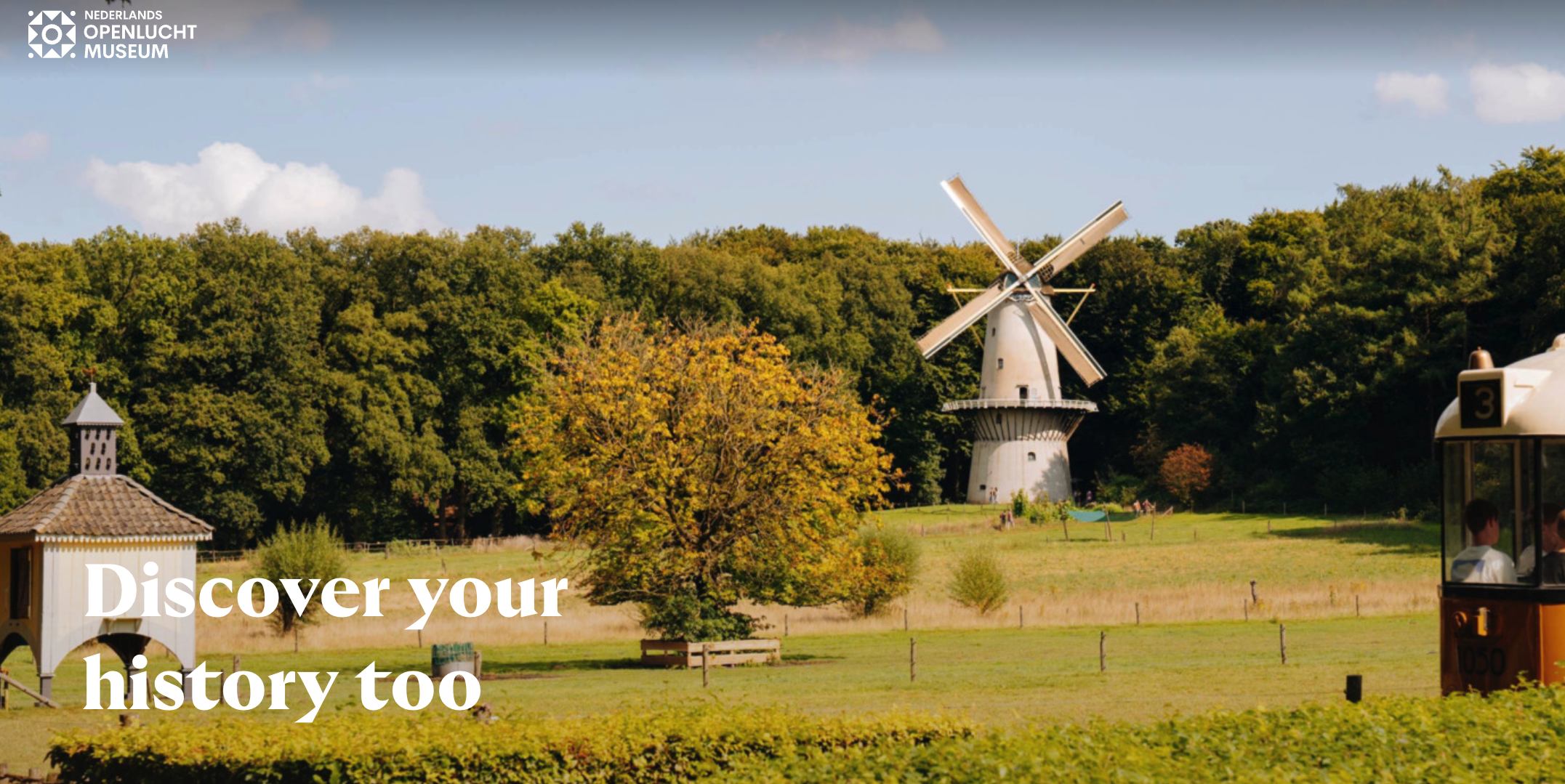
A recent study by Pieter de Rooij and colleagues at the Dutch Open Air Museum in Arnhem investigated what factors contribute to a memorable, meaningful, or transformative museum experience. Using surveys from over 500 visitors, they found that reflection was the strongest predictor of all three outcomes, while sociability and joy had a smaller yet significant effect. Visitors who were prompted to think about new ideas or connect the experience to their own lives were significantly more likely to report lasting impact.

Interestingly, traditional design features—such as beautiful displays, freedom to roam, or relaxing environments—were not strong predictors of impact. While those elements may support comfort and enjoyment, they don’t on their own foster deeper engagement.

Continue reading

Decolonization in London Museums: A Firsthand Look at Progress and Challenges

During my recent visit to several London museums, I was struck by the growing emphasis on decolonization. As a museum professional, I’ve been following this movement for some time, but seeing these efforts firsthand inspired me to reflect on the challenges and progress being made. Some London museums are actively re-examining their collections and narratives, working to address the complex legacies of colonialism in tangible ways, and both Royal Collections and the National Trust have staff members specifically focused on this issue. But others have a long way to go.

If you’re not familiar with decolonization, it’s the process of rethinking and revising interpretations that have historically favored the perspective of a dominant power, such as an imperial empire over a colonized nation (like Great Britain and India). However, decolonization goes beyond the empire-colony dynamic, addressing any situation where one perspective is elevated due to power imbalances. For instance, terms like “prehistory” suggest a time without history, labeling settlers as “pioneers” overlooks the people who were already living in those areas, and describing conquering armies bringing “civilization” implies they were superior to the existing cultures. Words shape our perceptions and carry significant consequences, influencing relationships across race, gender, and other social divides. Decolonization helps us recognize and correct these biases, leading to more inclusive and accurate narratives.

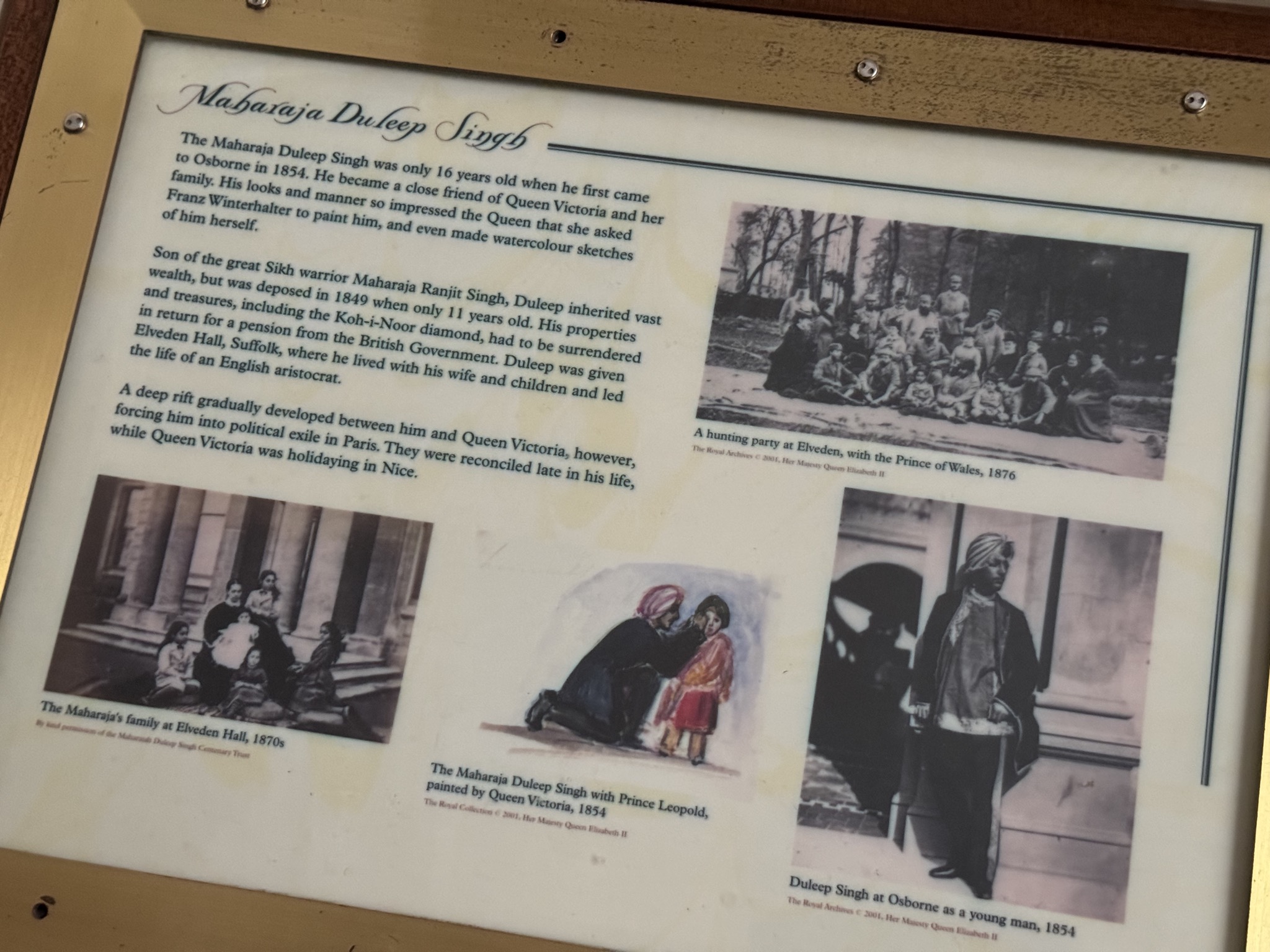
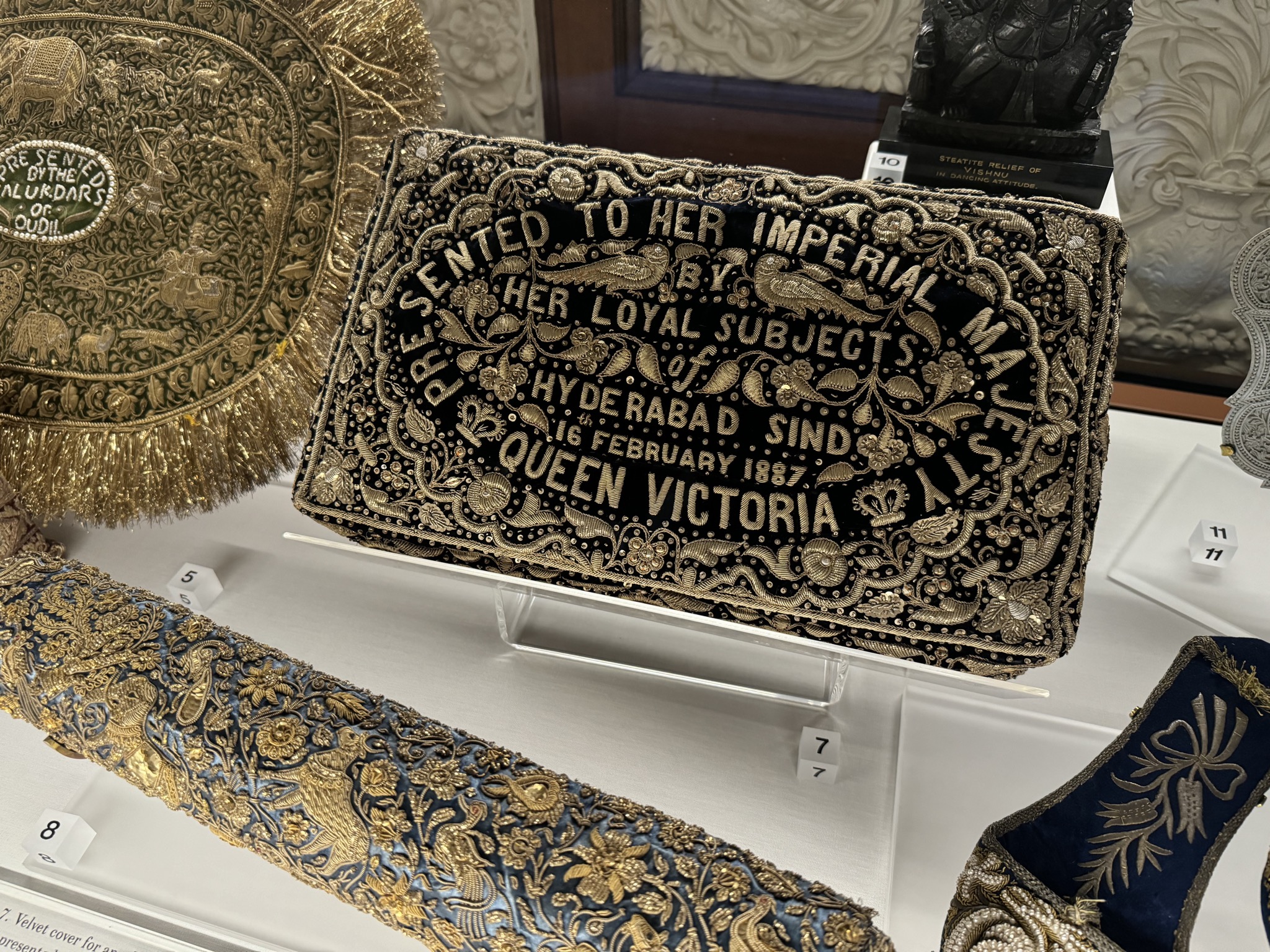
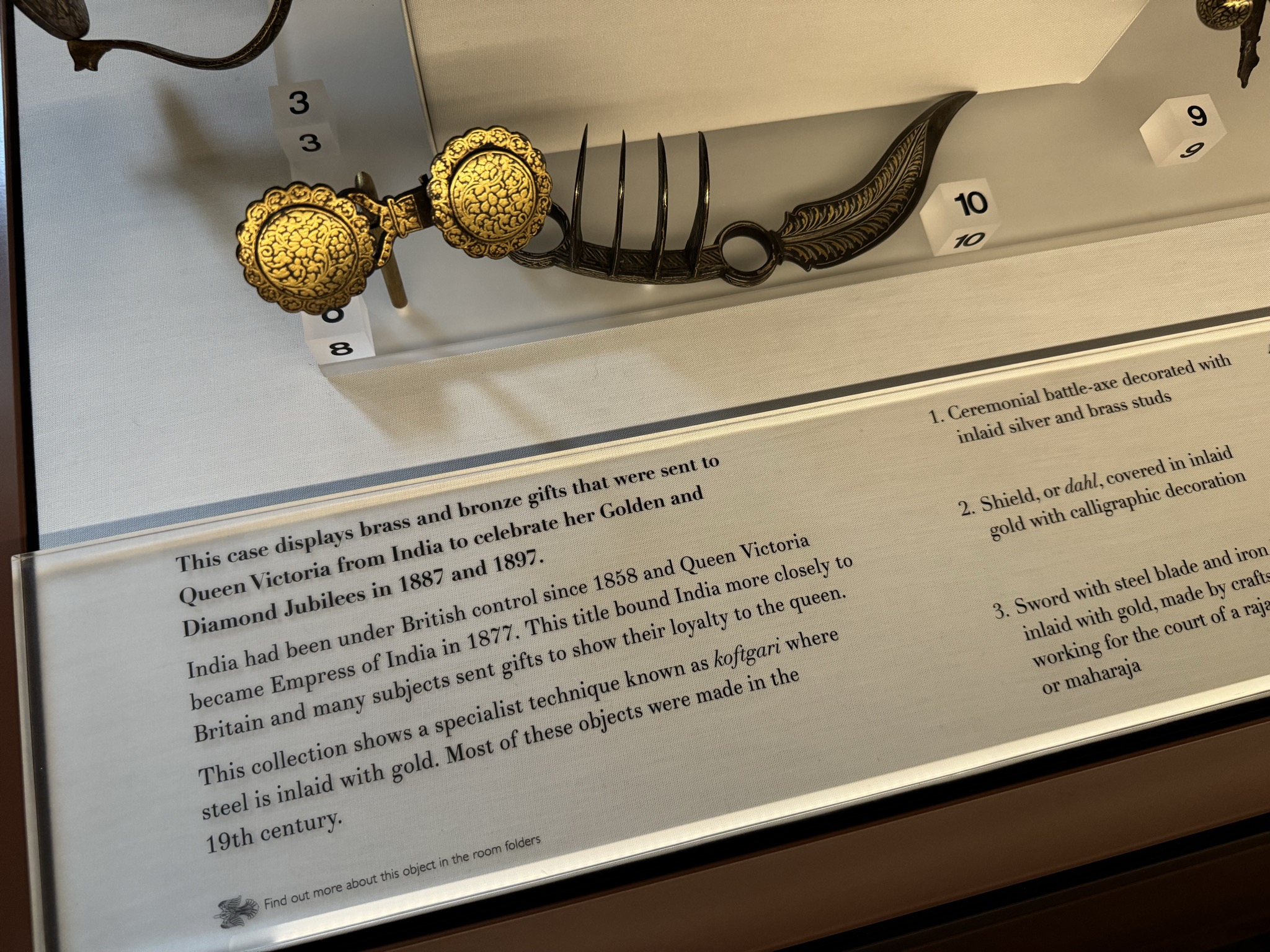
For an example of a museum waiting to undertake a re-examination of its exhibitions, consider Osborne House (operated by English Heritage), the country palace of Queen Victoria and Prince Albert. The displays in and around the Durbar Room discuss Britain’s relationship with India. The exhibitions include a panel about Maharaja Duleep Singh and that “his properties and treasures, including the Koh-i-Noor diamond, had to be surrendered in return for a pension from the British Government” and feature gifts sent from India to Queen Victoria to “show their loyalty to the queen.” The history is far more complex and this exhibition emphasizes only the British perspective and continues a mythology of India’s grateful subservience to the Queen.

1. Re-examining Collections

Many London museums are conducting in-depth reviews of their collections to identify items acquired during the colonial era. This process includes acknowledging the contexts in which objects were collected, often under unequal power dynamics. They are being more transparent about the provenance of key objects but contested ownership isn’t addressed publicly. Some examples:

Continue reading

Kew Palace: Using Tableware as Labels

A table set for dinner at Kew Place in London.

I am currently in England for the Royal Collections Studies, a prestigious 10-day course offered by the Attingham Trust for art historians and museum curators. This immersive program brought together 30 participants from over a dozen countries, including five of us from the United States. Over the past several days, we’ve explored the rich and diverse collections housed in palaces in and around London, delving into the fascinating history of the objects owned and displayed by the royal family since the reign of King Charles I (since much earlier material hasn’t survived).

The course has offered an incredible opportunity to study royal paintings, ceramics, books, sculptures, furniture, and prints. However, beyond just admiring these collections, I’ve been particularly interested in how these historic places are managed and interpreted for visitors.

One especially clever approach was found at Kew Gardens, in the palace of King George III. There, the interpretation of one of the dining rooms used a unique method: the dishes on the table featured modern ceramic plates with text transferred directly onto them. This subtle but effective technique allows visitors to learn about the room without the need for traditional labels or signage, which can sometimes detract from the historic atmosphere. I’ve also seen this idea applied using embroidered tea towels and tablecloths—another way to educate visitors while maintaining the authenticity of the space.

It’s a brilliant balance of education and preservation, and a reminder of how thoughtful interpretation can enhance our understanding of historic places without overwhelming the senses.

Places with quotations to support the interpretation of Kew Palace in London.

Video: Museum of Water at Somerset House

This is a 2:38 amateur video documenting the “Museum of Water,” an unusual “live artwork” by Amy Sharrocks at the historic Somerset House, a new arts and culture center in London.

A melted snowman. Droplets from a baby’s bath. Sacred draughts from an Indian river. Just some of the items donated to London’s newest museum. In the atmospheric underground spaces of Somerset House, Amy Sharrocks invites you to consider our relationship with the most precious liquid the world has to offer.

Video: History Lives in Alnwick Castle

This is a 0:30 television commercial promoting Alnwick Castle in England, which uses the slogan “Where History Lives.”  This historic site continues as the home of the Dukes of Northumberland, so along with tours of the castle and gardens, they offer a very wide range of activities, such as broomstick training (just like Harry Potter), archery (“one of England’s oldest skills”), and a theatrical behind-the-scenes adventure (called “The Lost Cellars”).  Historic sites rarely are able to produce advertising for television, so enjoy this rare treat.

Video: Summer Walk on the British Coast

Summer has arrived and what better time of year to get out and explore the best of British wildlife. Join Fred Rumsey, Botanist at the Natural History Museum in England, as he goes on a coastal walk in search of plants living in extreme conditions at West Wittering Beach in West Sussex.  This is part of a series of videos exploring nature in different seasons.  Can your site be interpreted differently in summer than it can in winter?