
Tag Archives: Period rooms

Swiss Museums in Sixty Seconds: Five Short Tours and a Longer Conversation

After visiting more than fifty museums and historic sites across Switzerland, I returned with far more observations than I could fit into a few blog posts—or a few hundred photographs. My three recent posts examined recurring patterns across Swiss museums: the influence of private collectors on art museums, changing approaches to interpretation at history museums, and the seemingly secondary details—from architectural models to museum stores and accessibility—that profoundly shape the visitor experience.

But words and still photographs can only convey so much. Sometimes you need to see visitors play at a transportation museum, walk through the rooms of a medieval castle, or watch a historic clock come to life. Five short videos offering glimpses of museums and historic sites that particularly interested me. Each YouTube Short lasts less than a minute, but together they illustrate several of the larger questions raised in my earlier posts.
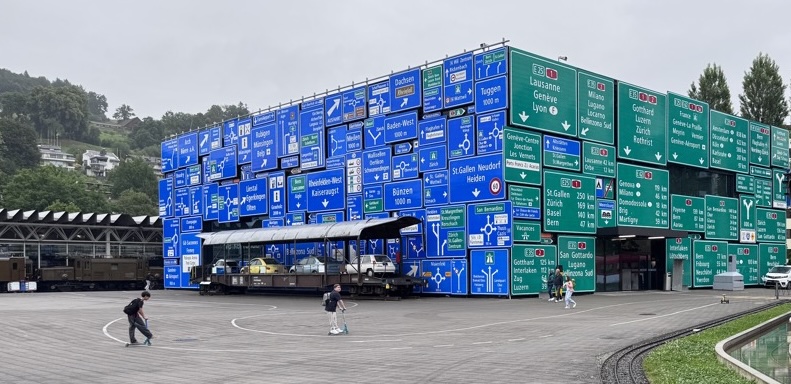
The automotive pavilion at Verkehrshaus is clad in highway signs.

A Museum Designed for Movement

The Verkehrshaus, or Swiss Museum of Transport, in Lucerne is one of Switzerland’s largest and most popular museums. Its campus is divided into separate pavilions devoted to trains, automobiles, planes, ships, and space travel.

Continue reading

Kew Palace: Using Tableware as Labels

A table set for dinner at Kew Place in London.

I am currently in England for the Royal Collections Studies, a prestigious 10-day course offered by the Attingham Trust for art historians and museum curators. This immersive program brought together 30 participants from over a dozen countries, including five of us from the United States. Over the past several days, we’ve explored the rich and diverse collections housed in palaces in and around London, delving into the fascinating history of the objects owned and displayed by the royal family since the reign of King Charles I (since much earlier material hasn’t survived).

The course has offered an incredible opportunity to study royal paintings, ceramics, books, sculptures, furniture, and prints. However, beyond just admiring these collections, I’ve been particularly interested in how these historic places are managed and interpreted for visitors.

One especially clever approach was found at Kew Gardens, in the palace of King George III. There, the interpretation of one of the dining rooms used a unique method: the dishes on the table featured modern ceramic plates with text transferred directly onto them. This subtle but effective technique allows visitors to learn about the room without the need for traditional labels or signage, which can sometimes detract from the historic atmosphere. I’ve also seen this idea applied using embroidered tea towels and tablecloths—another way to educate visitors while maintaining the authenticity of the space.

It’s a brilliant balance of education and preservation, and a reminder of how thoughtful interpretation can enhance our understanding of historic places without overwhelming the senses.

Places with quotations to support the interpretation of Kew Palace in London.