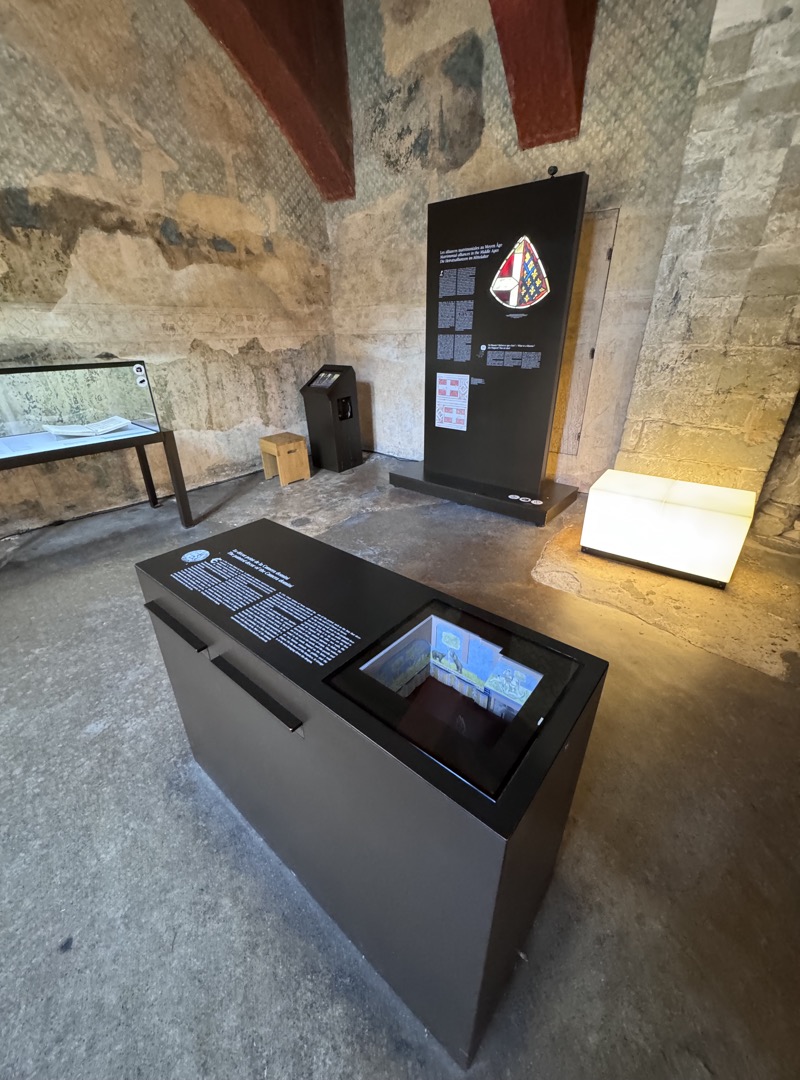
After visiting more than fifty museums and historic sites across Switzerland, I returned with far more observations than I could fit into a few blog posts—or a few hundred photographs. My three recent posts examined recurring patterns across Swiss museums: the influence of private collectors on art museums, changing approaches to interpretation at history museums, and the seemingly secondary details—from architectural models to museum stores and accessibility—that profoundly shape the visitor experience.
But words and still photographs can only convey so much. Sometimes you need to see visitors play at a transportation museum, walk through the rooms of a medieval castle, or watch a historic clock come to life. Five short videos offering glimpses of museums and historic sites that particularly interested me. Each YouTube Short lasts less than a minute, but together they illustrate several of the larger questions raised in my earlier posts.
A Museum Designed for Movement
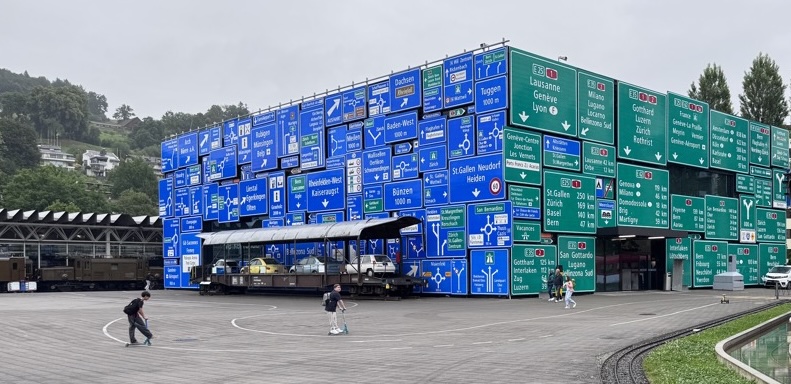
The Verkehrshaus, or Swiss Museum of Transport, in Lucerne is one of Switzerland’s largest and most popular museums. Its campus is divided into separate pavilions devoted to trains, automobiles, planes, ships, and space travel.
Continue reading