Tag Archives: Landesmuseum Zürich

Models, Mementos, and Maddening Stairs: Final Notes from Swiss Museums

Model of a Bronze Age village at the Bern History Museum.

After writing about art museums and history museums in Switzerland, I still had a set of smaller observations that did not quite fit into either post. They are not really small, however. They shaped the visitor experience again and again.

After visiting more than fifty museums and historic sites across Switzerland, I found that some of the most revealing differences appeared not in the major exhibitions, but in the supporting details: models and miniatures, museum stores, souvenirs, and stairs.

These features affect how visitors understand buildings, remember their visits, and physically move through museum spaces. They also reveal how museums think about access, retail, interpretation, and audience needs.

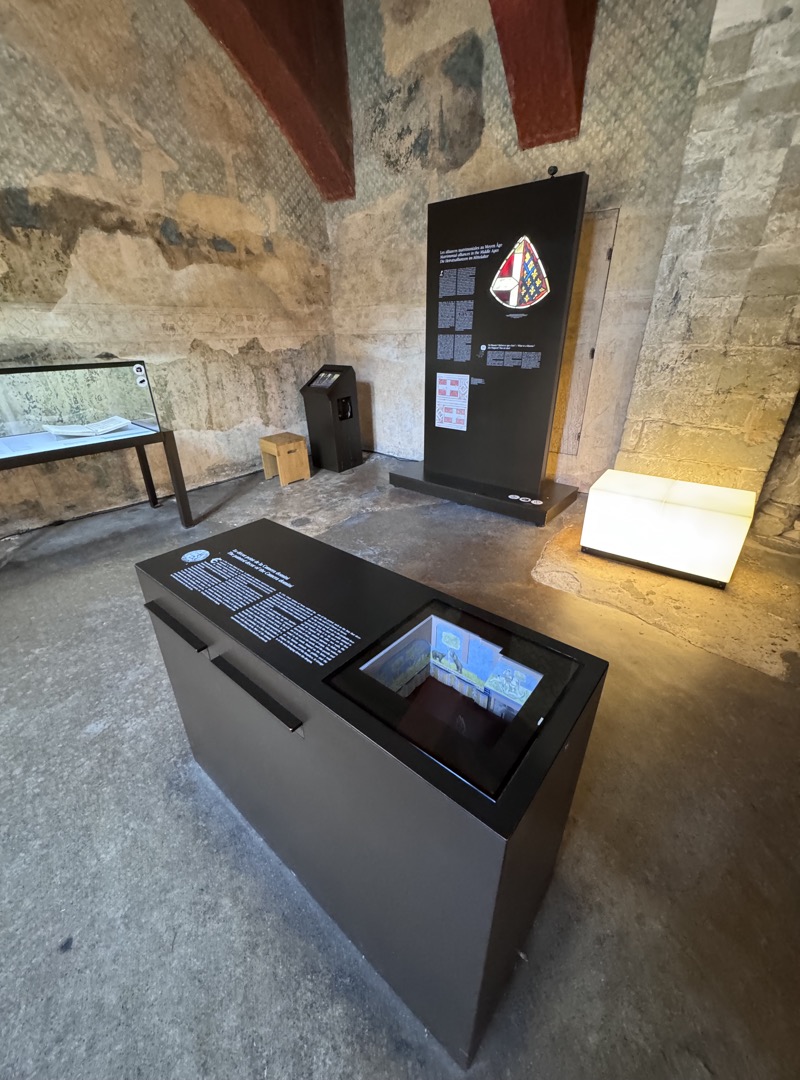
An exhibition at Chillon Castle shows how the unrestored murals would appear in the medieval period.

Models and Miniatures

Swiss museums and historic sites make frequent and effective use of models and miniatures. At their best, these are not decorative add-ons or simplified versions for children. They are interpretive tools that help visitors understand things that are otherwise difficult to see.

At Chillon Castle, a miniature showed how a room would have looked in the medieval period because the murals have faded over time. That is exactly the kind of interpretive problem a model can solve. The historic fabric is still present, but time has made it difficult to perceive. A miniature allows visitors to imagine the original visual effect without repainting, over-restoring, or asking visitors to make sense of nearly invisible evidence on their own.

Continue reading

Beyond Chronology: Interpretation at History Museums in Switzerland

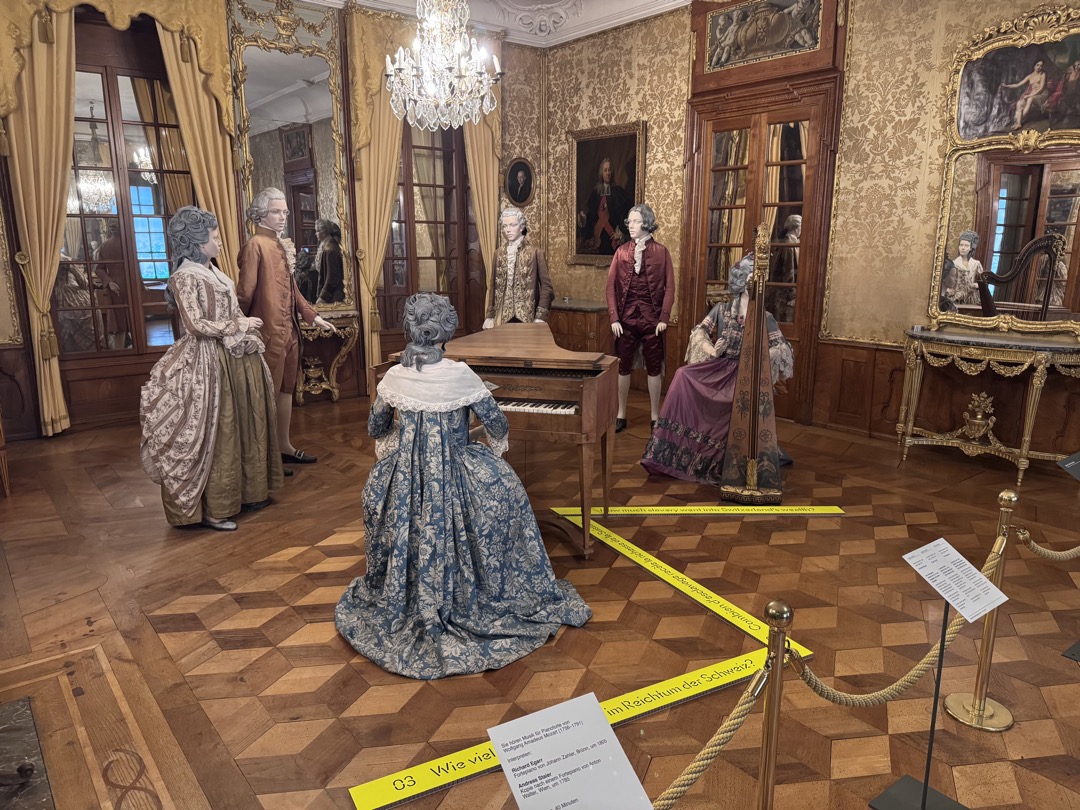
A period room at the Bern History Museum in Switzerland.

We recently returned from a two-week visit to Switzerland, where we visited more than fifty museums and historic sites across the German-, French-, and Italian-speaking regions. In the art museums of German-speaking Switzerland, I noticed a strong tendency to organize galleries around named private collections, or Sammlungen. In the history museums and historic sites, I noticed something different: interpretive practices in transition.

Some sites still rely on familiar approaches: chronological narratives, object identification, and basic descriptions of place. But many museums are clearly rethinking their exhibitions. They are experimenting with new interpretive layers, broader contexts, difficult histories, and more ambitious questions about identity, science, colonialism, and national memory.

The results are uneven, but they are worth attention. Swiss history museums seem to be moving beyond “what happened?” and “what is this object?” toward more complex questions: What systems produced this wealth? How did a person’s life connect to larger social and technological changes? How is national identity constructed? What should be done with inherited installations that no longer speak clearly to visitors?

For museum professionals elsewhere, the Swiss examples offer several useful lessons.

Continue reading