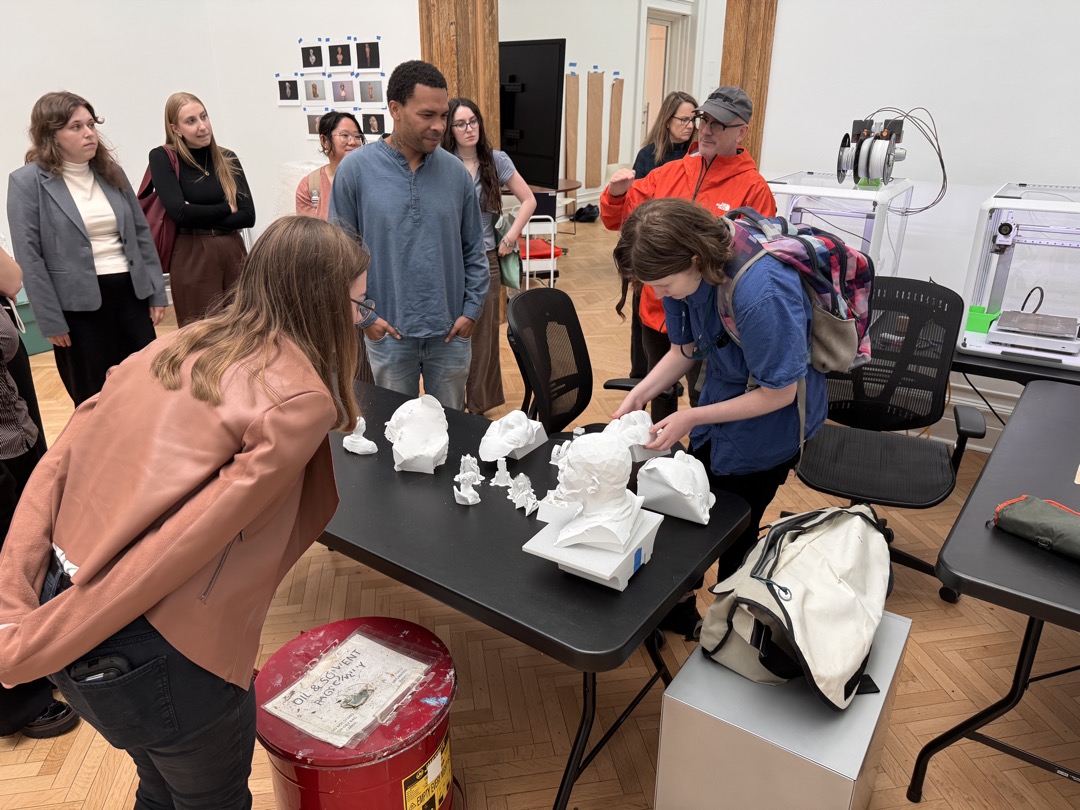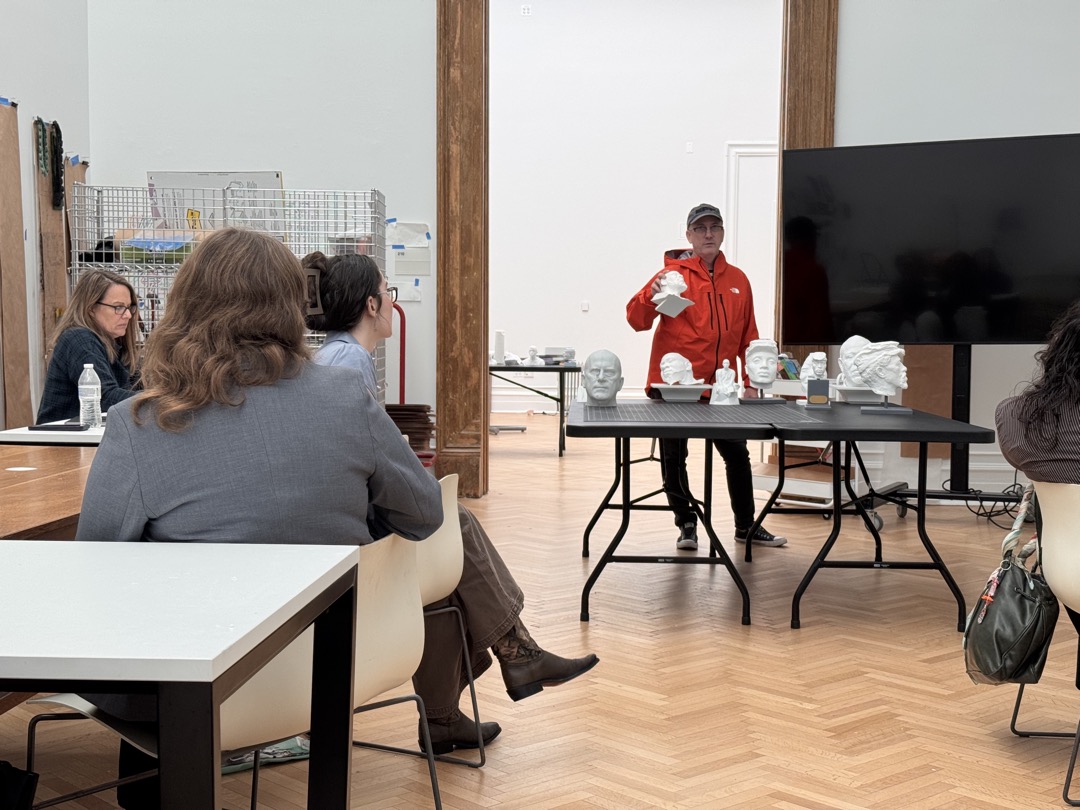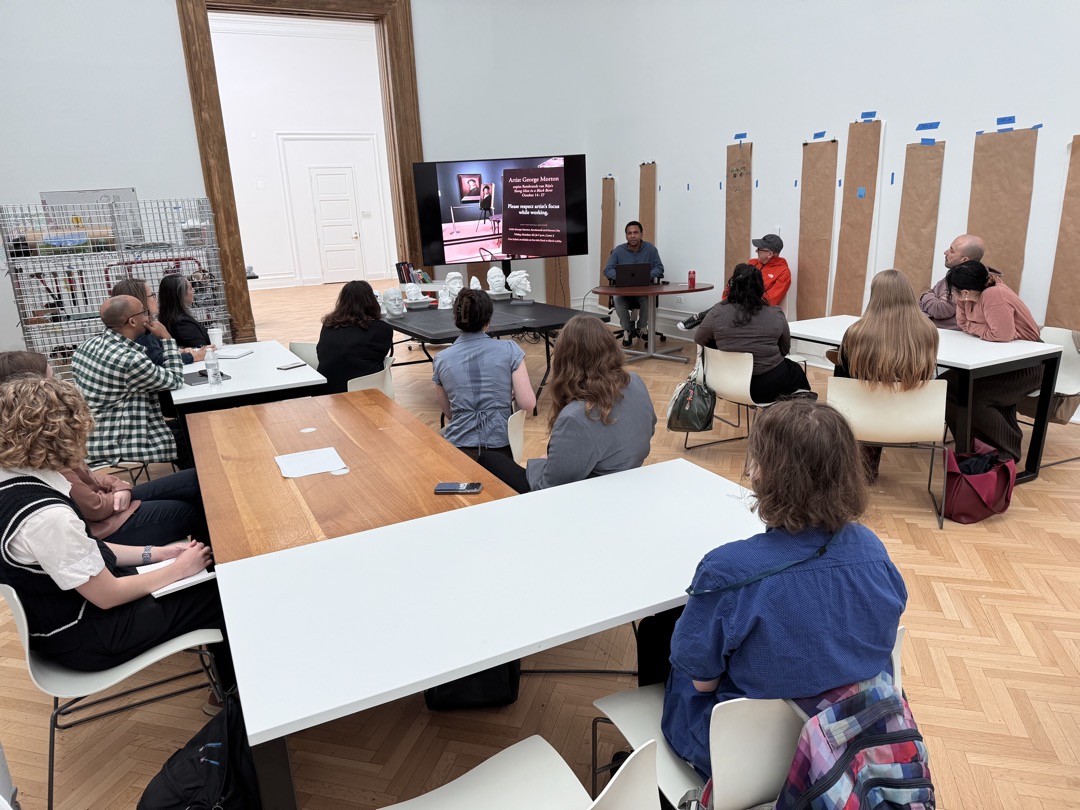
I recently organized a field trip for the Museum Studies Program at George Washington University to take students back into the history of museums and its potential future. We visited the temporary studio of George Morton, an artist in residence at the the National Gallery of Art and Corcoran School of the Arts and Design, who is exploring the use of 3D printing to “activate the collections” and “look at collections anew.”
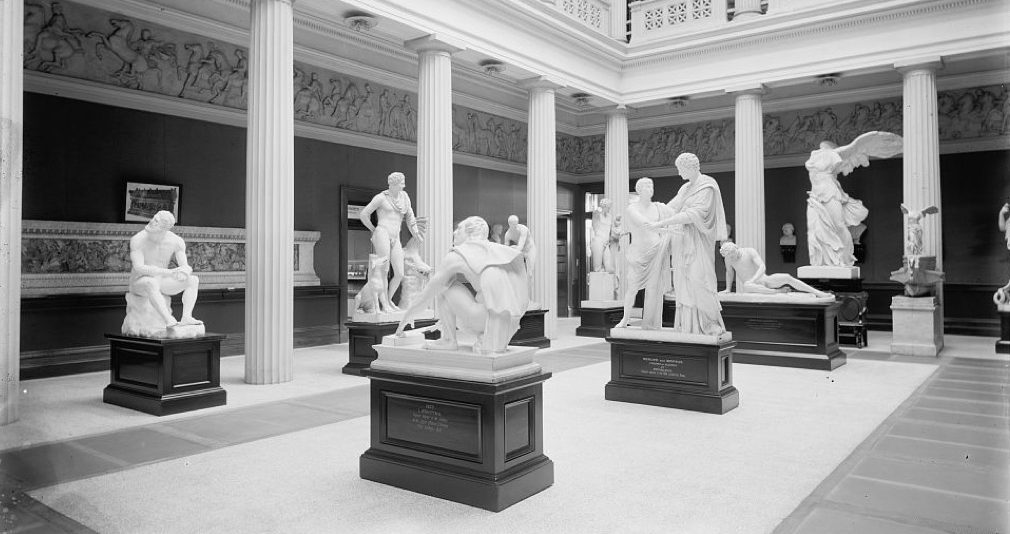
Morton is an accomplished painter who has been investigating the history of cast halls, once a familiar feature of art museums and art schools. During the nineteenth century, institutions purchased plaster casts of important sculptures so that students could study works they might never have an opportunity to see in person. The casts were used to teach drawing, painting, and art history, allowing students to learn by closely observing works by recognized masters.
The Corcoran itself once had an extensive cast collection. Like many such collections, however, it largely disappeared in the early twentieth century as museums and schools increasingly favored original works of art over reproductions. A few major cast collections survive. In the United States, one of the most extensive can be found at the Carnegie Museum of Art in Pittsburgh, while the Victoria and Albert Museum in London preserves two monumental Cast Courts.
Morton is now asking whether 3D scanning and printing might offer a contemporary version of the cast hall.
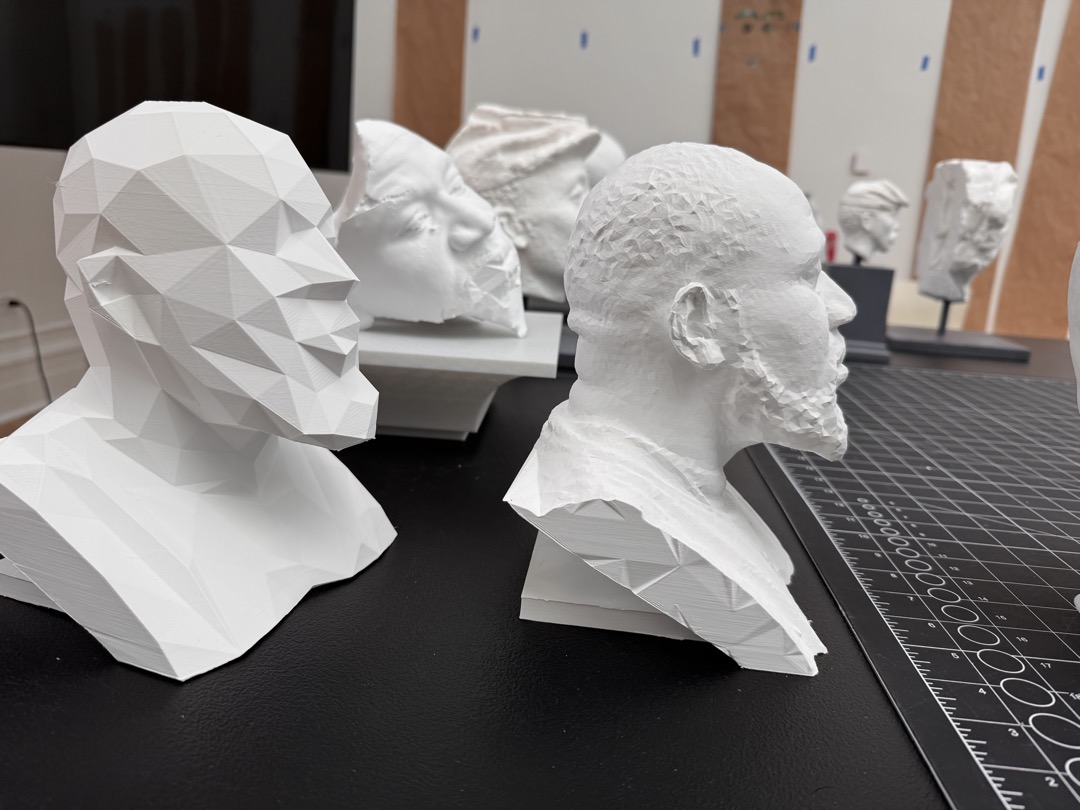
Working with James Huckenpahler, Instructional Lab Coordinator in the Studio Arts Program at the Corcoran School, Morton has been experimenting with 3D scans related to Augustus Saint-Gaudens’s Shaw 54th Regiment Memorial at the National Gallery of Art. Heads and other sculptural studies associated with the monument can be digitally scanned and then printed at different scales, giving students physical objects from which they can draw and study light, shadow, proportion, and form.
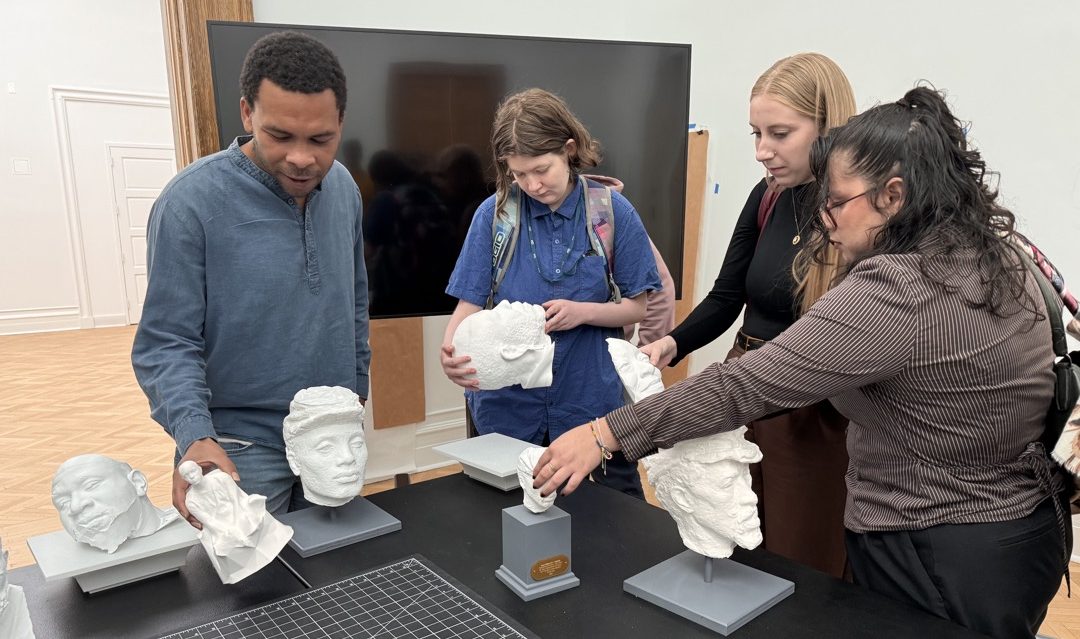
The technology offers some advantages that nineteenth-century art instructors could hardly have imagined. The printed objects are considerably lighter and more durable in handling than plaster casts and can be produced relatively inexpensively. A digital scan can also be reproduced at different sizes and in different places, potentially bringing museum collections into classrooms and communities far beyond the museum itself.
For Morton, however, the project is about more than technological novelty. He is interested in activating museum collections and strengthening observation skills—helping students understand how artists look at the world and encouraging museum visitors to look more closely at works they might otherwise pass by. A three-dimensional reproduction can become another way into the original object.
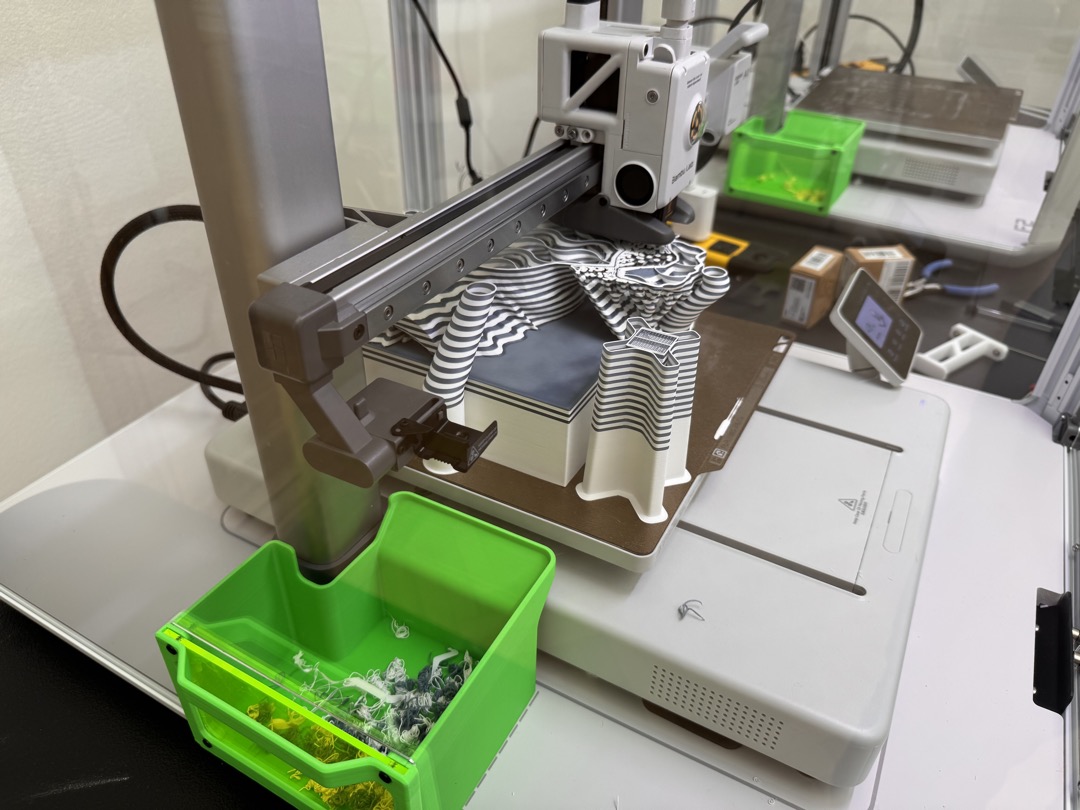
During the field trip, participants saw both the possibilities and the limitations of the technology. They watched a 3D printer in operation and examined successful prints as well as failures that revealed some of the challenges of working in this still-evolving medium.
The material itself also raises interesting questions. The PLA commonly used for this kind of printing is inexpensive and relatively easy to work with, but the objects are not intended to last forever. Morton and Huckenpahler are deliberately interested in materials with less environmental impact rather than simply producing permanent plastic reproductions.
For Museum Studies students, the visit offered a useful intersection of museum history, art education, collections access, interpretation, and emerging technology. The nineteenth-century cast hall was created to overcome a basic problem: students could not travel everywhere to encounter important works of art. Digital scanning and 3D printing address much the same problem with very different tools.
Perhaps the most interesting question raised by Morton’s project is therefore not whether technology can reproduce museum objects. It is what museums might do with those reproductions. Can it go beyond the typical hands-on object? If a 3D print encourages someone to draw, compare, question, touch, observe more carefully, or ultimately return to the original artwork with new eyes, it becomes more than a copy. It becomes a tool for learning—and a new way to bring museum collections to life.