
Category Archives: African American history

Rethinking Historical Significance at Historic Sites: More Than A Person, Event, or Design

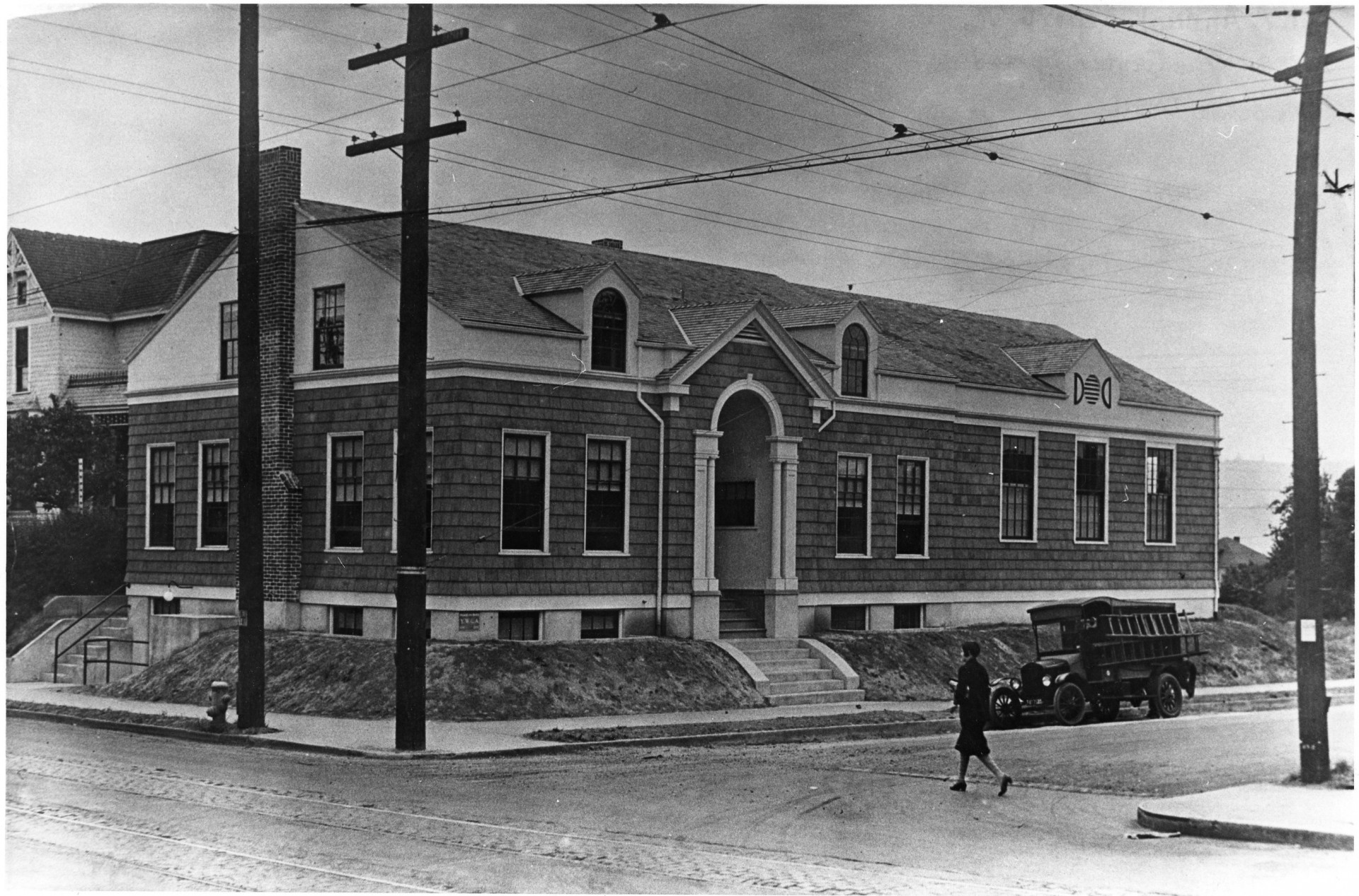
Williams Avenue YWCA Branch building built in 1926. Courtesy of the Oregon Historical Society.

What makes a building important to a community? Sometimes it is place. Sometimes it is architecture. Sometimes it is the famous person who lived there or the event that happened there. But sometimes a building becomes important because people keep using it year after year, generation after generation, to meet the needs of their community. That is what happened at the building now known as the Billy Webb Elks Lodge in Portland, Oregon.

Built in 1926 as the Williams Avenue branch of the YWCA, the building has served Portland’s Black community for a century. During that time, the organizations occupying it and the activities taking place inside have changed repeatedly. But one thing has remained remarkably consistent: Black Portlanders have used the building as a place to gather, organize, advocate, celebrate, and care for one another.

Its story began before the building itself. In 1918, Cynthia A. Jenkins began the effort to establish a YWCA program for Portland’s Black women and girls. A branch finally opened in 1921, at a time when segregation and discrimination limited where Black Portlanders could live, work, socialize, and participate in civic life. Five years later, the YWCA opened a permanent building at Williams Avenue and Tillamook Street in Portland’s Albina neighborhood.

Although operated by the YWCA, the new building was never simply a place for women and girls. It included a gymnasium, auditorium and stage, lounge, and other spaces that allowed it to serve a much broader community. The branch provided programs for men and boys as well as women and girls. Community organizations held meetings. The NAACP gathered there. The building hosted interracial discussions and programs addressing civil rights.

That breadth of activity is important. In a segregated city, having a place to meet was itself significant. Black Portlanders were creating organizations and institutions to serve the needs of their community and the Williams Avenue YWCA became one of those places. Its role continued to evolve as the needs of the community changed.

Continue reading
The Harriet Beecher Stowe Center: What Only A Writer’s House Can Reveal

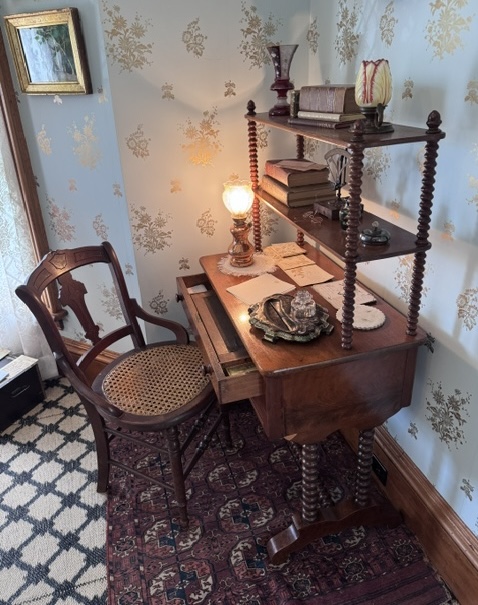
Harriet Beecher Stowe’s writing desk in her Hartford home.

When we visit the home of a famous writer, what are we hoping to discover? The works have already been written. Their biographies have been published. Their letters have been collected. So what can walking through the rooms where they lived add to our understanding?

Those questions were on my mind as I visited the Harriet Beecher Stowe Center in Hartford, Connecticut. The Center asks visitors to look beyond Uncle Tom’s Cabin and consider how Harriet Beecher Stowe became one of the nineteenth century’s most influential antislavery writers. It is an ambitious interpretive approach, one that emphasizes the firsthand accounts of enslaved and formerly enslaved people, abolitionist networks, and the many individuals whose experiences, testimony, and activism shaped Stowe’s writing.

As I reflected on the tour afterward, however, I found myself asking a different question: What can a historic house contribute to this story that no biography, lecture, or documentary can?

Continue reading

Walking Through Two Eras at the Harriet Beecher Stowe House

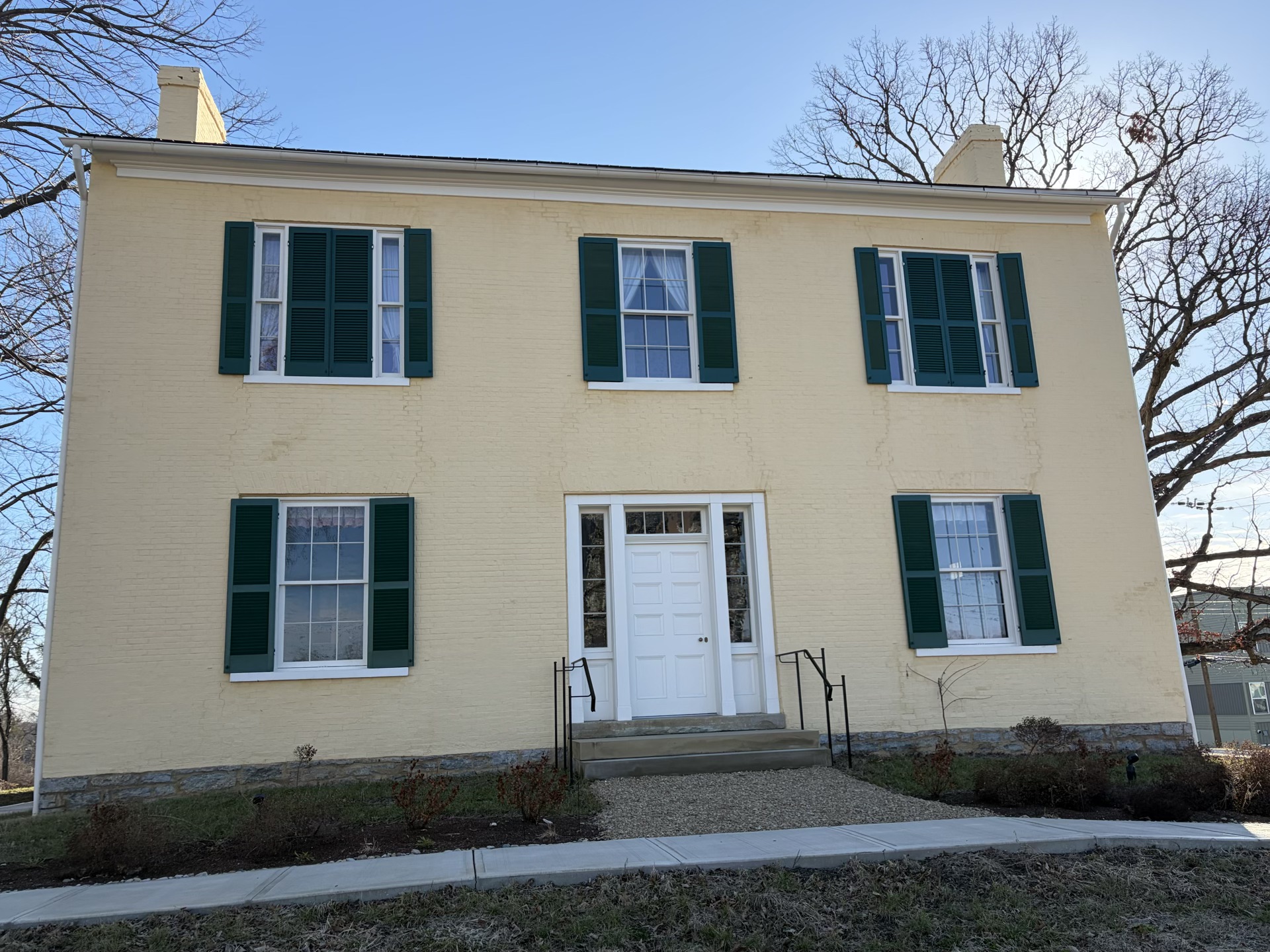
The Harriet Beecher Stowe House in Cincinnati, Ohio, following completion of its 2 Era Restoration. The project interprets both the Beecher family residence and the later Edgemont Inn period, revealing the building’s evolving role in the community across generations.

When I visited the Harriet Beecher Stowe House in Cincinnati, Ohio this February, I expected to learn more about Harriet Beecher Stowe’s years in the city and how her experiences there influenced the writing of Uncle Tom’s Cabin. What I did not expect was to come away thinking as much about the building itself as the woman who once lived there.

The Harriet Beecher Stowe House recently completed what it calls a two-era restoration, interpreting both the Beecher family period (1840) and the later Edgemont Inn period (1940). At first, I wondered whether trying to tell two stories in one house might feel confusing. Instead, I found it to be one of the project’s greatest strengths.

The tour begins with Harriet Beecher Stowe, her family, and the Cincinnati she encountered in the 1830s and 1840s. Visitors learn about Lane Seminary, debates over slavery, the city’s free Black community, and the experiences that shaped Stowe’s understanding of freedom and injustice. These stories unfold in rooms restored to the Beecher era, allowing visitors to imagine the world she experienced as a young wife, mother, and writer living in Cincinnati.

What impressed me most, however, was how the restoration itself became part of the interpretation.

Continue reading