
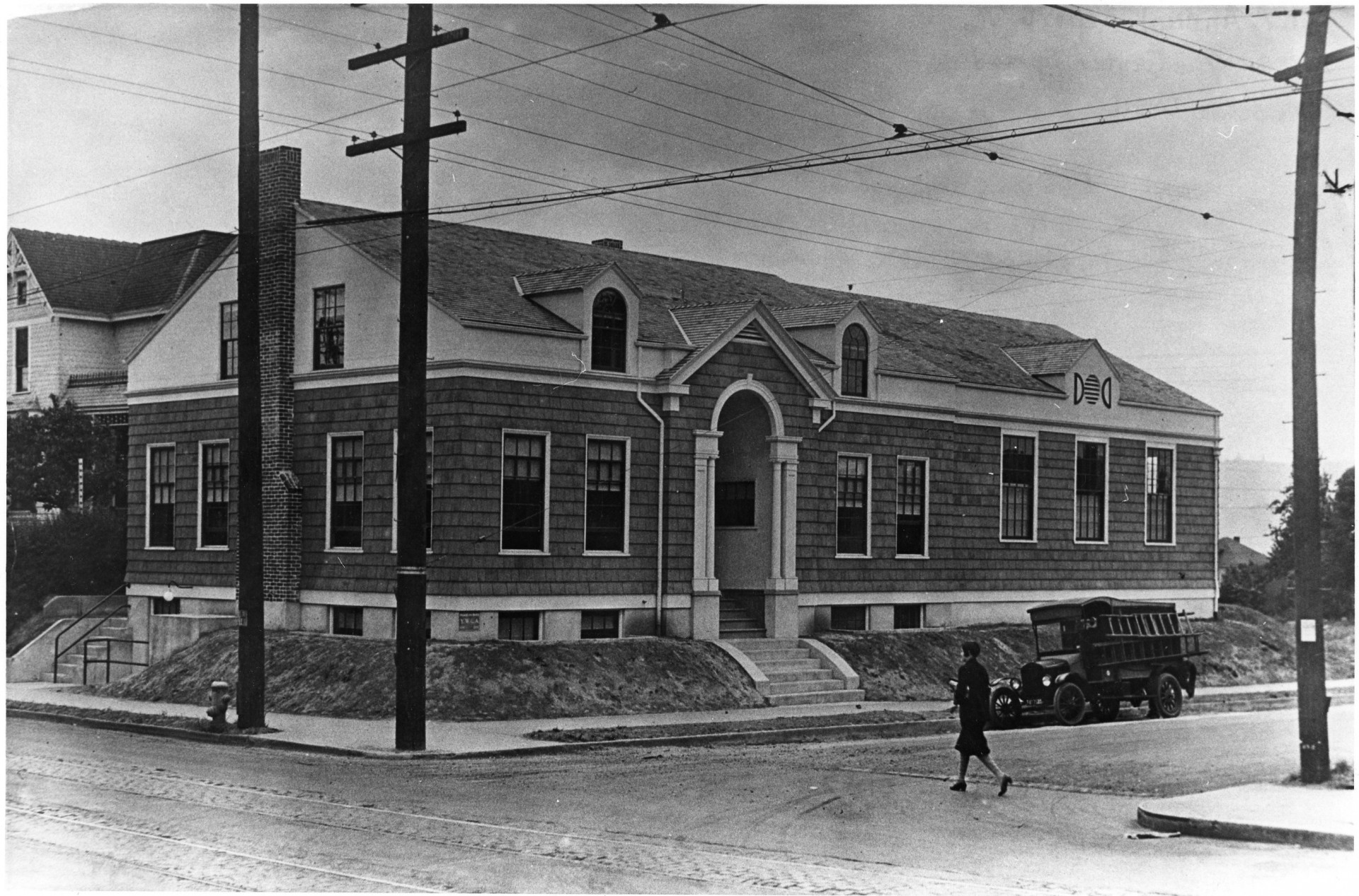
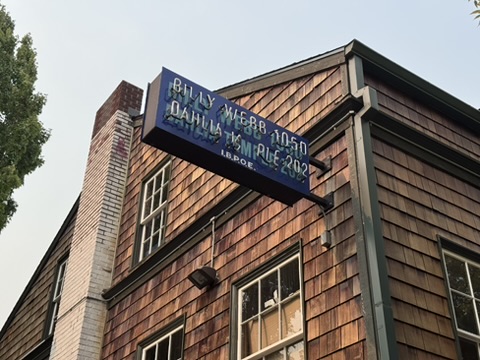
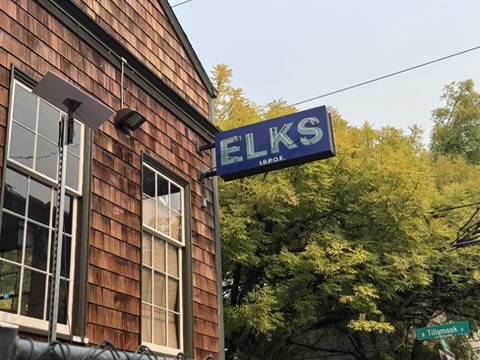
What makes a building important to a community? Sometimes it is place. Sometimes it is architecture. Sometimes it is the famous person who lived there or the event that happened there. But sometimes a building becomes important because people keep using it year after year, generation after generation, to meet the needs of their community. That is what happened at the building now known as the Billy Webb Elks Lodge in Portland, Oregon.
Built in 1926 as the Williams Avenue branch of the YWCA, the building has served Portland’s Black community for a century. During that time, the organizations occupying it and the activities taking place inside have changed repeatedly. But one thing has remained remarkably consistent: Black Portlanders have used the building as a place to gather, organize, advocate, celebrate, and care for one another.
Its story began before the building itself. In 1918, Cynthia A. Jenkins began the effort to establish a YWCA program for Portland’s Black women and girls. A branch finally opened in 1921, at a time when segregation and discrimination limited where Black Portlanders could live, work, socialize, and participate in civic life. Five years later, the YWCA opened a permanent building at Williams Avenue and Tillamook Street in Portland’s Albina neighborhood.
Although operated by the YWCA, the new building was never simply a place for women and girls. It included a gymnasium, auditorium and stage, lounge, and other spaces that allowed it to serve a much broader community. The branch provided programs for men and boys as well as women and girls. Community organizations held meetings. The NAACP gathered there. The building hosted interracial discussions and programs addressing civil rights.
That breadth of activity is important. In a segregated city, having a place to meet was itself significant. Black Portlanders were creating organizations and institutions to serve the needs of their community and the Williams Avenue YWCA became one of those places. Its role continued to evolve as the needs of the community changed.
During World War II, from 1942 to 1945, the building became a USO center serving African American servicemen. Thousands of servicemen passed through each month, finding recreation, entertainment, companionship, and hospitality in a city where segregation restricted the places they could go. Local Black women played an important role in staffing programs and welcoming the men.
Then came the Vanport Flood. On May 30, 1948, floodwaters displaced thousands of residents, including many African Americans who had come to work in the shipyards during World War II. Once again, the Williams Avenue building responded. It became a relief center, providing temporary lodging and serving hundreds of meals each day. It also became a place where people separated by the disaster could seek information and reconnect with family members.
After these two major events, the building returned to everyday community life, but “everyday” hardly meant insignificant. During the 1950s, a wide range of organizations passed through its doors. The NAACP met there, as did the Urban League, the Oregon Association of Colored Women, the Congress of Racial Equality, unions, churches, clubs, and other civic and social organizations. In 1955 alone, records document 102 meetings attended by 4,649 people.
Those numbers suggest another way of understanding the building. Its history is not simply the story of the YWCA. It is the collective history of the people and organizations that used the space over time.
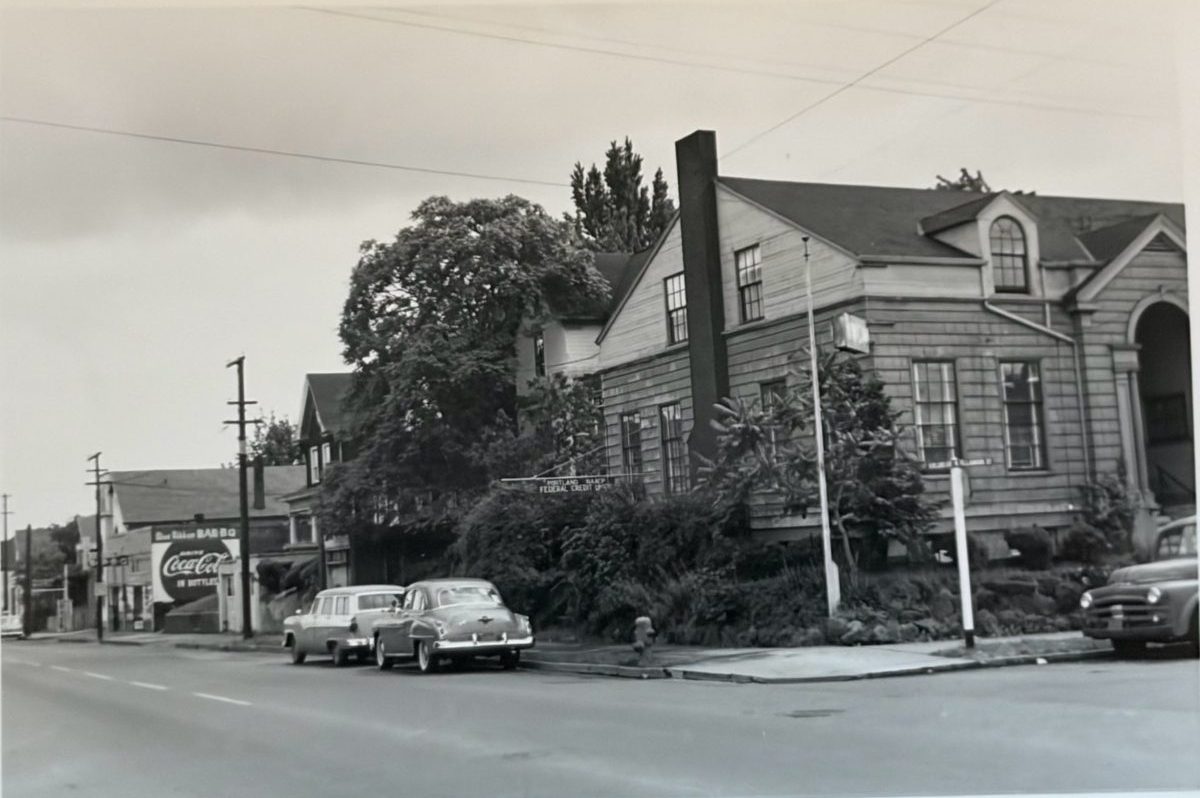
In 1959-1960, another chapter began when the YWCA sold the building to the Billy Webb Elks Lodge, part of the Improved Benevolent and Protective Order of Elks of the World, a Black fraternal organization. The name on the building changed, but its relationship to the Black community did not. That continuity is central to understanding its significance.
While the building remained a center of Black community life, the surrounding neighborhood changed dramatically.Urban renewal, highway construction, institutional expansion, and later gentrification displaced much of Portland’s historic Black population and erased many of the businesses, homes, and gathering places that once defined the Williams Avenue area. The building survived. And it remained in Black hands.
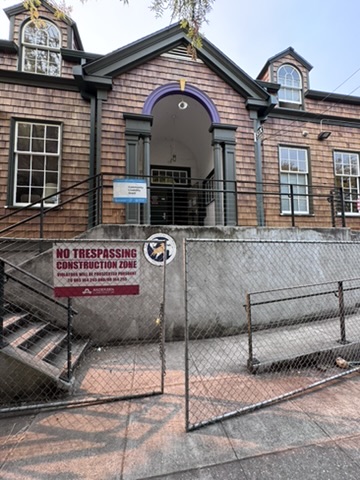
Today, the Billy Webb Elks Lodge is more than a surviving historic building. It is a physical link to a Black community whose historic landscape has been profoundly altered. Its significance rests not in any single event or period, but in the accumulation of nearly a century of community use.
That is what I find so compelling about this place. We often preserve buildings because of a single important event or association. The Williams Avenue YWCA/Billy Webb Elks Lodge suggests another way of thinking about significance. A place can matter because a community has repeatedly made it useful.
For a century, people have walked through these doors because they needed a place to meet, organize, learn, celebrate, find assistance, or simply be together. Different generations faced different challenges and created different organizations to address them. The building gave them somewhere to do that work.
Perhaps that is its greatest legacy. The Williams Avenue YWCA was built to serve Portland’s Black community. A century later, as the Billy Webb Elks Lodge, it still does.
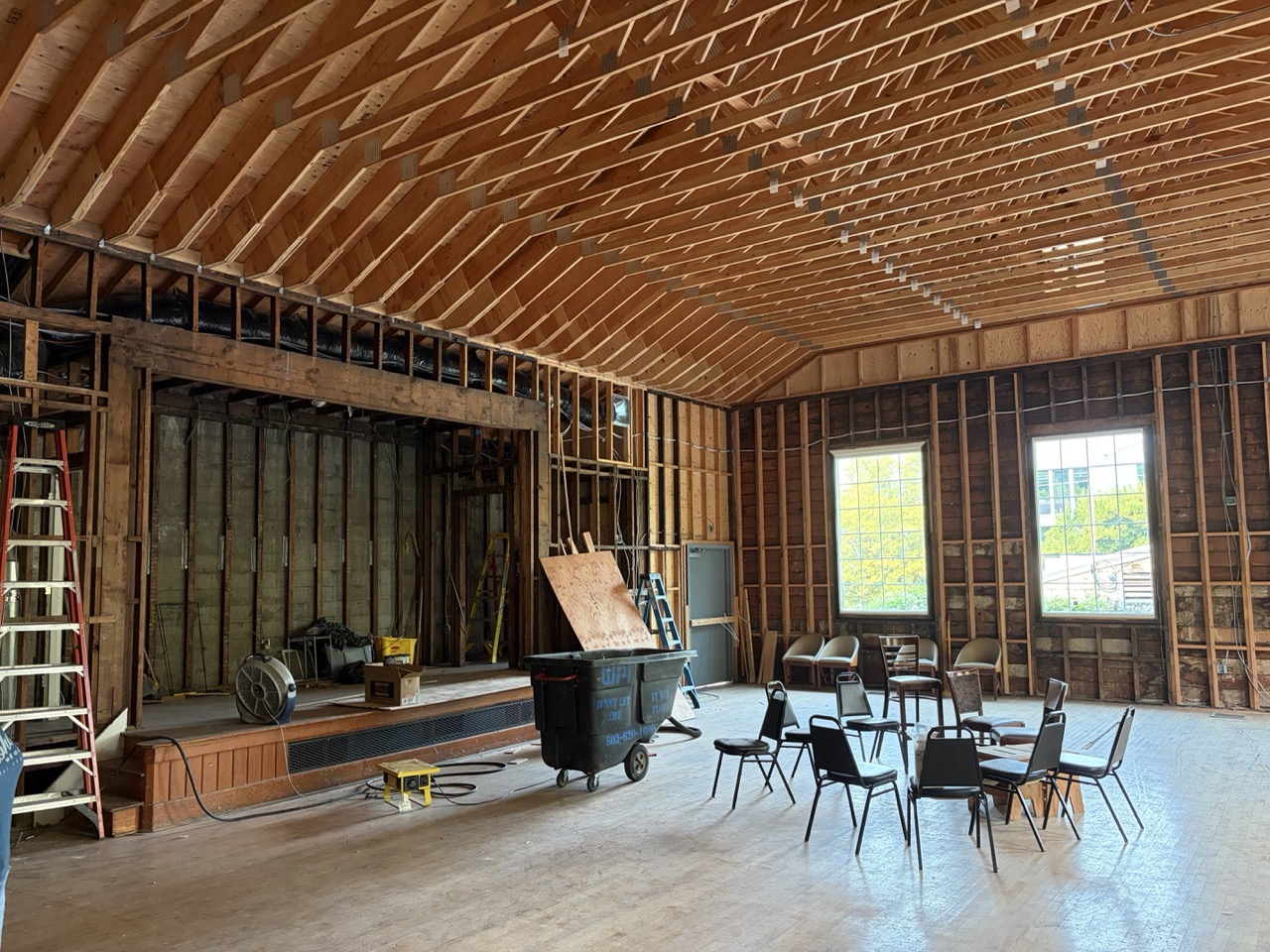
Engaging Places is currently part of a consulting team working with the Billy Webb Elks Lodge to develop the historical and programmatic framework for its next chapter as a living center of community life. Working on this project has given us the opportunity to explore the history of this remarkable place as it prepares to celebrate its 100th anniversary in 2026.


As historians working in historic preservation this should be a no-brainer. We placed the Union Missionary Baptist Church on our local register for similar reasons and are looking at now doing National Register.
What you described is historically significant for what it represents for the community. And there is also the possibility of listing it as a traditional cultural property for the African-American community there.
LikeLike