
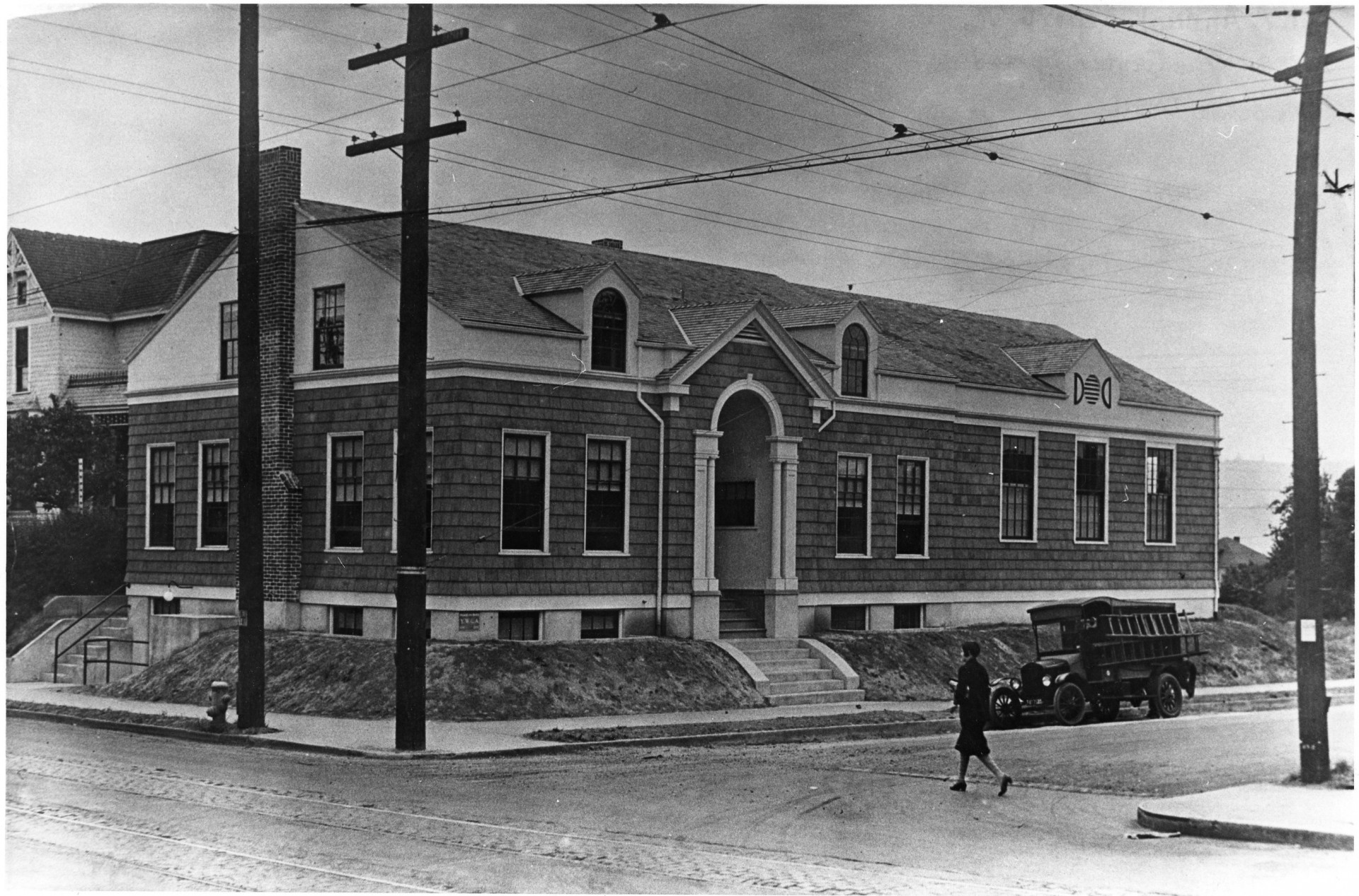
What makes a building important to a community? Sometimes it is place. Sometimes it is architecture. Sometimes it is the famous person who lived there or the event that happened there. But sometimes a building becomes important because people keep using it year after year, generation after generation, to meet the needs of their community. That is what happened at the building now known as the Billy Webb Elks Lodge in Portland, Oregon.
Built in 1926 as the Williams Avenue branch of the YWCA, the building has served Portland’s Black community for a century. During that time, the organizations occupying it and the activities taking place inside have changed repeatedly. But one thing has remained remarkably consistent: Black Portlanders have used the building as a place to gather, organize, advocate, celebrate, and care for one another.
Its story began before the building itself. In 1918, Cynthia A. Jenkins began the effort to establish a YWCA program for Portland’s Black women and girls. A branch finally opened in 1921, at a time when segregation and discrimination limited where Black Portlanders could live, work, socialize, and participate in civic life. Five years later, the YWCA opened a permanent building at Williams Avenue and Tillamook Street in Portland’s Albina neighborhood.
Although operated by the YWCA, the new building was never simply a place for women and girls. It included a gymnasium, auditorium and stage, lounge, and other spaces that allowed it to serve a much broader community. The branch provided programs for men and boys as well as women and girls. Community organizations held meetings. The NAACP gathered there. The building hosted interracial discussions and programs addressing civil rights.
That breadth of activity is important. In a segregated city, having a place to meet was itself significant. Black Portlanders were creating organizations and institutions to serve the needs of their community and the Williams Avenue YWCA became one of those places. Its role continued to evolve as the needs of the community changed.
Continue reading
