I’ll be in Providence, Rhode Island, September 16–19 for the 2026 joint annual meeting of the American Association for State and Local History and the National Council on Public History. This year’s theme, The Work of Revolution, seems particularly apt at a moment when museums and public history organizations are reconsidering how we work, whom we serve, and how we sustain public trust.
I’ll be participating in several conversations during the conference, and I hope you’ll join me for one—or find me in the halls and say hello.
Wednesday, September 16, 5:30 p.m. — History Leadership Institute Reception
I’ll start the conference at the History Leadership Institute reception. If you’re curious about HLI, thinking about applying, or are one of its graduates, please join us. The reception is an opportunity to meet alumni, facilitators, current participants, and others interested in leadership in the history field.
HLI has long been one of the profession’s most distinctive opportunities to step away from day-to-day responsibilities and think more broadly about leadership, organizations, and the future of our field. I’m always glad to talk with people considering whether it might be right for them.
Thursday, September 17, 8:30 a.m. — Love the Mission, Fix the Job: Rethinking Museum Work
Thursday morning I’ll be part of a facilitated discussion about museum workplace culture. Debates about museum work have flourished online and through worker-led movements, while our formal professional literature has often struggled to keep pace.
This session brings together contributors to the American Alliance of Museums’ publication Transforming Museum Workplace Cultures (available April 2027) to connect the experiences of museum workers with the perspectives of managers, administrators, and other thought leaders. Rather than stopping with critiques of museum employment, we’ll be asking how institutions can translate those concerns into changes in organizational practice.
For anyone managing museums—or wondering whether a career in museums can be made more sustainable—this should be an especially useful conversation.
Thursday, September 17, 12:15 p.m. — Dine-Around: Community Engagement Successes
At lunch, Ken Turino (Museum Search and Reference) and I will host a small dine-around conversation on community engagement at the Providence Art Club. We’ll have room for eight people and participants are responsible for the cost of their own lunch.
Ken and I are developing a book on community engagement for AASLH’s Practical Guides series, so we are particularly interested in hearing what colleagues are seeing in the field: What makes community engagement genuinely successful? Where has it fallen short? Which museums and historic sites are building meaningful, sustained relationships with their communities? What ideas, frameworks, and case studies should the field know about?
Dine-arounds are small, topic-focused conversations, with onsite sign-up on a first-come, first-served basis. Sign up at the registration area in the Convention Center if you’d like to join us.
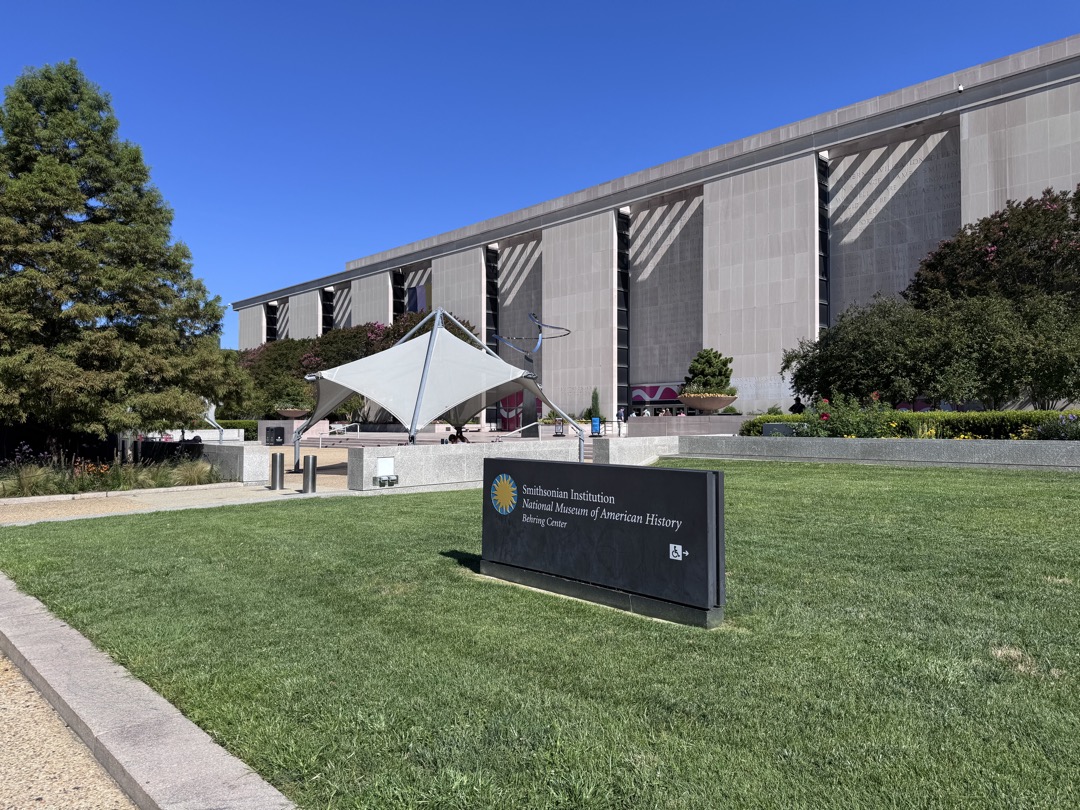
Friday, September 18, 8:30–9:45 a.m. — Who Decides How We Tell American History?
On Friday morning I’ll facilitate a late-breaking discussion prompted by the controversy surrounding the Smithsonian’s National Museum of American History.
The Smithsonian provides a starting point, but I hope the conversation will reach much further. Who decides how American history is interpreted? What is public history for? What responsibilities do historians and museums have to scholarship, their governing bodies, their communities, and the broader public? We’ll consider interpretation, professional independence, governance, public trust, and the challenges facing state and local history organizations as political scrutiny of historical interpretation increases.
I’m particularly interested in moving beyond discussion of the Smithsonian itself to ask what these developments mean for the thousands of museums, historic sites, historical societies, government agencies, and public historians working at the state and local level. What should we be learning from this moment, and how should the field respond?
Saturday, September 19, 9:00 a.m. — Strengthening Public Knowledge: Doing History on Wikipedia
I’ll close out my conference participation Saturday morning with a conversation about the History & Democracy partnership between Wiki Education and AASLH and its recent America 250 courses.
Wikipedia plays an enormous role in shaping what the public encounters when it searches for historical information. We’ll explore how historians can improve Wikipedia’s historical content and, in doing so, reach an audience of millions. Our discussion will look at how a partnership like this operates at scale and what happens when historians actually begin contributing their expertise to Wikipedia. I’ll be talking about the practical side of that work—how participating in the AASLH courses translates into changes on Wikipedia and, ultimately, into better historical information for the public.
Taken together, my sessions in Providence happen to touch on several questions I’ve been thinking about a great deal lately: How do we create healthier museums? How do we build more meaningful relationships with communities? Who has authority over historical interpretation? And how can historians extend their work beyond our institutions to reach much larger publics?
If you’ll be at AASLH/NCPH, I hope our paths cross. And if one of these conversations interests you, please come join in.

