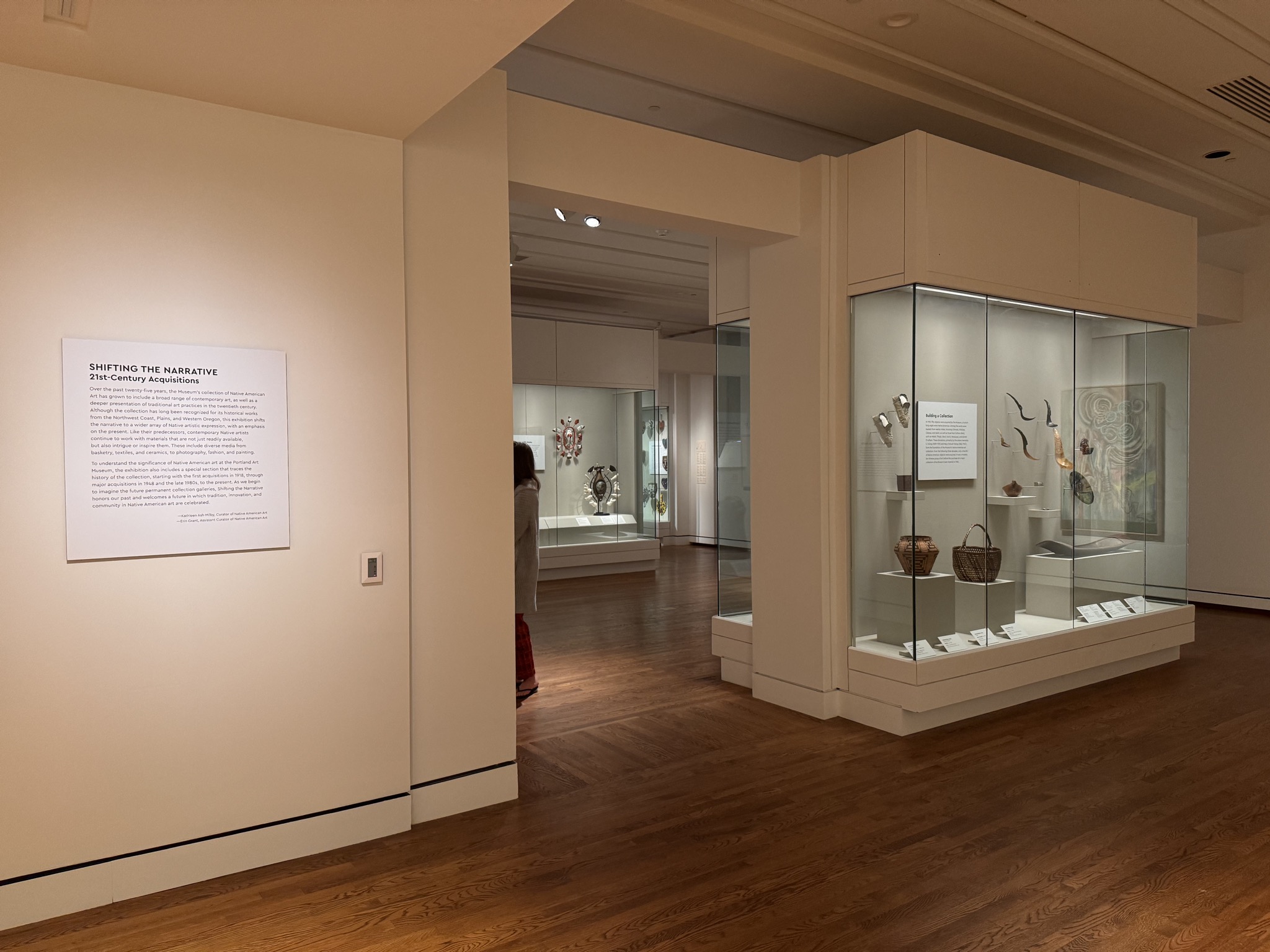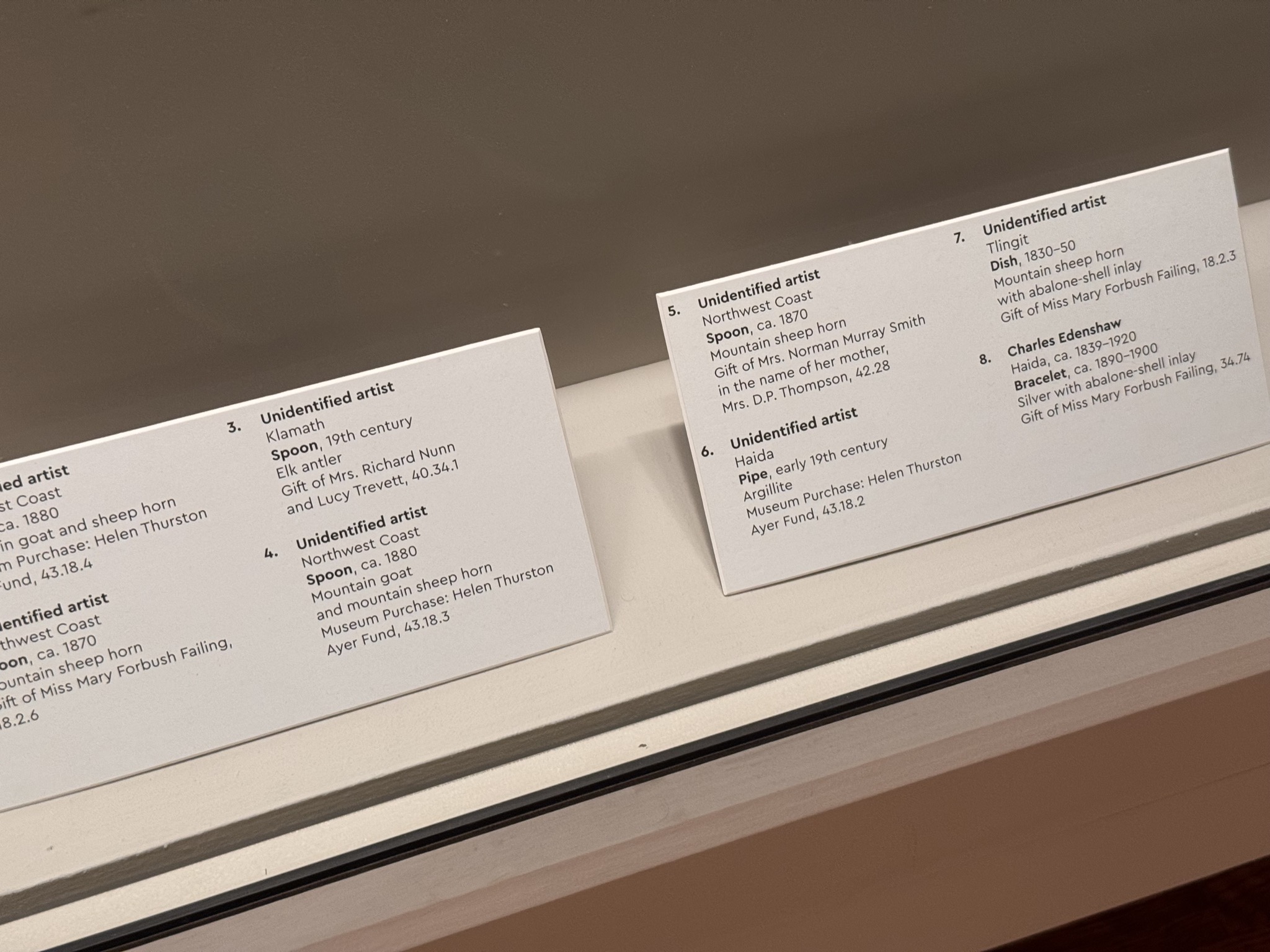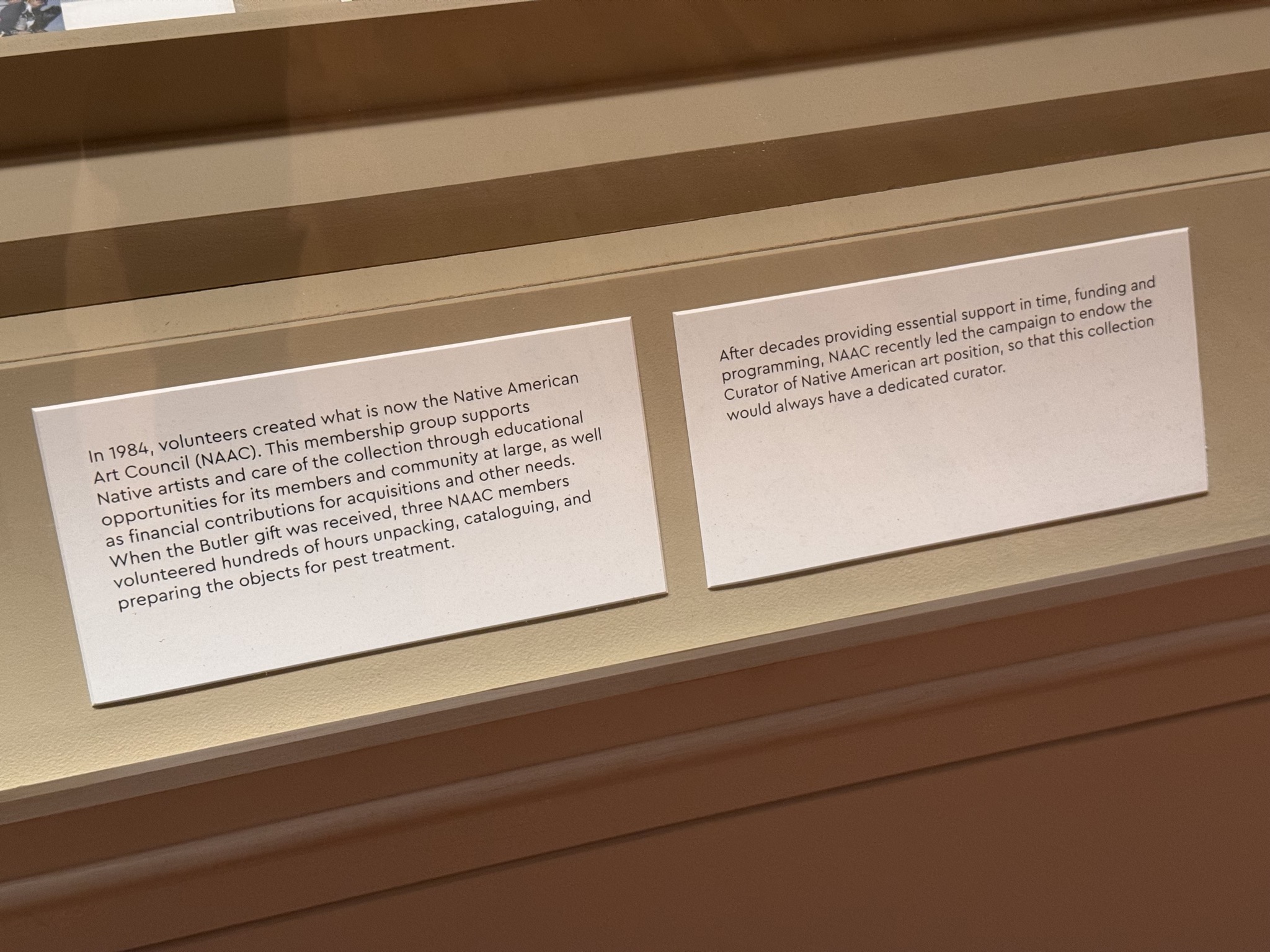
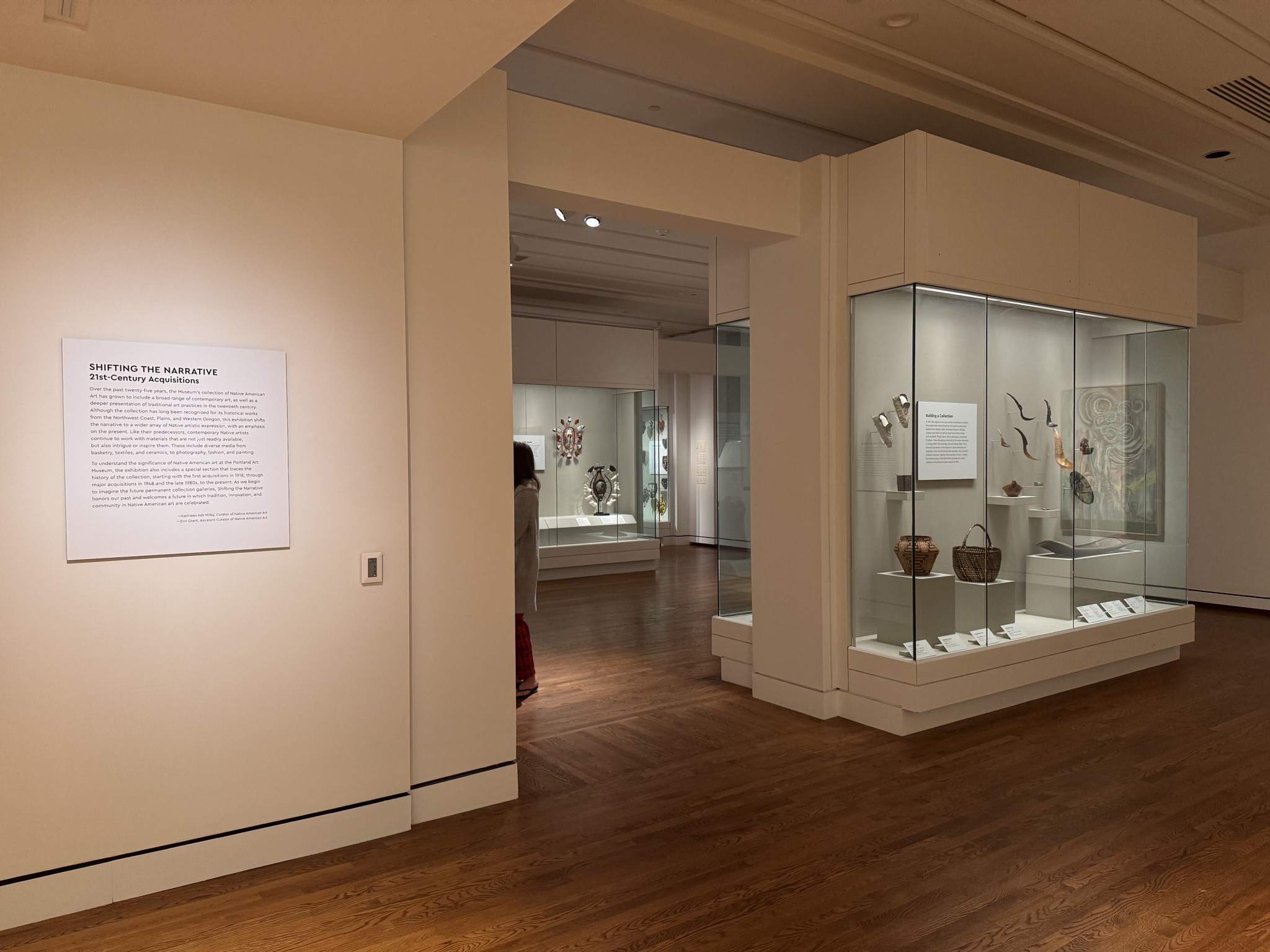
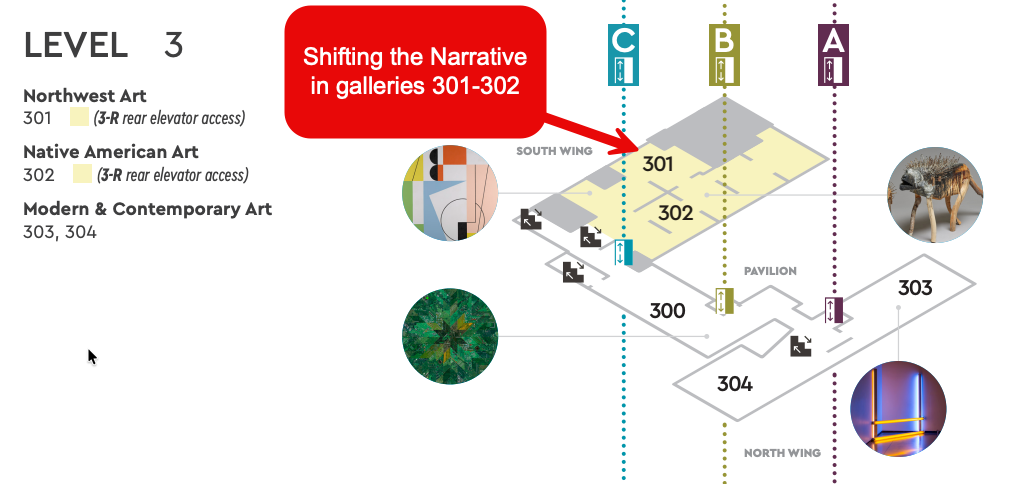
I recently visited the Portland Art Museum following the completion of its major renovation, which connected its two historic buildings with a new central Mark Rothko Pavilion as its main entrance. Among the exhibitions that caught my attention was Shifting the Narrative: 21st Century Acquisitions, which provides an unusually direct look at how a museum is reconsidering the interpretation of Native American art through collecting, exhibitions, and relationships with Native artists and communities. The Portland Art Museum holds more than 3,500 Native American objects representing approximately 200 Indigenous cultural groups throughout the Americas.
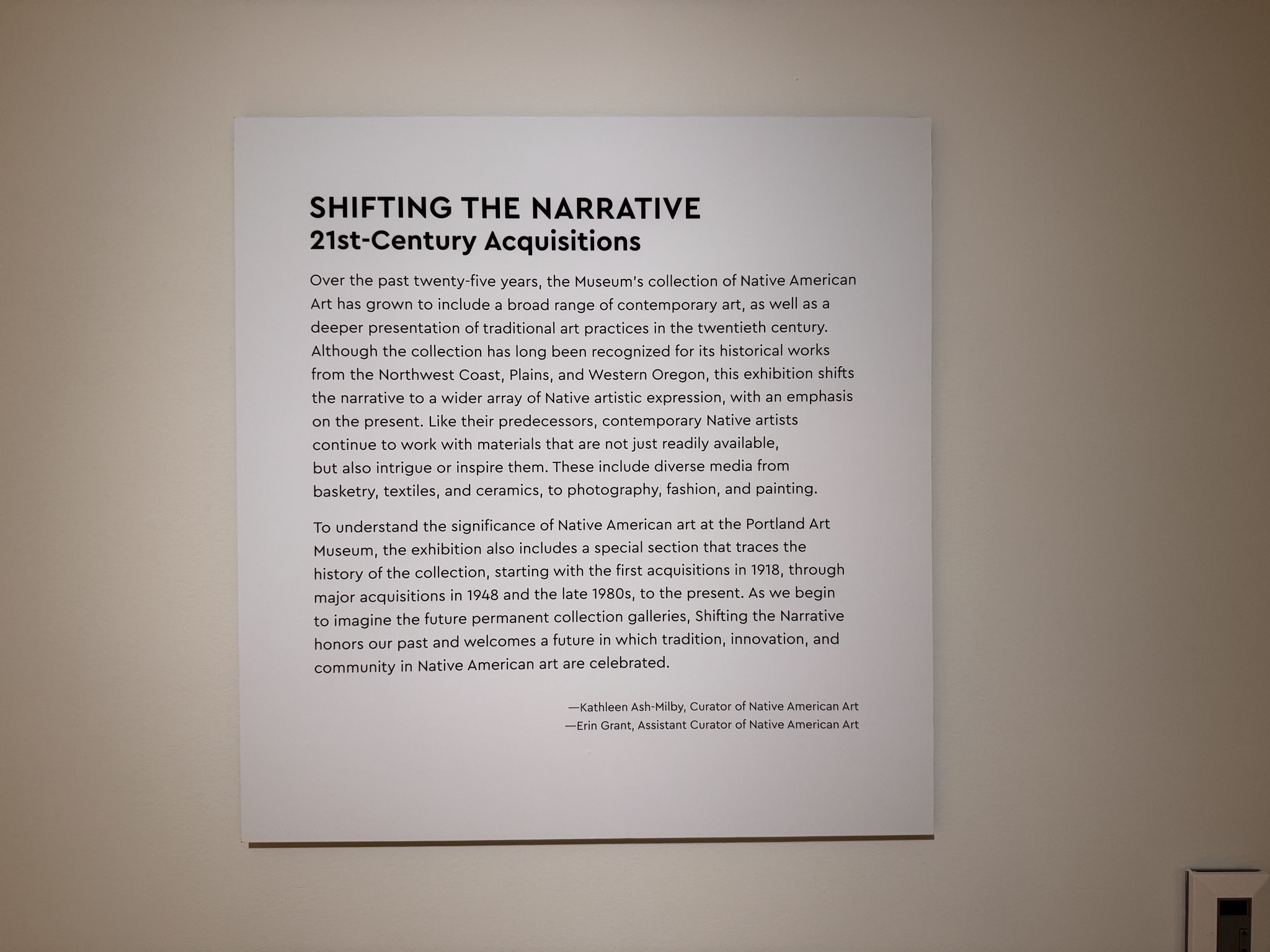
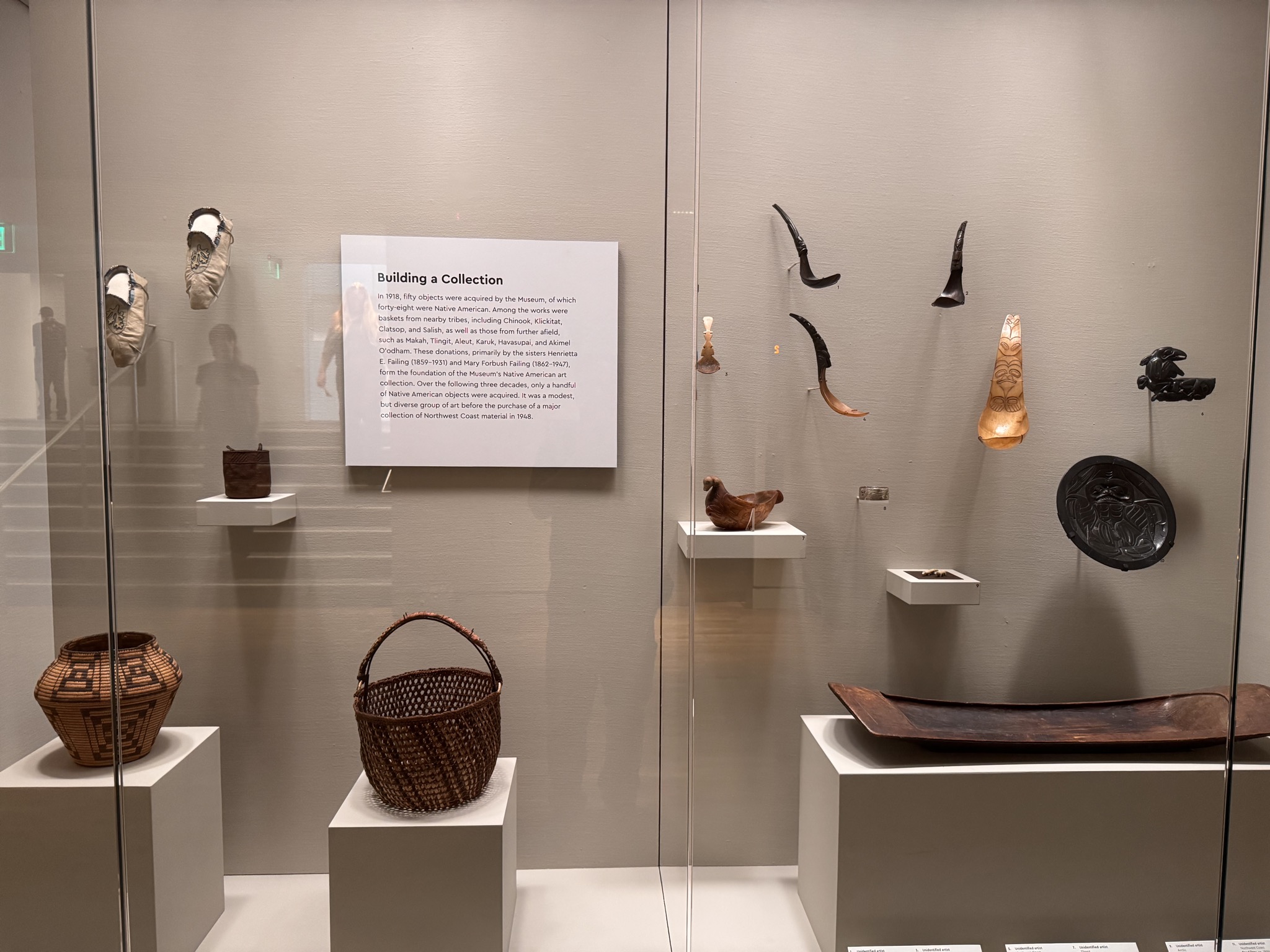
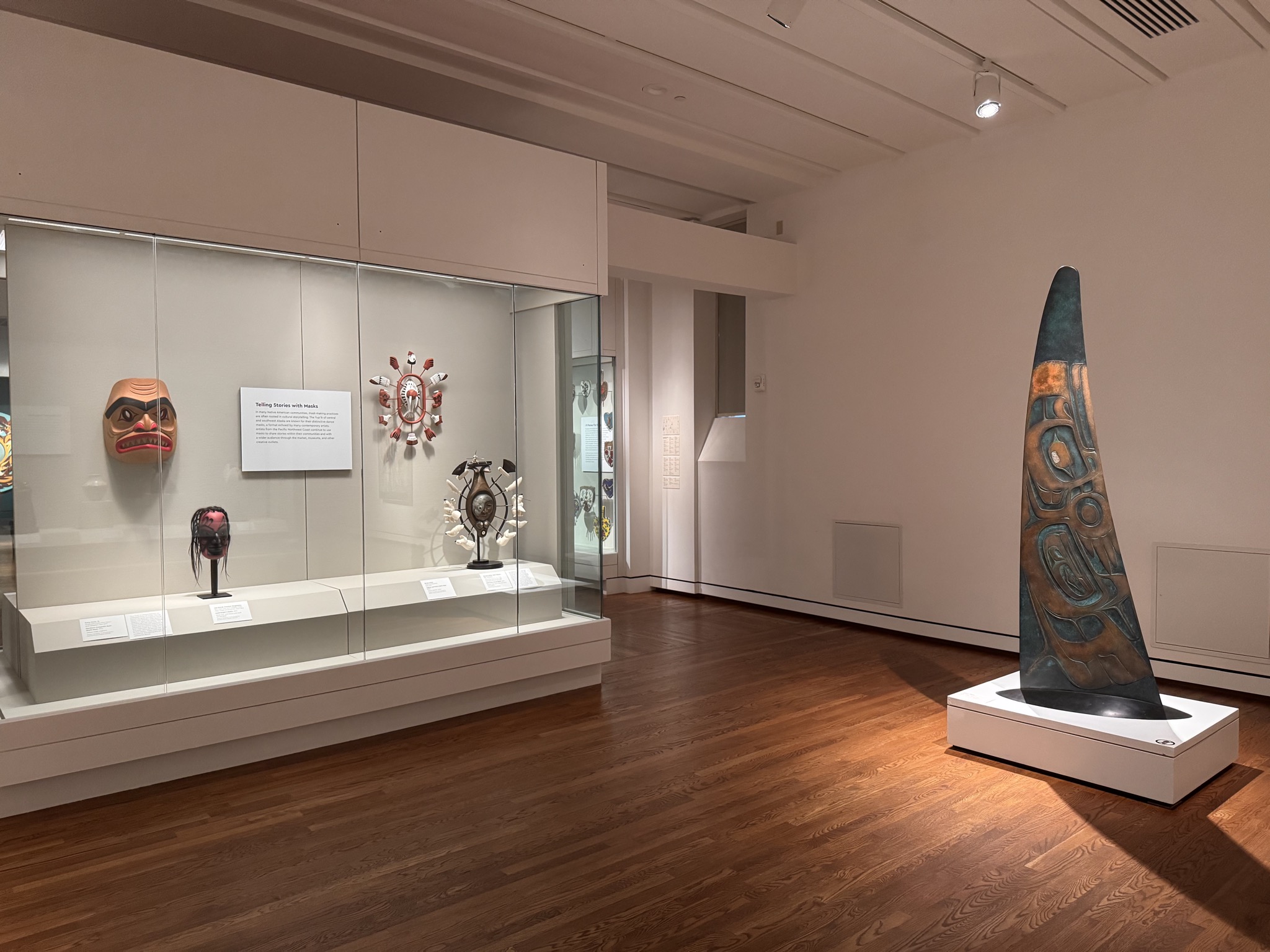
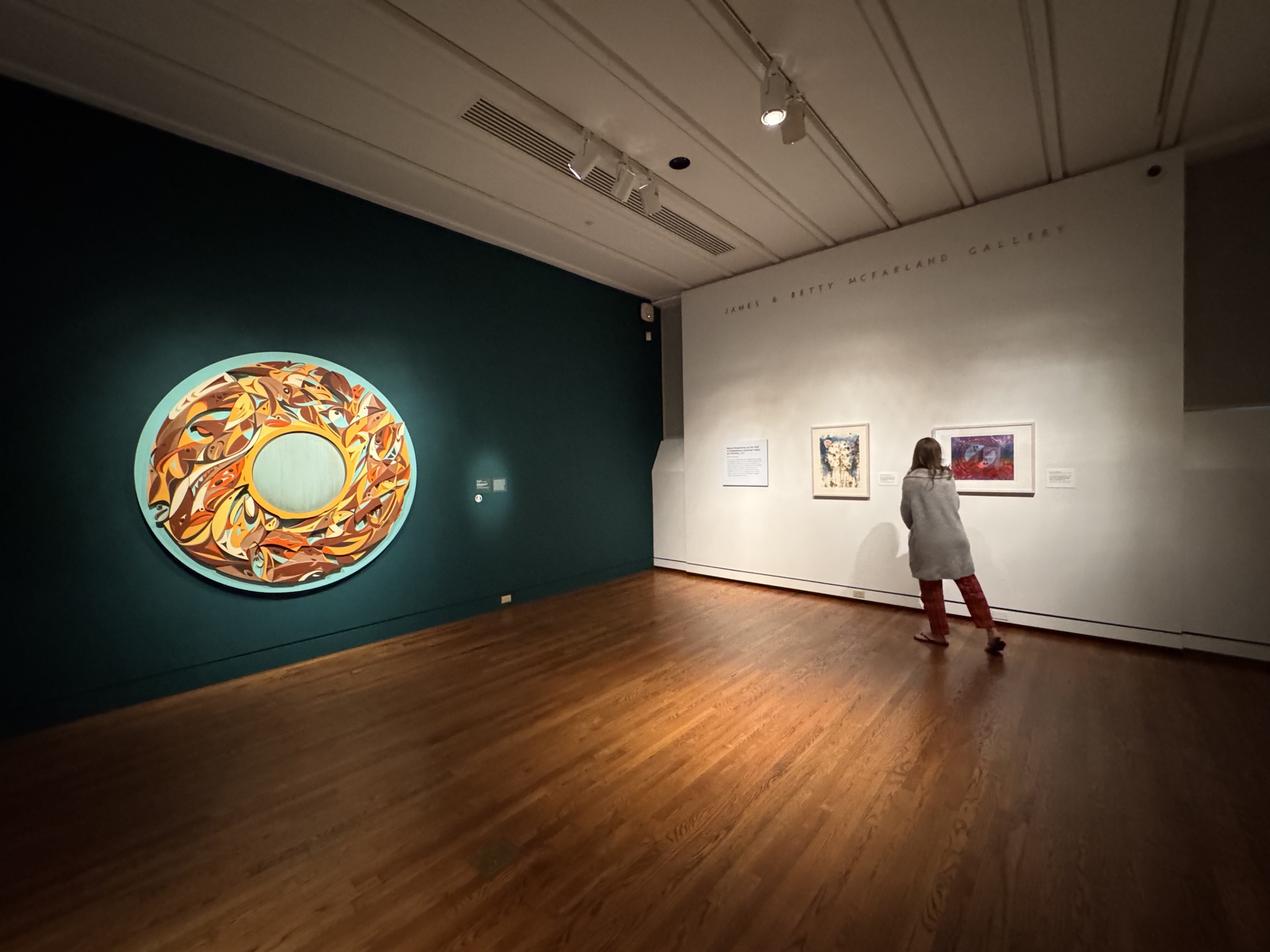
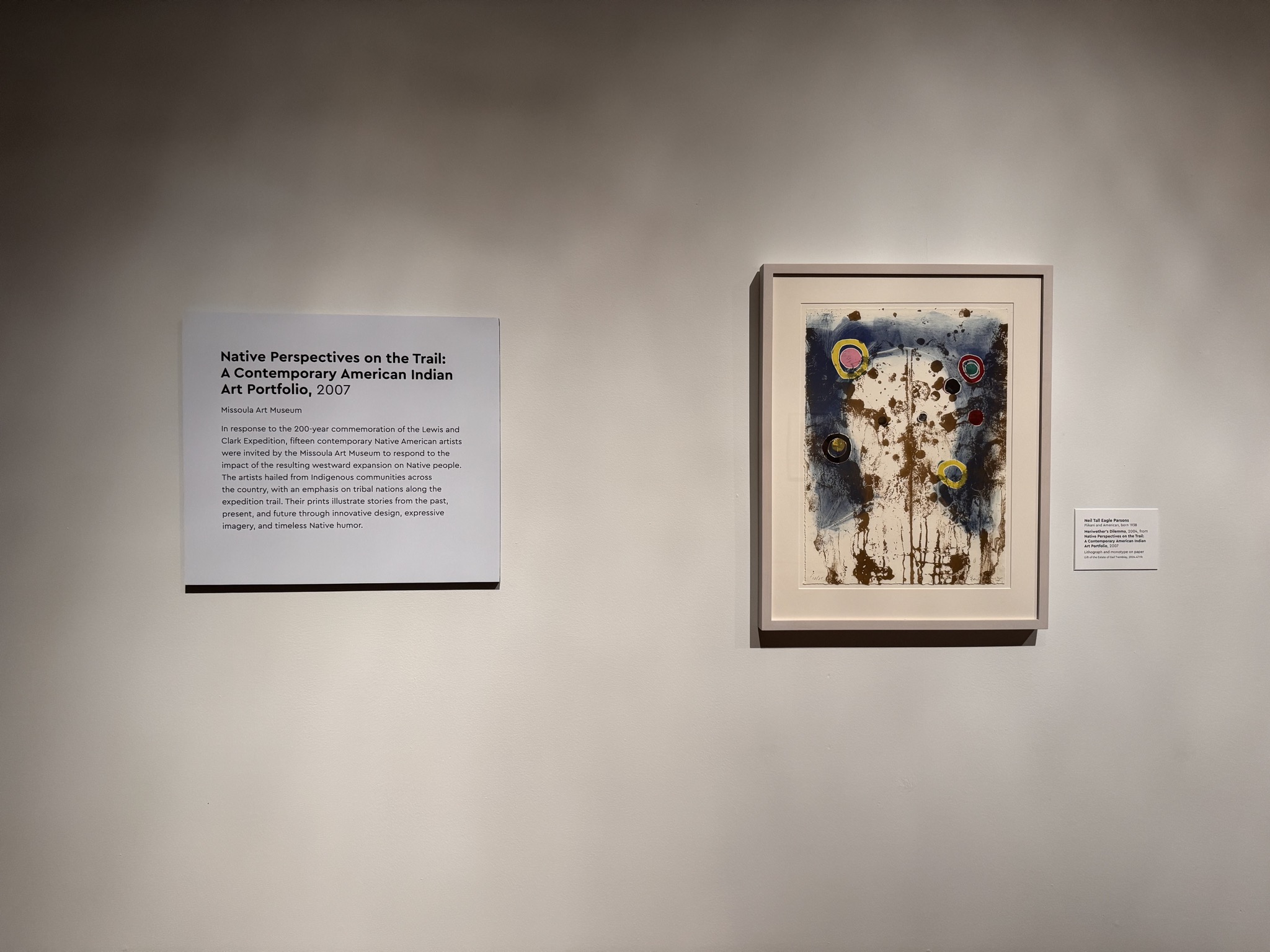
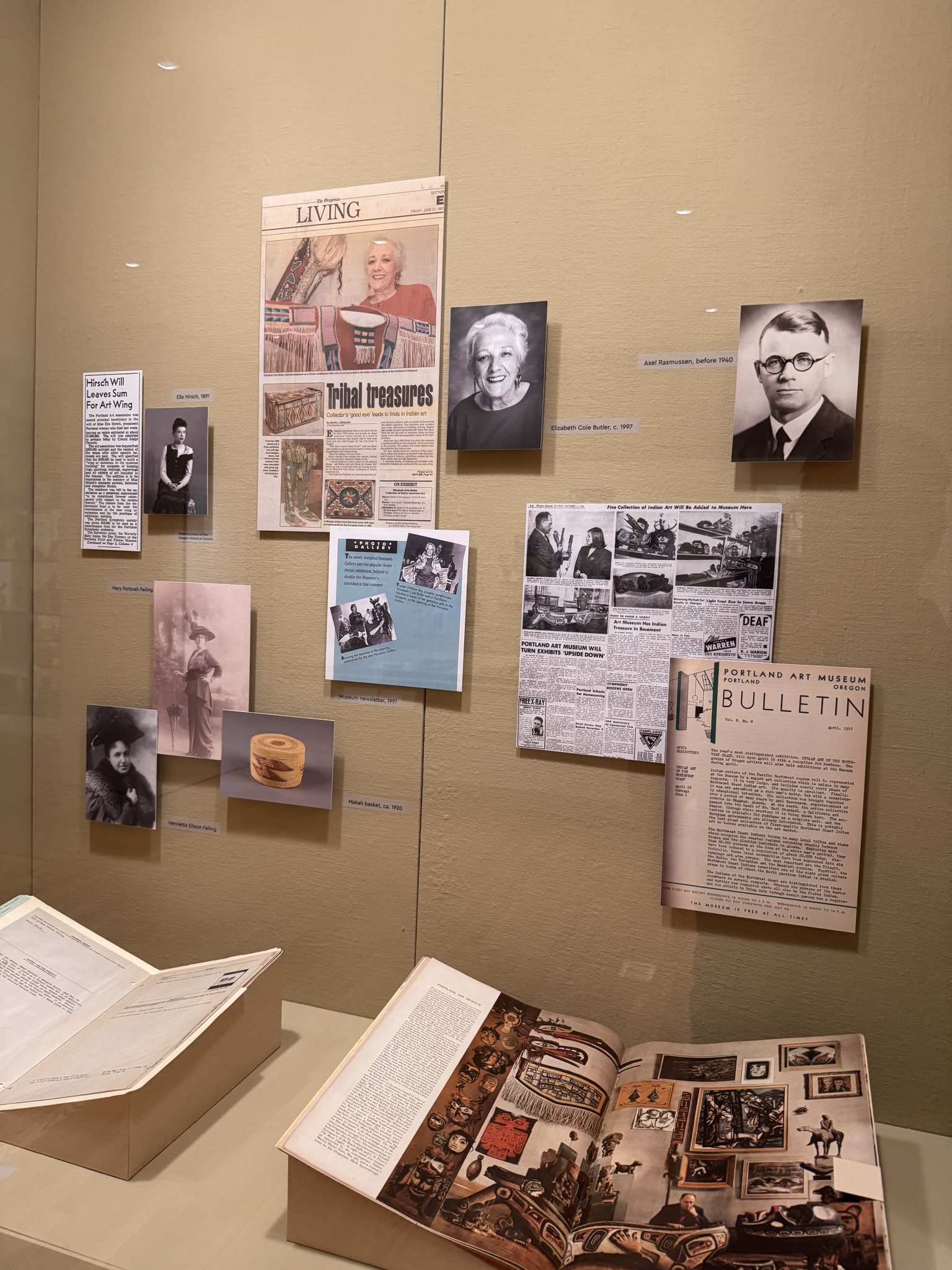
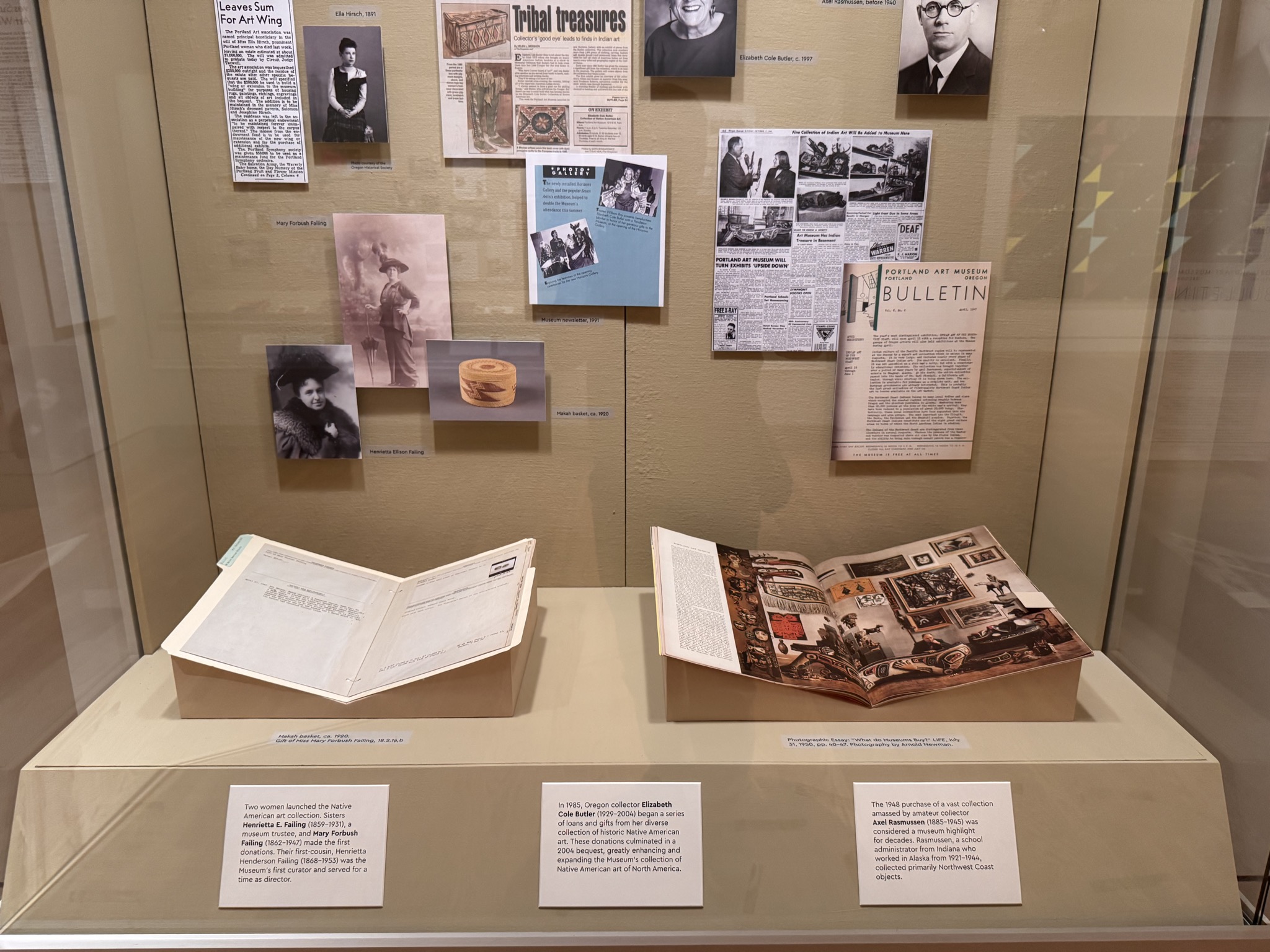
Opened in November 2025, Shifting the Narrative is partly an exhibition about art and partly an exhibition about changing museum practice. The temporary exhibition includes both contemporary and historical works in photography, sculpture, fashion, basketry, painting, and printmaking. Organized chronologically by acquisition period, the exhibition begins with its collecting of Native American art in 1918, with major additions of Northwest Coast objects in 1948. It then turns to its efforts to actively expand the collection through contemporary acquisitions since 2000 to better reflect the region and amplify diverse Native voices, including Wendy Red Star, Will Wilson, and Julie Buffalohead.
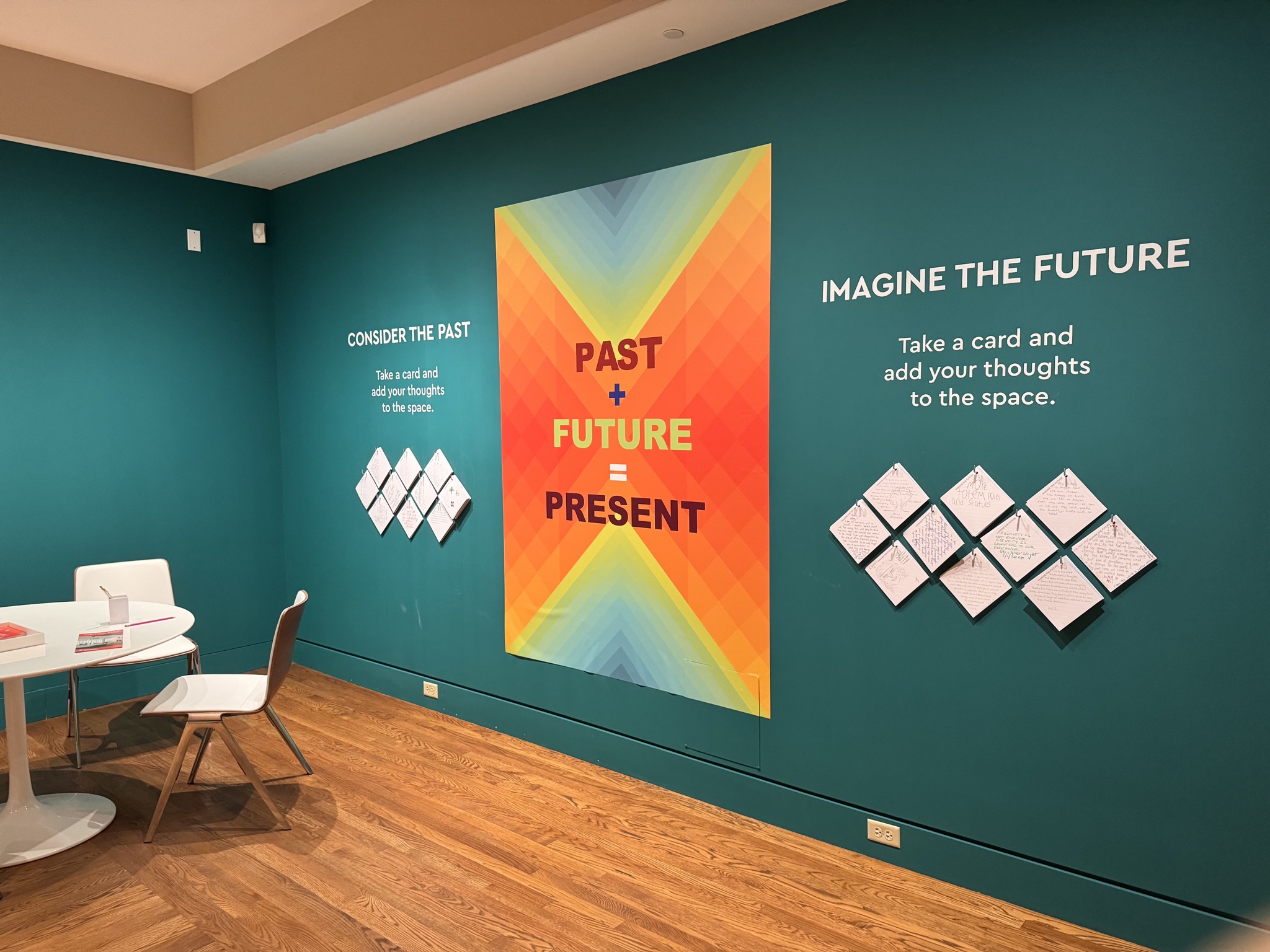
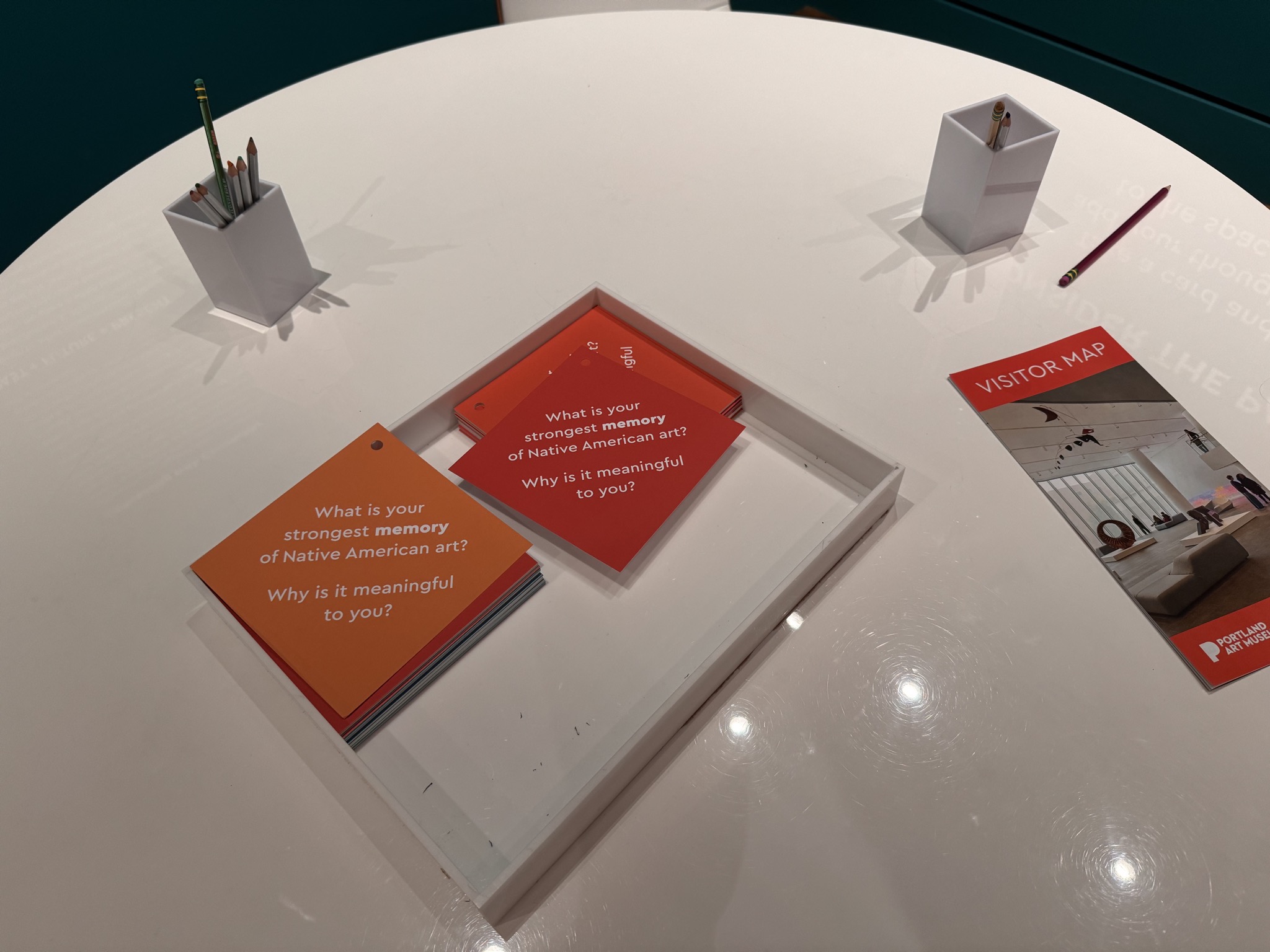
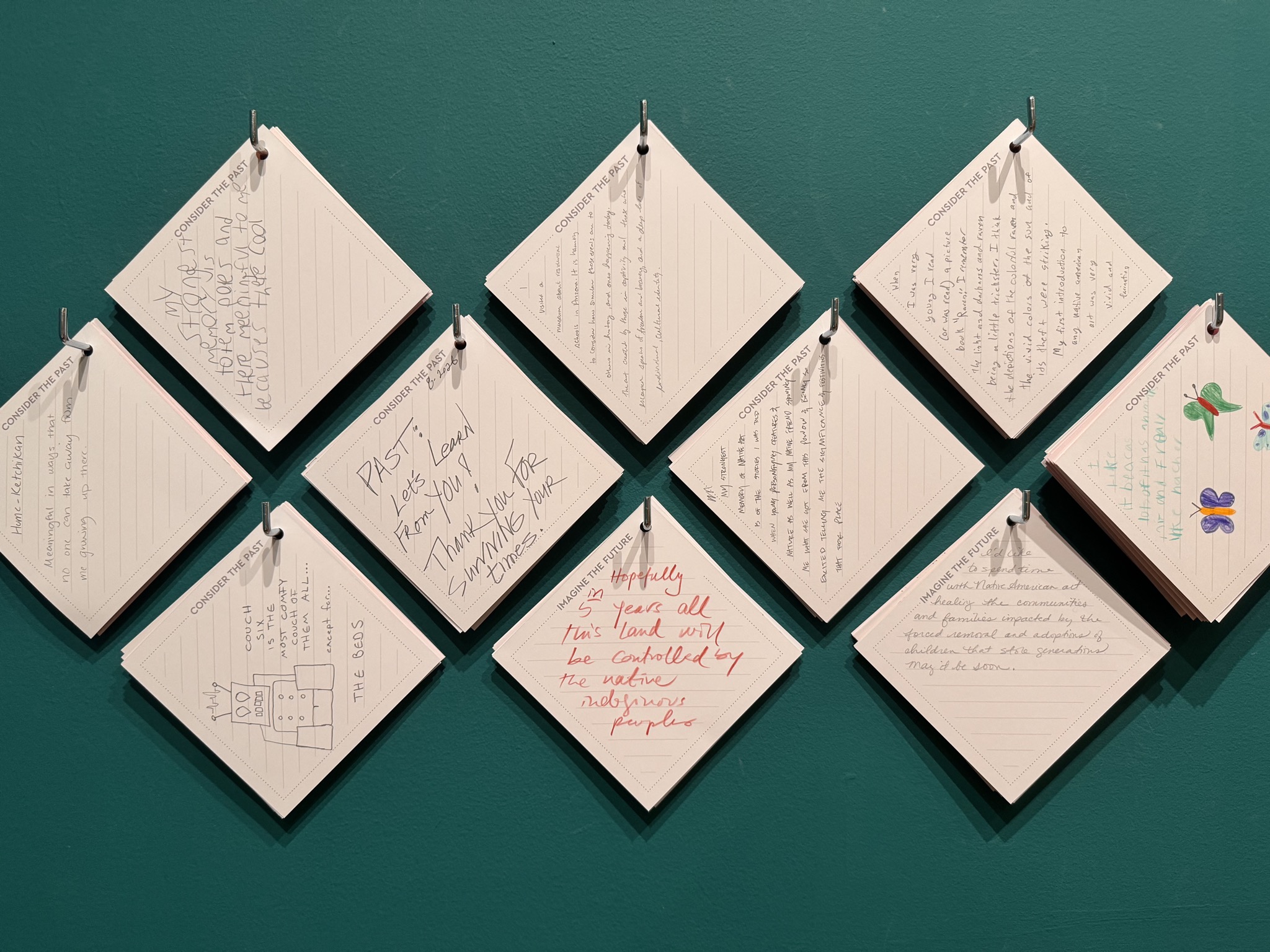
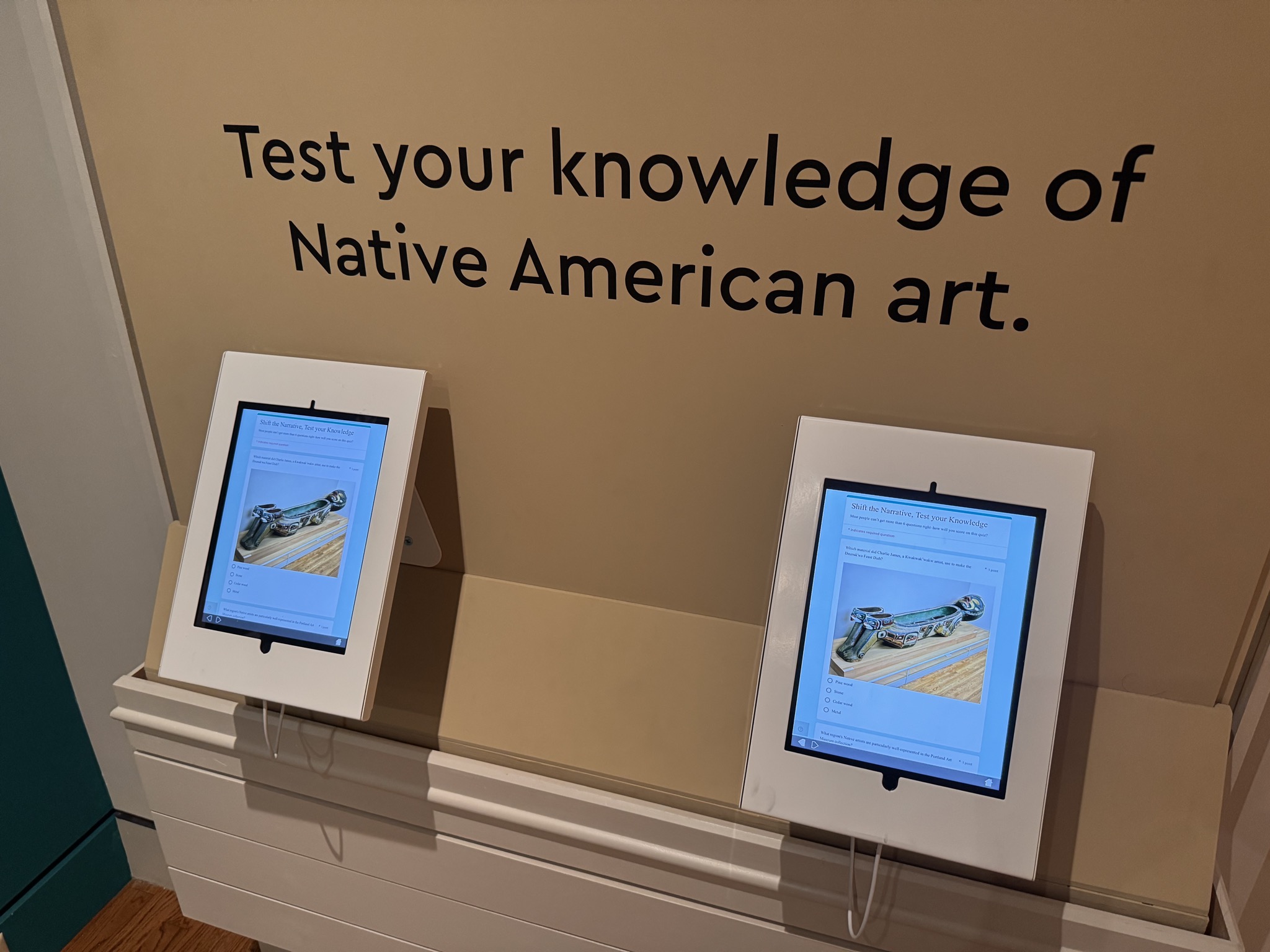
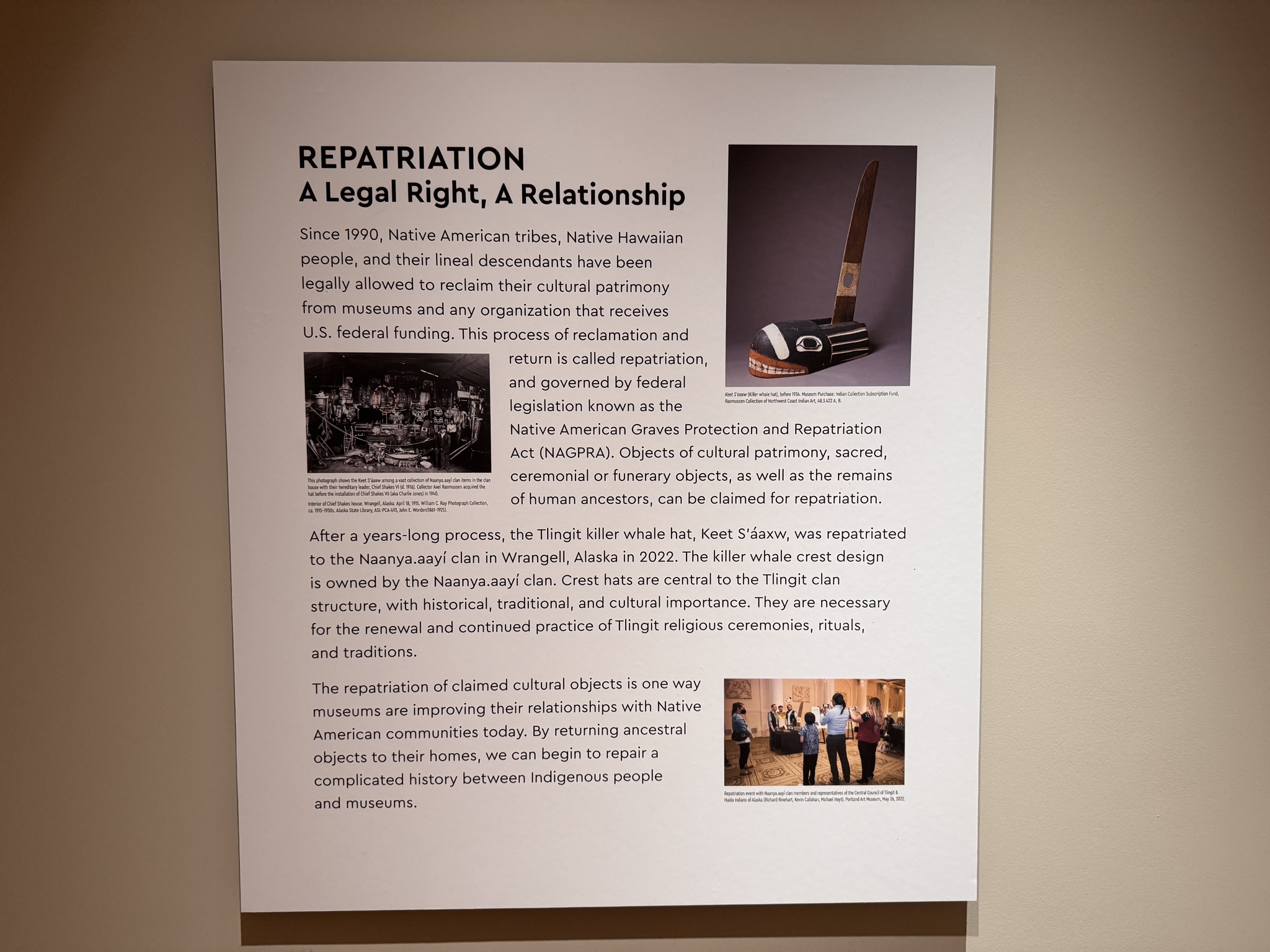
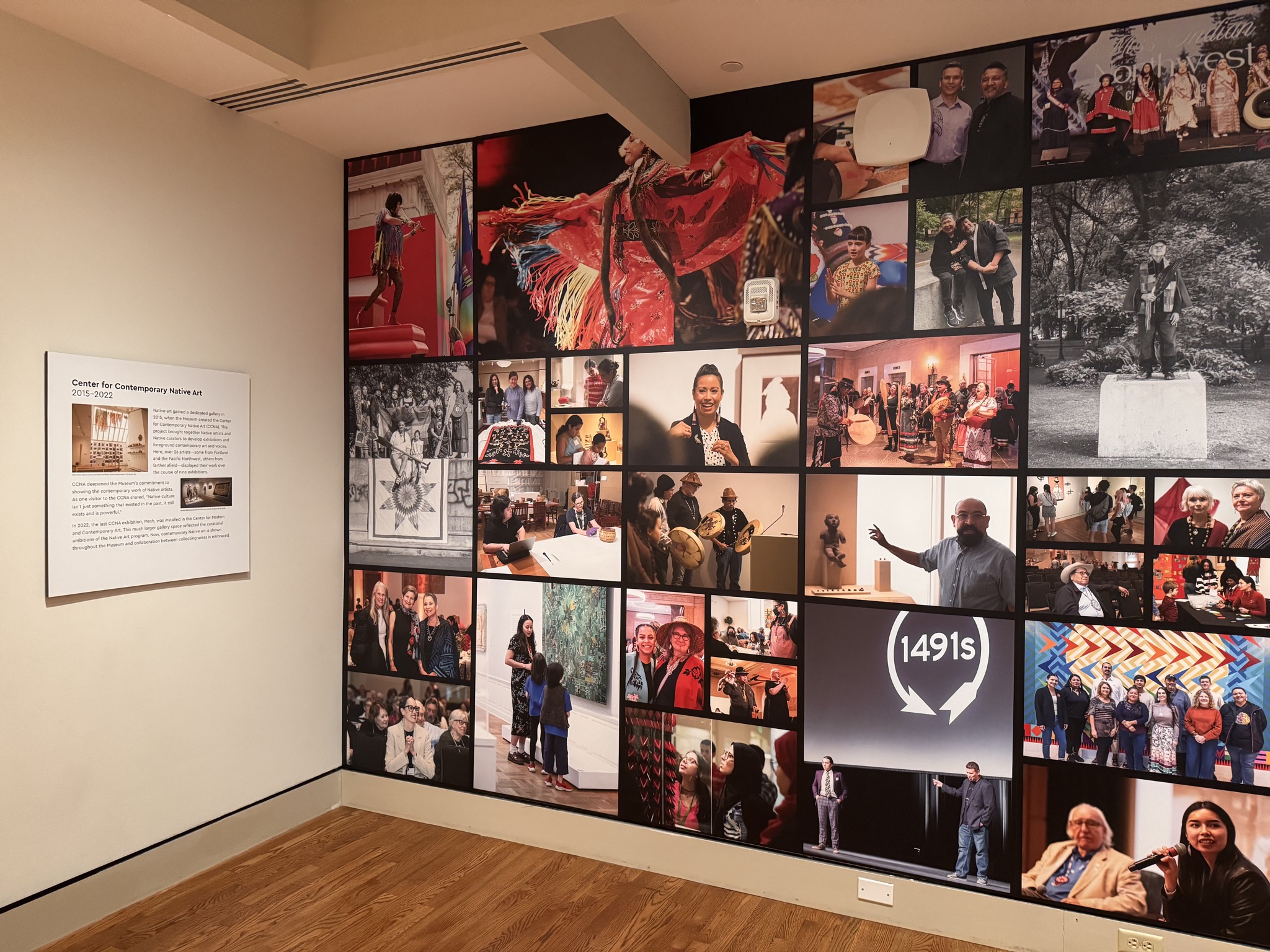
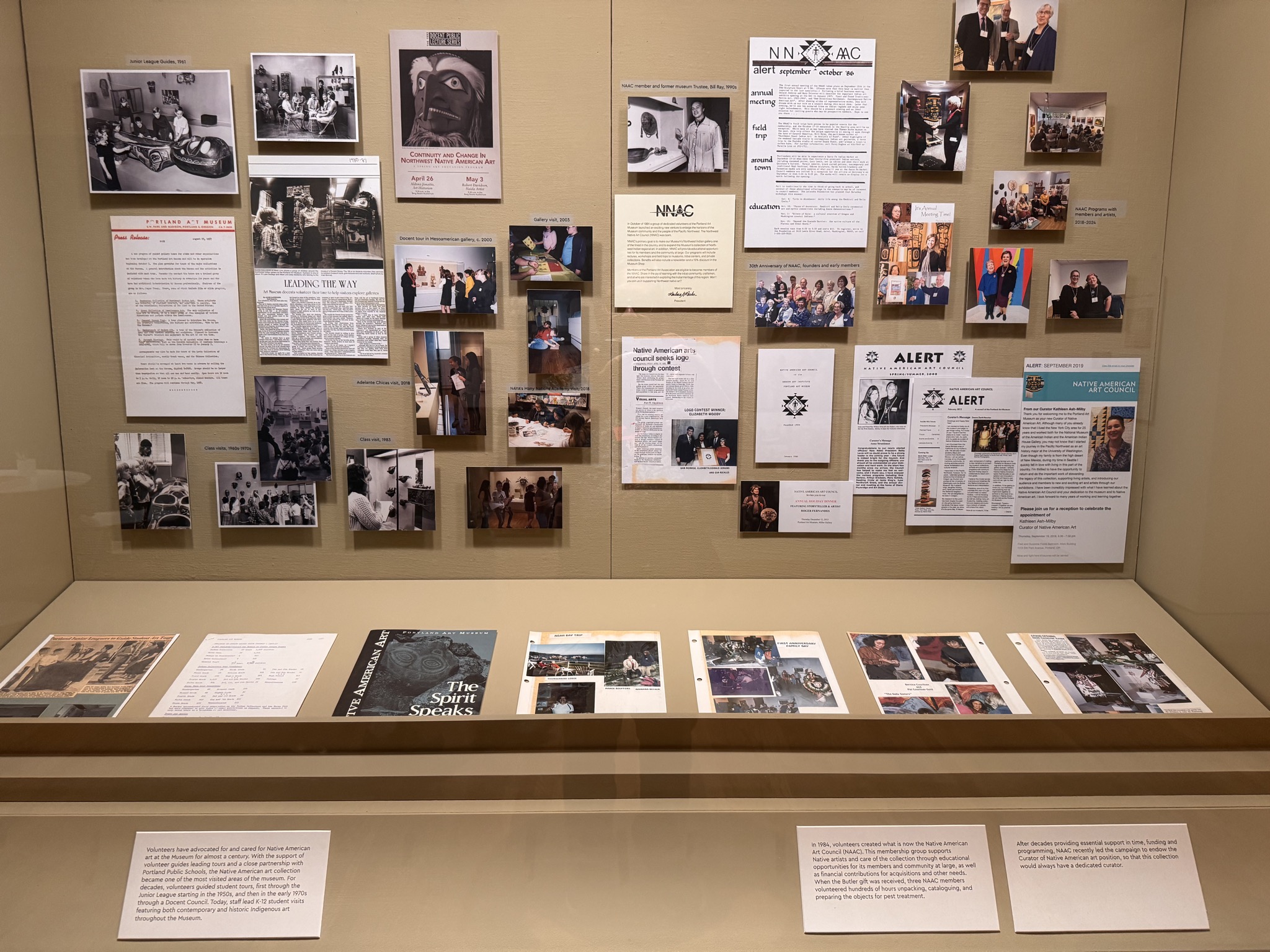
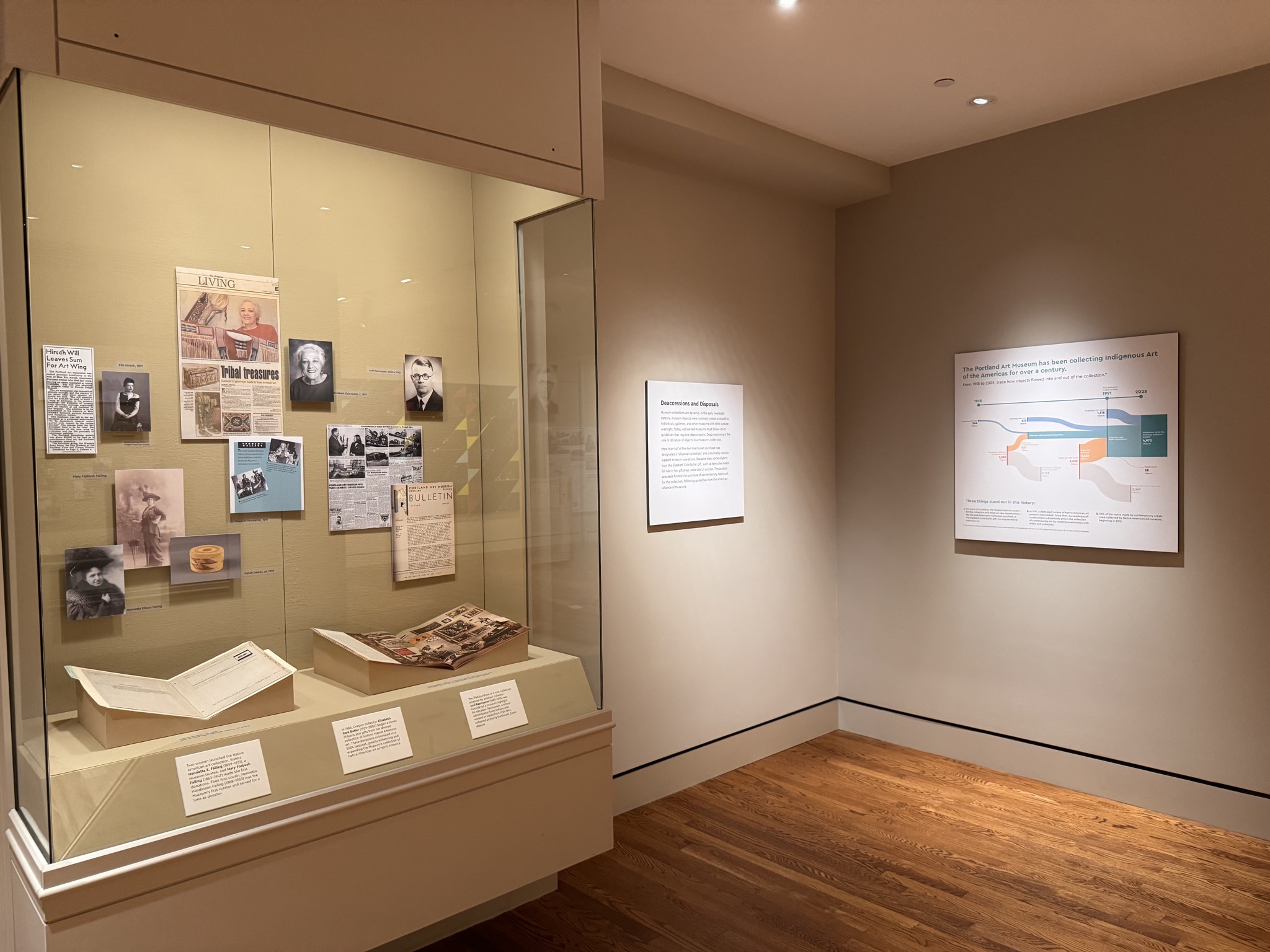
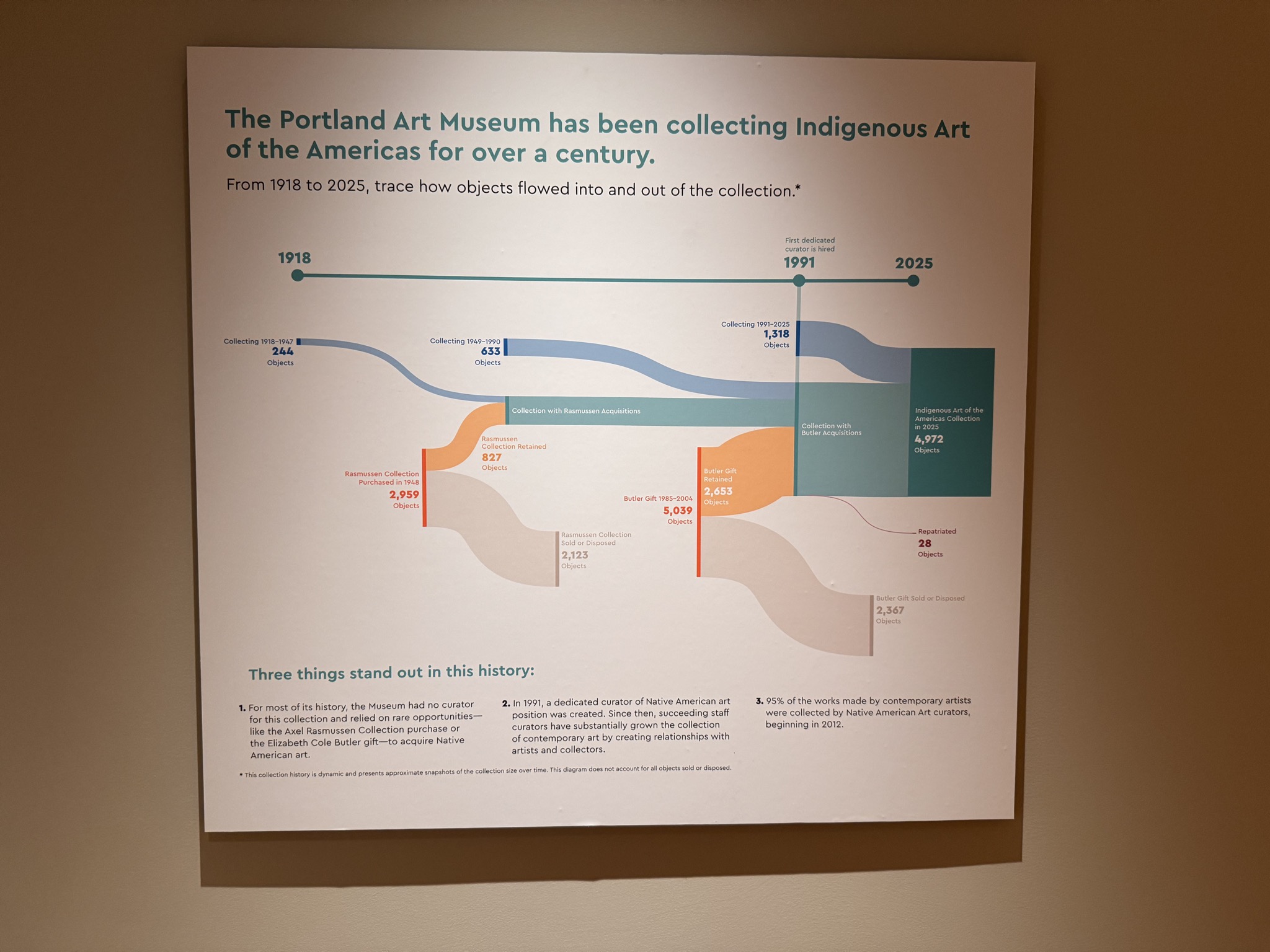
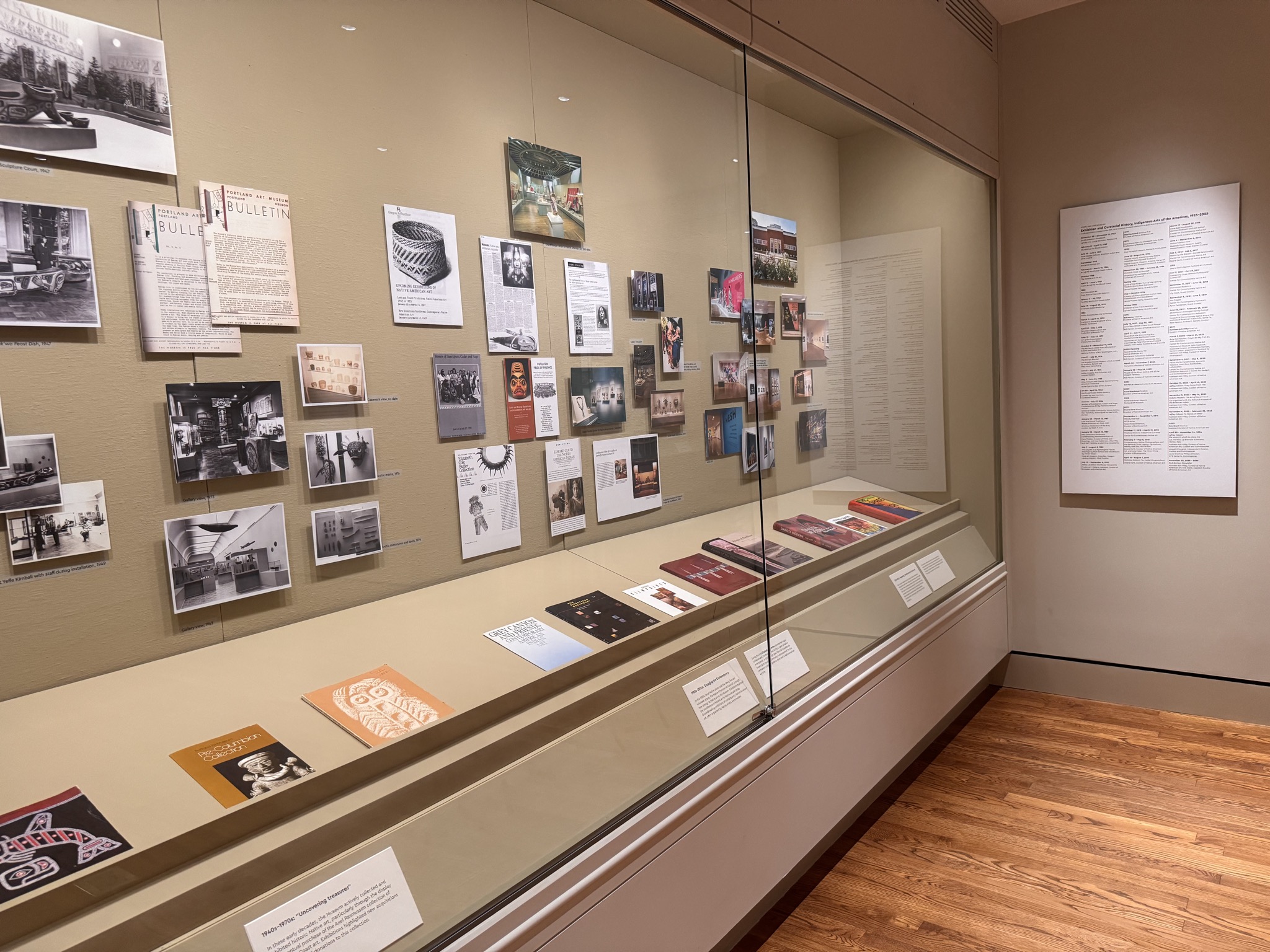
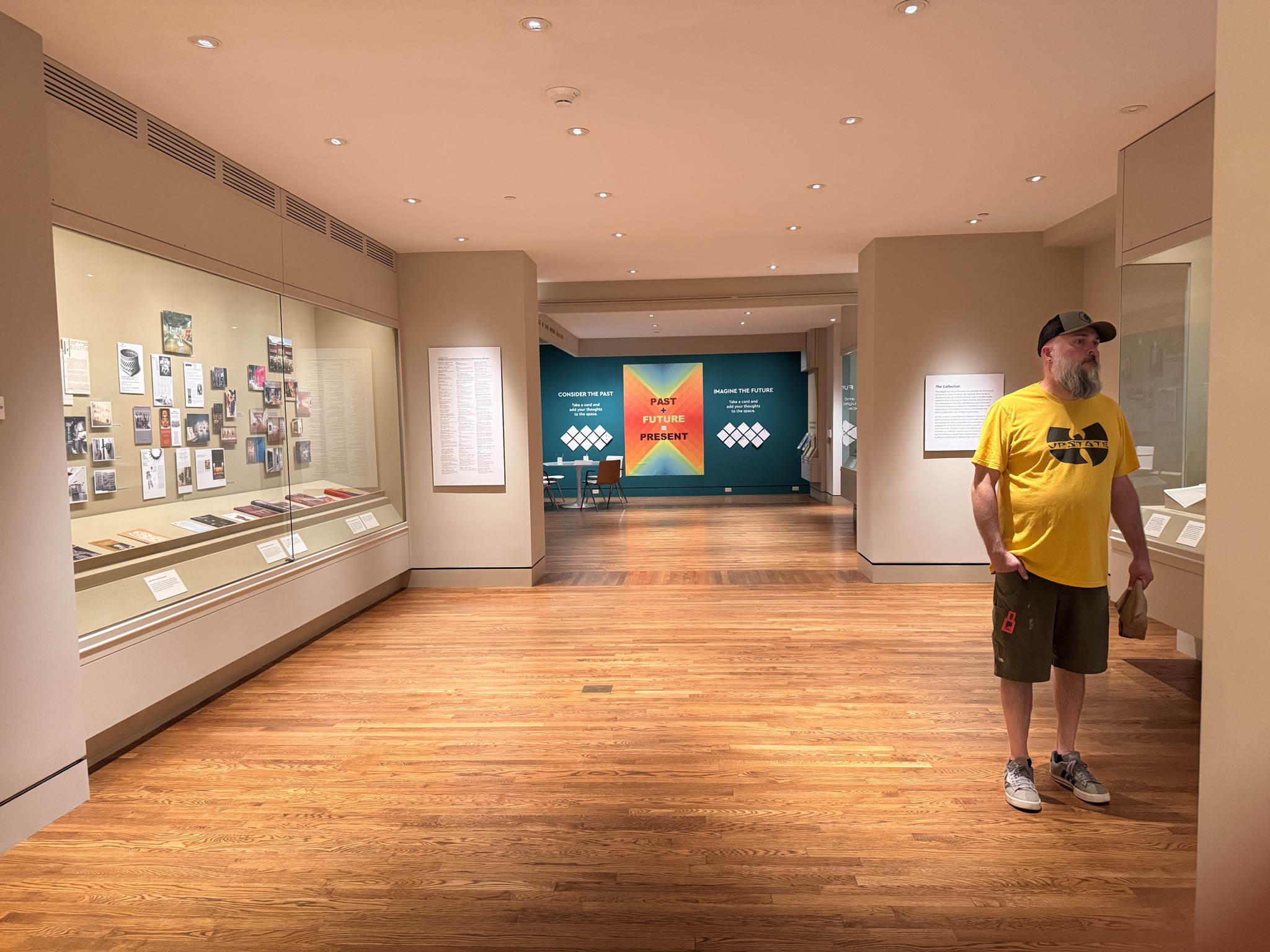
The second half of the exhibition focuses on the history of the museum itself. It outlines the museum’s relationships with artists, visitors, students, and Native communities. It initially acquired works as opportunities arose, then in 1991 created a dedicated curator of Native American art, which help build relationships with contemporary artists. A diagram shows how the collection grew and changed over time, including through sale and repatriation. This section of the exhibition also invites visitors to discuss their experiences with Native American art and test their knowledge of Native American art.
For museum professionals, that makes Shifting the Narrative particularly interesting. Museums frequently announce commitments to diversifying collections, collaborating with communities, reconsidering inherited categories, or presenting historically underrepresented perspectives. Here, visitors can see some of those institutional changes translated into collecting decisions, gallery organization, interpretation, and programming.
About Field Notes
Field Notes is a series on EngagingPlaces.net intended primarily as a visual reference for exhibition designers, developers, curators, educators, and other museum professionals. Most of us can visit only a small fraction of the exhibitions produced around the country, while the photographs museums publish online tend to emphasize a handful of carefully composed installation views.
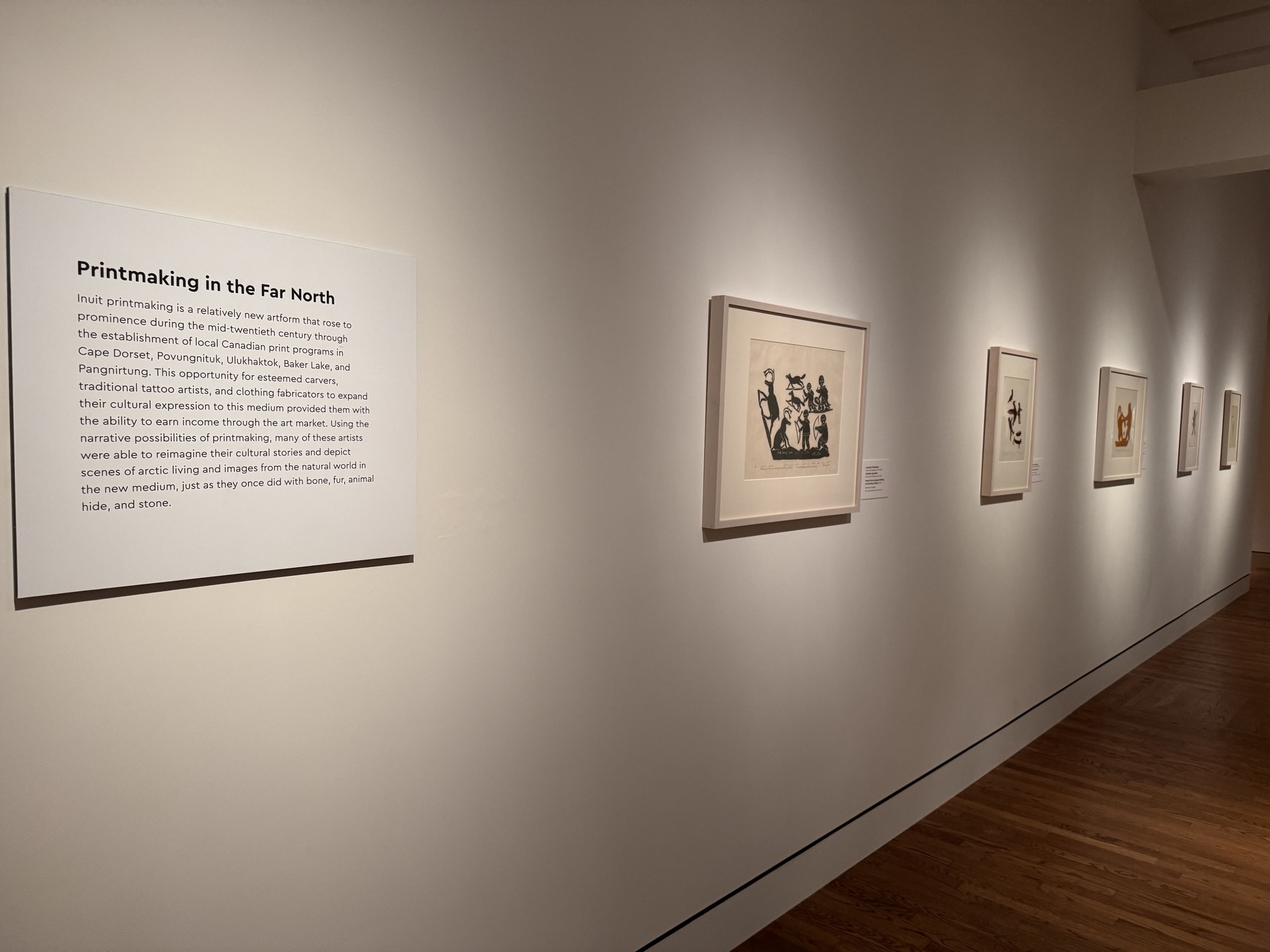
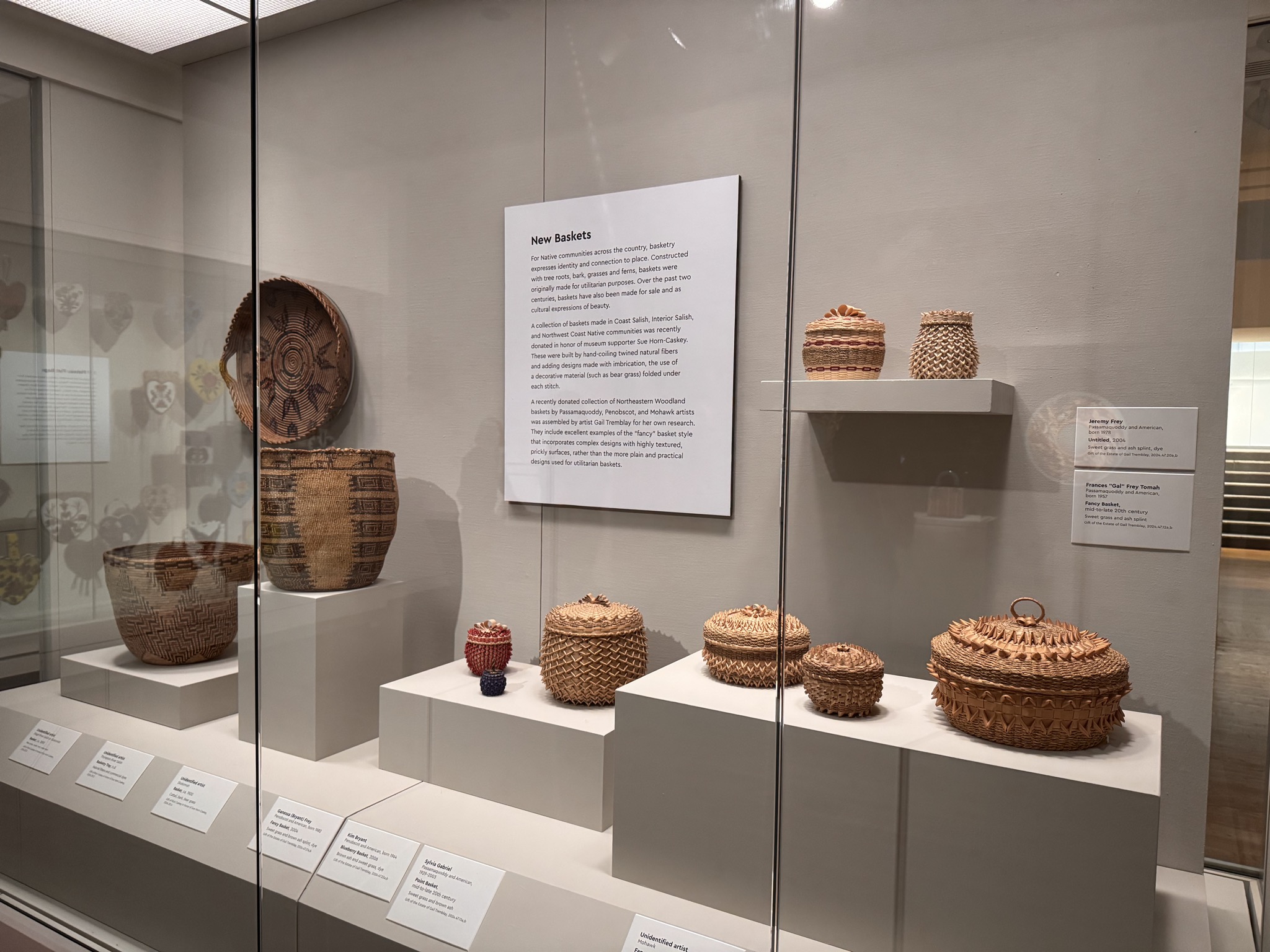
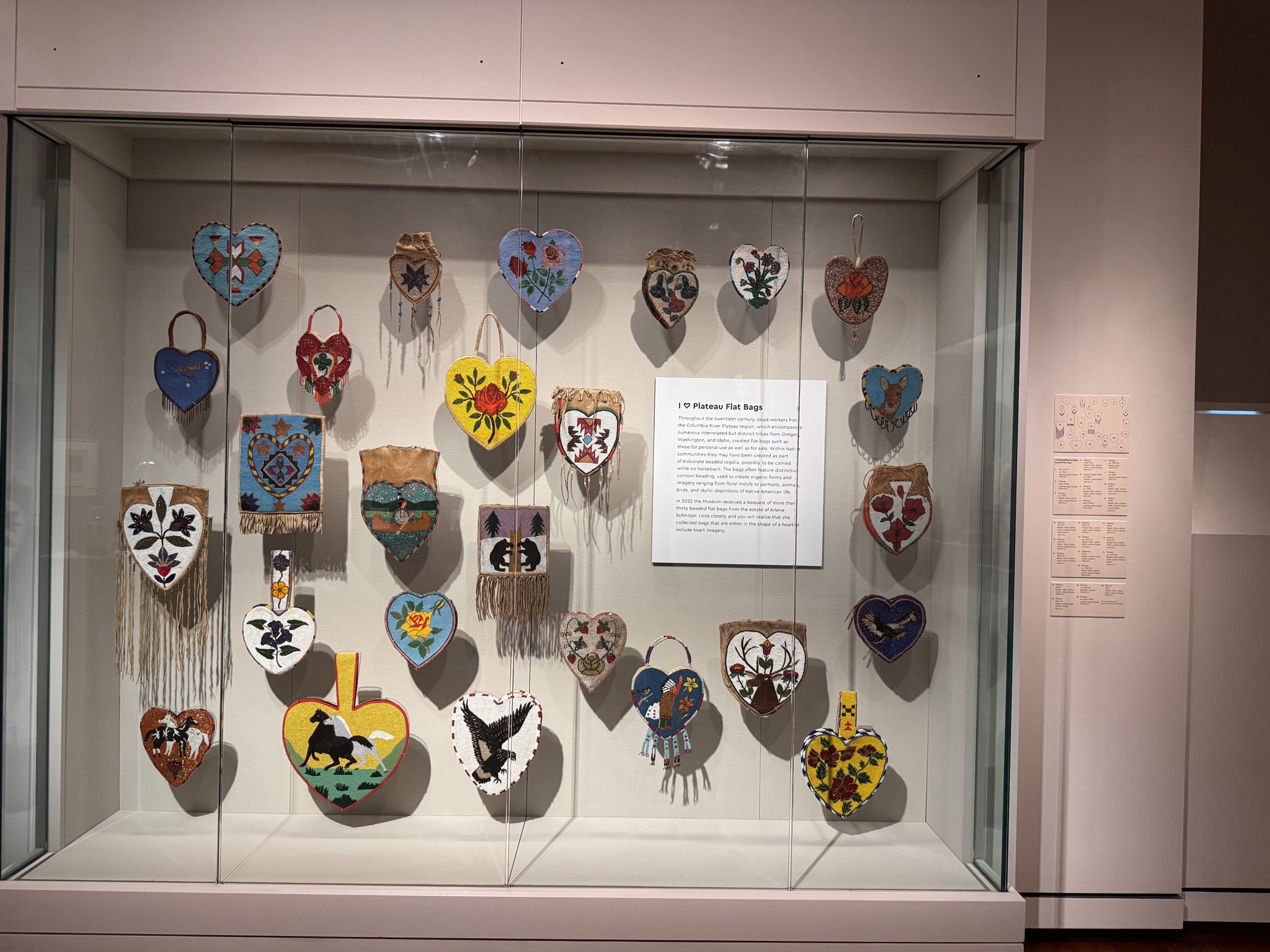
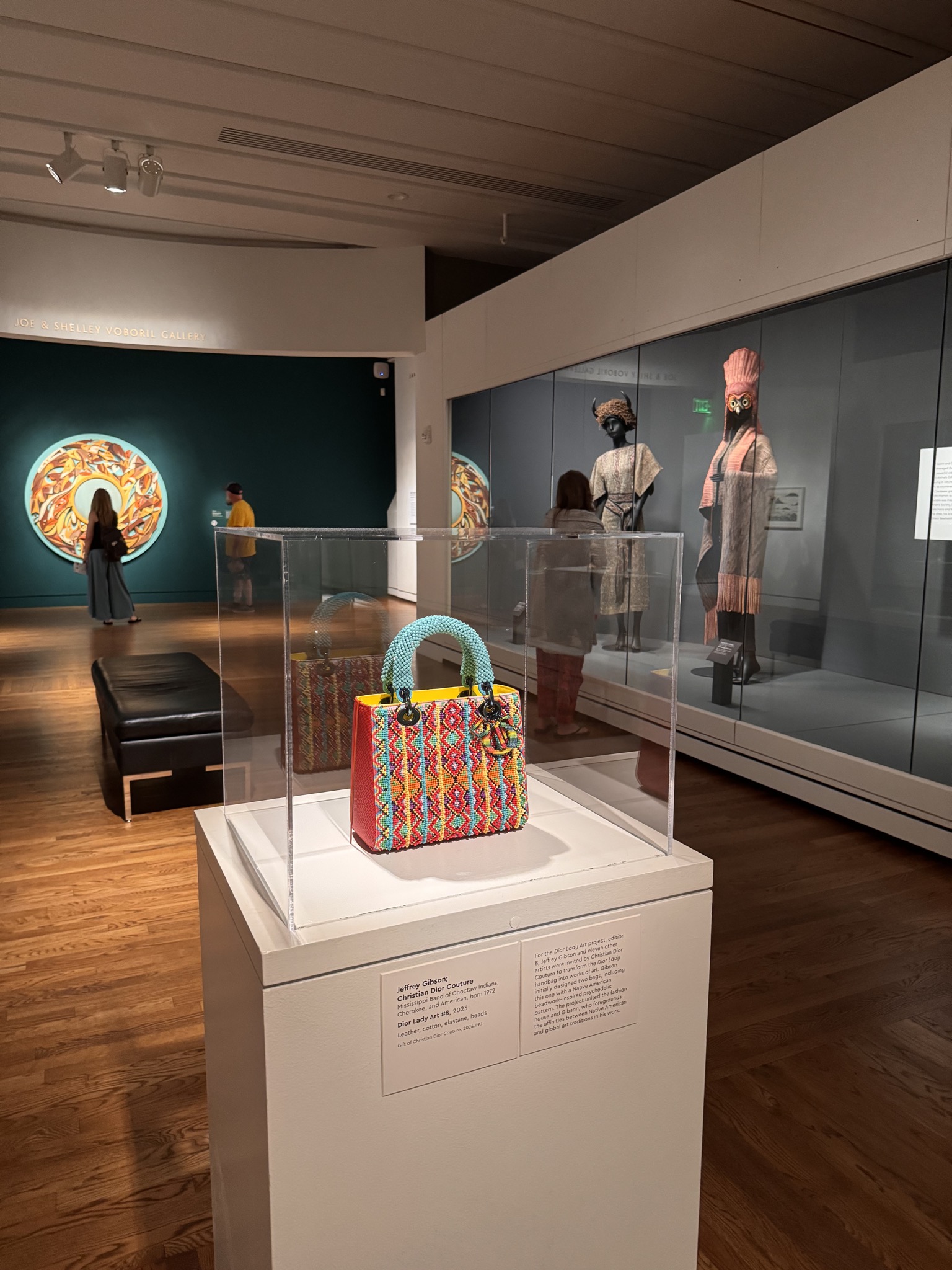
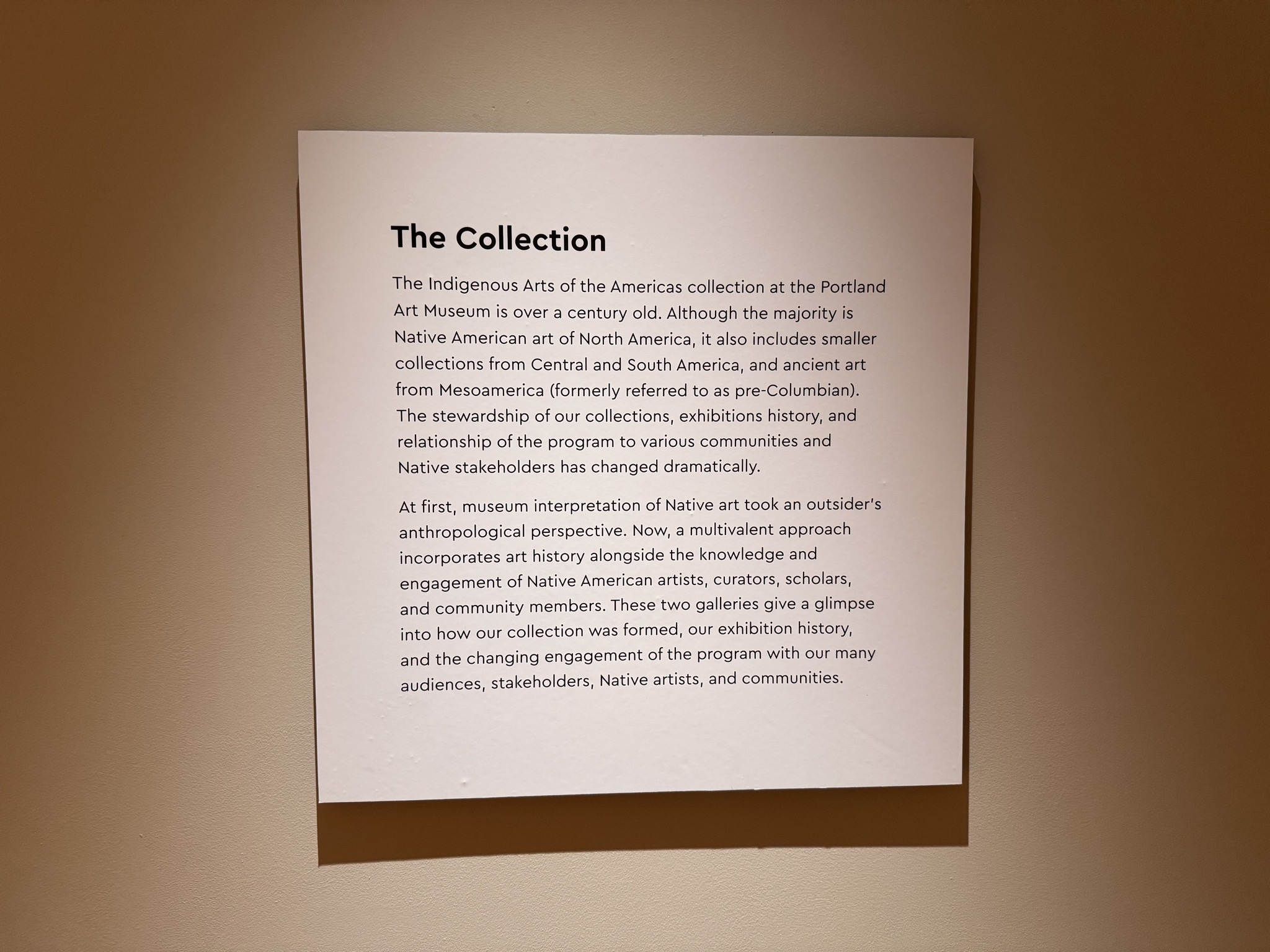
The couple dozen photographs below serve a different purpose. I selected them not primarily for their aesthetic appeal but to document what a visitor actually encounters: gallery organization, introductory and section texts, object groupings, labels, cases, graphics, sightlines, seating, and other interpretive and design choices.
This is not intended as a review or critique of Shifting the Narrative. Think of these photographs instead as a field notebook—a visual record of one museum’s approach that might provide examples, comparisons, questions, or ideas for your own work.