
Tag Archives: Uncle Tom’s Cabin

The Harriet Beecher Stowe Center: What Only A Writer’s House Can Reveal

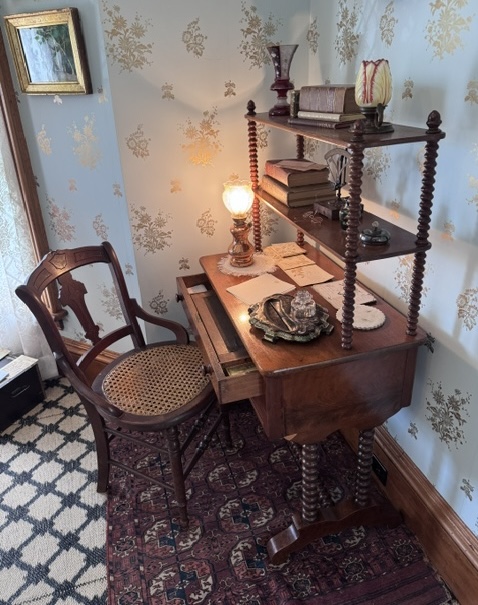
Harriet Beecher Stowe’s writing desk in her Hartford home.

When we visit the home of a famous writer, what are we hoping to discover? The works have already been written. Their biographies have been published. Their letters have been collected. So what can walking through the rooms where they lived add to our understanding?

Those questions were on my mind as I visited the Harriet Beecher Stowe Center in Hartford, Connecticut. The Center asks visitors to look beyond Uncle Tom’s Cabin and consider how Harriet Beecher Stowe became one of the nineteenth century’s most influential antislavery writers. It is an ambitious interpretive approach, one that emphasizes the firsthand accounts of enslaved and formerly enslaved people, abolitionist networks, and the many individuals whose experiences, testimony, and activism shaped Stowe’s writing.

As I reflected on the tour afterward, however, I found myself asking a different question: What can a historic house contribute to this story that no biography, lecture, or documentary can?

Continue reading
Walking Through Two Eras at the Harriet Beecher Stowe House

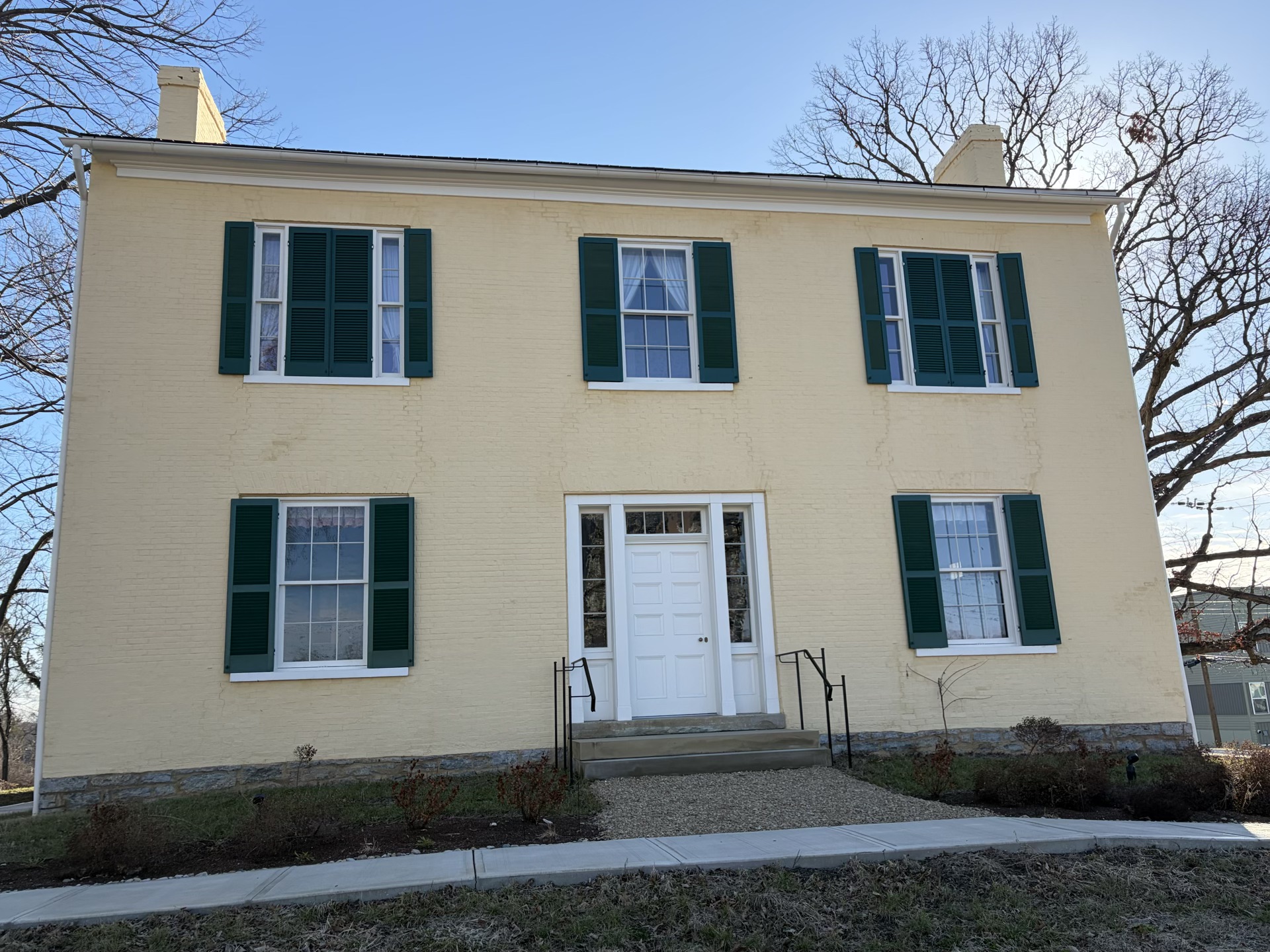
The Harriet Beecher Stowe House in Cincinnati, Ohio, following completion of its 2 Era Restoration. The project interprets both the Beecher family residence and the later Edgemont Inn period, revealing the building’s evolving role in the community across generations.

When I visited the Harriet Beecher Stowe House in Cincinnati, Ohio this February, I expected to learn more about Harriet Beecher Stowe’s years in the city and how her experiences there influenced the writing of Uncle Tom’s Cabin. What I did not expect was to come away thinking as much about the building itself as the woman who once lived there.

The Harriet Beecher Stowe House recently completed what it calls a two-era restoration, interpreting both the Beecher family period (1840) and the later Edgemont Inn period (1940). At first, I wondered whether trying to tell two stories in one house might feel confusing. Instead, I found it to be one of the project’s greatest strengths.

The tour begins with Harriet Beecher Stowe, her family, and the Cincinnati she encountered in the 1830s and 1840s. Visitors learn about Lane Seminary, debates over slavery, the city’s free Black community, and the experiences that shaped Stowe’s understanding of freedom and injustice. These stories unfold in rooms restored to the Beecher era, allowing visitors to imagine the world she experienced as a young wife, mother, and writer living in Cincinnati.

What impressed me most, however, was how the restoration itself became part of the interpretation.

Continue reading