
Tag Archives: Interpreting Women

Beyond Mary Surratt: Interpreting the Women Who Shared Her House

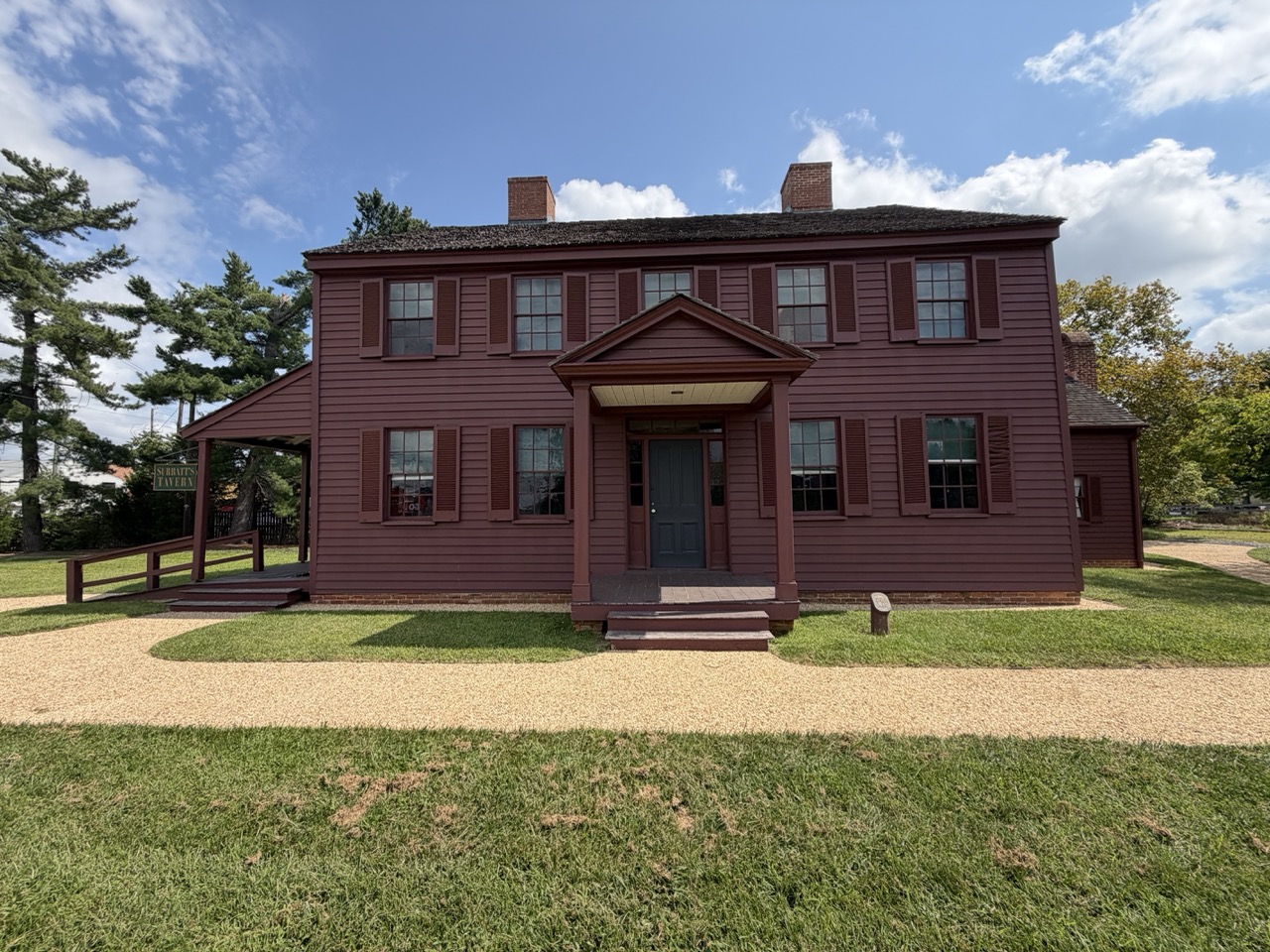
Surratt House Museum, Clinton, Maryland.

How do you interpret a historic house associated with a well-known woman while also telling the stories of the other women who lived and worked there?

At the Surratt House Museum in Clinton, Maryland, the question is particularly interesting. Mary Surratt is infamous for her involvement in the conspiracy to assassinate Abraham Lincoln, but that story largely unfolded elsewhere. By 1864, Mary had moved to a boardinghouse she owned in Washington, D.C., and rented the Maryland property to tavernkeeper John Lloyd. The Washington boardinghouse became a meeting place for John Wilkes Booth and his fellow conspirators. The Maryland house played a different role: weapons and other supplies were hidden there and retrieved by Booth and David Herold as they fled Washington after the assassination.

Our guide made that distinction clear. Booth never entered the house, and we were essentially told to “check your Booth at the door.” Instead, the tour concentrated on the house and the people who had lived and worked there.

Mary and her husband, John, lived here with their children from 1852 to 1864. Their home also operated as a tavern, post office, polling place, and lodging place for travelers. In addition, the Surratts enslaved men, women, and children whose labor supported both the household and its businesses. The tour was most effective when it used the house itself to show how differently women experienced the same place.

Continue reading →
Rethinking How We Find and Interpret Women at Historic Sites

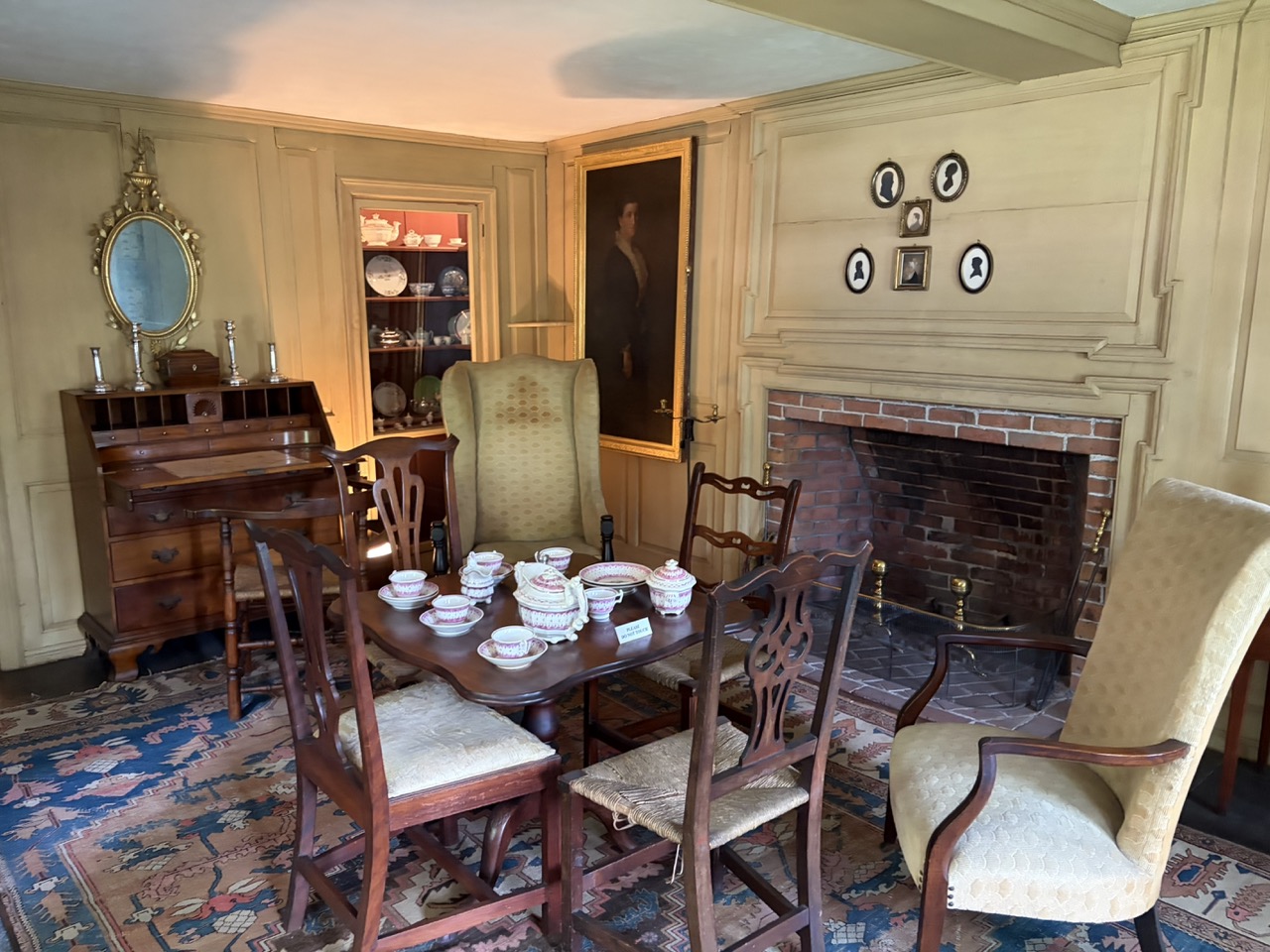
The parlor in the Frary House at Historic Deerfield in Deerfield, Massachusetts. C. Alice Baker restored the house in the 1890s as her Colonial Revival home.

For years, I have heard the same frustration from people working at historic sites: “It is so hard to find information about the women who lived here.” But finding women is only part of the challenge. Even when information about them exists, interpreting their lives can be difficult. Too often, interpretation emphasizes familiar domestic roles and spaces—the kitchen, nursery, or parlor—without exploring the fuller range of women’s experiences.

Earlier this year, I heard many of these same concerns during an American Association for State and Local History (AASLH) discussion on women’s history. Participants described women appearing only in passing in historical records or being found through records associated with men. Others pointed to museum collections that historically documented women’s domestic lives more readily than other aspects of their experiences. The discussion raised two related questions: How do we find the women, and what do we do with what we find?

These questions lie at the heart of a book I am now writing, Interpreting Women’s Lives at Historic House Museums. The challenge is not simply finding more evidence about women. It is reconsidering the approaches we use to find and understand their lives and then bringing that understanding back to the historic places where their stories are told.

Learning from Women’s History

Traditional methods of historical research were largely developed around the activities through which men exercised public power: politics, government, military service, property ownership, and business. Those approaches have produced an enormous body of historical knowledge.

But historians of women discovered decades ago that those same approaches could not simply be applied to women and expected to produce the same results. If we look for women only where we have traditionally found men, women can appear marginal to the historical story. And if we measure women’s lives against men’s experiences, we risk overlooking the ways women exercised power, earned money, maintained relationships, acquired and transferred property, participated in communities, moved through the landscape, and shaped the world around them.

The problem therefore requires more than adding women’s names to an existing story. It requires drawing on methods developed by historians of women to examine women’s lives on their own terms. Those methods have shaped the practical approach I am developing for historic house museums.

Continue reading →