
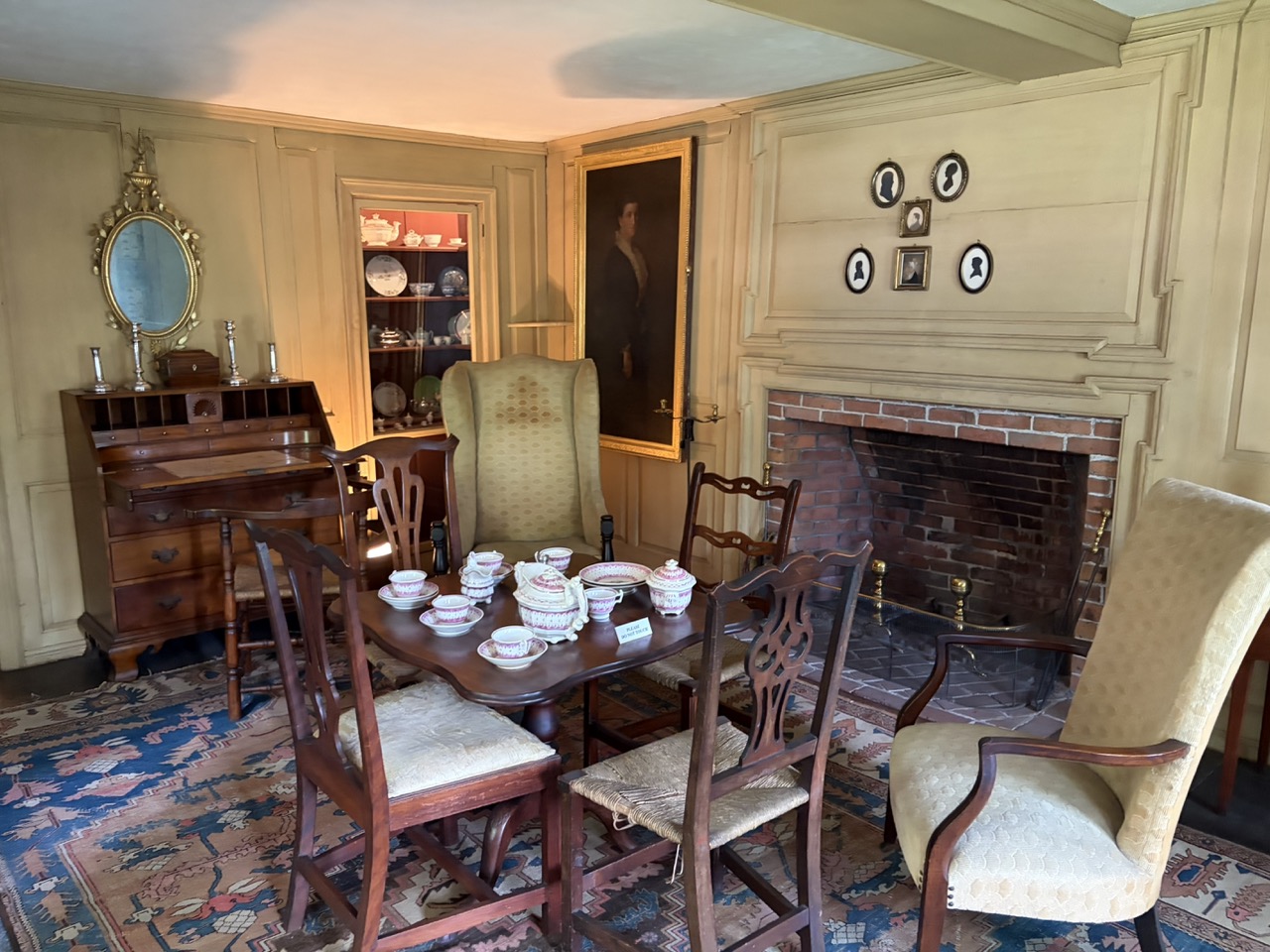
For years, I have heard the same frustration from people working at historic sites: “It is so hard to find information about the women who lived here.” But finding women is only part of the challenge. Even when information about them exists, interpreting their lives can be difficult. Too often, interpretation emphasizes familiar domestic roles and spaces—the kitchen, nursery, or parlor—without exploring the fuller range of women’s experiences.
Earlier this year, I heard many of these same concerns during an American Association for State and Local History (AASLH) discussion on women’s history. Participants described women appearing only in passing in historical records or being found through records associated with men. Others pointed to museum collections that historically documented women’s domestic lives more readily than other aspects of their experiences. The discussion raised two related questions: How do we find the women, and what do we do with what we find?
These questions lie at the heart of a book I am now writing, Interpreting Women’s Lives at Historic House Museums. The challenge is not simply finding more evidence about women. It is reconsidering the approaches we use to find and understand their lives and then bringing that understanding back to the historic places where their stories are told.
Learning from Women’s History
Traditional methods of historical research were largely developed around the activities through which men exercised public power: politics, government, military service, property ownership, and business. Those approaches have produced an enormous body of historical knowledge.
But historians of women discovered decades ago that those same approaches could not simply be applied to women and expected to produce the same results. If we look for women only where we have traditionally found men, women can appear marginal to the historical story. And if we measure women’s lives against men’s experiences, we risk overlooking the ways women exercised power, earned money, maintained relationships, acquired and transferred property, participated in communities, moved through the landscape, and shaped the world around them.
The problem therefore requires more than adding women’s names to an existing story. It requires drawing on methods developed by historians of women to examine women’s lives on their own terms. Those methods have shaped the practical approach I am developing for historic house museums.
Understanding a Woman’s Life
The book develops this approach through a series of methods that build on one another, beginning with identifying a woman, moving toward understanding the significance of her life, and ultimately bringing that fuller understanding back to the historic site.
A name is the starting point, but it can reveal much more than a woman’s identity. How she was named, how her name changed or did not change and how she was identified by herself and others can reveal family relationships, marital status, ancestry, and social connections. Following those relationships can begin to reconstruct the people around her and her place within family and community, providing a foundation for understanding her life.
A timeline places her life alongside changes that affected women’s opportunities and choices. When could a married woman own or control property? Keep her earnings? Obtain a divorce? Attend college? Enter a profession? Vote? Placing her life against those changes reveals not only what she did, but what was legally and socially possible for her at different moments in her life.
Mapping reconstructs the world in which she lived. Where did she go? Who lived nearby? Where did she work, worship, shop, conduct business, visit family, or participate in organizations? Mapping the places, relationships, and networks that made up her world can reveal the scope of her activities, the connections she maintained, and the opportunities and constraints that shaped her life.
And difference helps determine the significance of what has been discovered. How did her experiences compare with those of men and with other women? Was what she did typical or unusual? Did race, class, marital status, religion, wealth, or family connections affect the choices available to her? Comparison reveals what was common, what was possible, what was restricted, and what was exceptional about her experience.
From Research to Interpretation
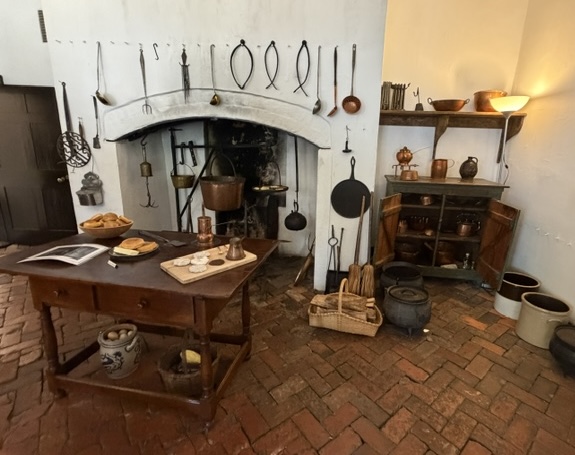
The research, however, is not the end point. The final step is bringing what has been learned back to the historic site. A fuller understanding of a woman’s life can change how the house and grounds themselves are interpreted. A kitchen need not be interpreted only as a place for cooking, a nursery only as a place for raising children, or a parlor only as a place for entertaining. Instead, these spaces can become evidence for exploring larger questions about a woman’s work, relationships, authority, economic activity, responsibilities, opportunities, and constraints.
That is what I hope Interpreting Women’s Lives at Historic House Museums will provide: practical methods that help museum professionals and volunteers uncover women’s lives, understand the significance of what they find, and bring that understanding into the interpretation of historic places.
The book is still very much a work in progress, which is one reason I want to begin talking about it now. I will be attending the AASLH/NCPH annual conference in September and would especially like to hear from people wrestling with these questions at their own sites. What has made women difficult to find in your research? And how are you using what you discover to rethink their interpretation? If you see me at the conference, come tell me what you are finding—or get in touch and share your experiences.

