
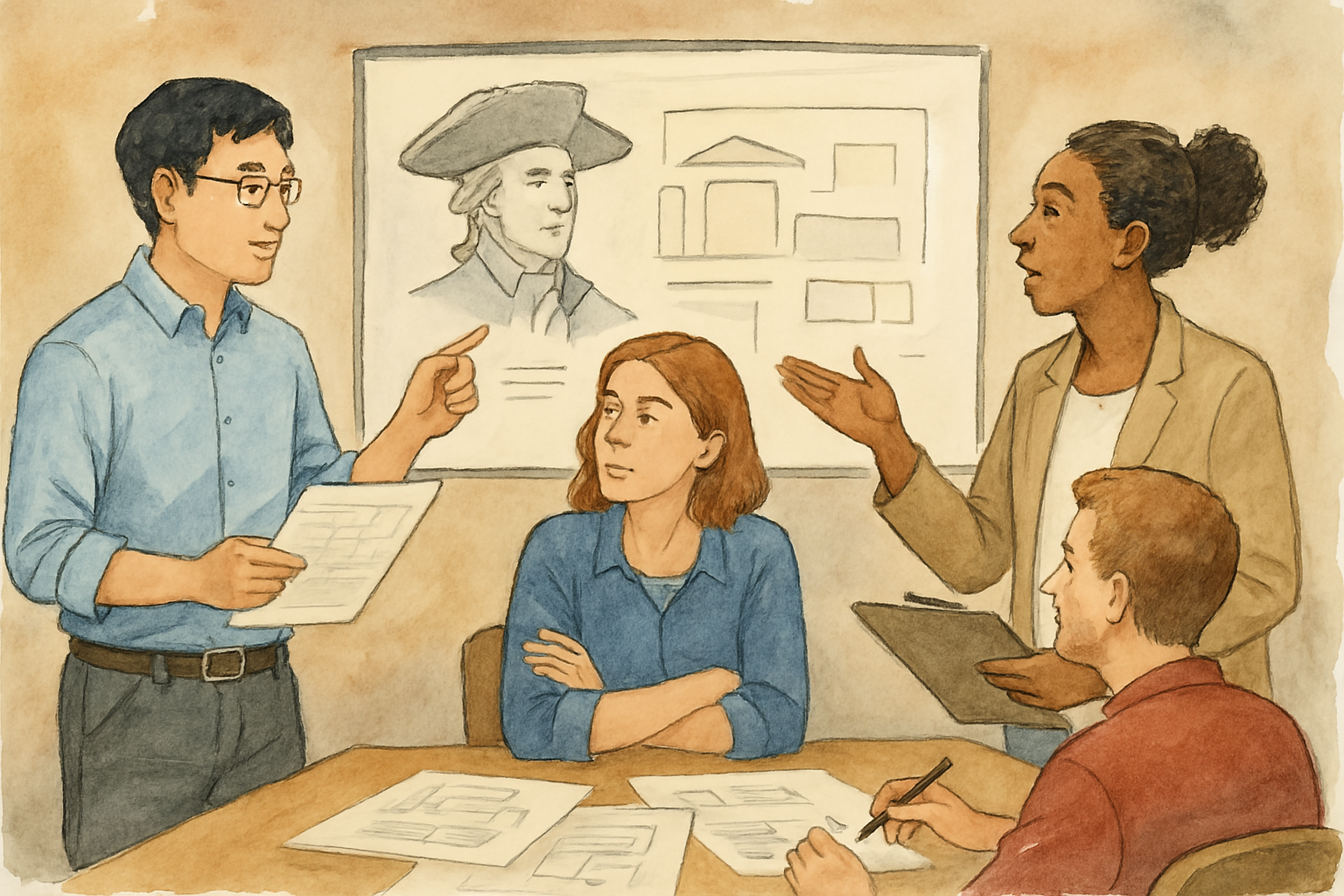
Last week, President Trump issued an executive order titled “Restoring Truth and Sanity to American History”. Aimed at federal cultural institutions—especially the Smithsonian—it calls for more patriotic presentations of American history, emphasizing unity, greatness, and optimism while discouraging exhibits that focus on racism, inequality, or gender identity.
Right now, the order applies only to federal museums. But what if it didn’t?
Let’s imagine the impact on non-federal museums and historic sites across the country—many of which have spent years expanding their stories to include previously marginalized voices and difficult truths.
What the Executive Order Says
The order encourages museums to promote “our extraordinary heritage” and to avoid what it calls “ideological indoctrination or divisive narratives.” It criticizes content that is “inherently racist, sexist, oppressive, or otherwise irredeemably flawed” and that “deepens societal divides and fosters a sense of national shame.” Instead, it wants museums to emphasize “American excellence” and the “progress America has made.”
While these directives may be aimed at the Smithsonian Institution, many worry they signal a broader trend—one that could influence funding, public opinion, and professional standards.
Site by Site: Imagined Impacts
George Washington’s Mount Vernon (Virginia)
Current approach: Includes honest depictions of slavery and Washington’s complicated legacy.
Potential impact: Decreased focus on the lives of enslaved people; Greater emphasis on Washington’s military victories and presidency; Shift toward a more heroic and simplified narrative

 Donald J. Trump’s election to the U. S. presidency is a shock to many pundits and career politicians because he never held elected office and didn’t seem to care about politics or government, except as it might benefit his businesses. His interest is business, following his father into real estate and receiving his bachelor’s degree in economics from the Wharton School, and then pursuing real estate development, professional sports, beauty pageants, for-profit education, branding and licensing, and entertainment. While the 2016 campaign will be heavily analyzed for years to understand its unfolding, my sense is that it’s not just about “change,” but a change in the skills and qualifications required for effective leadership. It’s no longer about mission, vision, or values, but the expertise and perspective of independent business entrepreneurs. And it’s a trend I’ve been witnessing in house museums and historic sites as well.


 Engaging Places