Category Archives: Visitor research

Designing for Impact: Why Reflection Should Be at the Heart of Your Museum Experience

In today’s fast-moving, attention-fragmented world, museums are under pressure to do more than just deliver content–they need to make it stick. Whether it’s an online program, a guided tour, or an immersive performance, professionals are increasingly asking: How do we create experiences that matter? Three recent studies point to a clear answer: if you want to deepen impact, design for reflection.


Reflection Creates Meaningful Museum Visits

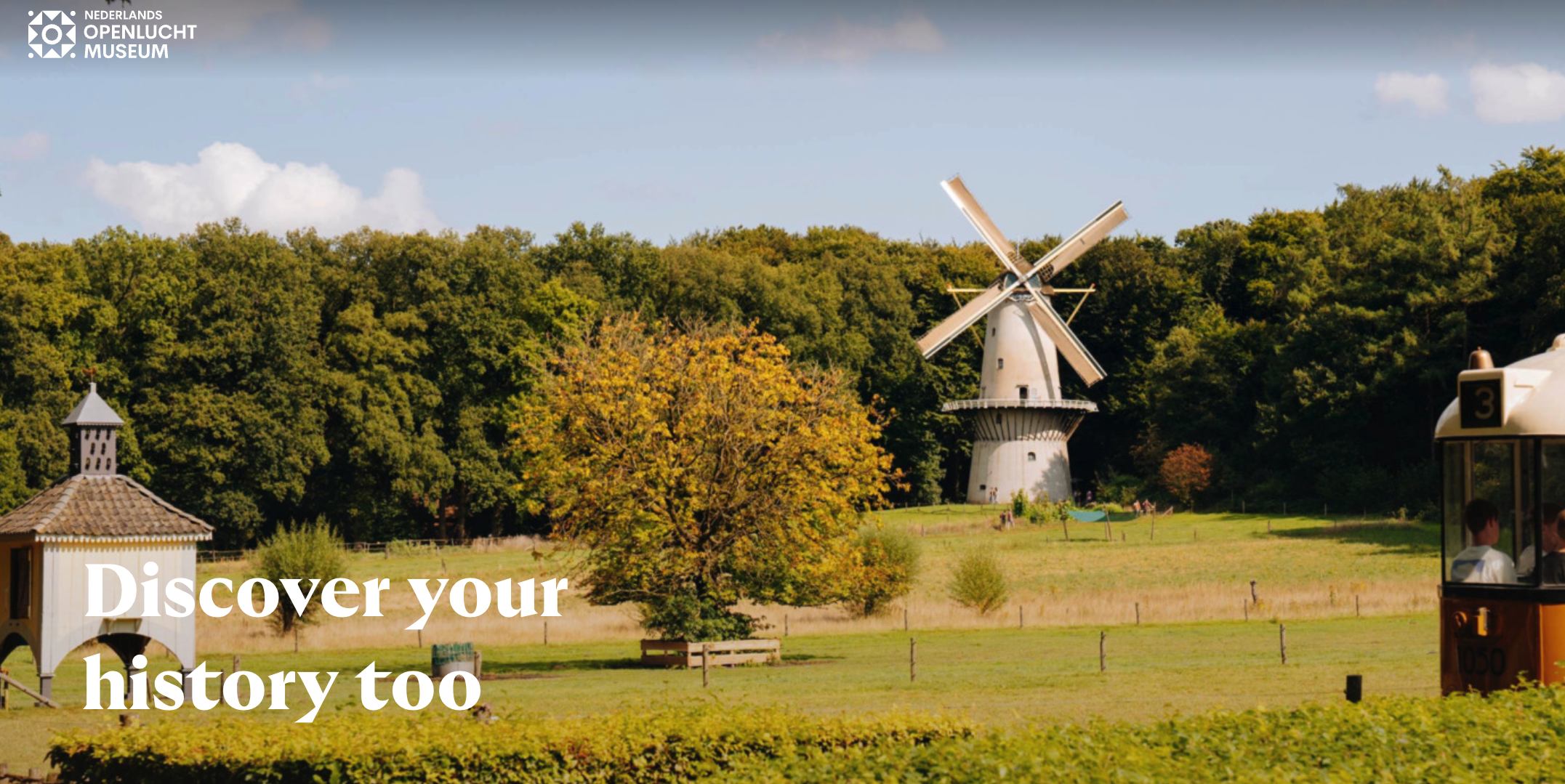
A recent study by Pieter de Rooij and colleagues at the Dutch Open Air Museum in Arnhem investigated what factors contribute to a memorable, meaningful, or transformative museum experience. Using surveys from over 500 visitors, they found that reflection was the strongest predictor of all three outcomes, while sociability and joy had a smaller yet significant effect. Visitors who were prompted to think about new ideas or connect the experience to their own lives were significantly more likely to report lasting impact.

Interestingly, traditional design features—such as beautiful displays, freedom to roam, or relaxing environments—were not strong predictors of impact. While those elements may support comfort and enjoyment, they don’t on their own foster deeper engagement.

Continue reading

Bridging the Gap: Tackling Visitor Awareness & Digital Programming

Ask any museum professional about barriers to participation, and you’re likely to hear about time, cost, or location. But two recent studies suggest the real obstacles may be more subtle—and more solvable. Whether your museum operates online, outdoors, or in a traditional building, one persistent challenge remains: many potential visitors don’t know what you offer or don’t believe it’s for them.


Non-Visitors Aren’t Uninterested—They’re Unaware or Uncertain

Wilcox et al. studied visitation patterns at two urban National Park Service sites in Washington, DC: Rock Creek Park and the C&O Canal. They surveyed both visitors and non-visitors during the pandemic and found that the most common constraint for non-visitors wasn’t disinterest—it was lack of awareness. Many simply didn’t know what the parks offered, where they were located, or whether they were open to the public.

Continue reading

How to Turn Exploratory Visitors into Loyal Fans

Museums and historic sites face a persistent challenge: how to transform mildly interested visitors into deeply engaged patrons. These exploratory visitors—those who follow your social media accounts, visit the website, or attend an occasional event—represent a critical audience segment with untapped potential. How can museums help these visitors feel more connected and motivated to return?

Three recent studies offer actionable insights into addressing this challenge: one on the power of framing and emotional relevance, another on the role of clear wayfinding in reducing visitor anxiety, and a third on the holistic visitor experience at heritage attractions.

Lesson 1: Framing and Emotional Relevance Matter

In “The Role of Framing, Agency, and Uncertainty in a Focus-Divide Dilemma,” Justin Claydon et al highlight how contextual framing—presenting information in a familiar, relatable way—dramatically improves motivation and engagement. When tasks are abstract or unfamiliar, people struggle to prioritize and engage effectively. Conversely, framing a task with real-world relevance reduces uncertainty and increases interest.

Continue reading

Is Free Admission Really the Key to Unlocking Museum Doors?

Imagine walking into a museum for the first time. The sunlight filters through glass atriums, the smell of polished wood and history greets you, and the quiet hum of curiosity fills the air. For some, this is an everyday experience. For others, it’s a world they’ve never dared to enter. Free admission promises to change that, throwing open the doors to anyone, regardless of their pocketbook. But does it really work? I scanned the journals to see what researchers had discovered.

What Free Admission Gets Right

Let’s face it—free admission has a magnetic pull. People are more likely to take a chance when the price barrier vanishes. Lin (2008) notes that museums offering free access often see surges in attendance. Suddenly, a day at the museum isn’t competing with groceries or a new pair of shoes—it’s a possibility.

In France, Gall-Ely et al. (2007) found that free admission felt like a gift. Visitors talked about how it gave them permission to explore without guilt or second-guessing. Think of it as a universal invitation: “Come in, look around. This is your space, too.” Similarly, Barbosa and Brito (2012) found that open-day events broke the ice, especially for hesitant first-timers. Those who’d never considered a museum visit were finally stepping inside.

Continue reading

AI in Action: Enhancing Museum Programs with Audience-Driven Insights

In museums and historic sites, whether you’re designing school programs, workshops, docent training, or exhibitions, understanding the needs and interests of your audience is key to success. But how do you efficiently analyze diverse feedback and connect it to your goals? Recently, I experimented with a creative process that combined audience input and AI to revise the learning objectives for my graduate course, Creating Sustainable Museums. The results not only improved the course but also offered insights into how AI can be used to enhance museum work.  

This approach was inspired by research conducted by Conny Graft at Colonial Williamsburg decades ago, which revealed that the goals of museum educators for school field trips often didn’t align with those of teachers. When those misalignments went unaddressed, they could lead to disappointment for both parties. Graft’s work emphasized the importance of finding common ground between institutional goals and participant expectations—a principle that remains essential in museum work today.

Start with Your Audience’s Goals

My course revision process began with a pre-course online survey, asking students to share what they hoped to know, feel, and do by the end of the semester. Using GPT, I quickly synthesized and categorized their responses to reveal predominant interests in financial, social, and environmental sustainability, as well as a strong desire to gain practical, job-ready skills. This step is akin to understanding your audience in a museum setting: what do your participants want to know, feel, or do? Are they looking for historical context, practical skills, or a new way to connect with the past?

Continue reading

Reimagining Historic House Museums Workshops Coming to Texas

Reimagining workshop in St. Louis, Missouri.

I’m excited to announce that I’ll be co-teaching two Reimagining the Historic House Museum workshops in Texas this November with Ken Turino, hosted by the American Association for State and Local History in collaboration with the Texas Historical Commission. It’s a big state, so we’re offering it twice! If you’re a museum professional, volunteer, or student interested in exploring fresh strategies for engaging visitors and revitalizing historic house museums, these workshops are a great opportunity to explore new ideas and connect with colleagues.

Why Attend?

Historic house museums are at a pivotal moment, navigating changes in visitor expectations, community needs, and funding models. These workshops are designed to help you tackle these challenges, offering practical solutions for making your house museum more accessible, sustainable, and relevant. By focusing on innovative interpretation, strategic planning, and community engagement, you’ll be empowered to breathe new life into your historic house museum.

What You’ll Learn

This one-day, hands-on workshop explores the most pressing challenges and rewarding opportunities facing historic sites in America today. We’ll delve into the latest social and economic research to help you identify how these trends impact your own house museum, sparking new ideas for growth and engagement.

Throughout the day, we’ll introduce a variety of field-tested tools and techniques drawn from diverse areas like non-profit management, business strategy, and even software development. You’ll hear about innovative historic sites that are successfully adopting new models to engage their communities, offering fresh interpretation and programming, and generating income to boost financial sustainability.

A key highlight of the workshop is our facilitated brainstorming session based on Michael Porter’s Five Forces framework, where you’ll work with fellow participants to reinvent an event or program for an actual house museum. This practical exercise not only puts theory into action but also showcases the power of collaborative thinking to drive change.

Details and Registration

  • Mesquite Workshop (near Dallas): November 12, 2024 – Heritage Plaza Visitor Center
  • Houston Workshop: November 14, 2024 – Bayou Bend Collection and Gardens
  • Cost: $350 for non-members, $225 for AASLH members
  • Registration: Visit AASLH’s website for more information and to sign up. Participation is limited.

I hope to see you there as we explore how to bring new life and relevance to historic house museums. Together, let’s make these vital cultural spaces vibrant, engaging, and sustainable for generations to come!

Impact, Sustainability, and Non-Profit Programs

For small non-profit organizations operating on less than a million dollars annually, programs are often the beating heart of the operation. The best programs balance mission and financial sustainability to serve their audiences. Program revenue (admissions, events, and membership dues) can be a vital means of maintaining financial stability and growth. For History-Focused Organizations [Museums (NTEE A50), History Museums (A54), History Organizations (A80), and Historical Societies & Historic Preservation (A82)] as overall revenue grows, so does the share of program revenue. This means as your organization grows, so should the prominence of your programs as a true revenue driver (see figure 1 below).

As small history-focused organizations expand, it’s crucial to manage their programs wisely to increase income while keeping the mission in mind. For small groups, program decisions can be very personal, often influenced by board or staff interests. Taking a strategic approach to these decisions can boost the organization’s growth and success.

Continue reading

New NEH Interpretive Planning Grant for Small Organizations

Scholars reviewing the archives at the Haas-Lilienthal House.

The National Endowment for the Humanities, a federal granting agency, recently announced a special grant program to support interpretive planning at small organizations for up to $25,000, no match required.

What does “small” mean? You need to meet at least two of the following:

  • Annual operating expenses of less than $1,000,000
  • Located in a community with less than 300,000 residents
  • A staff of less than 50 people
  • Rely primarily on volunteers or part-time staff.
  • A mission to interpret under-told stories or serving a non-traditional audience

Hmm…that describes most history organizations in the US, so if you’re reading this post, you’re probably eligible.

Now, what will it support? Nearly anything that improves or enhances the interpretation of your collection, site, or community, such as:

  • help you think creatively about the hidden strengths of your collections or historic site
  • generate new ideas for engaging with the community
  • train staff and volunteers on interpretive methods and techniques
  • develop a framework for developing public programs
  • creating interpretive plans for exhibitions, tours, or school programs
  • visiting other historic sites or museums to sharpen skills and knowledge
  • evaluating existing tours or exhibitions
  • testing new programs for their ability to engage new audiences
  • conducting historical research to support new interpretive themes

Projects must include at least one scholar from a humanities discipline (e.g., history) or one consultant specializing in interpretation to the public (Engaging Places can help you with this), as well as at least one expert on your local community. 

Applications are due June 28, 2023 for one to two year projects beginning between March 1 and May 1, 2024. You will need all of that time to prepare an application and NEH will read draft applications submitted by May 24. Remember to register in advance with the System for Award Management (SAM) and Grants.gov—those are steps you cannot do at the last minute.

For more details, scan the overview or jump right to the 35-page grant application instructions (officially called a Notice of Funding Opportunity).

Who Knows How COVID Affected History Organizations? AASLH Will With Your Help.

Photo by Sora Shimazaki from Pexels

Visitation at history organizations was flat from 2018 to 2019, according to AASLH’s 2020 National Visitation Report. More than 1,100 institutions across the country found almost no change in visitation from 2018 to 2019. But what will be the impact of COVID-19 on visitation in 2020?

According to AAM and Wilkening Consulting, their “National Snapshot of COVID-19 Impact on United States Museums” in October 2020 survey of museums revealed that nearly one-third of executive directors believed there was a “significant risk” (12%) of closing permanently by fall 2021 or they “didn’t know” (17%) if they would survive. Secondly, it showed that “museums are operating at, on average, 35% of their capacity–an attendance reduction that is unsustainable long-term.”

It’s now nearly six months later and time for the field to share our annual metrics to understand what actually happened, not rely on predictions. AASLH is now collecting data for the 2021 National Visitation Survey—it closes on Wednesday, March 31. It takes ten minutes to complete and all survey respondents will receive free, advance access to the results later this year. You will need on-hand your visitation data for 2019 and 2020, and your institution’s budget and staffing for 2020. More details and the survey are available at https://www.surveymonkey.com/r/Visitation2021.

Recent Research on Common Target Audiences for Museums

Students in “Museums and Community Engagement” develop engagement plans through a wide variety of tools and techniques, including crowdsourcing research on target audiences.

This semester my course on museums and community engagement at George Washington University prepared an annotated bibliography of research published in the last decade on audiences that are a common focus for museums in the United States:  students in grades 3-5, families with children under 12 years, and adults over 50 years.  Because most museums don’t have access to academic research libraries, the class has agreed to share their bibliography with the field (link to pdf below).  While the thirty-six articles provide a useful picture of the research for these audiences, please recognize it is not complete nor comprehensive—with twelve students in the course in a fast-moving semester, this is just to get them started on a community engagement plan for the Alexander Ramsey House, Joel Lane House Museum, and Van Cortland House.

Highlights of Recent Research on Common Target Audiences for Museums 2019