Category Archives: Signs

Photography, Permission, and Fair Use: Where Museum Policies Get Complicated

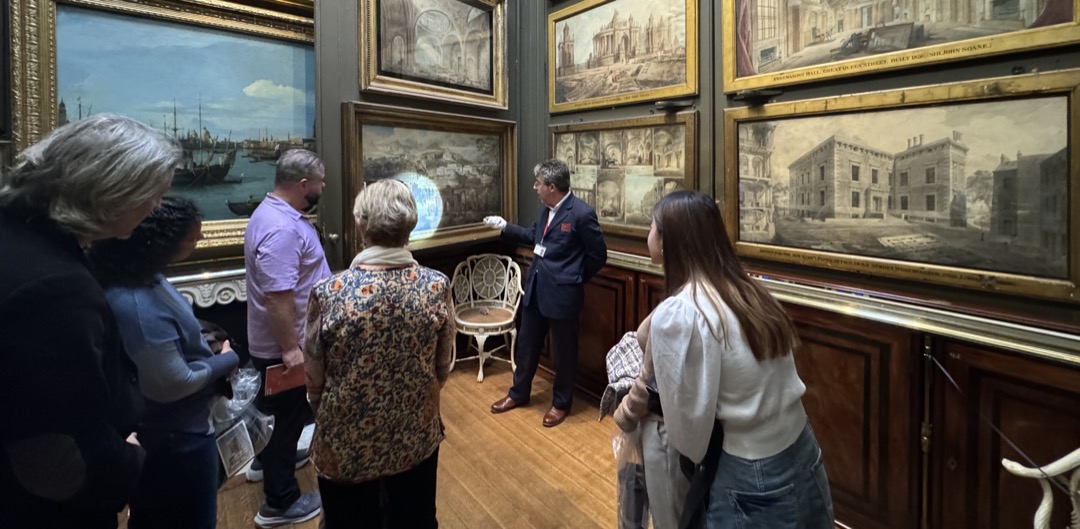
Do I need permission to take photos of a guided tour in a museum?

In the previous posts in this series, I looked at visitor codes of conduct, visitor photography policies, and commercial or media photography policies. Those policies are becoming more visible because photography is no longer a simple matter of “Can I take a picture?” A single image can be a personal memory, a social media post, a teaching tool, a scholarly document, a news illustration, a commercial asset, or evidence in a public debate.

This final post turns to the more complicated issues: fair use, copyright, photo releases, privacy, and ethics. As a reminder, I am not a lawyer, and this is not legal advice. Museums should consult an attorney when writing policies involving copyright, image permissions, privacy, publicity rights, releases, commercial use, or contracts. My purpose here is to identify common points of confusion that arise when museums, visitors, writers, teachers, scholars, and photographers try to understand what permission is needed and from whom.

I encounter these questions in my own work. As someone who photographs museums and historic sites for this blog, teaching, consulting, and research, I occasionally wonder: should I ask permission from the museum before publishing a photograph of an exhibition? Do I need a model release if visitors appear in the background? Is it appropriate to photograph a historic house where people still live nearby? Does it matter if I am writing criticism, promoting the museum, or using the image in a paid presentation?

These questions are often confused with a different issue: what museums need to do when they use images of visitors for their own promotional purposes. A visitor taking a photograph in a gallery, a museum using a child’s image in a fundraising campaign, and a company filming a commercial in a sculpture garden are not the same thing. They raise different legal, ethical, and managerial questions. Policies should be clear enough that frontline staff can explain them without being expected to interpret copyright law, privacy law, or fair use on the spot.

Four Issues That Often Get Confused

Photography policies often blend several distinct issues:

  • Copyright: who owns the rights to the artwork, photograph, exhibition label, design, film, or other creative work that appears in the image?
  • Access: what conditions did the museum place on photography as part of admission, ticketing, visitor conduct, or use of its property?
  • Privacy and publicity: are identifiable people shown in the image, and is their likeness being used in a way that requires permission?
  • Ethics: even if a photograph is legally permissible, is it respectful, accurate, safe, and consistent with the museum’s values and the dignity of the people, places, and stories involved?
Continue reading

Can I Take a Picture?

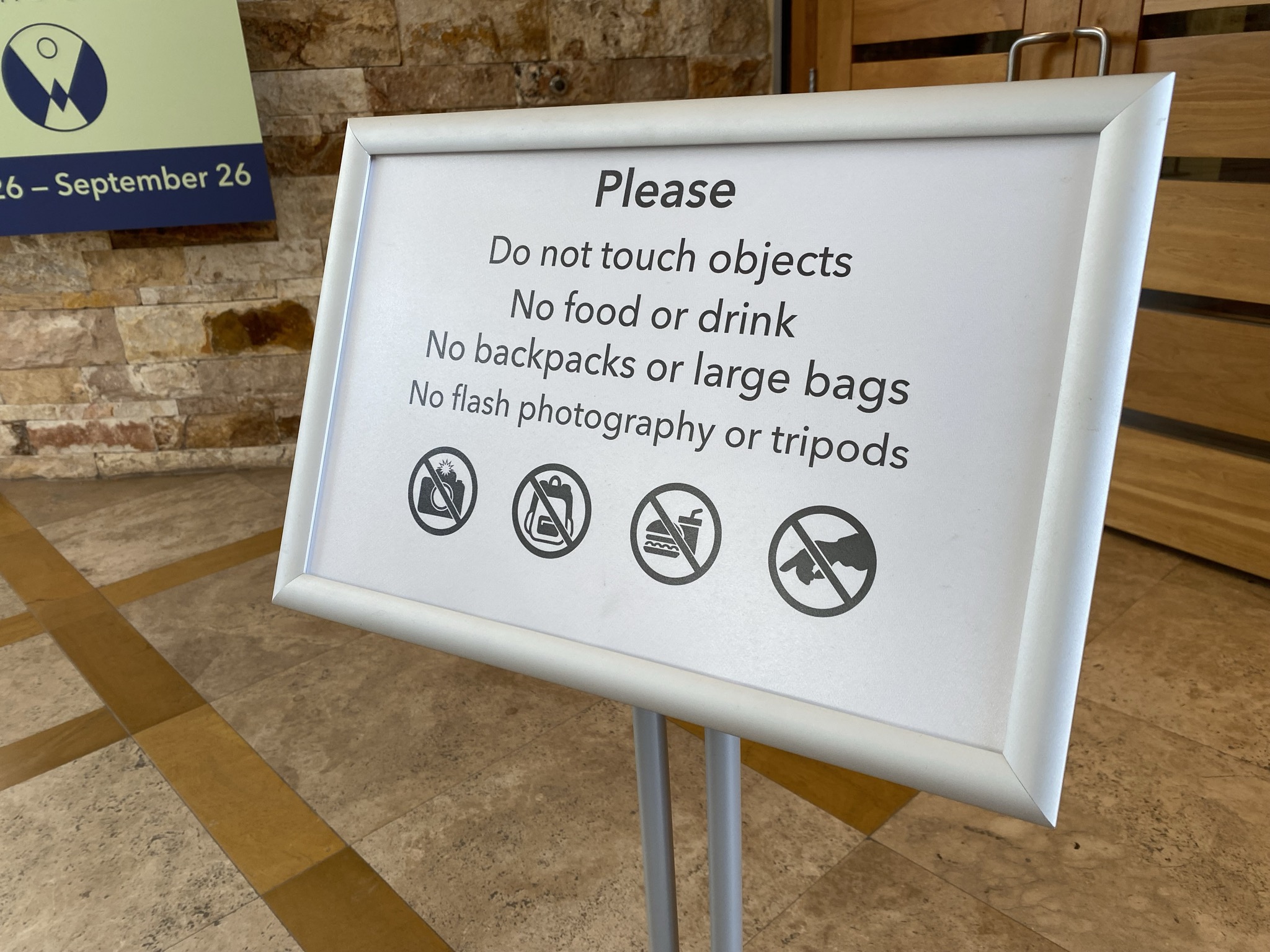
Sign at the entrance to the Albuquerque Museum in New Mexico.

What Museum Photography Policies Reveal About Visitor Experiences

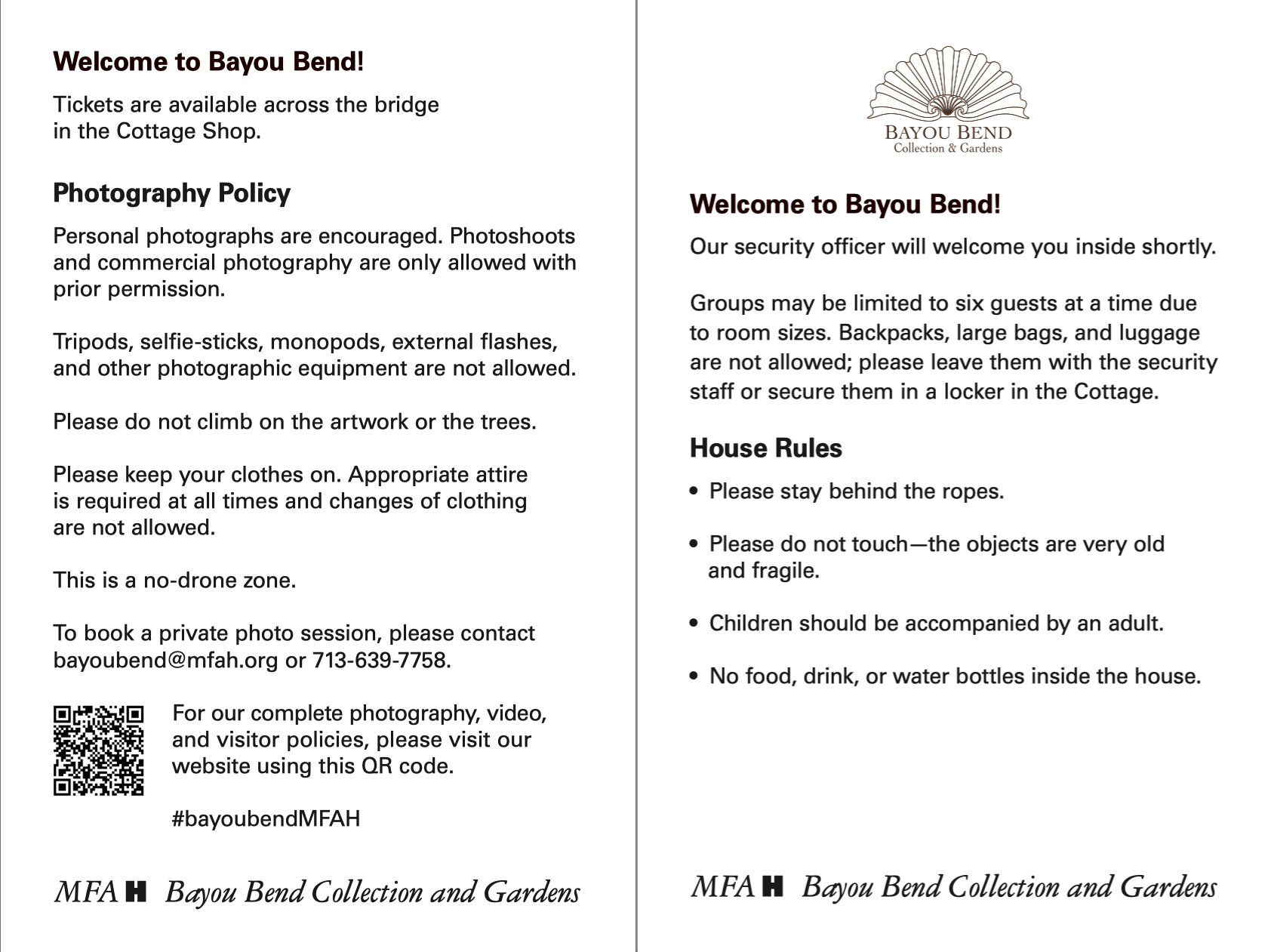
While examining visitor codes of conduct, I started noticing another kind of museum policy that is becoming more visible: photography policies. They appear on websites, ticketing pages, “Know Before You Go” guides, and signs in galleries, historic houses, gardens, and exhibitions. Like codes of conduct, photography policies have always existed in some form, but they now seem more detailed, more prominent, and more complicated.

At first glance, the question seems simple: can visitors take pictures? But museum photography policies reveal that this is no longer a yes-or-no issue. The better question is: what kind of photography, by whom, for what purpose, in what space, and with what effect on collections, staff, visitors, and the experience?

To explore this question, I reviewed photography rules embedded in dozens of visitor codes of conduct and visitor policy pages from museums and historic sites. This was not a scientific or comprehensive study. It was an initial scan of current practice to identify common patterns and management issues. I am not offering legal advice here; museums should consult an attorney on copyright, releases, privacy, and commercial use. My interest is in how these policies shape visitor experience and staff decision-making.

The broad trend is clear: casual, personal photography is increasingly welcomed, but excessive equipment and disruptive, staged, or commercial photography is increasingly controlled.

Continue reading

Peel-and-Replace Signage: A Durable and Flexible Alternative for Outdoor Interpretation

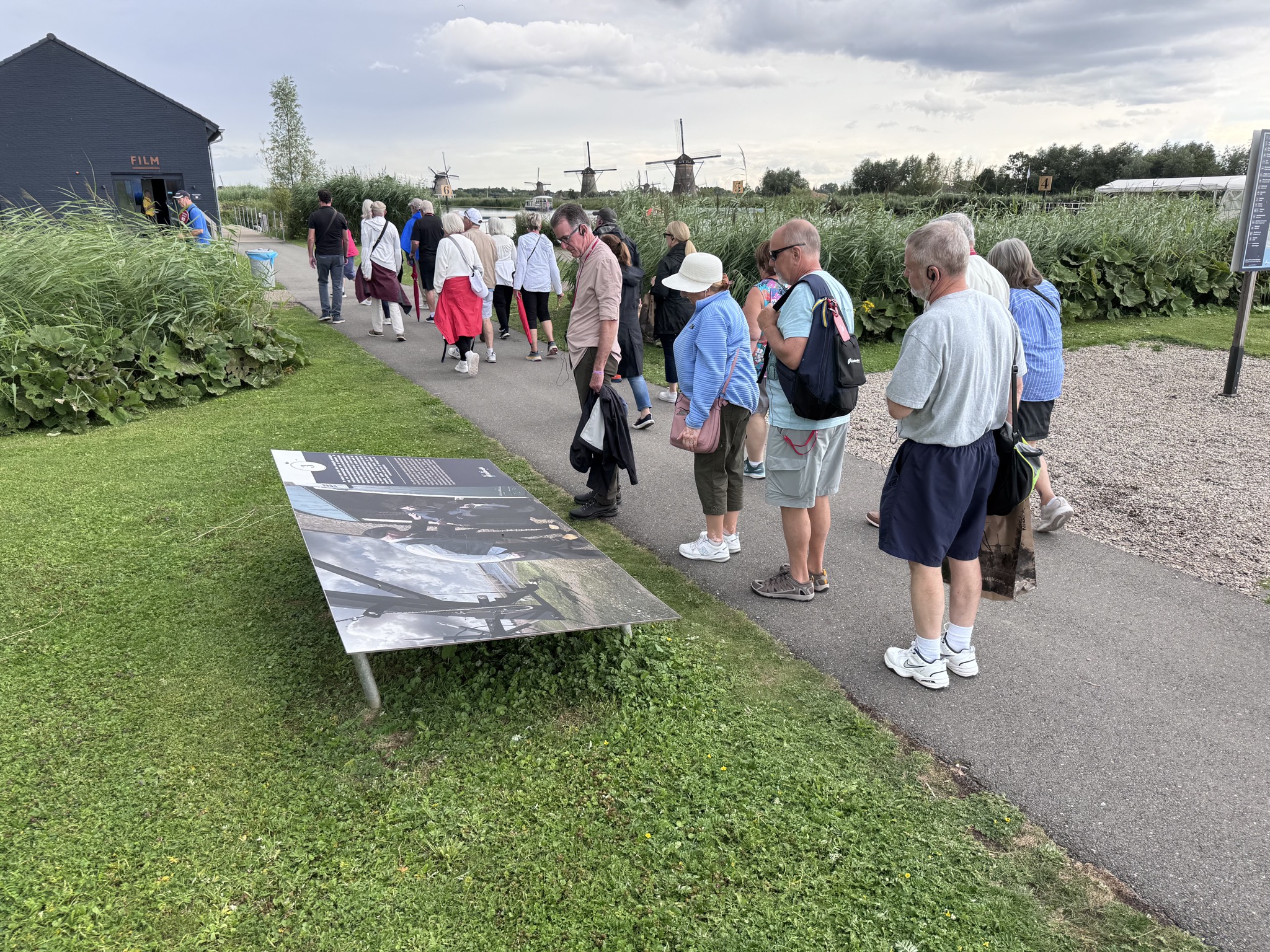
A large interpretive sign at Kinderdjik in the Netherlands.

On a recent trip to Europe, I encountered one of the most durable yet inexpensive approaches to outdoor signage I’ve seen: printed sheet vinyl applied to thin aluminum laminate panels, typically 1/8 to 1/4 inch thick. These signs can be cut into custom shapes, mounted to walls or posts, and grouped together to present text in digestible sections. When panels need revision or repair, the vinyl surface is simply peeled away and replaced.

The advantages are striking. Because the medium is printed vinyl, designers can easily incorporate full-color photographs, maps, diagrams, and QR codes alongside text. Unlike banners, these signs don’t wrinkle or sag, giving them a crisp, professional appearance. Compared with porcelain enamel or glass-based panels—beautiful but costly and still prone to damage—the peel-and-replace model offers museums and nonprofits a flexible, affordable option.

There are cautions. Outdoor durability must be tested over time to ensure resistance to fading or peeling, and they may need to be framed if the sharp corners pose a safety hazard in high-traffic areas. If you’re in the Southwest, these metal signs could become hot enough to shorten the life-span of vinyl. Still, the opportunity is clear: this approach lowers barriers to producing high-quality interpretative signs. Next steps for museums include piloting small-scale installations to measure longevity, visitor response, and cost savings before broader adoption.

Continue reading

How to Turn Exploratory Visitors into Loyal Fans

Museums and historic sites face a persistent challenge: how to transform mildly interested visitors into deeply engaged patrons. These exploratory visitors—those who follow your social media accounts, visit the website, or attend an occasional event—represent a critical audience segment with untapped potential. How can museums help these visitors feel more connected and motivated to return?

Three recent studies offer actionable insights into addressing this challenge: one on the power of framing and emotional relevance, another on the role of clear wayfinding in reducing visitor anxiety, and a third on the holistic visitor experience at heritage attractions.

Lesson 1: Framing and Emotional Relevance Matter

In “The Role of Framing, Agency, and Uncertainty in a Focus-Divide Dilemma,” Justin Claydon et al highlight how contextual framing—presenting information in a familiar, relatable way—dramatically improves motivation and engagement. When tasks are abstract or unfamiliar, people struggle to prioritize and engage effectively. Conversely, framing a task with real-world relevance reduces uncertainty and increases interest.

Continue reading

Discovering Inspiration: Innovative Ideas from Texas Museums

Last week, Ken Turino and I conducted two “Reimagining House Museums” workshops in Mesquite (near Dallas) and Houston. These sessions sparked meaningful conversations about the future of house museums, but the inspiration didn’t stop there. We used our free time to visit several nearby museums, each offering unique approaches that left us thinking about how museums can better serve their audiences. Here are some standout ideas we discovered:

1. Personalizing Donor Recognition and Wayfinding at the Perot Museum of Science and Nature

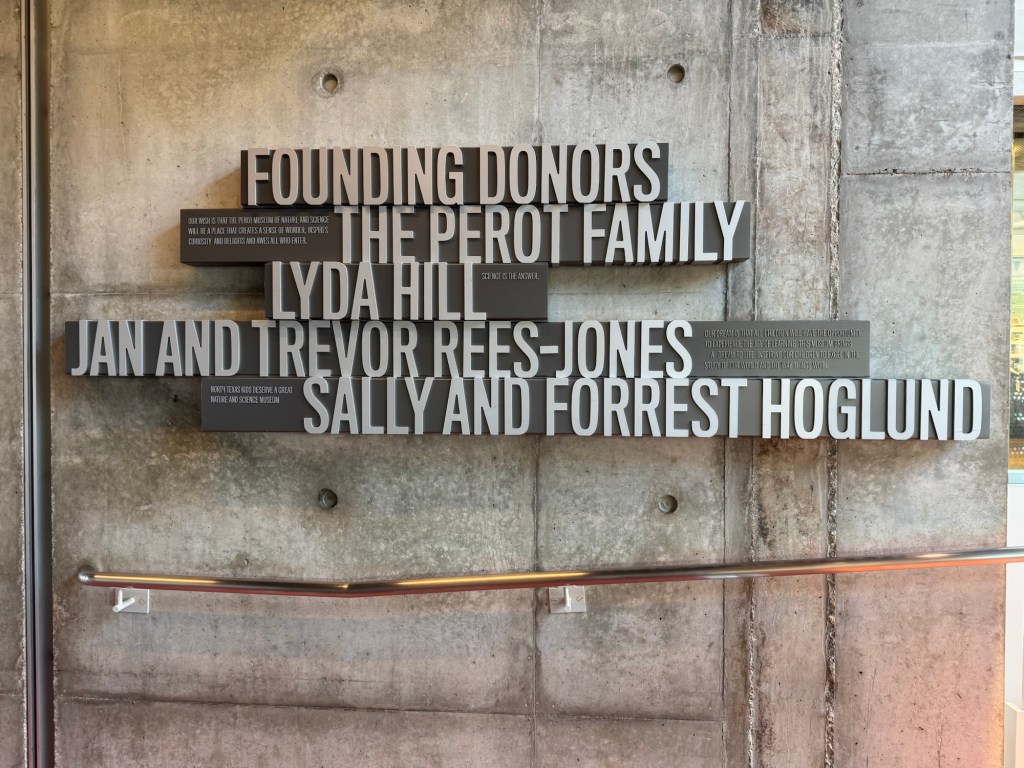
The Perot Museum caught our attention with its donor wall, which didn’t just list names but included statements of intent from the donors. This added a personal touch, connecting visitors with the motivations behind the support. Another smart detail: wayfinding signage that directed visitors to “more cool exhibits.” This casual yet engaging language was both clear and inviting, proving that small touches can make a big impact.

Donor wall with statements of intent at the Perot Museum in Dallas.
Continue reading

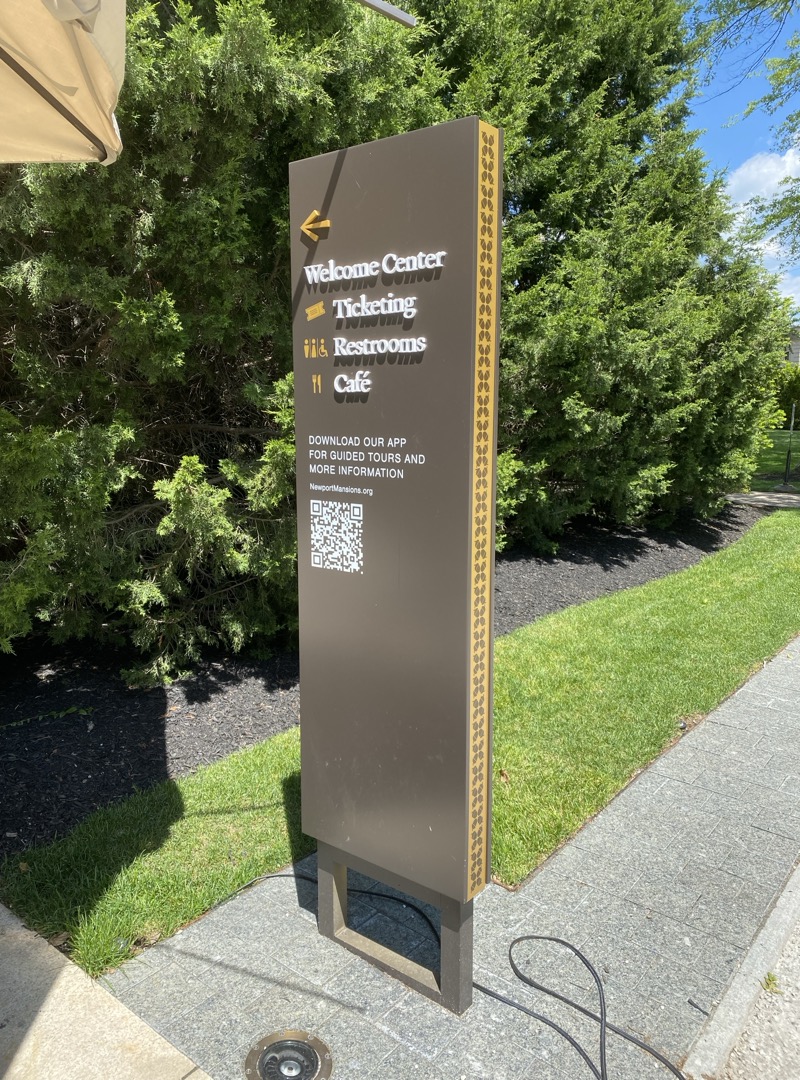
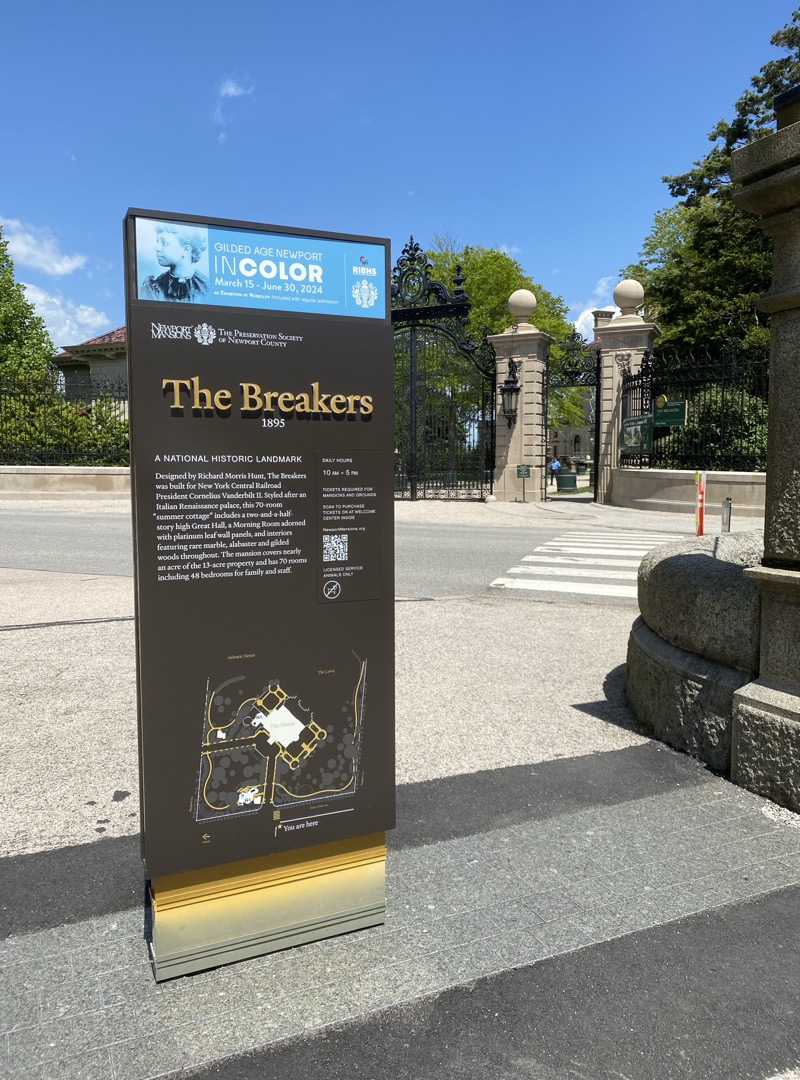
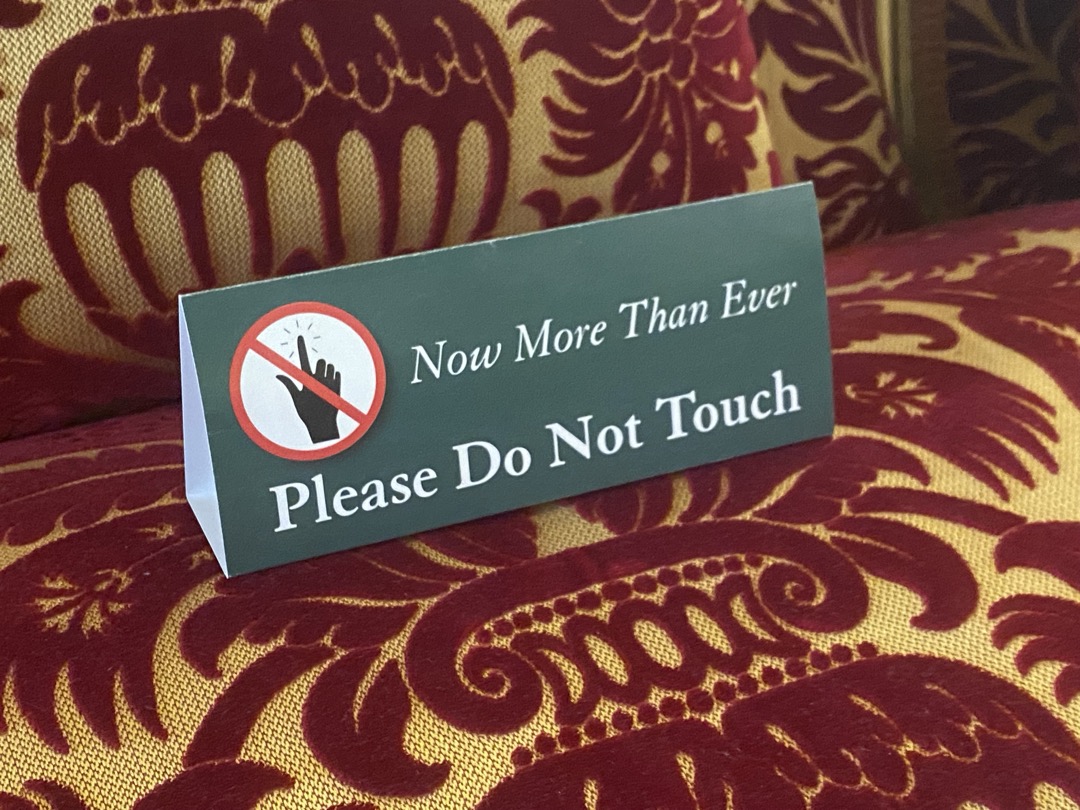
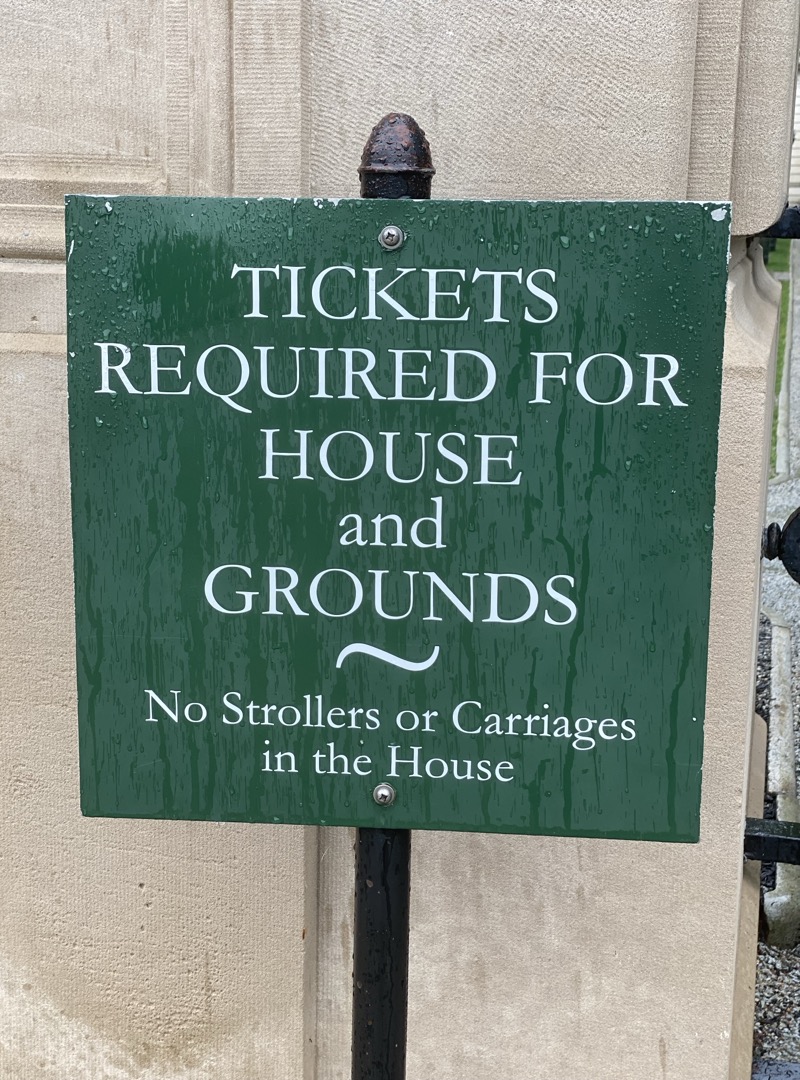
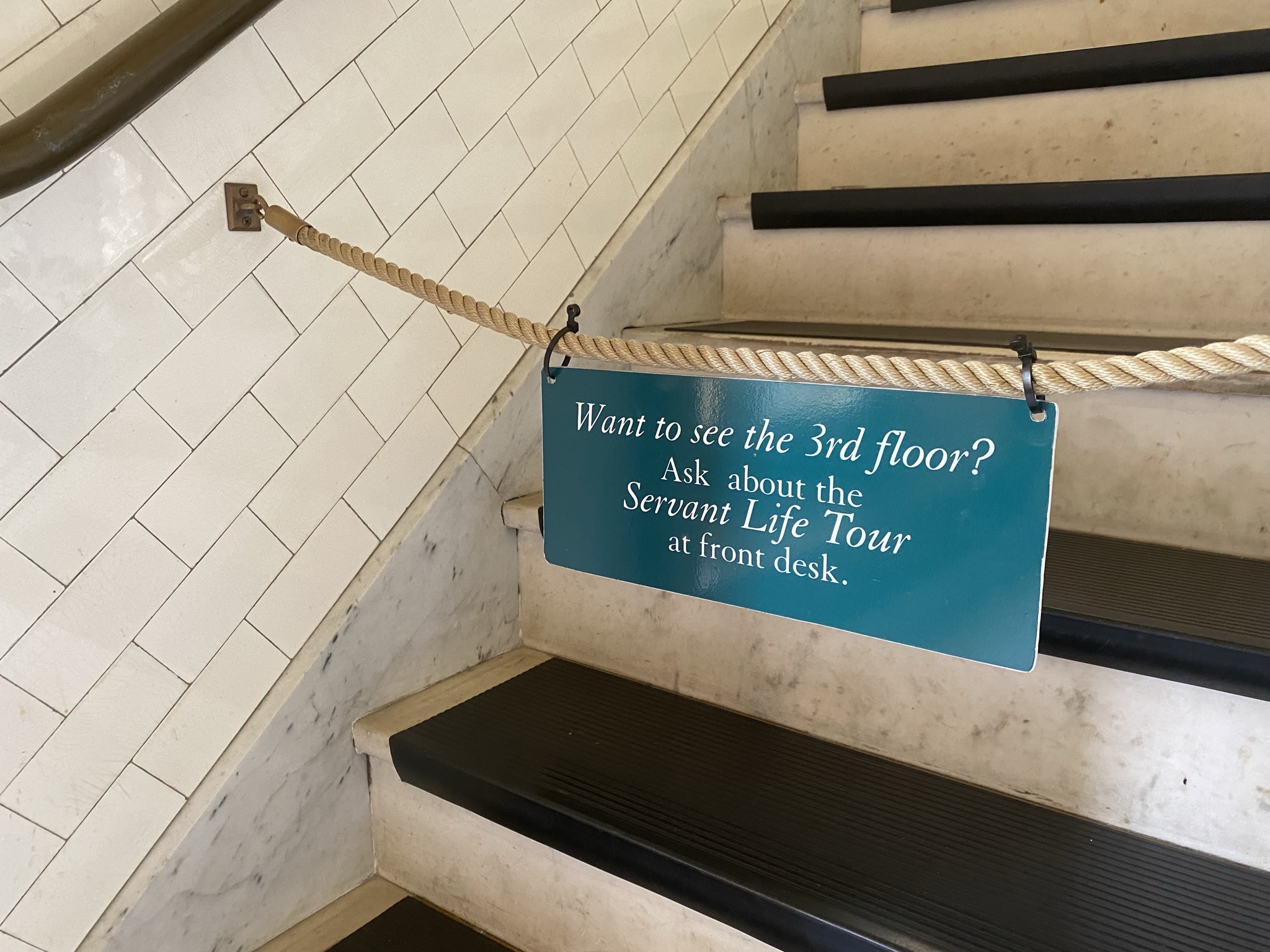
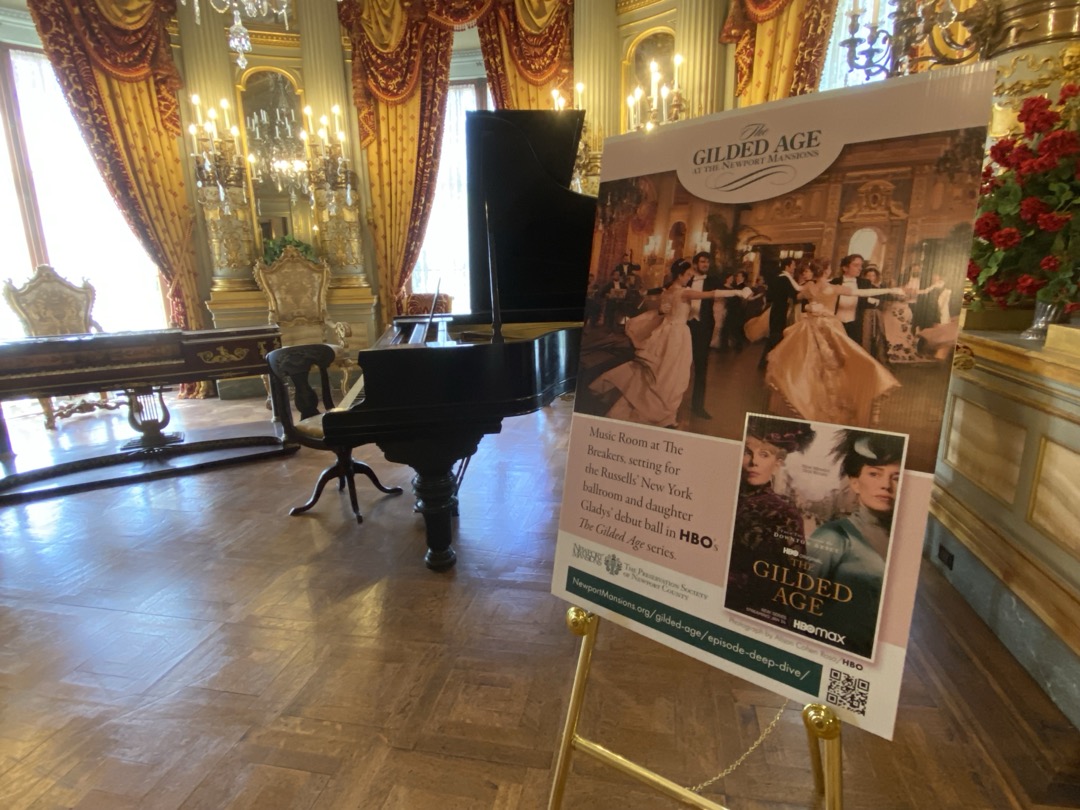
Signage Inspiration from Newport’s Gilded Age Mansions

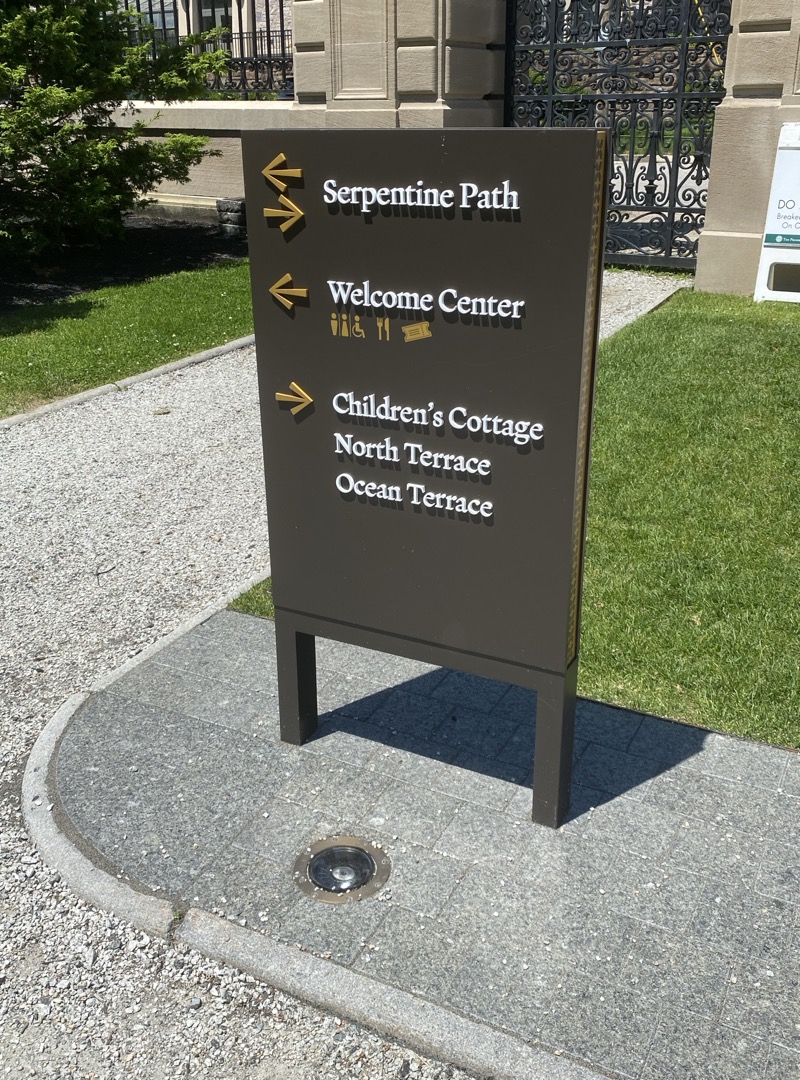
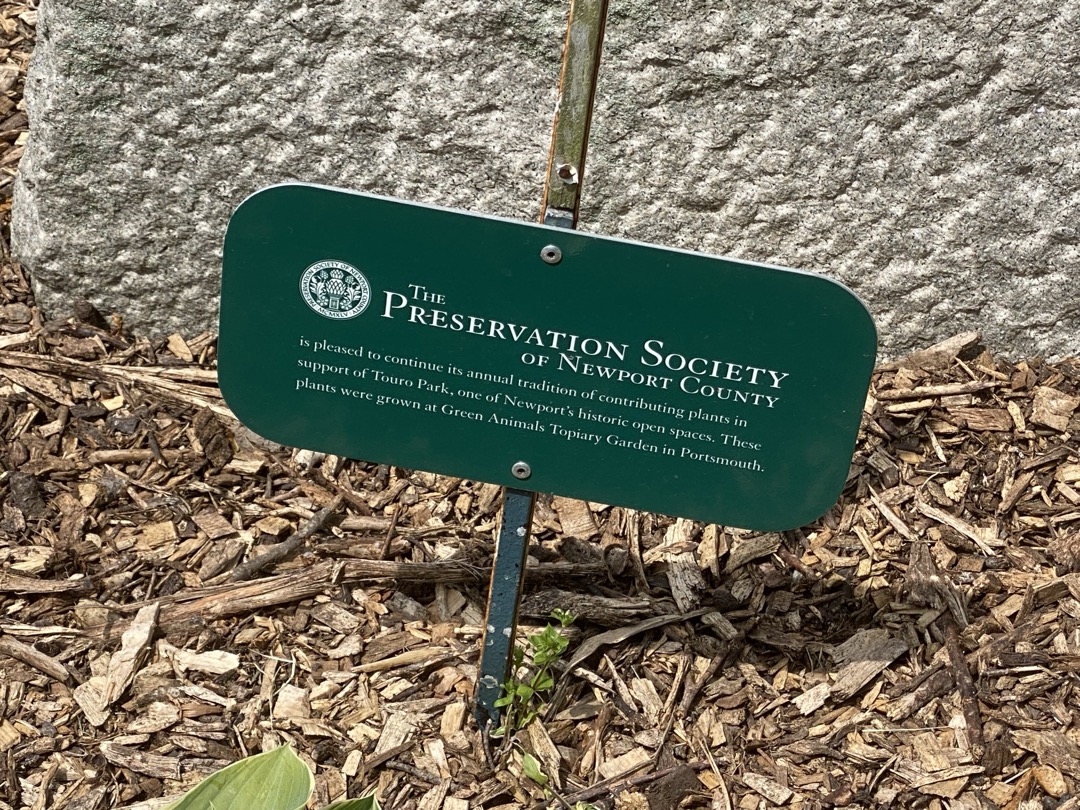
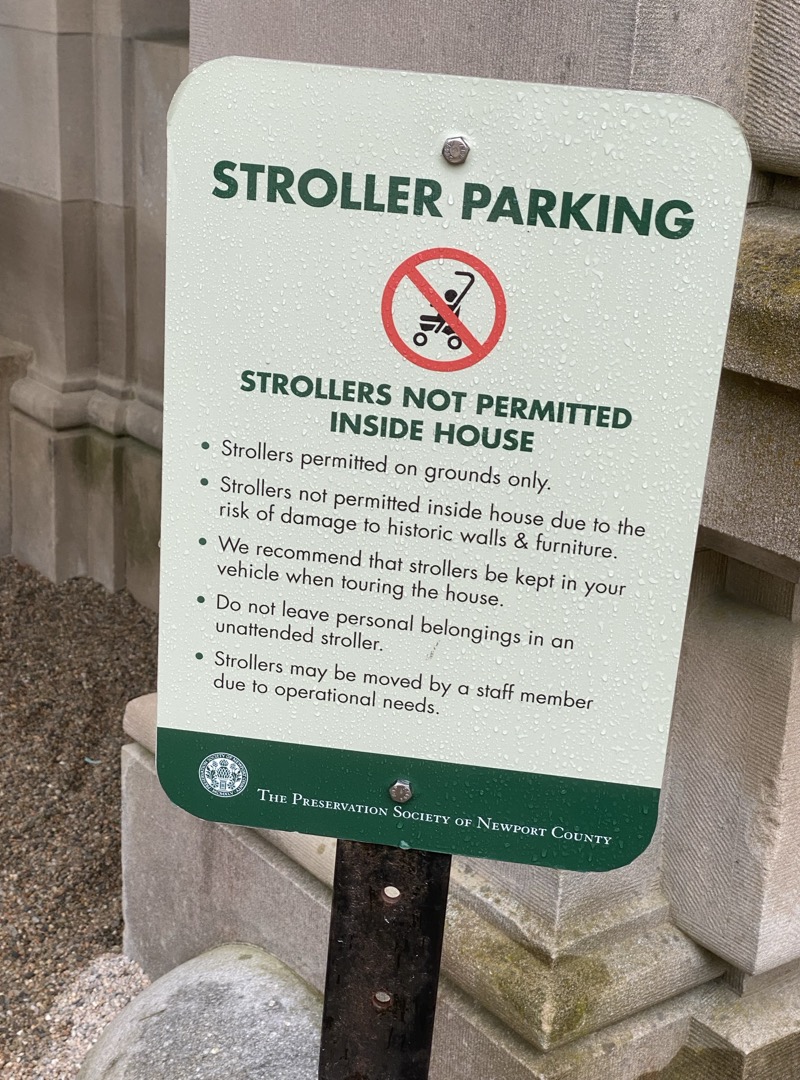
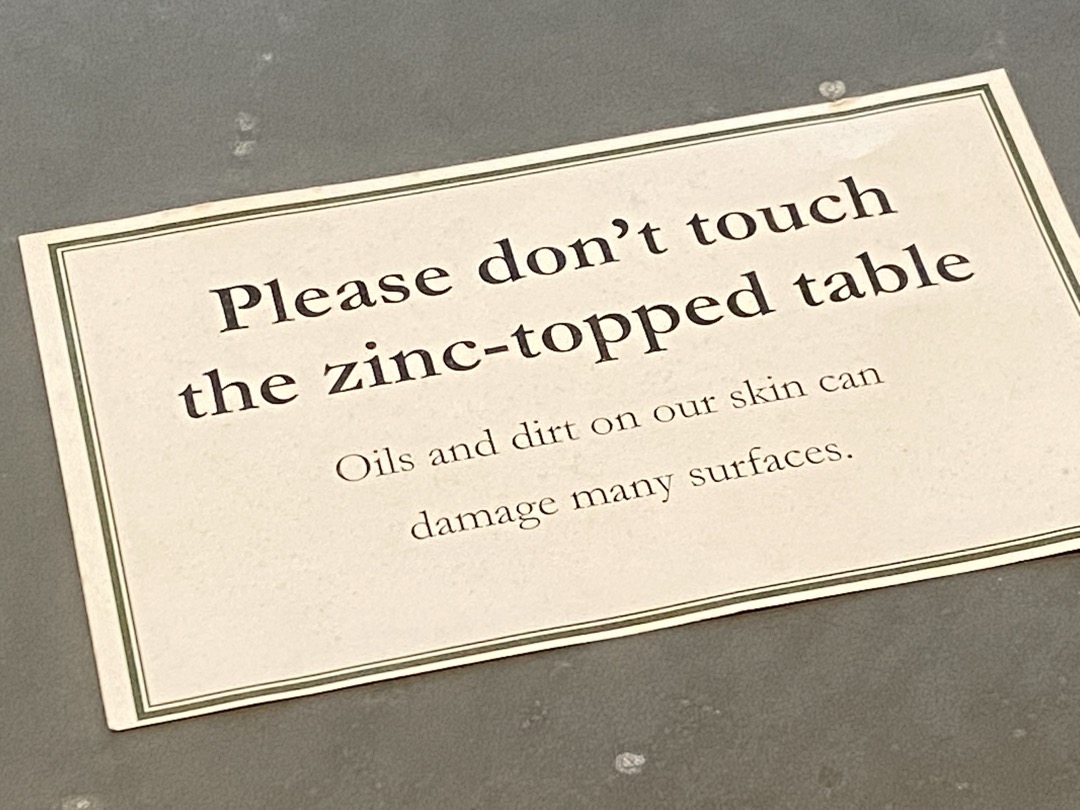
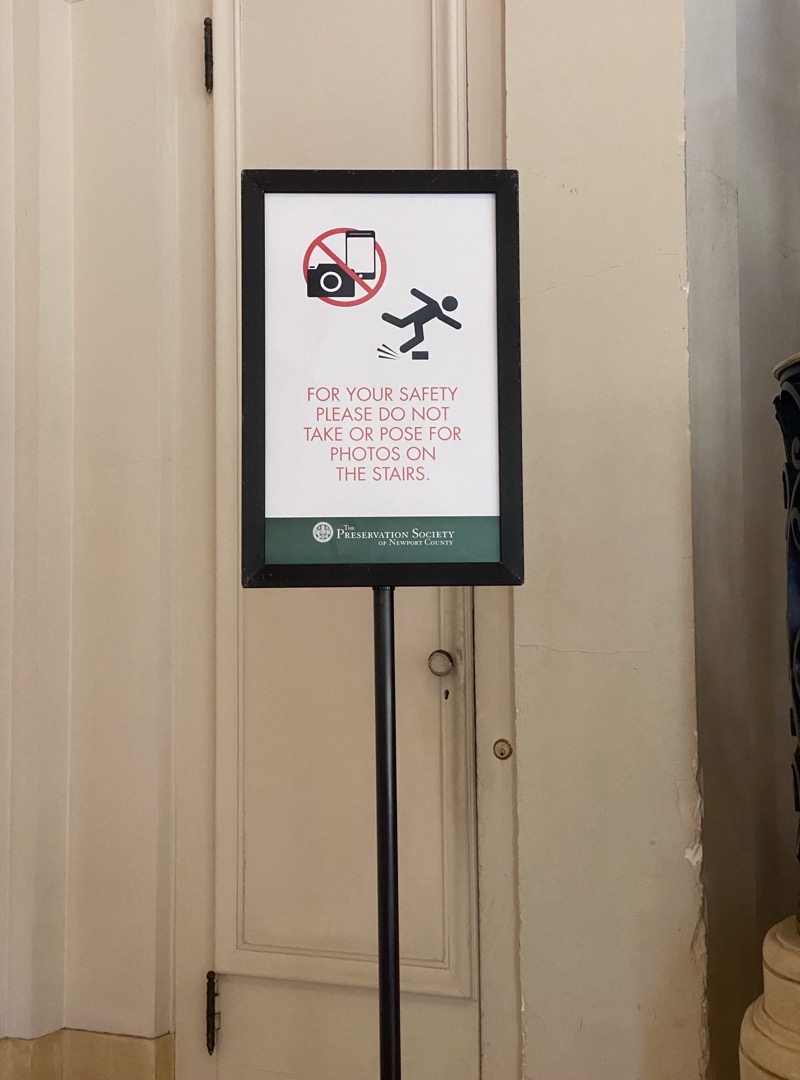
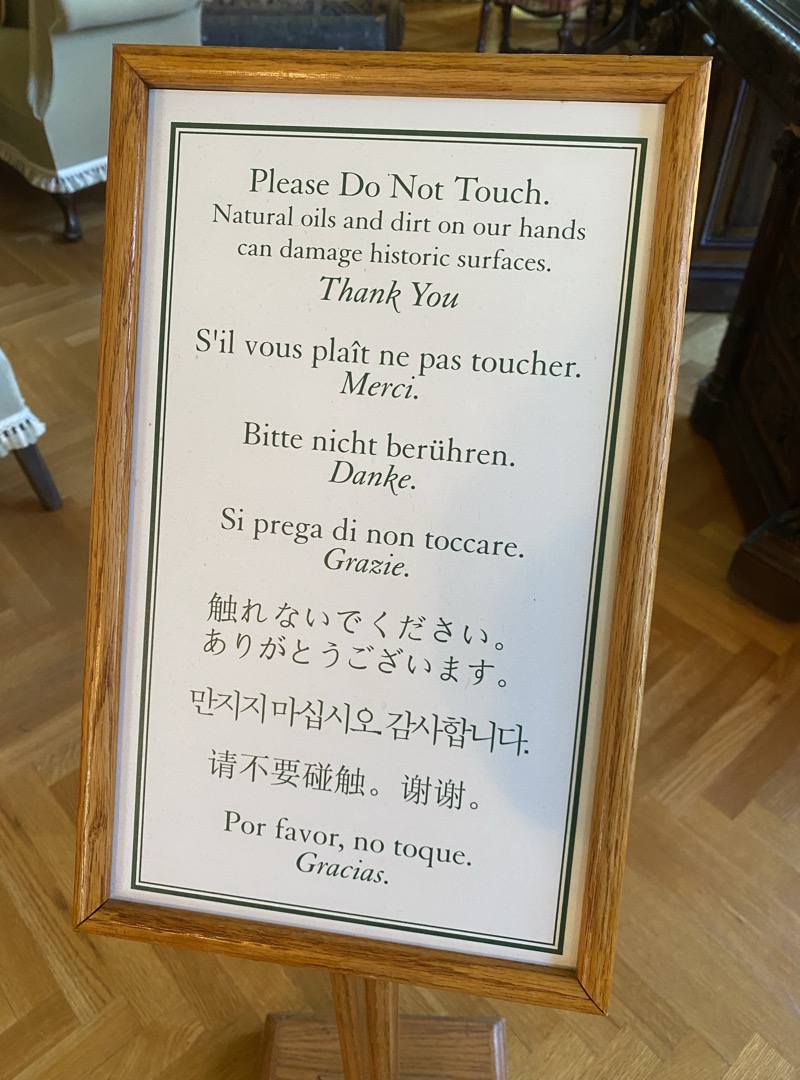
The Gilded Age mansions in Newport, Rhode Island, attract over a million visitors annually. Guiding, engaging, and assisting this vast number of people often falls to signs—our silent servants. At such iconic properties as The Breakers, The Elms, and Chateau-sur-Mer (owned and operated by the Preservation Society of Newport County), I discovered many signs that were beautifully designed or cleverly worded that could inspire historic sites and house museums. These signs have been tested extensively by gazillions of visitors, providing valuable insights that could be adapted to enhance your own site.