What Museum Photography Policies Reveal About Visitor Experiences
While examining visitor codes of conduct, I started noticing another kind of museum policy that is becoming more visible: photography policies. They appear on websites, ticketing pages, “Know Before You Go” guides, and signs in galleries, historic houses, gardens, and exhibitions. Like codes of conduct, photography policies have always existed in some form, but they now seem more detailed, more prominent, and more complicated.
At first glance, the question seems simple: can visitors take pictures? But museum photography policies reveal that this is no longer a yes-or-no issue. The better question is: what kind of photography, by whom, for what purpose, in what space, and with what effect on collections, staff, visitors, and the experience?
To explore this question, I reviewed photography rules embedded in dozens of visitor codes of conduct and visitor policy pages from museums and historic sites. This was not a scientific or comprehensive study. It was an initial scan of current practice to identify common patterns and management issues. I am not offering legal advice here; museums should consult an attorney on copyright, releases, privacy, and commercial use. My interest is in how these policies shape visitor experience and staff decision-making.
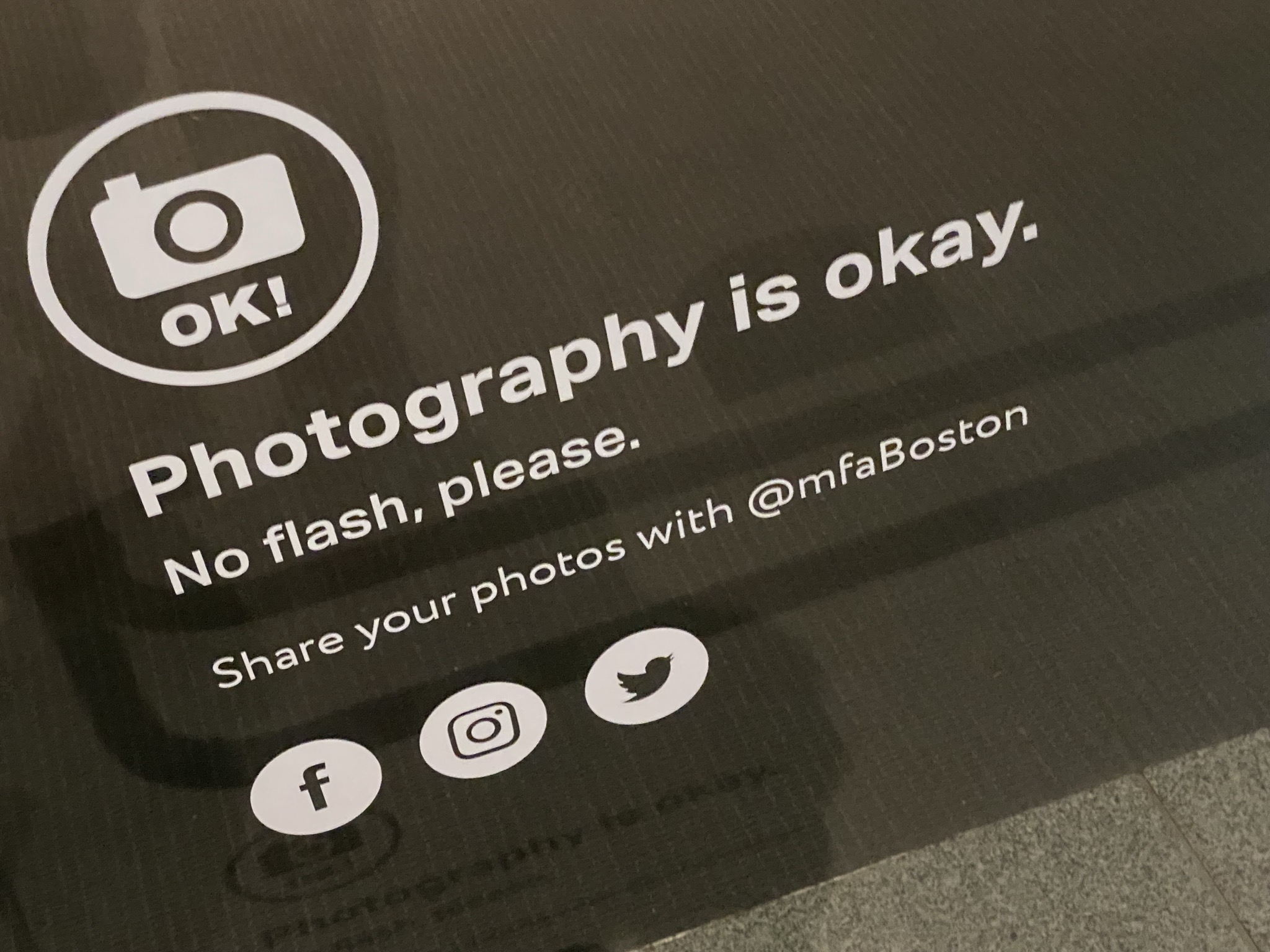
The broad trend is clear: casual, personal photography is increasingly welcomed, but excessive equipment and disruptive, staged, or commercial photography is increasingly controlled.
Many museums now recognize that photography is part of how visitors experience museums. People take photos to remember a visit, share an experience, document a family outing, study an object, promote a destination, or simply notice more closely. For younger visitors especially, photographing and sharing may be part of how they pay attention. A strict “no photography” policy can feel outdated unless there are clear preservation, copyright, privacy, lender, sacred, or ceremonial reasons behind it.
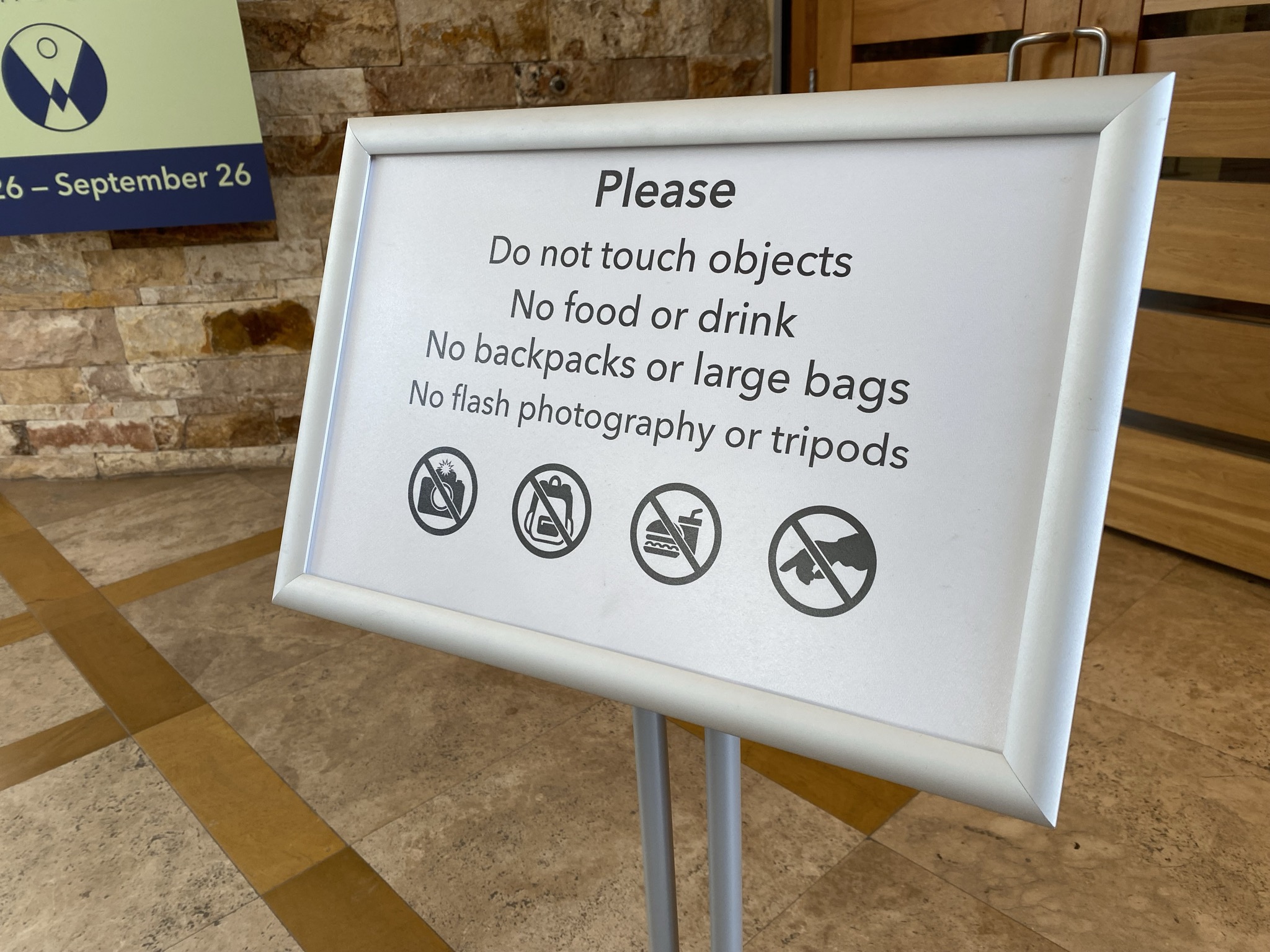
At the same time, museums have good reasons to set limits. Flash may harm sensitive materials or distract other visitors. Tripods, selfie sticks, lights, props, and microphones can block circulation, create hazards, and turn galleries into studios. Drones can threaten safety, privacy, and the atmosphere of historic landscapes. Video recording can capture other visitors, disrupt programs, or circulate interpretation out of context. Formal portrait sessions can monopolize stairs, gardens, lobbies, and scenic spaces. Commercial photography can use the museum’s collections, architecture, or landscape to promote an outside product or service without permission.
Visitor behavior can cause real damage. In 2025, a visitor at the Uffizi Gallery in Florence tripped into a portrait of a Medici prince while posing for a photograph, tearing the canvas and prompting the museum’s director to consider new “anti-selfie” measures. At The 14th Factory in Los Angeles in 2017, a visitor trying to take a selfie accidentally knocked over a pedestal, triggering a domino effect that reportedly caused about $200,000 in damage to works in Simon Birch’s Hypercaine installation.
These incidents do not mean museums should discourage photography altogether, but they show why photography policies focus on more than the camera. A visitor concentrating on an image may step backward, crouch, lean, cross a barrier, block a path, or lose awareness of nearby objects and people. Good policies help visitors understand that photography is welcome only when it does not endanger collections, buildings, landscapes, staff, or other visitors.
Not Anti-Photography but Anti-Disruption
Different kinds of museums emphasize different concerns. Art museums tend to be precise about flash, distance from objects, selfie sticks, tripods, sketching materials, bags, and photography in special exhibitions. The Metropolitan Museum of Art permits personal non-flash photography but prohibits staged shoots and equipment such as selfie sticks, tripods, drones, and professional video equipment. The Clyfford Still Museum uses a friendlier “photo-friendly museum” framing while setting similar limits. The Virginia Museum of Fine Arts distinguishes candid personal photography from group, prom, engagement, and family photo shoots.
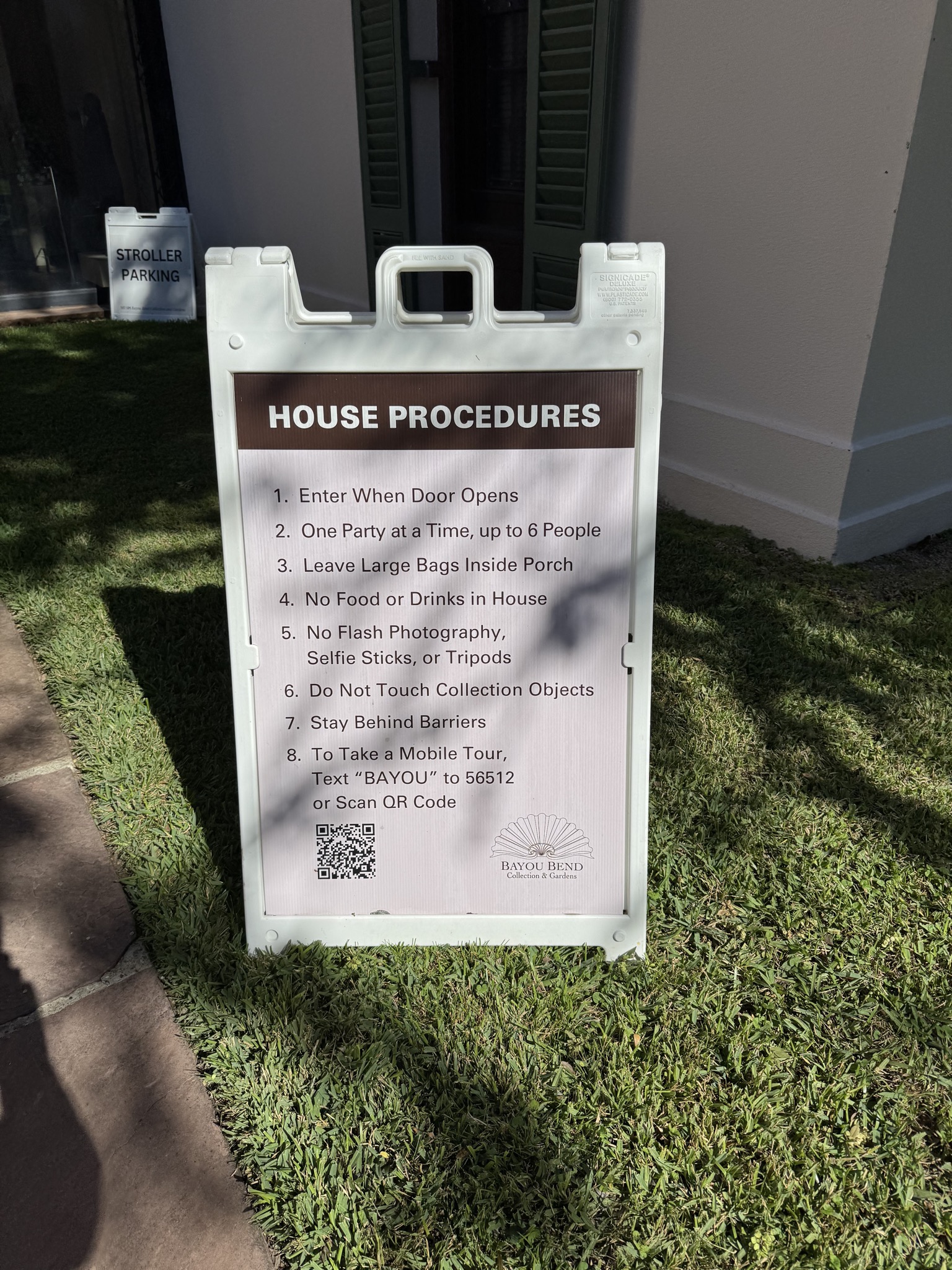
Historic houses face a different set of issues. A visitor taking a photo may step backward into furniture, brush against a wall, block a narrow passage, or delay a timed tour. In many historic houses, the building itself is part of the collection. Photography policies therefore become part of a larger strategy for protecting historic fabric, managing visitor flow, and preserving the atmosphere of domestic spaces. The Emily Dickinson Museum, for example, allows non-flash photography inside and outside but prohibits video recording, while also reminding visitors to be thoughtful about photographing staff or other visitors.
Historic sites and horticultural gardens often distinguish between “vacation-style” photography and formal photography. Casual photos may be welcomed, but engagement shoots, wedding portraits, graduation sessions, fashion photography, and influencer-style productions are often restricted or require permission. Hillwood Estate, Museum & Gardens is especially clear on this point: it allows “informal, vacation-style photography and video only,” while photo shoots require prior arrangements. Hillwood also prohibits selfie sticks inside interior spaces but allows them in gardens when used with care around other visitors. This distinction between casual photography and site use also appears at Dumbarton Oaks, which welcomes noncommercial, personal “vacation style photography,” but does not permit commercial or formal photography. That makes sense for landscapes and gardens. The issue is not merely the camera, but whether the visitor is quietly documenting a visit or transforming the site into a private photo set.
Drones are almost always treated differently from handheld cameras. Historic gardens and estate museums such as Dumbarton Oaks, Hillwood, Winterthur, and VMFA’s Sculpture Garden restrict or prohibit drones because they create safety, privacy, noise, wildlife, and visitor-experience concerns. At National Park Service sites, drone use is also subject to federal and site-specific rules.
Children’s museums raise a different and especially important concern: privacy. In most museums, photography policies focus on collections, copyright, equipment, and disruption. In children’s museums, the central issue is often safeguarding. Families want to photograph children playing, building, climbing, performing, and exploring—photos are an essential part of the visit. But children’s museums are also shared family spaces, and other people’s children should not become the unintended subjects of someone else’s image. The National Children’s Museum offers one of the clearest examples. Its FAQ encourages visitors to “capture the magic” for personal, noncommercial use, but adds a simple boundary: “please only take photos of your group.” The Children’s Museum of Phoenix takes a more promotional approach, offering tips for better family photos, which shows how photography can be part of family engagement but it should still be paired with clear expectations about consent and courtesy.
History and civic museums add another layer. Photography and recording can affect dialogue. In exhibitions or programs dealing with race, slavery, immigration, war, death, religion, politics, or personal identity, visitors may be participating in emotionally charged or vulnerable conversations. A policy that allows casual photography may still need to limit livestreaming, continuous recording, or intrusive filming of other visitors. The Museum of the American Revolution, for example, welcomes visitors to share their experiences online, but it also restricts flash, tripods, monopods, selfie sticks, commercial photography, and live broadcasting without approval. It also may ask visitors to stop photography, video, or live broadcasting when inappropriate.
Towards New Photo Policies in Museums
One of the most useful distinctions I found is between photographing a museum and using a museum as a setting. A visitor taking a quick photo of an exhibition, garden, or family member is engaged in memory-making. A photographer staging a portrait session, brand campaign, video shoot, or social media production is using the museum as a resource. Those are different activities and should be governed by different policies. That distinction can help museums avoid policies that are either too restrictive or too vague. A good visitor photography policy should say what is welcomed as well as what is prohibited. For example:
Personal, noncommercial photography is welcome unless otherwise posted. Please avoid flash, tripods, selfie sticks, lights, drones, props, or equipment that may endanger collections, block pathways, disrupt other visitors, or interfere with programs. Photograph only people in your own group unless you have their permission. Formal, commercial, media, or staged photography requires advance approval.
For museums primarily serving children and families, I would be even more explicit:
Family photography is welcome for personal, noncommercial use. Please photograph only children and adults in your own group, and avoid making other visitors–especially children–the focus of your photos or videos without permission. Museum staff may occasionally take photos or videos for educational or promotional use; please notify staff if you or your child should not be photographed.
That kind of language does several things. It welcomes ordinary visitors. It explains the reason for limits. It protects other visitors. It separates casual photography from production activity. It gives staff a basis for intervention without treating every visitor with a phone as a problem.
Museums should also be careful not to confuse several different issues. Photography policies often blend collections care, copyright, visitor privacy, commercial use, public relations, staff authority, and site rental. Those are related, but they are not identical. A visitor’s casual gallery photo, a journalist’s image for a review, a teacher’s documentation for a class, a wedding photographer’s portrait session, and a company’s advertisement all raise different questions.
For most visitor-facing policies, the priority should be clarity. Visitors want to know: Can I take a picture? Can I use flash? Can I post it? Can I record video? Can I photograph my child? Can I photograph a public program? Can I bring a tripod? Can I take engagement photos in the garden? Can I use the image for work? If the answer depends on the space, say so. If special exhibitions have different rules, say so. If photography is allowed outdoors but not inside historic interiors, say so. If formal portraits require advance permission, say so. If photographing other visitors is discouraged, say so in plain language.
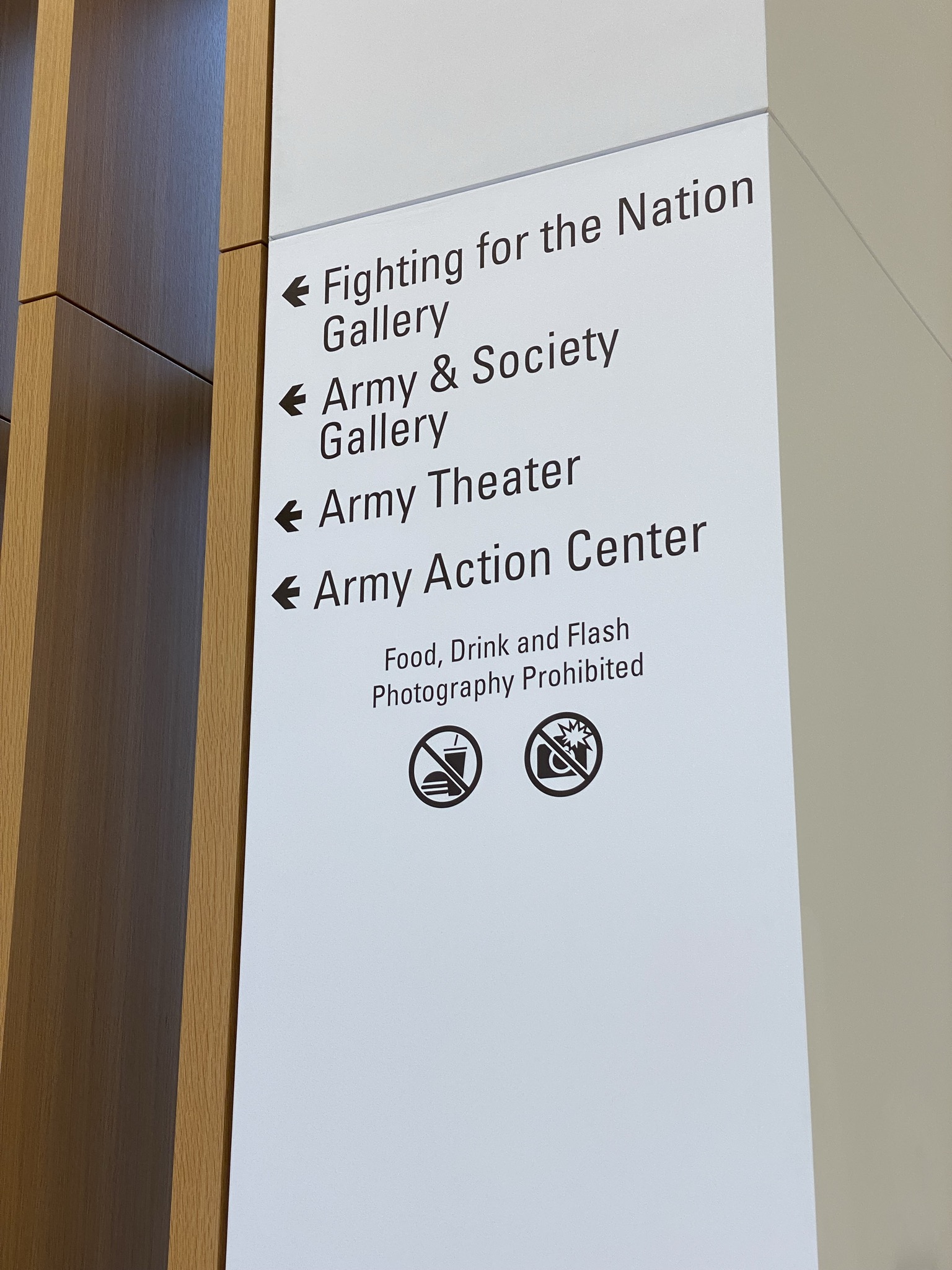
Photography is now part of visitor experience. It is also part of risk management. The best policies recognize both. They do not begin from suspicion, but neither do they pretend that all photography is harmless. Like visitor codes of conduct, photography policies teach people how to behave in a particular kind of museum. They define the difference between looking, sharing, documenting, performing, disrupting, and exploiting. Done well, they can support welcome, access, preservation, privacy, and staff authority at the same time.
Emerging Issues to Watch
Several newer issues are beginning to stretch most museum photography policies. They are not yet handled consistently across the field, but they are likely to become more important.
One is livestreaming and continuous recording. Several museums now distinguish casual photography from livestreaming, podcasting, continuous video recording, or recording public programs. The Museum of the American Revolution, for example, may ask visitors to stop photography, video, or live broadcasting when inappropriate and restricts live broadcasting without approval. Eastern State Penitentiary prohibits livestreaming and podcasting during public hours. The emerging issue is simple: a phone is not just a camera. It can turn a gallery, lecture, tour, or conversation into a broadcast platform.
A second issue is influencer and social-media production. Many policies do not yet use the word “influencer,” but they are clearly responding to influencer behavior: props, outfits, multiple takes, ring lights, microphones, staged poses, blocked pathways, and long photo sessions in high-demand spaces. Museums should decide whether influencer-style photography is personal photography, commercial photography, media production, or site rental. Leaving it ambiguous puts front-line staff in a difficult position.
A third issue is artificial intelligence, facial recognition, and synthetic media. This was not prominent in the museum policies I reviewed, but it is coming. Museums may need to think about whether visitor or staff images can be used to train AI systems, create deepfakes, generate synthetic promotional images, or identify people through facial recognition. The emerging issue is that a visitor photo is no longer just a photo. It may become training data, a biometric identifier, or raw material for synthetic media. One of GW’s Museum Studies students recently received the Malaro Award for her research on this topic (more to come!).
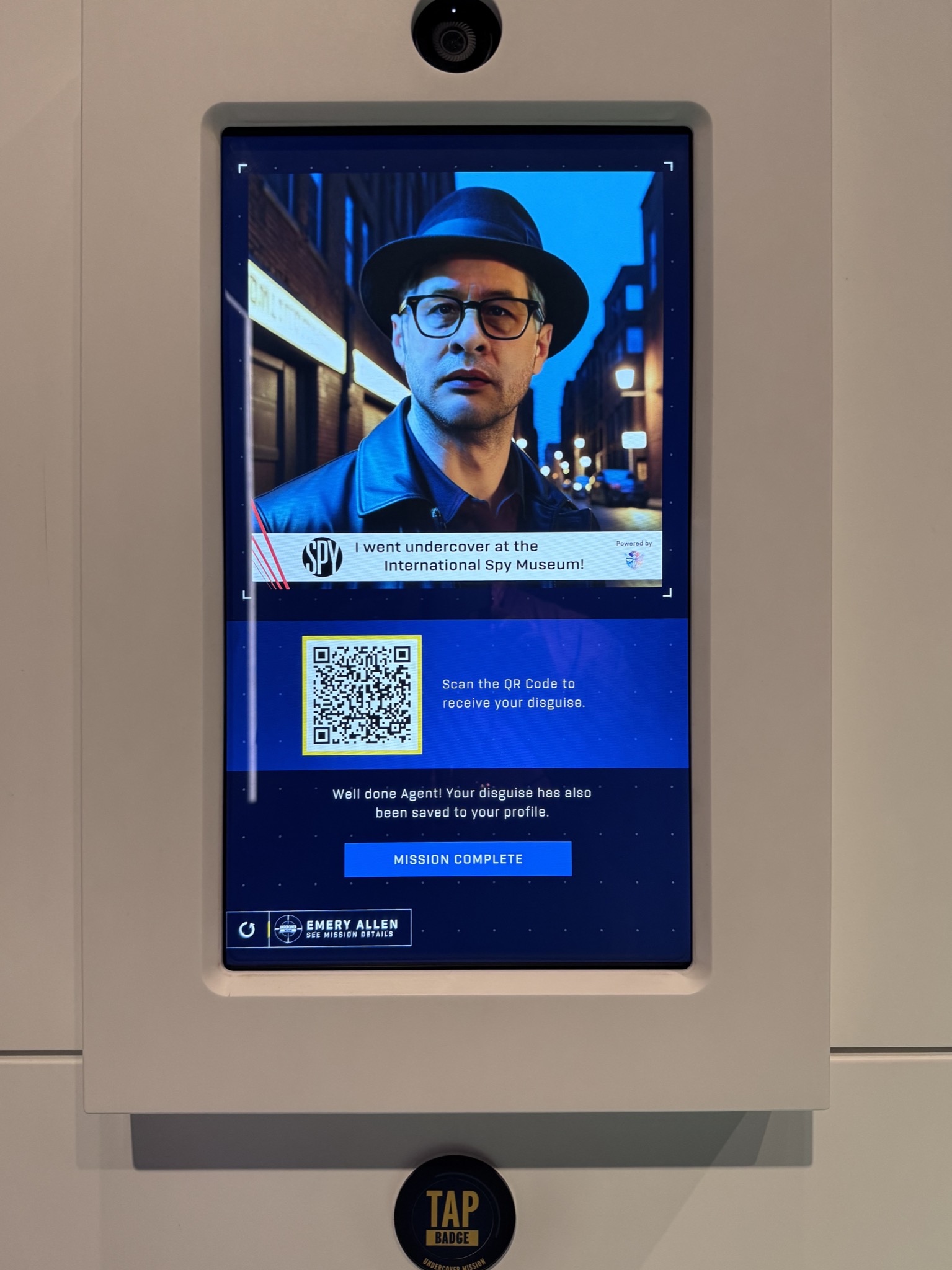
Photography policies are becoming part of visitor experience design. They teach visitors the difference between looking, sharing, documenting, performing, disrupting, and exploiting. The goal should not be to stop visitors from taking pictures. The goal should be to help them take pictures in ways that respect the collections, the place, the staff, and everyone else who has come to experience the museum.
Photography at Museums and Historic Sites
This three-part series examines how museums and historic sites can welcome photography while protecting collections, visitors, staff, institutional resources, and intellectual property.
1. Can I Take a Picture?
How visitor photography policies can distinguish ordinary memory-making from activities that endanger collections, invade privacy, obstruct circulation, or disrupt the museum experience.
2. When Museums Become Backdrops: Managing Commercial and Media Photography
What changes when a museum becomes the setting for portraits, advertising, filmmaking, journalism, influencer content, or other professional productions—and why approval, fees, insurance, contracts, and supervision may be necessary.
3. Photography, Permission, and Fair Use: Where Museum Policies Get Complicated
An examination of copyright, permissions, privacy, model releases, fair use, and the limits of institutional control over photographs of museum collections, buildings, and public spaces.

