In the previous post in this series, I looked at visitor photography policies: whether visitors can take pictures, where they can take them, what equipment they can use, and how museums distinguish casual personal photography from behavior that disrupts the visitor experience. But there is another side to museum photography policies.
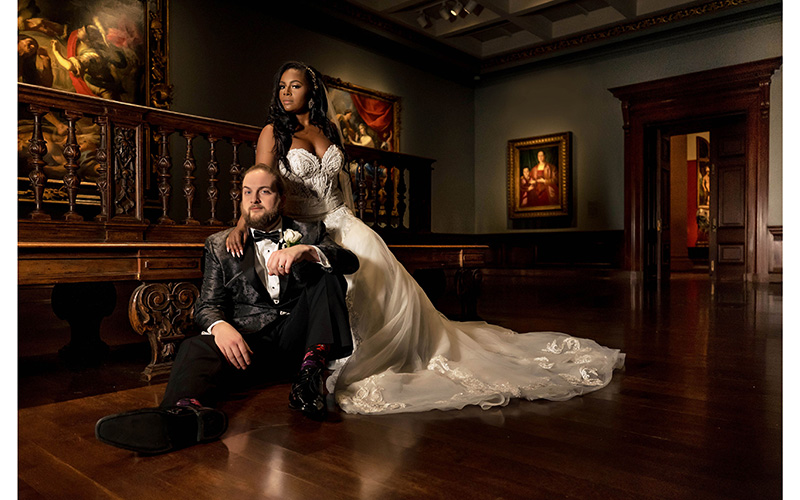
When photography moves beyond ordinary visitor memory-making, the questions become more complicated. A museum gallery, historic house, a picturesque barn, sculpture garden, or historic landscape can quickly become a backdrop for someone else’s project: a wedding shoot, fashion session, graduation portrait, influencer campaign, documentary film, news segment, advertisement, stock photography shoot, or corporate video. That shift changes the issue. The question is no longer simply, “Can I take a picture?” It becomes: who benefits from the image, what resources are being used, what risks are created, and how is the museum’s name, space, collection, or reputation being presented?
As with the earlier posts, this is not a scientific or comprehensive study. I reviewed a selection of commercial, media, and photography policies from museums and historic sites to identify patterns in current practice. I am not a lawyer, and this is not legal advice. Museums should consult an attorney when developing policies involving copyright, releases, insurance, contracts, filming agreements, or commercial use. My interest here is in how these policies reflect museum management, visitor experience, institutional risk, and revenue. Just a warning: this is a loooong post because of the complexity of this topic—and I’ll only be touching the surface.
From Visitor Photography to Site Use
The most useful distinction is between photographing a museum and using a museum as a setting. A visitor photographing a child in a gallery, a favorite object, a historic room, or a garden path is usually documenting a visit. A photographer staging an engagement session, fashion shoot, commercial, product video, or sponsored social media post is using the museum as a resource. Those are different activities. They require different policies.
Many museums now welcome personal, noncommercial photography but require approval for commercial, media, professional, formal, or staged photography. Thomas Jefferson’s Monticello is a good example. Its guest policies allow personal photography in many areas but state that the site may not be used as a backdrop for formal photography, including engagement or graduation photos, and that commercial photographers may not photograph clients there without permission. Its separate on-site filming guidelines require advance approval for press, media, professional, or commercial filming.
That distinction is important because a commercial or formal shoot can affect far more than the person holding the camera. It may require access before or after public hours, staff escorts, special lighting, security review, insurance, object movement, rights clearance, and crowd control. It may also interfere with ordinary visitors who paid to experience the museum, not to navigate around someone else’s production.
The risks are not hypothetical. Film and media productions have damaged collections, landscapes, and communities. During the filming of The Hateful Eight in 2015, Kurt Russell smashed what he believed was a prop guitar, but it was actually an irreplaceable 1870s Martin guitar on loan from the Martin Guitar Museum; the guitar was reportedly beyond repair. At Maya Bay in Thailand, the production of The Beach was accused of altering a protected landscape by planting coconut trees and removing vegetation from sand dunes, and the site later suffered severe ecological damage from the mass tourism the film helped inspire. Even productions that do not directly damage a site can create long-term consequences. After The Blair Witch Project, Burkittsville, Maryland, was flooded with fans; news reports described stolen signs, vandalized tombstones, cemetery disturbance, trespassing, and damage to a nearby historic chapel. These examples show why museums and historic sites should treat filming and commercial photography not merely as publicity opportunities, but as activities requiring contracts, supervision, insurance, restrictions on future use, and careful assessment of potential harm.
Most museum photography requests will never approach this level of risk, but these cases show why policies should be written before an unusual request arrives.
Why Museums Restrict Commercial and Media Photography
Commercial and media photography policies usually address several institutional concerns:
- Visitor experience. Formal shoots can block staircases, galleries, gardens, scenic overlooks, lobbies, or entrances. A photo session that feels harmless to the photographer may dominate a space for everyone else.
- Collections and site protection. Lights, tripods, stands, props, costumes, makeup, bags, cables, and repeated posing can create risks to collections, historic interiors, floors, walls, plants, aircraft, vehicles, or other large objects.
- Staff time. A shoot may require a communications staff member, registrar, curator, facilities manager, security officer, or visitor services manager. Even a small request can become expensive when staff time, scheduling, supervision, and review are included.
- Institutional reputation. A museum may not want its building, collections, or landscape associated with a political campaign, commercial product, fashion brand, stock image, or message inconsistent with its mission, vision, or values, or adversely affect its relationship with members, donors, or the community.
- Revenue. If a museum rents its spaces for weddings, events, filming, or photography, allowing unpaid formal photo sessions during public hours may undercut earned income. It can also be unfair to those who follow the rules and pay the appropriate fee.
The Corning Museum of Glass makes this explicit by distinguishing visitor photography from commercial shoots, requiring advance permission, possible fees, and insurance for commercial work.
Fees, Insurance, and Staff Escorts
More developed commercial photography policies often include fees, insurance requirements, contracts, and staff escorts. Those requirements can seem excessive to someone who thinks, “I only need a few pictures.” But from the museum’s perspective, a commercial shoot may involve liability, disruption, wear and tear, security concerns, staff overtime, and reputational risk. Fees help recover costs. Insurance protects the institution. Staff escorts help ensure that approved work stays within the agreed scope. Monticello’s filming guidelines, for example, include location fees, staff costs, a signed location contract, and insurance requirements. Corning Museum of Glass also specifies rates, insurance, and requirements for commercial shoots. The Newport Mansions policy covers commercial filming, photography, television production, and wedding photography at its historic house museums and grounds, requiring advance application, fees, staff supervision, possible security, damage deposits, loss-of-income recovery, equipment restrictions, and review for mission/property/guest-experience impacts. These policies make clear that commercial photography is not casual visitation. It is a managed use of museum property and staff resources.
Fees and insurance are only one part of the equation. For commercial or media photography, museums should also define how images may be used after the shoot. A contract should specify the project, media, duration, territory, credit line, review process, and whether future uses are allowed. It should also prohibit unapproved reuse, resale, sublicensing, stock photography, AI training, or use in unrelated projects unless separately approved. This is especially important for historic sites, children’s museums, and museums with sensitive collections or symbolic spaces. A photograph approved for one purpose should not automatically become a permanent image asset for someone else’s future campaigns.
For small museums, the limiting factor may not be policy philosophy but staff capacity. If no one can supervise, review, invoice, or enforce the agreement, the museum should be cautious about approving the request. A small site may not have a communications office, an attorney on call, security staff, or rental manager. A “simple” photo shoot may require the director to negotiate terms, unlock buildings, supervise the shoot, clean up afterward, invoice the photographer, and handle follow-up.
Press Coverage Is Different, But Still Managed
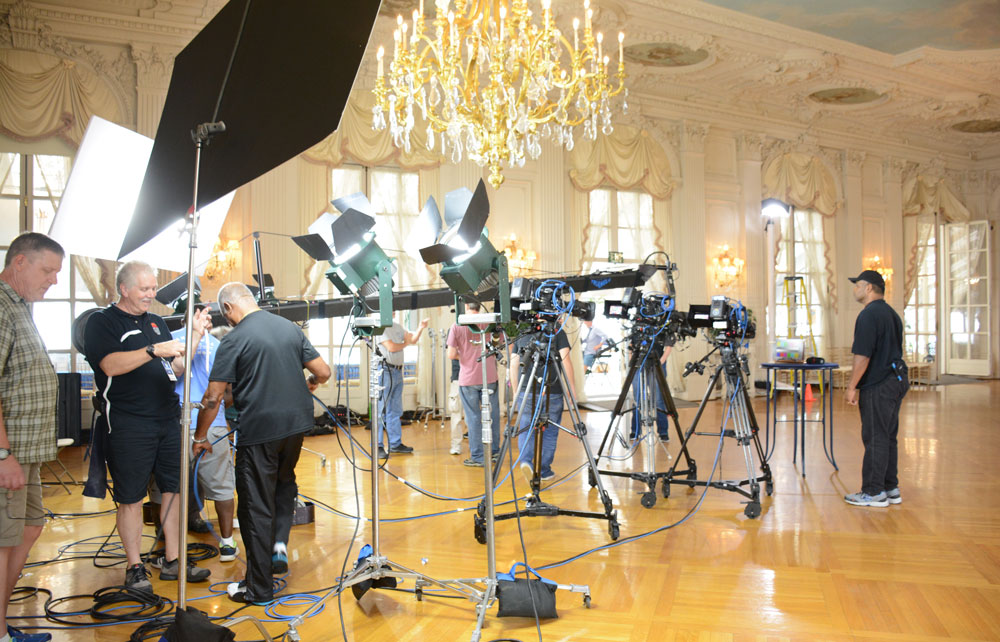
Museums generally want press coverage. Media attention can raise visibility, promote exhibitions, attract visitors, support fundraising, and place the museum in public conversation. But press access is still usually managed through communications staff. The National Air and Space Museum, for example, requires working media to obtain permission from the Communications Office, and media must be escorted by museum staff while in the building. Professional filmmakers must submit a filming request. The United States Holocaust Memorial Museum also requires professional and commercial filming and photography to be approved through Communications before arrival, and film crews must be accompanied by Communications staff while on museum property.
This is not simply bureaucratic caution. Media visits can involve sensitive spaces, security protocols, visitors who did not consent to be filmed, copyrighted or restricted material, and stories that require accuracy and context. A staff escort helps protect the museum, the media team, and the public. Still, museums should be careful not to confuse press coverage with commercial promotion. A journalist reporting on an exhibition, controversy, public program, or institutional issue is not the same as a company using the museum as a brand backdrop. Both may require coordination, but they serve different public purposes. Museums should coordinate press access, but they should be cautious about appearing to require editorial approval of independent journalism. Fact-checking names, dates, captions, and credit lines is different from approving a story’s conclusions. Asking to approve articles, news stories, or blog posts in advance of publication can easily get you marked as uncooperative, wondering if there’s a controversy the press failed to uncover, or if the museum’s tripping over First Amendment or Fair Use is an even better story.
The Broadening Definition of “Commercial”
One pattern I noticed is that museums often define commercial use broadly. It may include advertising, product promotion, client portrait sessions, paid photography, stock photography, social media campaigns, sponsored content, filming for sale or distribution, and sometimes any use that promotes an outside business, service, campaign, or organization.
This broad definition is understandable. Museums have seen how quickly images circulate and how easily institutional spaces can be used to create value for others. A wedding photographer, fashion influencer, tourism promoter, or corporate video producer may all benefit from the museum’s architecture, collections, landscape, or reputation. But broad definitions also require clarity. Is a blogger commercial? What about a nonprofit partner? A graduate student making a video for class? A travel writer? A local news photographer? A TikTok creator with sponsorships? A museum consultant documenting signage? A teacher taking photos for a lecture?
The more ambiguous the policy, the more difficult it is for frontline staff to enforce. Provide examples for clarification. A useful policy might distinguish:
- personal visitor photography;
- school, scholarly, or educational documentation;
- press and editorial coverage;
- formal portrait or event photography;
- nonprofit partner photography;
- commercial, advertising, or sponsored photography;
- film, television, documentary, or streaming production.
Not every museum needs all these categories, but every museum should be clear about which kinds of photography are welcome, which require permission, and which are prohibited. In a future post, I plan to discuss fair use, copyright, and other legal and ethical issues.
Historic Sites, Gardens, and Visually Distinctive Places
Commercial photography can be especially challenging for historic sites, farms, gardens, house museums, ruins, aircraft museums, automobile museums, and other visually distinctive places. These sites are attractive precisely because they provide dramatic settings and at big sites, a photo shoot can occur without staff knowledge (sometimes clever photographers will intentionally sneak in!). That is why many distinguish “vacation-style” photography from staged photography. A family snapshot in a garden is one thing. A wedding party, fashion shoot, or influencer session with props, lighting, outfit changes, and repeated posing is another.
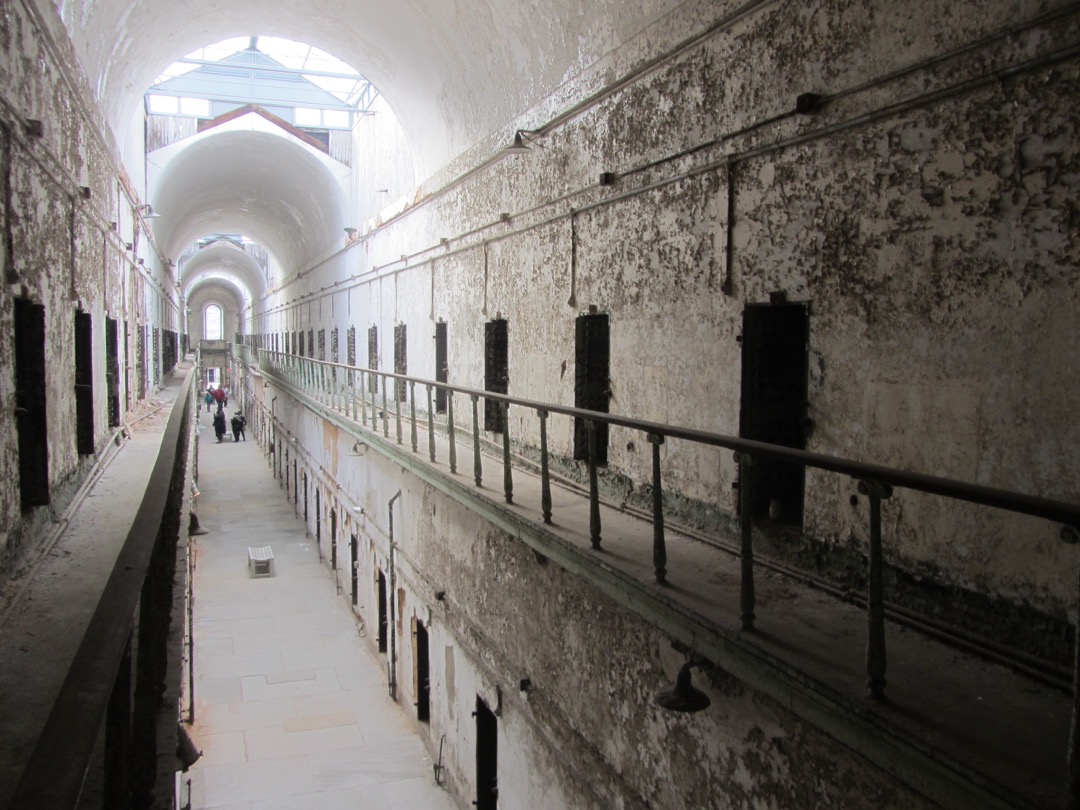
Eastern State Penitentiary is a useful example from the visitor-photography side of the issue. Its policy allows visitors to photograph the building but prohibits portrait photography, models, costumes, props, videography, livestreaming, podcasting, drones, photography workshops, and commercial use during public hours without approval. The point is not that historic sites should be hostile to photography. It is that they need to decide when photography becomes a use of the site rather than documentation of a visit. At many historic sites, formal photography should not be handled only as a photo policy. It may belong within a broader facility-use or site-rental framework.
Protecting Mission, Reputation, and Community Trust
Museums also use photography policies to protect their identity and reputation. A museum may own or steward spaces, objects, landscapes, or stories that carry symbolic weight. It may not want those resources used to imply endorsement of a product, campaign, political message, or private enterprise. A commercial shoot can damage relationships with descendant communities, tribal nations, religious communities, donors, local residents, or former residents of a site. This is particularly important for historic sites and memorial museums. This is particularly important for sites associated with sacred traditions, trauma, enslavement, incarceration, Indigenous history, violence, political conflict, or national identity. What looks like a striking backdrop to a photographer may be a place of memory, trauma, or contested history.
Commercial policies should therefore give museums the right to deny requests that are inconsistent with its mission and values, inappropriate to the site, disruptive to visitors, or potentially harmful to the institution’s reputation.
A Practical Framework
For museums reviewing their commercial and media photography policies, I would suggest asking:
- What kinds of photography do we welcome during ordinary visits?
- What kinds require advance permission?
- What kinds are never appropriate on our site?
- Who reviews requests: communications, visitor services, security, curators, facilities, rentals, legal counsel?
- How much lead time is required?
- Are fees, contracts, or insurance required?
- When is a staff escort necessary?
- Can photography occur during public hours, only when closed, or both?
- Are there spaces or objects that may never be photographed?
- How do we distinguish press coverage from commercial promotion?
- How do we handle influencers, sponsored content, and social media production?
- How do we protect visitors, children, staff, and program participants from being filmed without consent?
- Should the policy explain the reasons behind restrictions?
Those questions are more useful than simply asking whether photography is allowed. Manage photography as a spectrum of permitted uses, not as a black-and-white issue. A possible way to think about this is:
| Use type | Review/approval recommendation |
|---|---|
| Casual visitor photography | No review |
| Student/scholarly documentation | Usually no review; ask for credit and non-disruption |
| Press/news coverage | Coordinate access; avoid editorial approval; request fact-checking/credit review when appropriate |
| Documentary filming | Review for factual accuracy, credit, security, restricted spaces, and agreed scope; be cautious about controlling editorial interpretation |
| Commercial advertising | Require approval of images, copy, captions, context, and final use |
| Fashion/product/brand shoots | Require strict approval and no implied endorsement |
| Wedding/portrait sessions | Usually no final review needed, but prohibit commercial resale or unrelated use |
| Stock photography | Prohibit unless separately licensed |
Suggested Policy Language
A museum policy might say:
Personal, noncommercial photography is welcome unless otherwise posted. Commercial, media, professional, formal, staged, sponsored, or promotional photography and filming require advance written approval. This includes, but is not limited to, advertising, client portrait sessions, engagement or wedding photography, fashion shoots, product photography, stock photography, documentaries, news media, livestreaming, and sponsored social media content. Approved projects may require fees, insurance, contracts, staff escorts, restricted hours, and review by appropriate museum staff. The museum reserves the right to deny requests that may endanger collections or property, disrupt visitors, interfere with operations, violate privacy, conflict with donor or lender restrictions, or be inconsistent with the museum’s mission and values.
That is not the right language for every institution, but it shows the kinds of distinctions museums increasingly need to make.
Conclusion
Commercial and media photography policies reveal that museums are not just places to see. They are also places others want to use. That use may be beneficial. Press coverage, documentaries, scholarly projects, and carefully managed commercial shoots can increase visibility, support revenue, and extend the museum’s reach. But unmanaged use can create risk, confusion, inequity, and reputational harm.
The challenge is to welcome photography as part of contemporary museum life while recognizing when photography becomes something more: a production, a promotion, a business activity, or a claim on institutional resources. The goal is not to make museums less visible. The goal is to make sure that when museums appear in someone else’s image, the use respects the place, the people, the collections, and the mission.
Photography at Museums and Historic Sites
This three-part series examines how museums and historic sites can welcome photography while protecting collections, visitors, staff, institutional resources, and intellectual property.
1. Can I Take a Picture?
How visitor photography policies can distinguish ordinary memory-making from activities that endanger collections, invade privacy, obstruct circulation, or disrupt the museum experience.
2. When Museums Become Backdrops: Managing Commercial and Media Photography
What changes when a museum becomes the setting for portraits, advertising, filmmaking, journalism, influencer content, or other professional productions—and why approval, fees, insurance, contracts, and supervision may be necessary.
3. Photography, Permission, and Fair Use: Where Museum Policies Get Complicated
An examination of copyright, permissions, privacy, model releases, fair use, and the limits of institutional control over photographs of museum collections, buildings, and public spaces.

