What Museum Photography Policies Reveal About Visitor Experiences
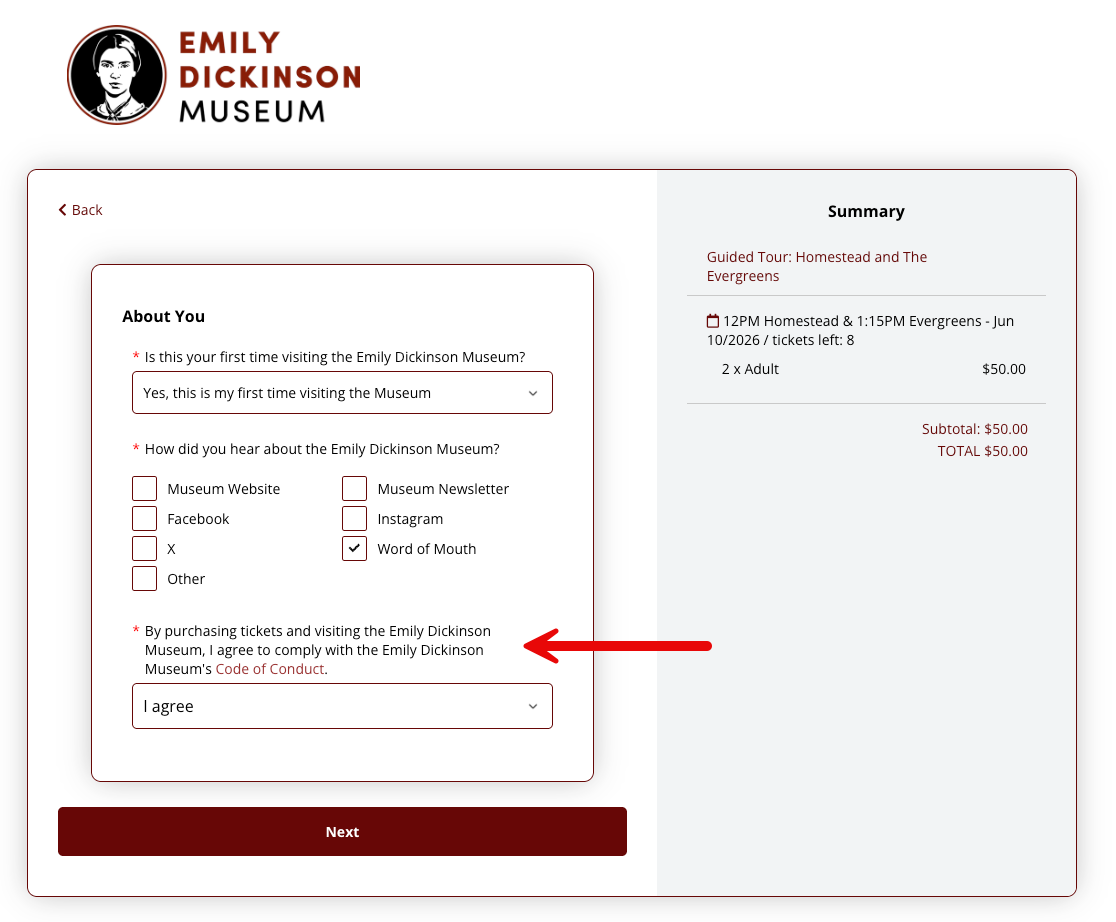
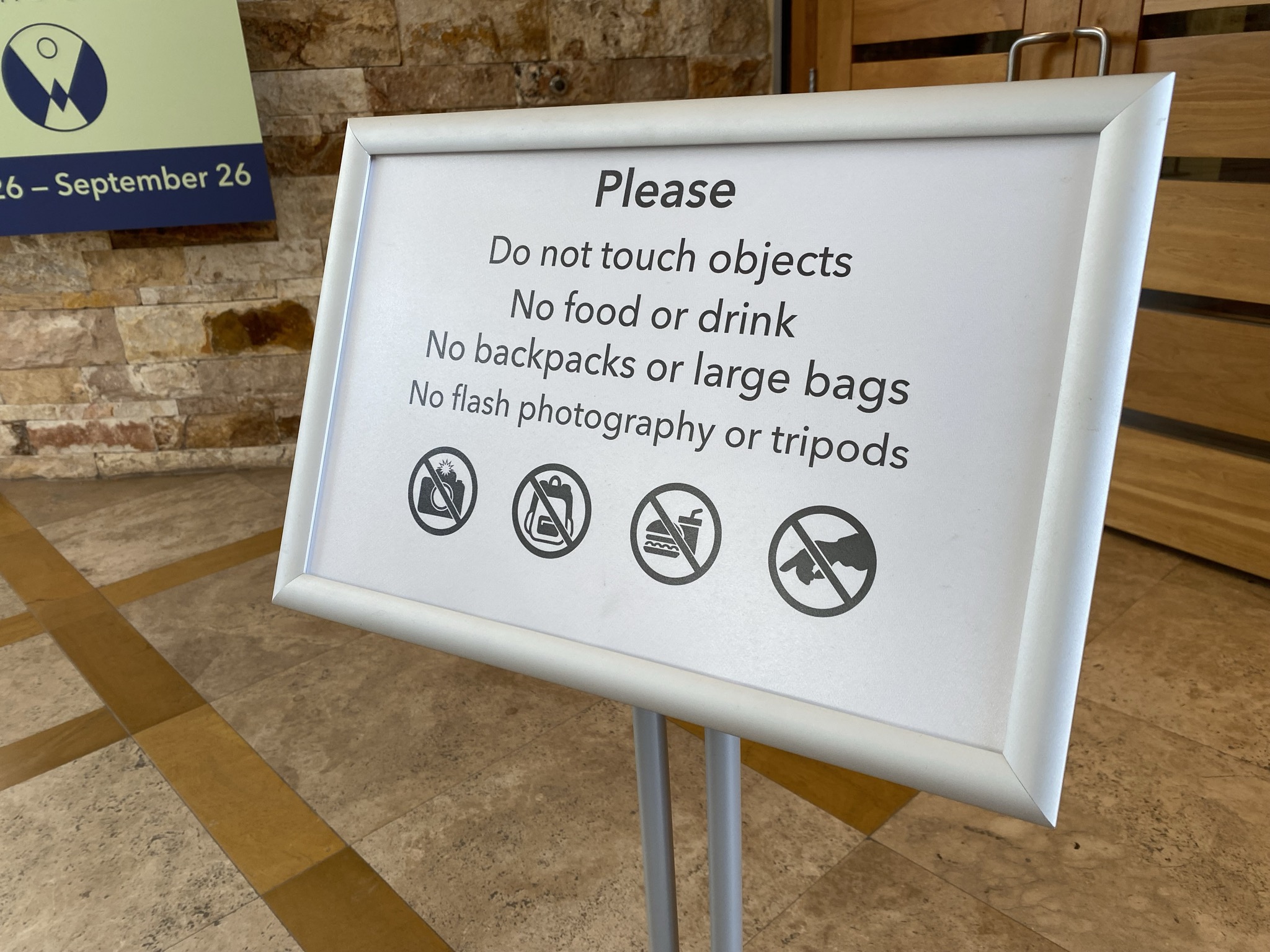
While examining visitor codes of conduct, I started noticing another kind of museum policy that is becoming more visible: photography policies. They appear on websites, ticketing pages, “Know Before You Go” guides, and signs in galleries, historic houses, gardens, and exhibitions. Like codes of conduct, photography policies have always existed in some form, but they now seem more detailed, more prominent, and more complicated.
At first glance, the question seems simple: can visitors take pictures? But museum photography policies reveal that this is no longer a yes-or-no issue. The better question is: what kind of photography, by whom, for what purpose, in what space, and with what effect on collections, staff, visitors, and the experience?
To explore this question, I reviewed photography rules embedded in dozens of visitor codes of conduct and visitor policy pages from museums and historic sites. This was not a scientific or comprehensive study. It was an initial scan of current practice to identify common patterns and management issues. I am not offering legal advice here; museums should consult an attorney on copyright, releases, privacy, and commercial use. My interest is in how these policies shape visitor experience and staff decision-making.
The broad trend is clear: casual, personal photography is increasingly welcomed, but excessive equipment and disruptive, staged, or commercial photography is increasingly controlled.
Continue reading