Category Archives: Emotion

What Happens When a Museum Asks Questions Instead of Giving Answers?

Köln City Museum

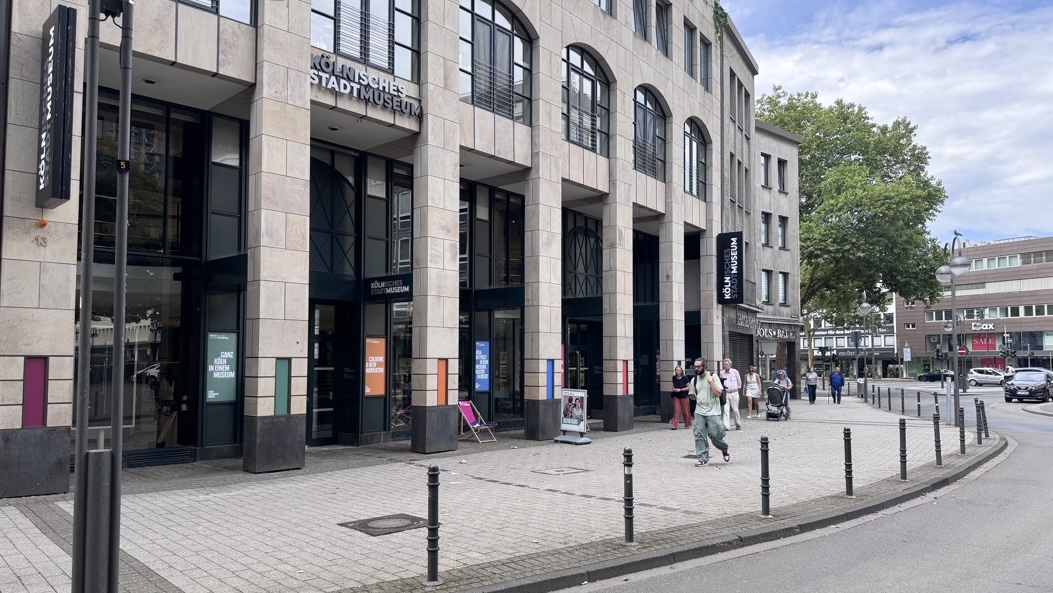
In March 2024, the Cologne City Museum (Kölnisches Stadt Museum) in Germany reopened in an unexpected setting: a former luxury department store in the heart of the city’s shopping district. The museum has been around since 1888, but a 2017 water leak forced it out of its former location. Its latest incarnation takes a bold new approach to presenting the city’s history, promoting itself with “Cologne: A New Narrative.”

Rather than organizing its permanent exhibition chronologically or thematically, the museum focuses on emotions using eight big questions to explore both the past and present of Cologne for residents and tourists. Throughout they incorporated responses and personal objects from their “Cologne Experts,” fifteen diverse residents who represented different perspectives.
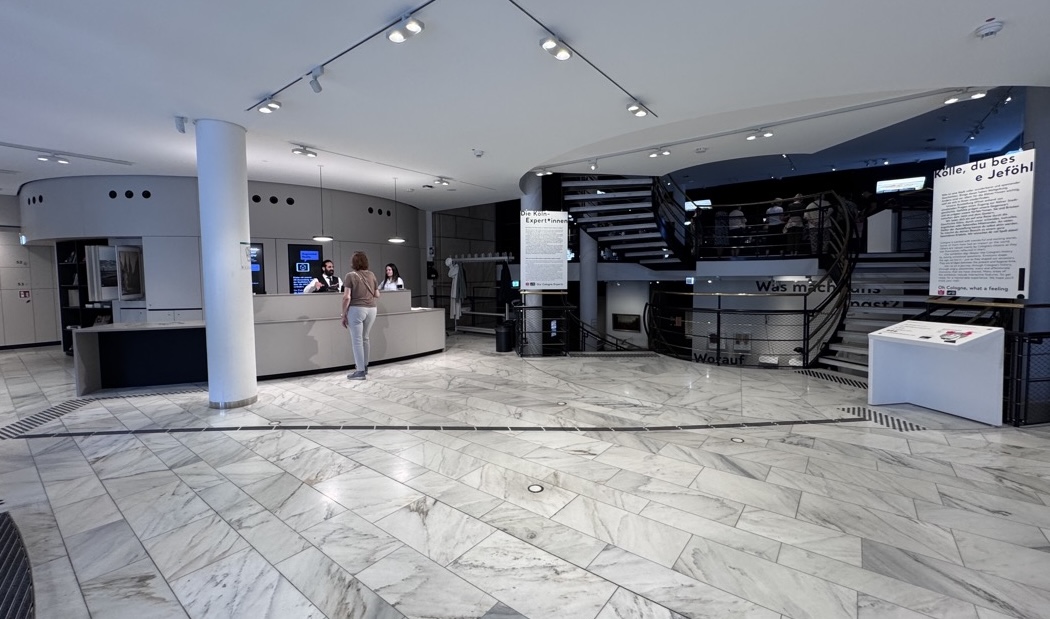
From the moment you enter, the museum signals something different. The large black-and-white lobby features a central stairway leading both a half-story up and a half-story down, offering a tantalizing glimpse of what’s to come. The introductory label in the lobby reads:

Continue reading
Designing for Impact: Why Reflection Should Be at the Heart of Your Museum Experience

In today’s fast-moving, attention-fragmented world, museums are under pressure to do more than just deliver content–they need to make it stick. Whether it’s an online program, a guided tour, or an immersive performance, professionals are increasingly asking: How do we create experiences that matter? Three recent studies point to a clear answer: if you want to deepen impact, design for reflection.


Reflection Creates Meaningful Museum Visits

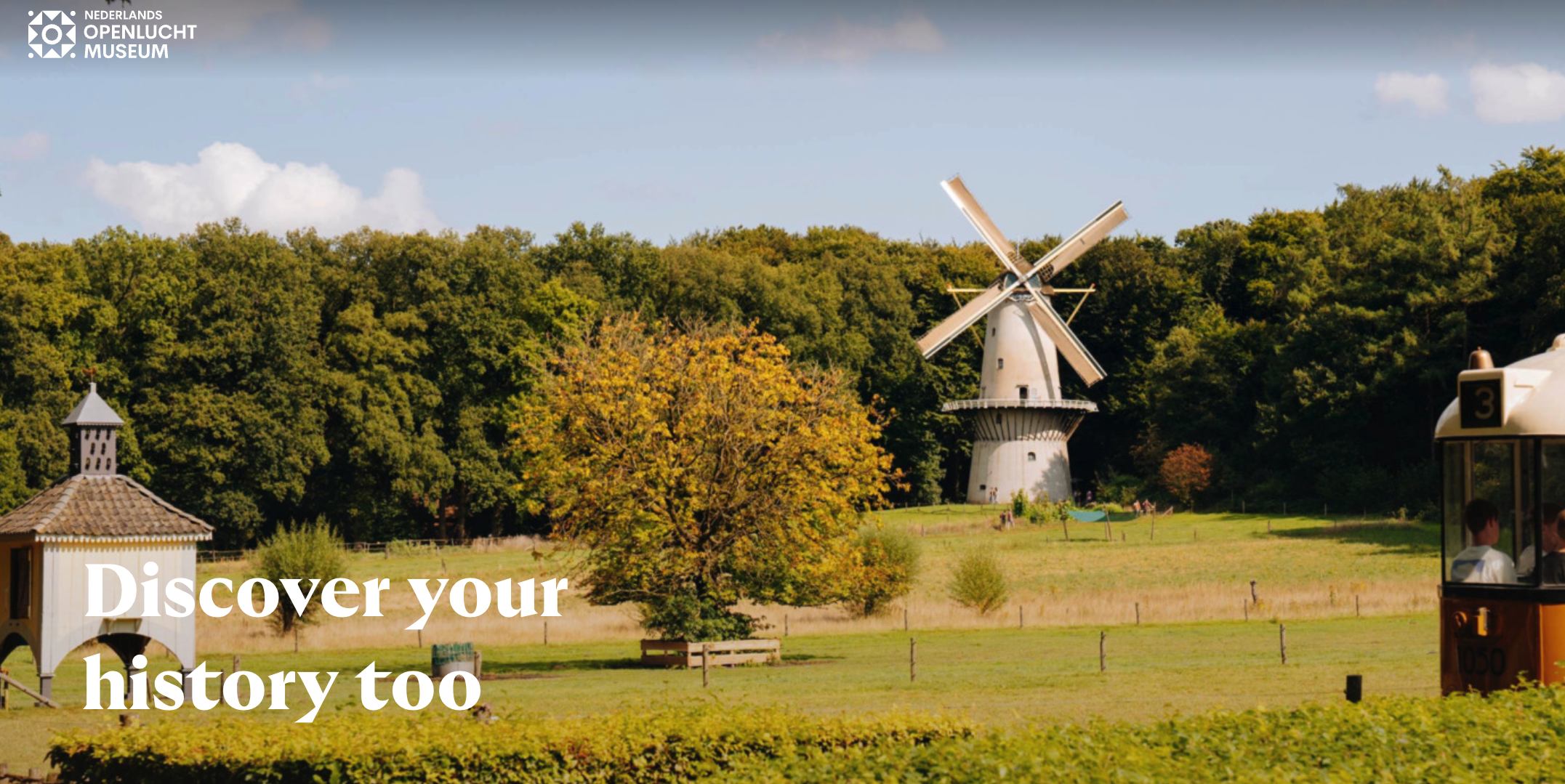
A recent study by Pieter de Rooij and colleagues at the Dutch Open Air Museum in Arnhem investigated what factors contribute to a memorable, meaningful, or transformative museum experience. Using surveys from over 500 visitors, they found that reflection was the strongest predictor of all three outcomes, while sociability and joy had a smaller yet significant effect. Visitors who were prompted to think about new ideas or connect the experience to their own lives were significantly more likely to report lasting impact.

Interestingly, traditional design features—such as beautiful displays, freedom to roam, or relaxing environments—were not strong predictors of impact. While those elements may support comfort and enjoyment, they don’t on their own foster deeper engagement.

Continue reading

What if You Raised Funds Like Judicial Watch?

Fundraising from members has never been more critical. With the elimination of federal grants from agencies like IMLS and NEH, many museums and historic sites are facing serious gaps in funding. So where do you turn for help?

What if you borrowed a playbook from one of the most successful (and controversial) fundraising machines in the country?

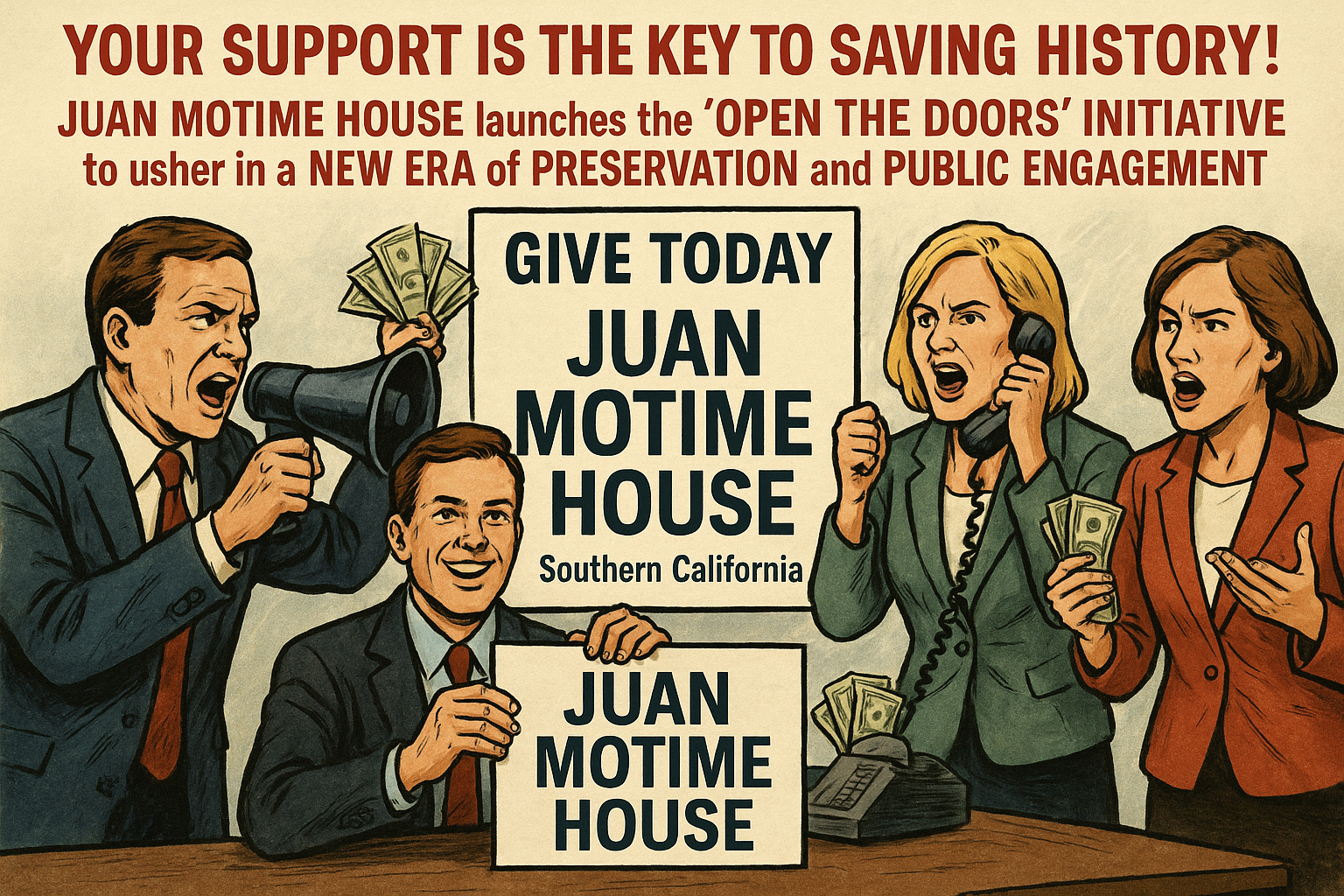
Imagine hiring the same team that writes the direct mail letters for Judicial Watch—the political juggernaut that’s raised millions from everyday Americans, including, I should note, my own mom. Their formula? Urgency, clarity, conviction—and a whole lot of bolded phrases.

So, what would a museum fundraising letter sound like in their hands?

Here’s what GPT came up with when I asked it to write a high-energy, parody-style appeal for the Juan Motime House, an imaginary small historic house museum in Southern California:

Continue reading

Rethinking Goals in History Organizations: A New Framework for Internal and External Impact

For many years, history organizations—including history museums, historical societies, house museums, and historic sites—have measured success using a traditional planning framework focused on outputs (what an organization produces). By the 1990s, there was a growing recognition of the importance of outcomes (how visitors change because of that work), over merely completing tasks.

While the confusingly-named outputs and outcomes framework have improved museum projects, they often overlook how history organizations themselves evolve—how their staff, volunteers, and boards gain knowledge, shift perspectives, and take action to improve their work.

I’d like to introduce a new way of thinking about goals in museums, distinguishing between internal change (within the organization) and external change (within the community and visitors). Using the Know, Feel, Do framework, this model helps history organizations better understand their impact—both inside and outside the institution.

The Know, Feel, Do framework is a structured approach to understanding how individuals and organizations learn, experience emotions, and take action. It is based on Benjamin Bloom’s Taxonomy of Learning Domains, which classifies learning into three categories:

  1. Cognitive (Know) – Intellectual engagement and knowledge acquisition.
  2. Affective (Feel) – Emotional and attitudinal responses.
  3. Behavioral (Do) – Actions taken as a result of learning.

This model is widely used in education, marketing, nonprofit management, and project evaluation to design experiences that lead to meaningful change.


The Traditional Model: Outputs vs. Outcomes

Continue reading

How to Turn Exploratory Visitors into Loyal Fans

Museums and historic sites face a persistent challenge: how to transform mildly interested visitors into deeply engaged patrons. These exploratory visitors—those who follow your social media accounts, visit the website, or attend an occasional event—represent a critical audience segment with untapped potential. How can museums help these visitors feel more connected and motivated to return?

Three recent studies offer actionable insights into addressing this challenge: one on the power of framing and emotional relevance, another on the role of clear wayfinding in reducing visitor anxiety, and a third on the holistic visitor experience at heritage attractions.

Lesson 1: Framing and Emotional Relevance Matter

In “The Role of Framing, Agency, and Uncertainty in a Focus-Divide Dilemma,” Justin Claydon et al highlight how contextual framing—presenting information in a familiar, relatable way—dramatically improves motivation and engagement. When tasks are abstract or unfamiliar, people struggle to prioritize and engage effectively. Conversely, framing a task with real-world relevance reduces uncertainty and increases interest.

Continue reading

Engaging Visitors with Weenies and MacGuffins

Historic sites and house museums have long relied on storytelling and visual appeal to captivate their audiences. Drawing inspiration from Walt Disney’s “weenie” and Alfred Hitchcock’s “MacGuffin” offers creative ways to enhance visitor experiences.

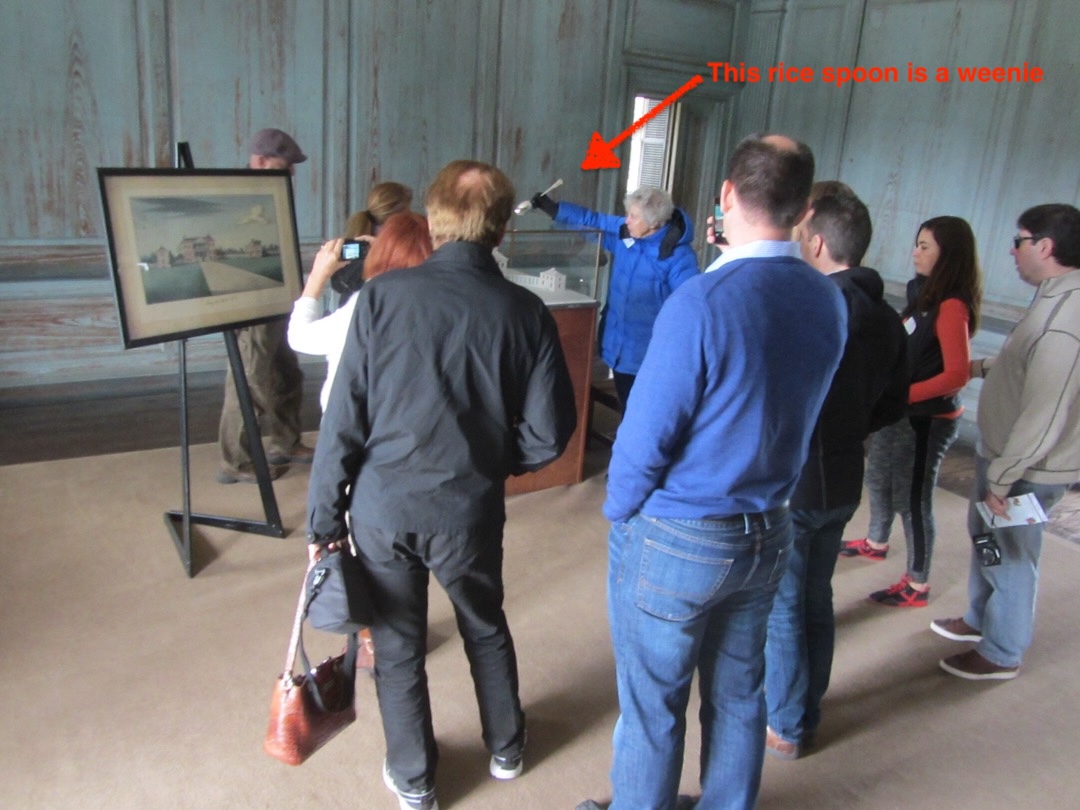
Disney’s “weenie” is a visual lure—a grand staircase, a striking artifact, or a distinctive monument such as Cinderella’s Castle—that draws attention and guides visitors through a space. It can be something small as well. At Drayton Hall, for instance, the guide uses a rice spoon (a large silver serving spoon historically linked to the region) as a pointer throughout the tour. The spoon is a weenie, pulling visitors into a closer examination of the house’s architecture and at the end of the tour, becomes a premium for visitors who become members that day.

Hitchcock’s “MacGuffin,” on the other hand, drives the narrative. It’s the letter that unlocks the secrets of a family’s past or the seemingly mundane object that sparks a larger story. I’ve seen several house museums use a historic newspaper to connect news, people, places, and advertising to provide an intriguing narrative. The best MacGuffins motivate visitors to explore, ask questions, and connect emotionally—a technique I’ve seen done incredibly well by experienced educators at art and natural history museums.

Combining these concepts creates a dynamic experience. Imagine a grand portrait (weenie) in a historic home that invites visitors to admire it, while the tour reveals it’s tied to a thrilling event (MacGuffin) that shaped the community’s history.

By strategically incorporating weenies and MacGuffins, historic sites can guide visitors visually while immersing them in compelling narratives, making their visit both engaging and memorable. How might you use these techniques at your site?

Discovering Inspiration: Innovative Ideas from Texas Museums

Last week, Ken Turino and I conducted two “Reimagining House Museums” workshops in Mesquite (near Dallas) and Houston. These sessions sparked meaningful conversations about the future of house museums, but the inspiration didn’t stop there. We used our free time to visit several nearby museums, each offering unique approaches that left us thinking about how museums can better serve their audiences. Here are some standout ideas we discovered:

1. Personalizing Donor Recognition and Wayfinding at the Perot Museum of Science and Nature

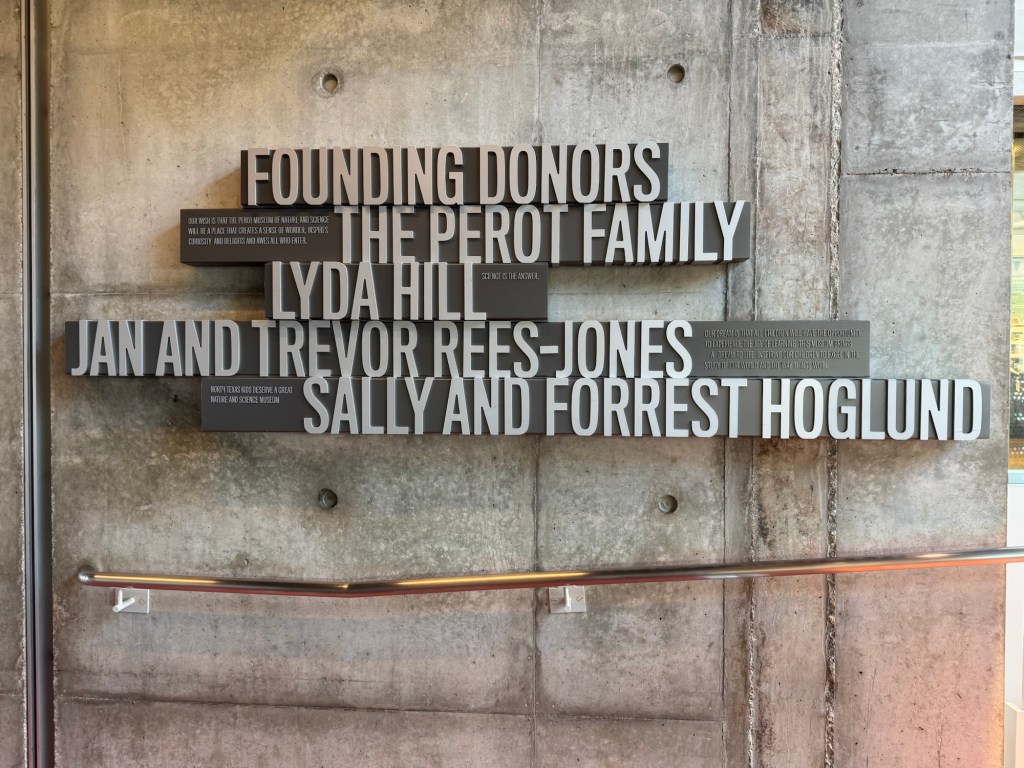
The Perot Museum caught our attention with its donor wall, which didn’t just list names but included statements of intent from the donors. This added a personal touch, connecting visitors with the motivations behind the support. Another smart detail: wayfinding signage that directed visitors to “more cool exhibits.” This casual yet engaging language was both clear and inviting, proving that small touches can make a big impact.

Donor wall with statements of intent at the Perot Museum in Dallas.
Continue reading

National Archives Should Allow Photography in Exhibits IMHO

No photography allowed in the exhibits at the National Archives?

No photography allowed in the exhibits at the National Archives?

Last weekend I went to see “Spirited Republic,” a temporary exhibit at the National Archives about the history of alcohol in the United States.  I’m interested in the history of food and knew the Archives would dig up some interesting materials. It was a worthwhile visit but ugh, right at the entrance is a sign declaring “no photography.”  This isn’t unusual for temporary exhibits because they may contain materials that are protected by copyright or have objects on loan.  In this exhibit, however, everything was drawn from the collections of the Archives or had fallen out of copyright.  If I went around the building to the Research Room, I could retrieve any of the items on display and make photographs without question.  Secondly, most of the items are historic governmental or administrative documents, which don’t encourage selfies or other distractions.  Photographs would most likely be taken by people who were really interested in the subject and wanted an image for reference.  If they’re worried about light damage, people can be warned not to take flash photos (and studies by conservators show that flash photography has to reach excessive levels to cause significant damage, so this is usually an unfounded concern).  If they’re worried about security, everyone has already been screened in the usual DC way and guards are posted throughout the exhibit.  Finally, photography is one of the only areas of creative activity that’s growing in the US (bucking the declines in sewing, painting, pottery, or music according to studies by the National Endowment for the Arts) and the Archives has a rich trove of content for inspiration (and it helps publicize their exhibits and collections). The “no photography” makes absolutely no sense at the National Archives.  Instead, the National Archives should assume that  photography will be allowed unless there are specific and legitimate reasons not to do so.  Just follow the same rules as in your Research Rooms.

Prohibitions on photography isn’t the only stumbling block to public access and historical interpretation at the National Archives–I’m sensing a growing use of Continue reading

Historic House Museums a Special Focus for the Public Historian

Jane Addams Hull-House Museum by Brandon Bartoszek

Jane Addams Hull-House Museum by Brandon Bartoszek

The May 2015 issue of the Public Historian was just released and provides a dozen articles related to historic house museums.  Lisa Junkin Lopez, associate director of the Jane Addams Hull-House Museum and guest editor of this special issue, provides the criteria that helped her select the articles and her vision of historic house museums:

Though a number of sites have turned to revenue-generating activities like weddings and farmers’ markets to stay afloat, rigorous historical content has not necessarily been quashed in favor of parlor room cocktail hours and heirloom tomato beds. Many sites have recommitted to the project of excavating their own histories, digging deeper to find relevance with contemporary audiences and identifying new methods for engagement along the way.

The individual essays are case studies of various projects at historic house museums, but many question and even break the basic assumptions of museum practices and historic preservation standards.  This shift will need to be watched because Continue reading