Category Archives: Engagement

What Happens When a Museum Asks Questions Instead of Giving Answers?

Köln City Museum

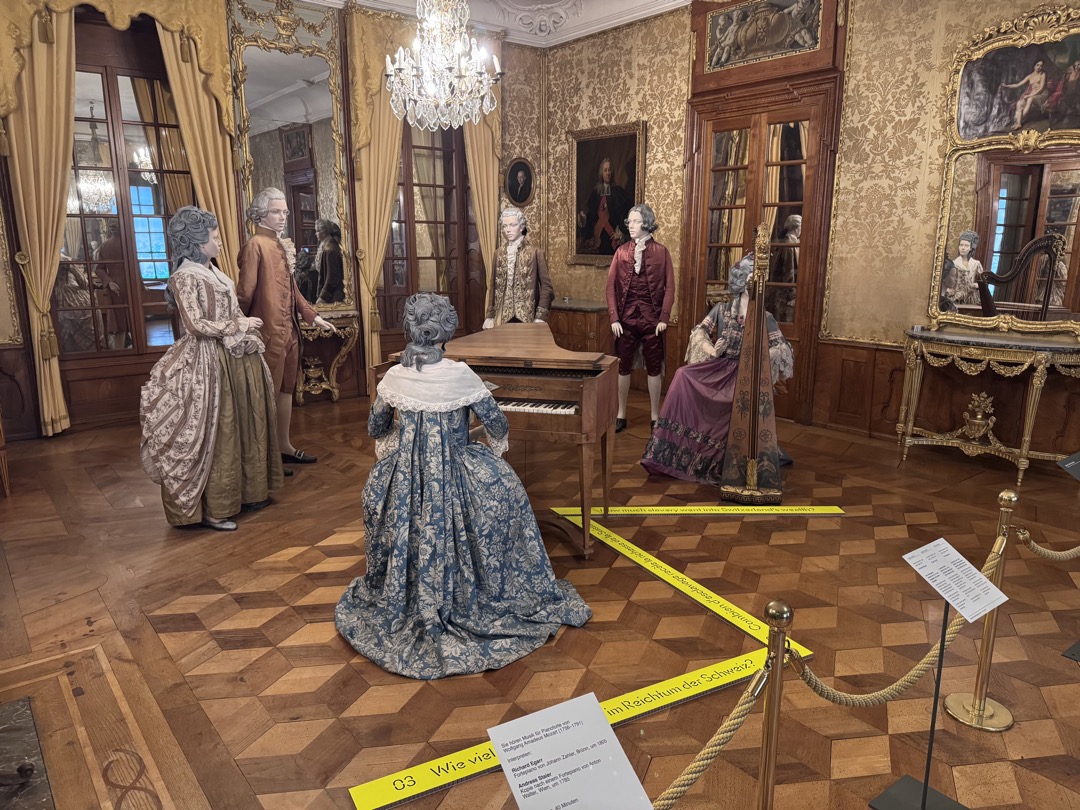
In March 2024, the Cologne City Museum (Kölnisches Stadt Museum) in Germany reopened in an unexpected setting: a former luxury department store in the heart of the city’s shopping district. The museum has been around since 1888, but a 2017 water leak forced it out of its former location. Its latest incarnation takes a bold new approach to presenting the city’s history, promoting itself with “Cologne: A New Narrative.”

Rather than organizing its permanent exhibition chronologically or thematically, the museum focuses on emotions using eight big questions to explore both the past and present of Cologne for residents and tourists. Throughout they incorporated responses and personal objects from their “Cologne Experts,” fifteen diverse residents who represented different perspectives.

From the moment you enter, the museum signals something different. The large black-and-white lobby features a central stairway leading both a half-story up and a half-story down, offering a tantalizing glimpse of what’s to come. The introductory label in the lobby reads:

Continue reading

Designing for Impact: Why Reflection Should Be at the Heart of Your Museum Experience

In today’s fast-moving, attention-fragmented world, museums are under pressure to do more than just deliver content–they need to make it stick. Whether it’s an online program, a guided tour, or an immersive performance, professionals are increasingly asking: How do we create experiences that matter? Three recent studies point to a clear answer: if you want to deepen impact, design for reflection.


Reflection Creates Meaningful Museum Visits

A recent study by Pieter de Rooij and colleagues at the Dutch Open Air Museum in Arnhem investigated what factors contribute to a memorable, meaningful, or transformative museum experience. Using surveys from over 500 visitors, they found that reflection was the strongest predictor of all three outcomes, while sociability and joy had a smaller yet significant effect. Visitors who were prompted to think about new ideas or connect the experience to their own lives were significantly more likely to report lasting impact.

Interestingly, traditional design features—such as beautiful displays, freedom to roam, or relaxing environments—were not strong predictors of impact. While those elements may support comfort and enjoyment, they don’t on their own foster deeper engagement.

Continue reading

Bridging the Gap: Tackling Visitor Awareness & Digital Programming

Ask any museum professional about barriers to participation, and you’re likely to hear about time, cost, or location. But two recent studies suggest the real obstacles may be more subtle—and more solvable. Whether your museum operates online, outdoors, or in a traditional building, one persistent challenge remains: many potential visitors don’t know what you offer or don’t believe it’s for them.


Non-Visitors Aren’t Uninterested—They’re Unaware or Uncertain

Wilcox et al. studied visitation patterns at two urban National Park Service sites in Washington, DC: Rock Creek Park and the C&O Canal. They surveyed both visitors and non-visitors during the pandemic and found that the most common constraint for non-visitors wasn’t disinterest—it was lack of awareness. Many simply didn’t know what the parks offered, where they were located, or whether they were open to the public.

Continue reading

New Vision, Old Masterpieces: Transformation Ahead at the National Gallery of Art

The National Gallery of Art in Washington, DC has quietly launched an ambitious reimagining of its original West Building, a structure completed in the early 1940s and long known for its grand architecture and displays of masterpieces. For generations, galleries have been organized by geography and time period, with paintings neatly arranged on walls in a format familiar—and comforting—to many visitors. But as expectations change and audiences diversify, the NGA is reconsidering what a national art museum can and should be in the 21st century.

Project Goals: From Comfort to Connection

The West Building Reimagining Project is driven by a compelling vision: to make visible the profound links between art and our shared humanity. The project seeks to move beyond static displays and conventional categorizations to create exhibitions that are more resonant, inviting, and engaging—especially for multi-generational families and first-time visitors. The team aims to evoke a broader range of responses, from curiosity to awe, while incorporating a wider variety of objects and histories than traditionally seen in the West Building.

Listening, Learning, and Prototyping

The project began in earnest in 2023 with a series of listening sessions involving both staff and visitors. One key insight quickly emerged: diversity—of objects, perspectives, and people—matters. Since then, the Gallery has taken a human-centered design approach, engaging more than 100 participants across departments and partnering with faculty from the Corcoran School of Art at George Washington University (including me!).

Subcommittees were formed in 2024 to tackle specific challenges, and in 2025 the focus has shifted to testing experimental display strategies. These prototypes will be refined throughout the year, with recommendations to the NGA’s president and CEO slated for 2026. The process is intentionally iterative, emphasizing learning and responsiveness over rigid outcomes.

A Workshop on the Social Role of Art

Continue reading