Category Archives: Exhibitions

From Julia Child to Lowriders: Interpreting History at the Smithsonian on the Eve of a Shutdown

Although the federal government shutdown has started, the Smithsonian museums will remain open at least through Monday, October 6. Despite the media’s attention on 12:01 am on October 1, shutdowns don’t happen immediately because stopping a huge bureaucracy takes time, plus each agency has to determine who will be furloughed and who is essential—that’s why air traffic controllers keep working at airports but not educators at museums. Secondly, agencies can use private funds to continue operating, which is why the Smithsonian can keep the doors open a few more days.

I was fortunate to visit the National Museum of American History on September 30 with my “Interpreting Historic Sites and House Museums” course at George Washington University. For a couple of hours, my students analyzed the interpretation in two exhibitions that included historic buildings: Food (featuring Julia Child’s kitchen) and Within These Walls (featuring the 1750s Ipswich House, the largest object in the collection). They did a terrific job uncovering topics and themes, discussing how women are represented, and the assessing the use of objects.

Continue reading

Navigating Community Engagement in Museums in a Charged Political Climate

I attended a timely and thought-provoking session at this year’s AASLH Annual Meeting called Bridging Divides: Navigating Challenging Histories Through Community Engagement on September 13. It gathered five panelists—Angela O’Neal, Columbus Metropolitan Library, Columbus, OH; Rebecca Asmo, Ohio Humanities, Columbus, OH; Jason Crabill, Decorative Arts Center of Ohio, Lancaster, OH; Kaitlyn Donaldson, Lorain Historical Society, Lorain, OH; Doreen Uhas-Sauer, Rickenbacker Woods Foundation, Columbus, OH—who shared practical advice for how museums and historic sites can continue doing meaningful work in an era of heightened scrutiny, political pressure, and declining trust. I want to share my notes here, not as a verbatim report, but as highlights of ideas that struck me as especially useful for our field.

Protecting Institutions While Advancing Mission

The panel emphasized that today’s environment did not emerge overnight, so institutions can look to history and the humanities for guidance. Two watchwords were don’t obey in advance and don’t over-comply. When regulations restrict action—such as a requirement to remove feminine hygiene products from restrooms—organizations can comply while still serving their audiences by relocating them to staffed areas. Institutions should avoid inviting unnecessary trouble, ensuring content is evidence-based, factual, and defensible. Even the naming of grants matters: choose descriptive, straightforward titles rather than attention-grabbing language that might provoke critics.

Building Credibility Through Storytelling and Relationships

Telling concrete, factual stories is essential. Because American history is often taught as headlines rather than complex narratives, museums must provide depth while remaining accessible. Community review of working drafts helps ensure relevance and reduces backlash. Listening for common ground creates ownership and fosters support. In some cases, reframing exhibits as art rather than history opens doors to difficult conversations. Festivals, events, and everyday relationship-building are as important as the exhibits themselves.

Continue reading

What Happens When a Museum Asks Questions Instead of Giving Answers?

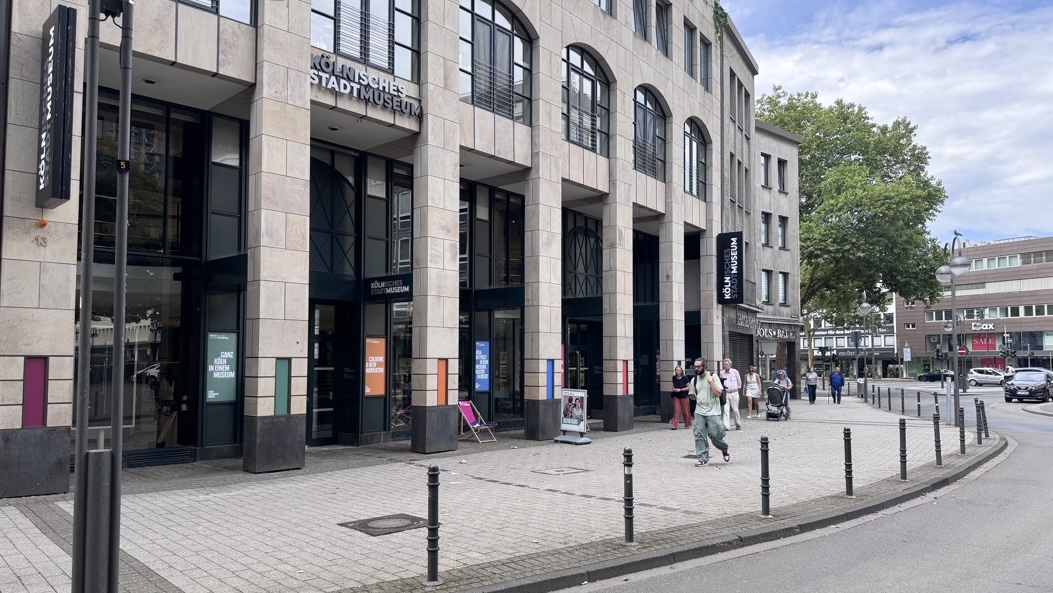
Köln City Museum

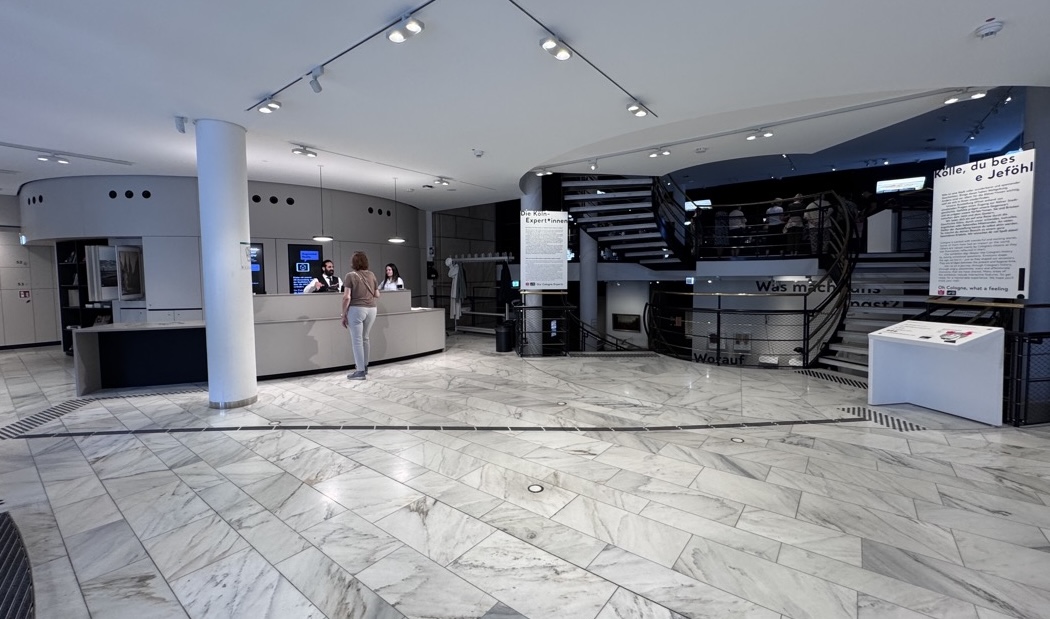
In March 2024, the Cologne City Museum (Kölnisches Stadt Museum) in Germany reopened in an unexpected setting: a former luxury department store in the heart of the city’s shopping district. The museum has been around since 1888, but a 2017 water leak forced it out of its former location. Its latest incarnation takes a bold new approach to presenting the city’s history, promoting itself with “Cologne: A New Narrative.”

Rather than organizing its permanent exhibition chronologically or thematically, the museum focuses on emotions using eight big questions to explore both the past and present of Cologne for residents and tourists. Throughout they incorporated responses and personal objects from their “Cologne Experts,” fifteen diverse residents who represented different perspectives.

From the moment you enter, the museum signals something different. The large black-and-white lobby features a central stairway leading both a half-story up and a half-story down, offering a tantalizing glimpse of what’s to come. The introductory label in the lobby reads:

Continue reading

Reimagining the West Building: What’s Changing at the National Gallery of Art?

Over the past year, the National Gallery of Art has begun experimenting with how it presents art in the West Building—the museum’s original home, long known for its restrained elegance and traditional installations. While the building remains largely unchanged since it opened in the 1940s, these recent “interventions” offer a glimpse into how the museum is rethinking its interpretive and design strategies as it prepares for a broader transformation.

In a previous post, I discussed the National Gallery’s process of reimagining its West Building. Now we’re seeing that process move from discussion to experimentation. Here are three interventions currently on view, each testing new ways to engage visitors and reframe the collection:


1. Nature and Objects in Dutch Landscapes

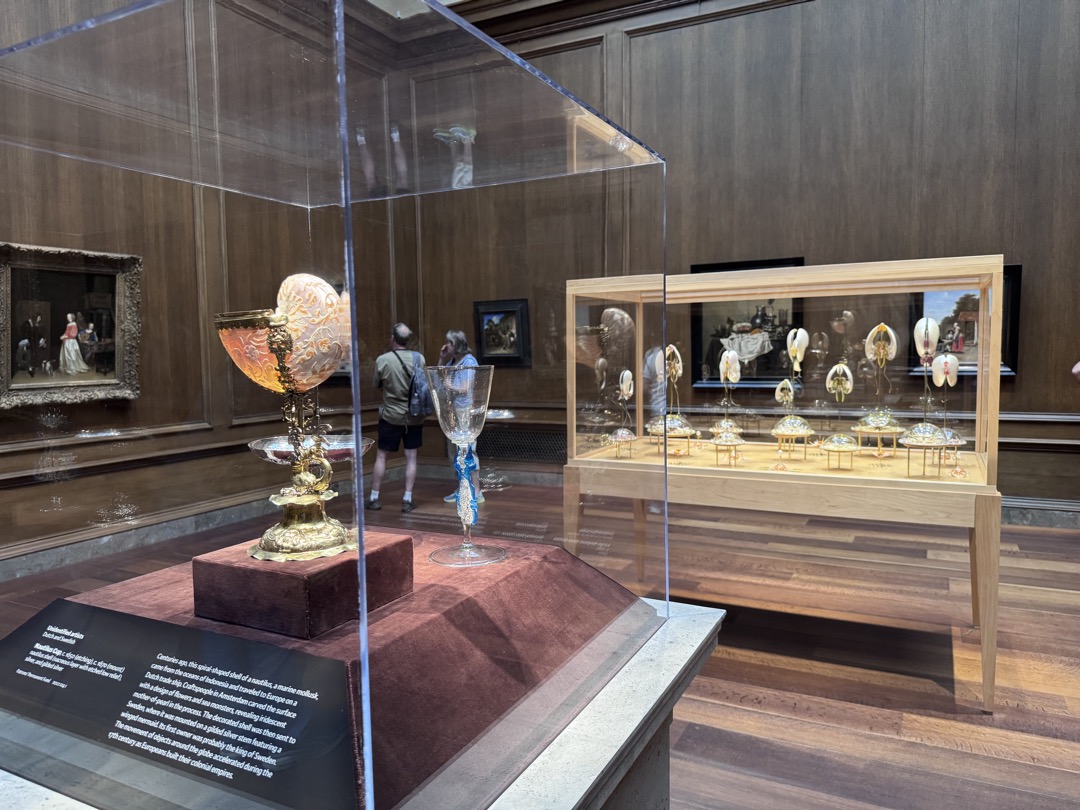
In the 17th-century Dutch landscape paintings gallery, two display cases offer a fresh angle on how nature shapes artistic imagination. One features three European decorative objects—a silver footed bowl, an elaborate stemmed glass, and a nautilus shell mounted on a gilt stand—designed to echo the forms and themes found in nearby paintings. The other case introduces a striking contemporary counterpart: Small Crafts on Sisyphean Seas by Dario Robleto, a mixed-media work combining natural materials like seashells, coral, urchin spines, and nautilus shells. These subtle interventions ask visitors to consider how objects, both functional and fantastic, reflect the human impulse to capture the natural world.

Continue reading

New Vision, Old Masterpieces: Transformation Ahead at the National Gallery of Art

The National Gallery of Art in Washington, DC has quietly launched an ambitious reimagining of its original West Building, a structure completed in the early 1940s and long known for its grand architecture and displays of masterpieces. For generations, galleries have been organized by geography and time period, with paintings neatly arranged on walls in a format familiar—and comforting—to many visitors. But as expectations change and audiences diversify, the NGA is reconsidering what a national art museum can and should be in the 21st century.

Project Goals: From Comfort to Connection

The West Building Reimagining Project is driven by a compelling vision: to make visible the profound links between art and our shared humanity. The project seeks to move beyond static displays and conventional categorizations to create exhibitions that are more resonant, inviting, and engaging—especially for multi-generational families and first-time visitors. The team aims to evoke a broader range of responses, from curiosity to awe, while incorporating a wider variety of objects and histories than traditionally seen in the West Building.

Listening, Learning, and Prototyping

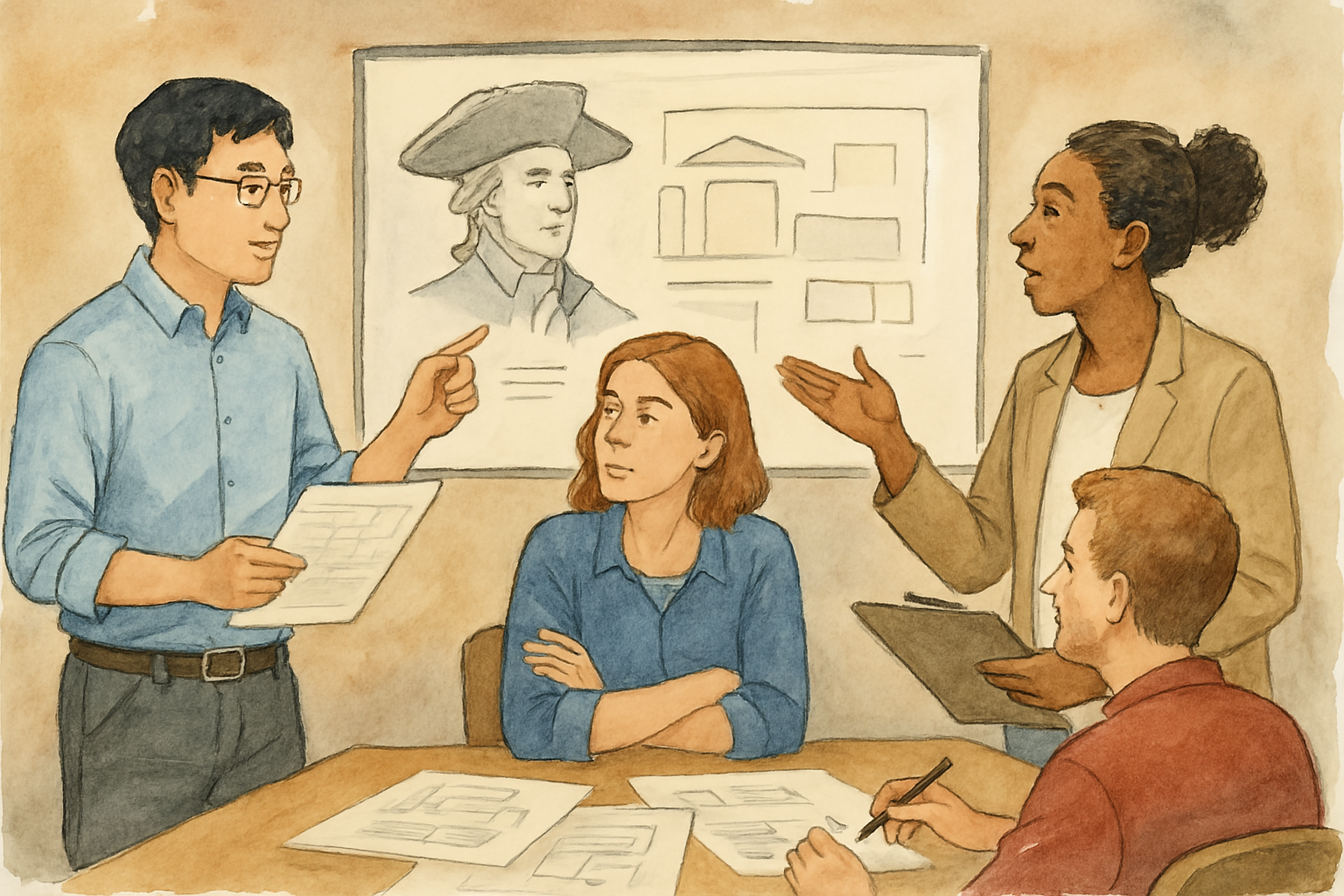
The project began in earnest in 2023 with a series of listening sessions involving both staff and visitors. One key insight quickly emerged: diversity—of objects, perspectives, and people—matters. Since then, the Gallery has taken a human-centered design approach, engaging more than 100 participants across departments and partnering with faculty from the Corcoran School of Art at George Washington University (including me!).

Subcommittees were formed in 2024 to tackle specific challenges, and in 2025 the focus has shifted to testing experimental display strategies. These prototypes will be refined throughout the year, with recommendations to the NGA’s president and CEO slated for 2026. The process is intentionally iterative, emphasizing learning and responsiveness over rigid outcomes.

A Workshop on the Social Role of Art

Continue reading

The VRIO Framework: Looking Inward, Thinking Forward

When I was chatting with John Wetenhall, director of the GW Museum, he mentioned a business analysis tool I had never heard of: VRIO. It was a surprisingly lively conversation about whether this corporate framework could apply to museums and historic sites—and it piqued my curiosity. Developed by Birger Wernerfelt in his landmark 1984 article “A Resource-Based View of the Firm,” and later refined by Jay Barney in “Firm Resources and Sustained Competitive Advantage” (1991), VRIO offers a way to evaluate whether an organization’s internal assets truly contribute to long-term success. The acronym stands for Value (does it help the organization exploit opportunities or neutralize threats?), Rarity (is it scarce among competitors?), Imitability (is it difficult to duplicate or substitute?), and Organization (is the organization structured to fully leverage it?).

What began as a theoretical framework for corporations turns out to have practical potential for cultural institutions as well. Tools like logic models and Porter’s Five Forces are helpful, but what about the museum’s internal capabilities? How do we know if our collections, staff, or community ties are truly strategic advantages? Two articles by Paul Knott at the University of Christ Church (New Zealand) offer guidance by critically examining the popular VRIO framework—and how it can work better for cultural institutions.


Insight #1: Strengthening Strategy with an Expanded VRIO Model

In “Integrating Resource-Based Theory in a Practice-Relevant Form” (2009), Knott builds on the traditional VRIO model—Value, Rarity, Imitability, Organization—to create a more actionable and dynamic approach. He emphasizes that internal resources (like a museum’s brand, reputation, or community partnerships) are only strategic if they are used under the right conditions. Critically, he introduces a matrix that shows how the same resource can be a strength, weakness, missed opportunity, or rigidity depending on how it’s managed. This is a significant improvement over the traditional SWOT exercise because it requires you to evaluate each asset or resource with specific questions.

Continue reading

What if the Executive Order Applied to Us? Imagining the Impact on American History Museums

Last week, President Trump issued an executive order titled “Restoring Truth and Sanity to American History”. Aimed at federal cultural institutions—especially the Smithsonian—it calls for more patriotic presentations of American history, emphasizing unity, greatness, and optimism while discouraging exhibits that focus on racism, inequality, or gender identity.

Right now, the order applies only to federal museums. But what if it didn’t?

Let’s imagine the impact on non-federal museums and historic sites across the country—many of which have spent years expanding their stories to include previously marginalized voices and difficult truths.

What the Executive Order Says

The order encourages museums to promote “our extraordinary heritage” and to avoid what it calls “ideological indoctrination or divisive narratives.” It criticizes content that is “inherently racist, sexist, oppressive, or otherwise irredeemably flawed” and that “deepens societal divides and fosters a sense of national shame.” Instead, it wants museums to emphasize “American excellence” and the “progress America has made.”

While these directives may be aimed at the Smithsonian Institution, many worry they signal a broader trend—one that could influence funding, public opinion, and professional standards.

Site by Site: Imagined Impacts

Current approach: Includes honest depictions of slavery and Washington’s complicated legacy.
Potential impact: Decreased focus on the lives of enslaved people; Greater emphasis on Washington’s military victories and presidency; Shift toward a more heroic and simplified narrative

Continue reading

History Redacted? What Museums Can Do About Censorship and Content Restrictions

Across the United States, museums and historic sites are feeling the pressure of growing efforts to limit how history is interpreted and shared with the public. Whether it’s school boards restricting curricula, exhibitions removing stories about women or African Americans, or state legislatures targeting specific narratives, the landscape for public history is shifting. Two recent statements—one from national associations of professional historians and another from a leading association of history organizations—offer timely guidance for navigating this challenge.

Upholding Academic Freedom and Public Access to History

In their joint statement, the American Historical Association (AHA) and the Organization of American Historians (OAH) raise alarm over federal directives aimed at censoring public-facing historical content. Specifically, they object to restrictions on the use of terms like “diversity,” “equity,” and “inclusion,” as well as efforts to remove access to resources about gender, race, and immigration history across government platforms. These actions, the associations argue, “deny the American public access to the complex, nuanced, and evidence-based historical knowledge that is essential to democratic society.”

For museum professionals, this serves as a reminder that we are not only stewards of collections but also of public understanding and trust. AHA and OAH call on historians–including those in museums and historic sites–to resist these pressures by reaffirming their commitment to historical accuracy, critical inquiry, and public service. The practical takeaway? Review interpretive plans, online content, and programs to ensure they are grounded in evidence-based scholarship, even–and especially–when the topics are politically charged.

Standing with the National Park Service: A Sector-Wide Response

Continue reading

Navigating New Federal Policies: What Executive Orders Mean for History Museums and Historic Sites

Museums are no strangers to navigating shifting policy landscapes, but recent executive orders issued by the White House signal significant changes that will affect funding, interpretation, and educational outreach. Whether you work in a history museum, a historic preservation organization, or a community-based historical society, understanding these policies is crucial for adapting to new challenges and opportunities.

Key Themes Across the Executive Orders

1. A Shift Toward Patriotic and Nationalist Narratives

Executive Orders 14190 (Ending Radical Indoctrination in K–12 Schooling) and 14189 (Celebrating America’s 250th Birthday) prioritize “patriotic education” and reinforce a government-endorsed interpretation of American history. This shift is exemplified by the reestablishment of the 1776 Commission and the creation of Task Force 250, which will oversee programming related to the 250th anniversary of American independence. “Patriotic education” is defined as “the history of America grounded in:

  • (i) an accurate, honest, unifying, inspiring, and ennobling characterization of America’s founding and foundational principles;
  • (ii) a clear examination of how the United States has admirably grown closer to its noble principles throughout its history;
  • (iii) the concept that commitment to America’s aspirations is beneficial and justified; and
  • (iv) the concept that celebration of America’s greatness and history is proper.”

2. The Elimination of Federal DEI and Environmental Justice Programs

Executive Order 14151 (Ending Radical and Wasteful DEI Programs and Preferencing) eliminates all federal support for diversity, equity, and inclusion (DEI) initiatives. This includes the termination of DEI-related grants, plans, contracts, programs, initiatives, training programs, offices, positions, and employment policies within federal agencies, “under whatever name they appear.” Museums that have benefited from federal DEI funding or programs may need to reassess their funding strategies and institutional policies.

3. Renaming and Monument Preservation

Executive Order 14172 (Restoring Names That Honor American Greatness) renames Denali back to Mount McKinley and designates the Gulf of Mexico as the Gulf of America. Additionally, the reinstatement of the National Garden of American Heroes and the protection of existing monuments signal a renewed emphasis on traditional historical figures. Museums may face increased scrutiny when interpreting contested histories, particularly around geographic names and public commemorations.

Continue reading

AI in Action: Enhancing Museum Programs with Audience-Driven Insights

In museums and historic sites, whether you’re designing school programs, workshops, docent training, or exhibitions, understanding the needs and interests of your audience is key to success. But how do you efficiently analyze diverse feedback and connect it to your goals? Recently, I experimented with a creative process that combined audience input and AI to revise the learning objectives for my graduate course, Creating Sustainable Museums. The results not only improved the course but also offered insights into how AI can be used to enhance museum work.  

This approach was inspired by research conducted by Conny Graft at Colonial Williamsburg decades ago, which revealed that the goals of museum educators for school field trips often didn’t align with those of teachers. When those misalignments went unaddressed, they could lead to disappointment for both parties. Graft’s work emphasized the importance of finding common ground between institutional goals and participant expectations—a principle that remains essential in museum work today.

Start with Your Audience’s Goals

My course revision process began with a pre-course online survey, asking students to share what they hoped to know, feel, and do by the end of the semester. Using GPT, I quickly synthesized and categorized their responses to reveal predominant interests in financial, social, and environmental sustainability, as well as a strong desire to gain practical, job-ready skills. This step is akin to understanding your audience in a museum setting: what do your participants want to know, feel, or do? Are they looking for historical context, practical skills, or a new way to connect with the past?

Continue reading