Category Archives: Travel and tourism

On the Road: Rethinking “Cast in Bronze”

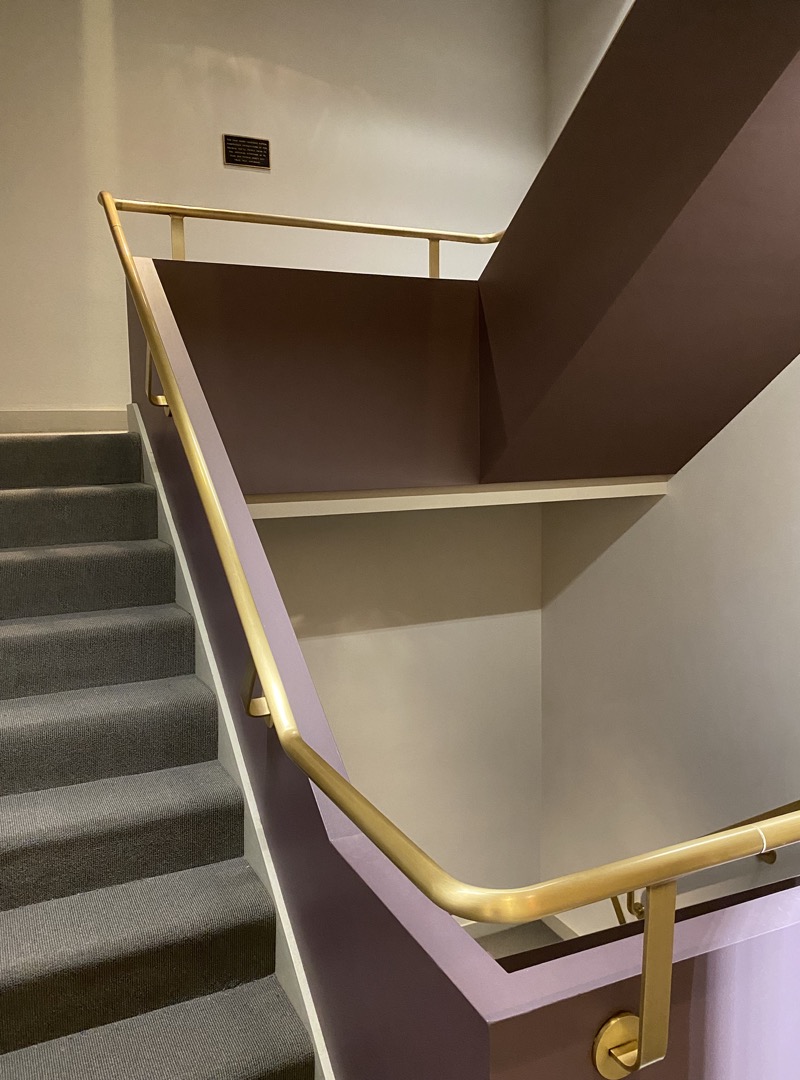
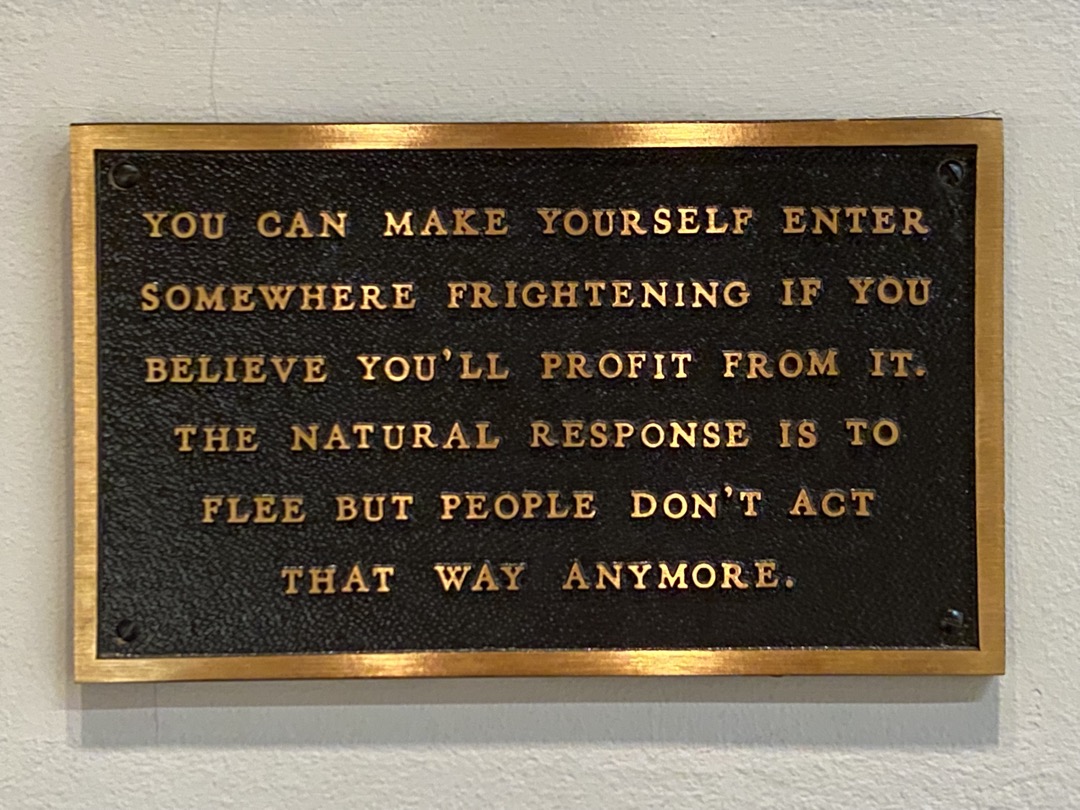
At my first stop at the Washington County Museum of Fine Arts, I was faced with a historical marker at the entrance to the parking lot. A unexpected location but far more accessible than on the side of a busy highway. All of the recent conversations about decolonization has me always take a closer look at these markers but more interestingly, I’ve encountered several different types of markers so far on my road trip that have me thinking more about their value, veracity, authenticity, and permanence by being “cast in bronze”.

As you’ll see, location matters as much as the text. Some are intentional efforts to deceive, some are not. Some are historical, some artistic, some a bit of both. They are all designed to be inspirational, some more deeply than others. Do any of them matter? Do they have any impact? What do you think?
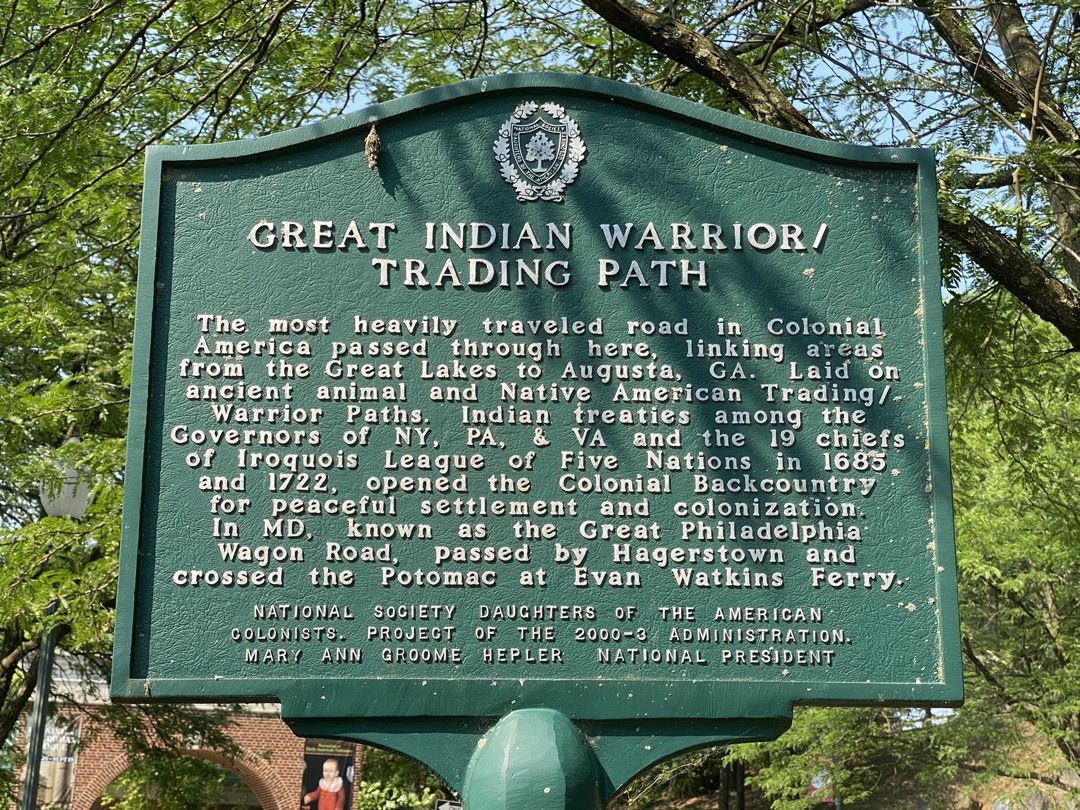
“Great Indian Warrior/Trading Path,” Washington County Museum of Fine Arts, Hagerstown, Maryland.
“Eddie Taylor, Mayor of 7th and Wabash,” Terre Haute, Indiana.

“History of Springfield Public Square,” Springfield, Missouri.

Fort Vancouver Has a Great Visitor Map (and a Lousy One, Too)

The simplest things impress me when I visit historic sites, like a good visitor map.  They’re hard to find so when I spot one, I’m thrilled.

I recently visited Fort Vancouver National Site in Vancouver, Washington, across the Columbia River from Portland, Oregon. In the Visitor Center, they provide a visitor map printed on 11 x 17″ paper that’s gathered in pads of 50 sheets. I’ve always loved these tear-off maps because they’re always neat and generously sized, and in this particular case, also well designed. Even though it’s simply printed with black ink on white paper, the designer carefully used tinting, serif and sans serif faces in different sizes, varied line weights, and symbols to help visitors easily find their way around this very large site. Most important, information that is not important to visitors is omitted. On the back side are Continue reading →

Is Your Historic Site Ready for Mobile Devices?

As we know, smartphones and other mobile devices are becoming a routine part of our visitors’ lives.  But did you know that more people search for travel information on their mobile devices than on their desktops?  It allows them to make immediate decisions while they’re on the go, including when they’re on vacation and at your site (if visitors are looking at their smartphones while walking in the door, they may be checking your admission fees and hours, not their email). Mobile users want information fast and they’re not discriminating: they’ll look for the information about your historic site from whomever gets it to them the fastest, even if it’s not your website. That’s the latest research from Think with Google on “Travel Planning and Purchasing has Evolved on Mobile.”  For historic sites and house museums, this means that you should: Continue reading →