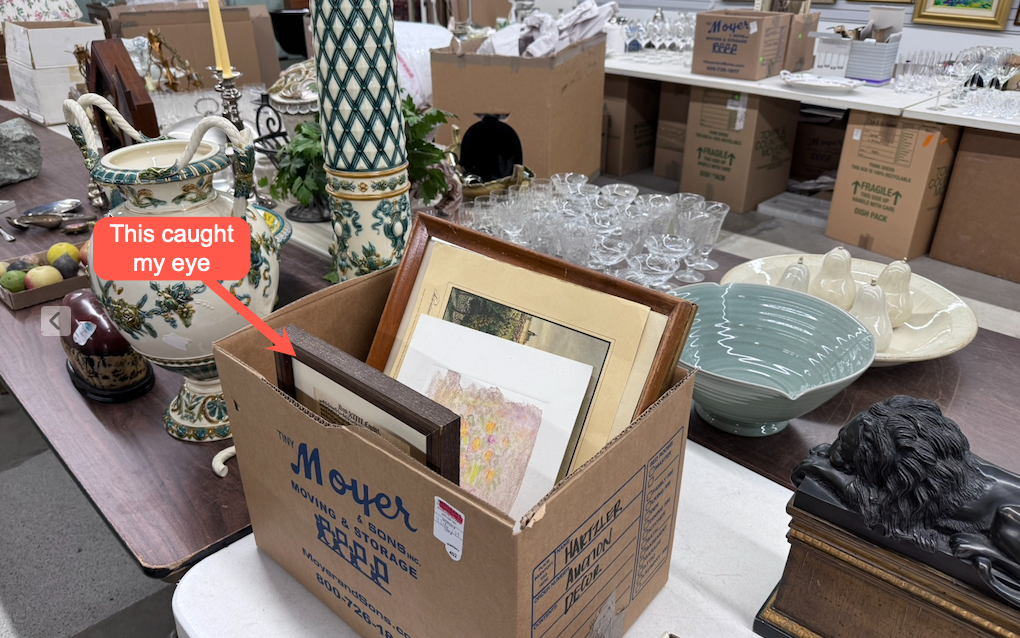
It was a brown cardboard box at a local auction filled with framed prints and miscellaneous ephemera. The sort of lot you bid on partly out of curiosity and partly because, if you’re lucky, you might discover something interesting. I did—it was a framed page from a 500-year-old German book.
As a historian, I enjoy reading. But more than that, I love books as objects. Their design, typography, and material presence give me tremendous joy. I got the bug in college in a federal work-study position in the rare books and special collections department of the library, where I learned how much evidence a single page can hold: paper quality, typeface, layout, illustration style, and wear patterns can all reveal a story before you even understand the words.
This page immediately caught my attention.
The typeface was Gothic, clearly German, probably around 1500. But the illustrations were strange. Instead of familiar late-medieval imagery (saints, cities, plants, kings) one woodcut showed a man lying in bed while another pressed a knife to his neck. Another showed a dining table with people seated around a severed head on a platter. Huh?
It was unmistakably early printed material, but not religious, political, or medical.
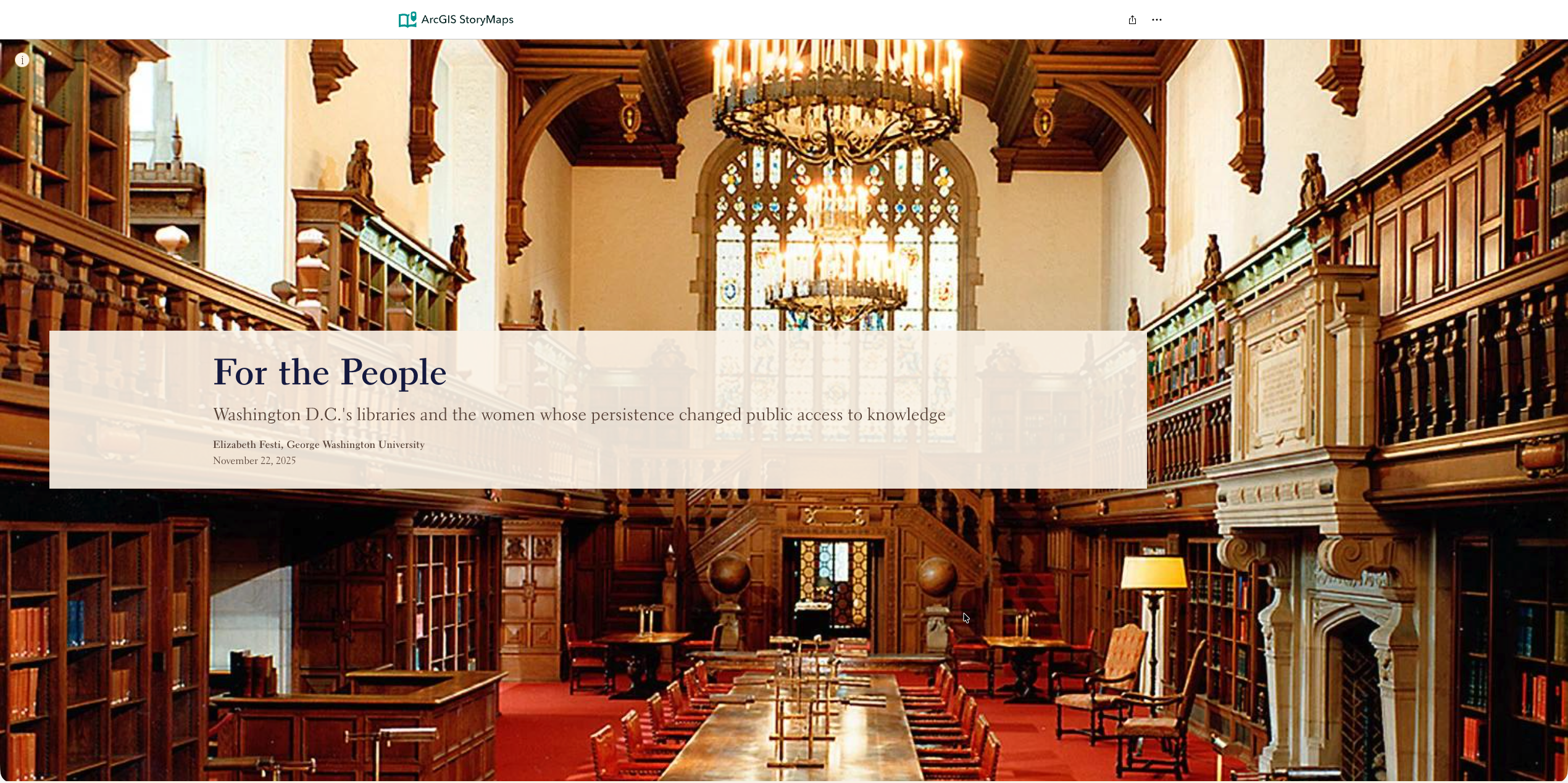
Digital tools do not automatically produce meaningful interpretation. What they can do—when used with discipline—is force clarity about audience, theme, and purpose. This is why I have begun using ESRI ArcGIS StoryMaps as a core interpretive platform in my graduate course CMST6307: Interpretation of Historic Sites at George Washington University.
This fall, students were commissioned—within a realistic professional scenario—to create StoryMaps interpreting the history of women in Washington, DC. Each project connected five or six historic sites through a coherent theme, tailored to a specific public audience. The results demonstrate how StoryMaps can function not as digital scrapbooks, but as public-facing interpretive products grounded in professional standards.
I’m incredibly proud of what they accomplished, but this isn’t a showcase of student work for its own sake. It’s a case study in how digital storytelling platforms can support the interpretation of historic sites and house museums.
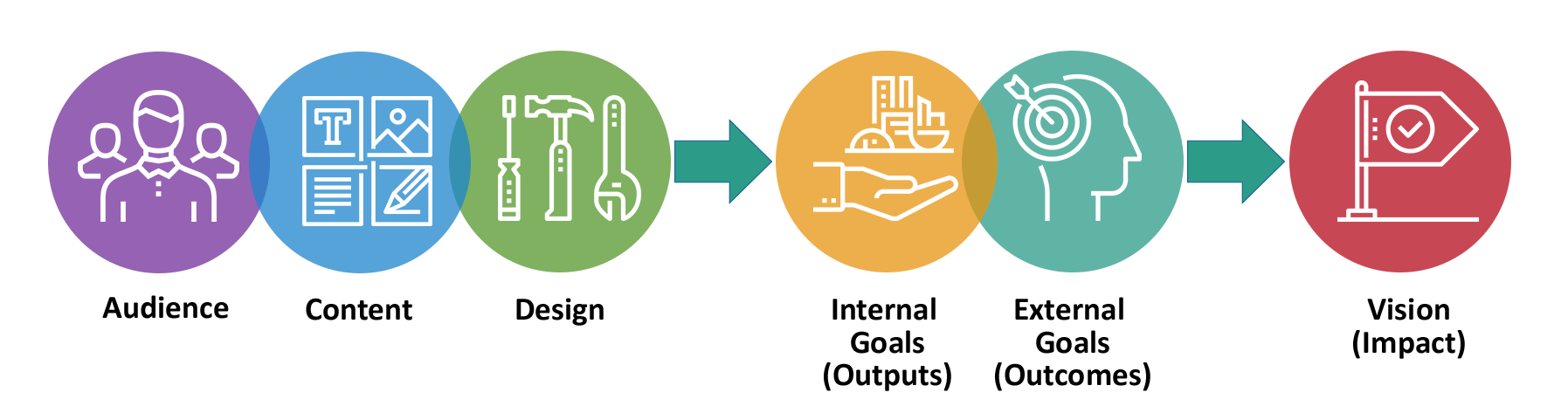
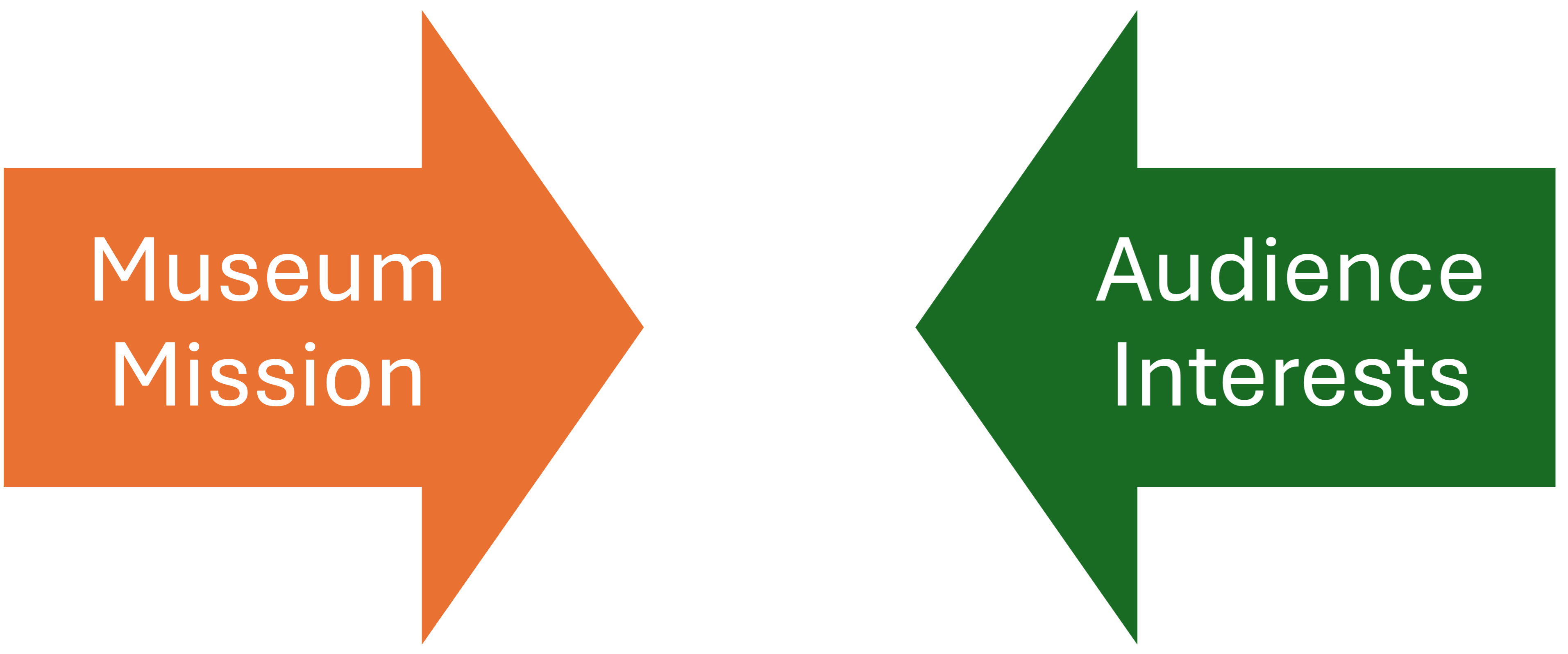
Interpretive framework used in my interpretation course (and with my clients).
A Professional Product, Not a Classroom Exercise
The assignment was framed as a hypothetical consulting project for the White House Historical Association. Students were told: “The StoryMap should connect 5–6 historic sites through a coherent theme, tailored to a specific audience. It should demonstrate professional standards in historical research, interpretive writing, and digital design.”
From the beginning, the emphasis was not on technology, but on interpretation. Each student had to demonstrate the integration of three core elements: audience, content, and design.
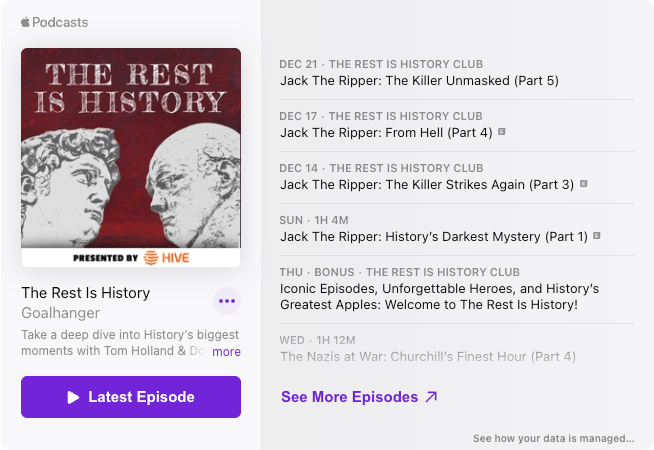
Apple Podcasts recently named The Rest is History its Podcast of the Year, and in a December 4 interview on In Conversation from Apple News, hosts Dominic Sandbrook and Tom Holland reflected on why history is resonating so strongly today. Sandbrook argues that despite assumptions, young people are deeply interested in the past—provided it is presented through compelling stories and vivid characters. Academic historians, he suggests, sometimes struggle to reach broad audiences because they avoid narrative. For Sandbrook, stories of the Second World War, Greek myth, the Trojan War, and Rome endure because they are foundational to human identity.
Holland adds that today’s students confront unprecedented content pressures, but unlike earlier generations, they are no longer limited to school as the sole venue for learning. The internet has created a lifelong landscape for historical discovery—“an enormous seam of gold,” as he describes it.
Ask any museum professional about barriers to participation, and you’re likely to hear about time, cost, or location. But two recent studies suggest the real obstacles may be more subtle—and more solvable. Whether your museum operates online, outdoors, or in a traditional building, one persistent challenge remains: many potential visitors don’t know what you offer or don’t believe it’s for them.
Non-Visitors Aren’t Uninterested—They’re Unaware or Uncertain
Wilcox et al. studied visitation patterns at two urban National Park Service sites in Washington, DC: Rock Creek Park and the C&O Canal. They surveyed both visitors and non-visitors during the pandemic and found that the most common constraint for non-visitors wasn’t disinterest—it was lack of awareness. Many simply didn’t know what the parks offered, where they were located, or whether they were open to the public.
Museums and historic sites face a persistent challenge: how to transform mildly interested visitors into deeply engaged patrons. These exploratory visitors—those who follow your social media accounts, visit the website, or attend an occasional event—represent a critical audience segment with untapped potential. How can museums help these visitors feel more connected and motivated to return?
Three recent studies offer actionable insights into addressing this challenge: one on the power of framing and emotional relevance, another on the role of clear wayfinding in reducing visitor anxiety, and a third on the holistic visitor experience at heritage attractions.
Lesson 1: Framing and Emotional Relevance Matter
In “The Role of Framing, Agency, and Uncertainty in a Focus-Divide Dilemma,” Justin Claydon et al highlight how contextual framing—presenting information in a familiar, relatable way—dramatically improves motivation and engagement. When tasks are abstract or unfamiliar, people struggle to prioritize and engage effectively. Conversely, framing a task with real-world relevance reduces uncertainty and increases interest.
In museums and historic sites, whether you’re designing school programs, workshops, docent training, or exhibitions, understanding the needs and interests of your audience is key to success. But how do you efficiently analyze diverse feedback and connect it to your goals? Recently, I experimented with a creative process that combined audience input and AI to revise the learning objectives for my graduate course, Creating Sustainable Museums. The results not only improved the course but also offered insights into how AI can be used to enhance museum work.
This approach was inspired by research conducted by Conny Graft at Colonial Williamsburg decades ago, which revealed that the goals of museum educators for school field trips often didn’t align with those of teachers. When those misalignments went unaddressed, they could lead to disappointment for both parties. Graft’s work emphasized the importance of finding common ground between institutional goals and participant expectations—a principle that remains essential in museum work today.
Start with Your Audience’s Goals
My course revision process began with a pre-course online survey, asking students to share what they hoped to know, feel, and do by the end of the semester. Using GPT, I quickly synthesized and categorized their responses to reveal predominant interests in financial, social, and environmental sustainability, as well as a strong desire to gain practical, job-ready skills. This step is akin to understanding your audience in a museum setting: what do your participants want to know, feel, or do? Are they looking for historical context, practical skills, or a new way to connect with the past?
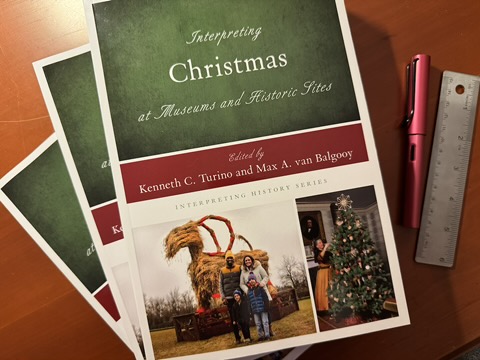
As 2024 comes to a close, it’s time to reflect on what turned out to be a busy and productive year. The highlight was completing Interpreting Christmas at History Museums and Historic Sites, co-edited with Ken Turino, which released in September. This project was a labor of love for the two dozen contributors, and it’s been gratifying to see it resonate with so many museum professionals.
Another major milestone was taking a sabbatical from George Washington University in the fall. During this time, I attended two intense and inspiring programs: the Newport Summer School, which focused on Victorian architecture and decorative arts, and the Royal Collection Studies course, which explored the management and interpretation of royal palaces and their collections. These experiences gave me fresh insights into interpretive strategies and leadership in historic sites that I look forward to integrating into my work and teaching. I can easily recommend these two professional development programs (and a sabbatical)!
As museums continue to evolve, so do the tools we use to connect with our audiences. Projection mapping is creating new opportunities to bring stories and objects to life. Although it’s been used for decades, it is increasingly adopted by museums and historic sites. I’m excited to share my new video, now available on YouTube, where I explore some fascinating projection mapping experiences in museums that I encountered while on the road this past year.
In this video, I take you through the basics of projection mapping, explaining how it works and offering real-world examples of its use in museums and historic sites in England, Italy, and the United States. From the virtual ledger of servants at Kensington Palace to the immersive storytelling at the Capitoline Museums in Rome, projection mapping is proving to be a versatile tool for creating memorable and educational museum experiences.
Whether you’re familiar with projection mapping from iconic attractions like the Haunted Mansion at Disneyland, or this concept is new to you, the video is designed to inspire museum professionals to think creatively about how to integrate this technology into exhibitions, tours, and programs. I’ll also show how more advanced applications, like the complex presentations at the Handel Hendrix House, are pushing the boundaries of how we engage with historical spaces and objects.
Projection mapping is about more than just projecting images—it’s about creating interactive, immersive environments that deepen the visitor’s connection with museum collections.
Check out the video now and see how your museum can harness the power of projection mapping to enhance visitor engagement and interpretation. Just be aware that it’s a handcrafted video that took me two days to edit and narrate, but it’s a topic better explained in a video than in text.
In an earlier post, I shared a sneak peek of our book, Interpreting Christmas at Museums and Historic Sites. Next week, Ken and I will provide a comprehensive overview during the upcoming AASLH webinar, “Jingle All the Way: Maximizing Your Museum’s Holiday Potential.” This webinar draws from the book but is not an hour-long sales pitch. Instead, we’ll share key advice and ideas on leveraging holiday celebrations, researching the local history of Christmas, planning and hosting holiday events, expanding traditional programs, and enhancing cultural sensitivity and inclusivity. With so much to cover, we’ll be hitting the highlights. If you’re seeking inspiration for Christmas during these hot summer days, join us on July 23, 2024 at 3:00 pm Eastern. For more details and to register, visit here. Plus, you’ll receive a 30% discount code for the book upon registration.
With proofs in hand, the book is moving closer to reality with a publishing date in fall, but more likely later than earlier. It has 21 chapters, 40 images, and an extensive bibliography of nearly 175 books and articles packed into 270 pages, which is about 25% longer than my Interpreting African American History and Culture at Museums and Historic Sites that Rowman & Littlefield published ten years ago (btw, Rowman was recently acquired by Bloomsbury Publishing). It’s now available for pre-order at Rowman.com for $50 for paperback and a jaw-dropping $125 for hardcover (I don’t set the prices but a 30% discount code is available for webinar attendees).
Behind the Scenes of Indexing
Ken Turino, Sara Bhatia, and I spent nearly two months creating he index, despite the publisher allocating just two weeks. The delay was partly due to other commitments (I was closing out the semester and attending the Newport Summer School), but also because the scope of the book made it significantly more complex. As anticipated, there’s an abundance of content on gifts, trees, lights, ornaments, decorating, and a variety of Santas. Rather than list two dozen pages that mention “lights,” we added subheadings for candles and electric lights, as well as safety considerations, and included “see also” references to help readers find specific information more quickly. But geez, that was slow going.
My chapter, “I’m Dreaming of a Warm Christmas: Researching California (and Other Local Places)” was initially indexed by GPT-3.5, then corrected manually as seen in this example. GPT-4o is more accurate when trained for indexing, but every entry still needs to be confirmed.
We experimented with GPT to produce the index, and the results were mixed. While GPT can generate an initial index with proper nouns and some concepts correctly formatted with page numbers, about half of the entries are usually either missing or incorrect (see example above). Thus, manual review of the proofs is still necessary, but at least GPT provides a head start. If you are interested in learning more in using GPT for indexing, I’m happy to share what I learned.
The index eventually grew to 22 pages, which is longer than most chapters! Indexing required a meticulous review of every page, during which we discovered errors that had slipped past four proofreaders. Ugh. Should we consider these flaws a characteristic of an artisanal, handcrafted gift to the field?
An experiment with a virtual tour of the famous Hagia Sophia in Istanbul.
Warning: this is an experiment in historic site interpretation. Things went wrong but we’re also learning a lot together.
I’ve been working on improving and enhancing the interpretation of historic sites and house museums for decades, plus I’ve also been interested in ways to improve access to these incredible places. If you’ve ever met me at a historic site, you know I take LOTS of photos and share them in my workshops, classes, and in this blog.
Last year, a friend introduced me to the Insta360 One X2, a small camera with two lenses that captures 360-degree photos and video. It’s popular with skiers, mountain bikers, skateboarders, and other active sport players because it captures everything, which can later be edited to the best views and moments. But how can it be used in the interpretation of historic sites? Is this a low-cost solution to create immersive videos?
I’ve just returned from a vacation in Greece and Turkey, where I visited several museums and historic sites that have long been on my list. As usual, I took lots of photos, including video using an Insta360. Fixed at the end of a yard-long selfie stick, it allowed me to capture drone-like views above the heads of the people around me without interfering with their experiences.
This first video experiment simply stitches four videos together of the Hagia Sophia in Istanbul during a daily prayer service. There’s no voice-over or narration as in a traditional tour, just a simple walkthrough with ambient sounds. Remember that it was originally a 360-degree video that was edited to frame the view and add camera movements. I discovered that the video is smudged or blurred at times. I’m not sure if that due to a dirty lens or the low light conditions, but I hid the worst parts with photos from my iPhone (yes, I was juggling two cameras at the same time!).
Take a look at the video and tell me what you think. How might this format enhance the interpretation of historic sites? What are possible next steps?





 Engaging Places