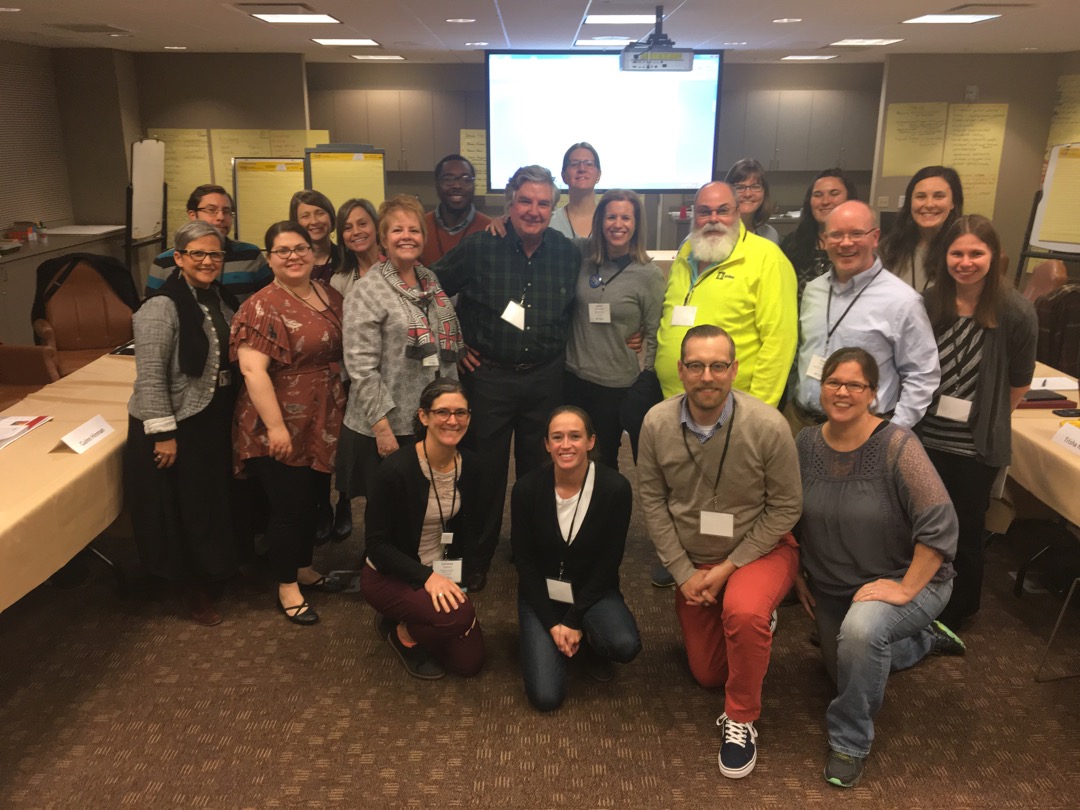
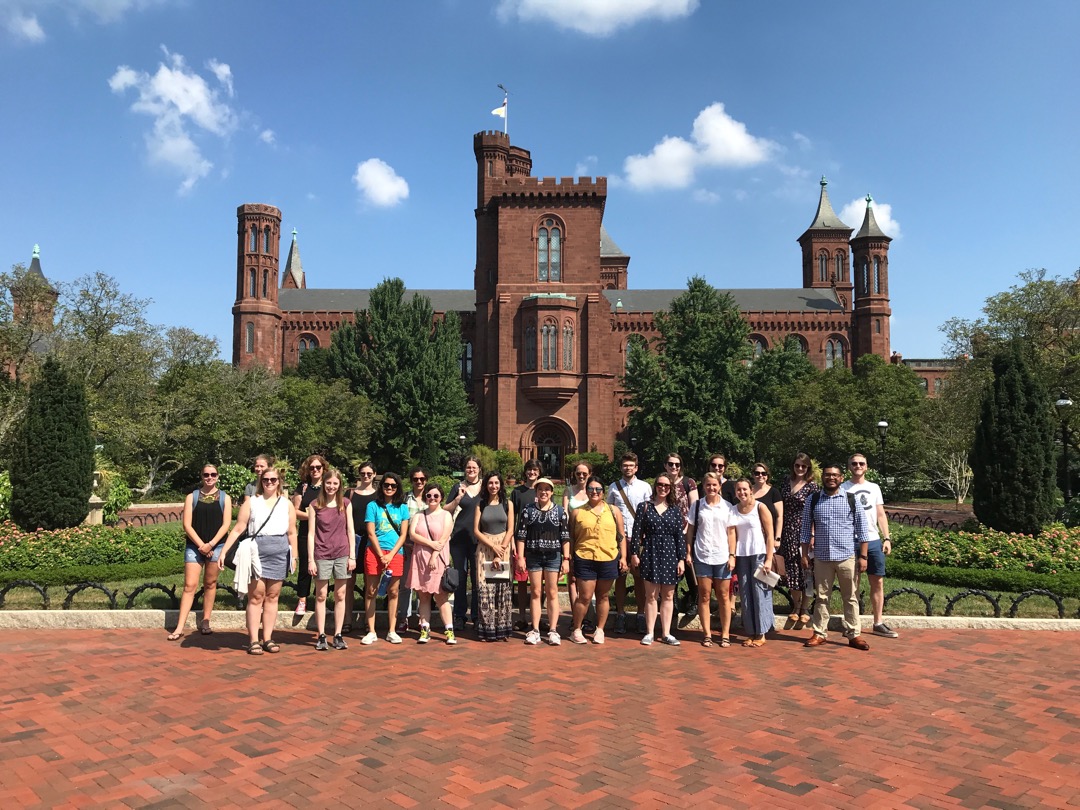
The Seminar for Historical Administration completed the first of a three-week program in Indianapolis and we’re learning a lot—so much that it’s sometimes overwhelming. We’re getting great ideas from the presenters, classmates, and field trips. While we’re a bit quiet during our discussions, it’s probably more due to the processing of all the new information we’re receiving than from an unwillingness to share our opinions. At the end of the week, John Marks, Morgan L’Argent, and Jeff Matsuoka facilitated discussions around three major issues we encountered, including some of the major challenges they’ll be facing when they return to their institutions in a couple weeks. Do any of these sound familiar to you?
1. Managing change: How to best integrate new ideas in our institutions. Will management accept new ideas or recognize a need for change? Will we be allowed to discuss or instigate change? How can change occur within a hierarchical organization? Will our ideas be viewed as an inauthentic or insincere public relations effort? Will the staff and board take action? Are our expectations set too low, making new ideas too much to handle? Will our new ideas result in a loss of our job or alienate donors and supporters?
2. Broadening participation: Are we including other perspectives and voices? Are alternative opinions being heard? Are we working in an echo-chamber, just having a conversation of people who agree with us? How do we ensure volunteers are included?
3. The tyranny of the urgent: Too distracted by daily operations to tackle big issues. How do I pace myself when there’s a long list of things to do? How do I manage my existing workload while processing new ideas from SHA? How do I avoid being discouraged or feeling defeated?
4. Achieving alignment: Articulating a strategic plan that is progressive, cohesive, and relevant in an environment where status quo, non-reflection, and bureaucracy is the norm. How to overcome inertia? How to find alignment between a new vision for the organization and its mission, values, and priorities? How do I find the right team? How do I achieve ambitious goals within the limitations of my job description?
As the director of SHA, I’m absorbing all of these experiences, but I’m not thinking how I can apply them to my museum or historical society back home. Instead, my brain is rattling around with ways to make the program even better next year so that the participants are even more effective as leaders at their organizations and in the history field.
If you have suggestions or comments on these issues, I’d love to hear from you and I’ll be sure to share them with the class. You’ll also want to return to this blog in a few weeks to see how thinking has evolved. It’s great to have the time to step back and reflect on these issues!

Historic House Museums in the United States and the United Kingdom: A History by Linda Young. Lanham, MD: Rowman & Littlefield, 2017. v + 299 pp.; bibliography, index; clothbound, $85.00; eBook, $80.00.
One of the big challenges for small and medium-sized nonprofit organizations is building capacity. Staff salaries and wages are usually the largest expense and it’s hard to grow without a serious long-term hit to your budget. As a result, work tends to pile on the same people and threatening burnout. Thanks to the expansion of online technologies and the freelance economy there may be ways to build capacity as you need it.
I’m in back-to-back conferences—AASLH last week, SEMC this week—because I’m moderating sessions at both. The Southeastern Museums Conference is in New Orleans, which is enjoying incredibly beautiful weather, making it easy to wander the streets to find the many museums that are in walking distance. In the two days I’ve been here so far, I’ve visited the Southern Food and Wine Museum (which includes the Museum of the American Cocktail) and Historic New Orleans Collection, taken a guided tour of St. Louis Cemetery #1, and tonight I’ll be at the evening reception at the National World War II Museum. New Orleans has some unusual museums tackling such unusual topics as tattoos, Mardi Gras, and death but I’m not sure I’ll have time to visit them as well. Over the next few weeks, I’ll share what I’ve learned from the sessions that stood out for me but in the meantime, I’ll post my notes and observations on Twitter during the conference using #SEMC17.

The July/August 2017 issue of Museum, the magazine of the 
The simplest things impress me when I visit historic sites, like a good visitor map. They’re hard to find so when I spot one, I’m thrilled.
The National Park Service has issued an updated version of the