
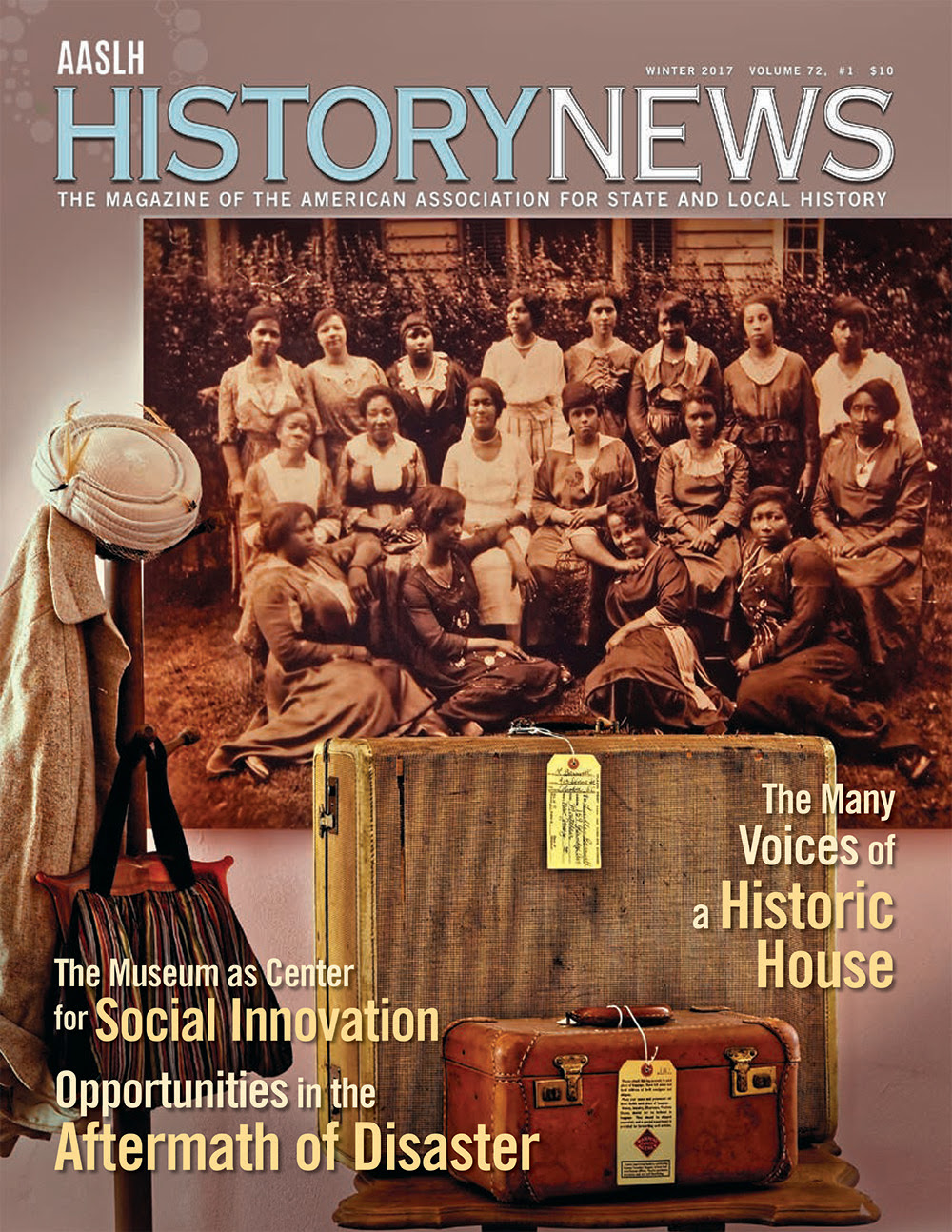
 Friday, July 21 is the deadline to catch the early registration price of $328 ($253 for members); it jumps to $393 the next day. AASLH offers the widest variety of sessions and workshops for house museums and historic sites at a national level and attracts some of the best minds in the field. This year, the annual meeting will be held in Austin, Texas from September 6-9 and include:
- Awaken the Historic House: A Fresh Look at the Traditional Model, an afternoon workshop led by Brett Lobello of Brucemore.
- Current Issues Forum: What Role Should Historic Sites Play in Teacher Professional Development? moderated by Sarah Jencks at the Ford’s Theatre Society.
- Engaging Programs = Engaging Communities?, a session I’ll be moderating on different ways to engage more effectively with your local community.
- Preserving and Interpreting Contested Histories of Missions and Missionaries moderated by Barbara Franco, an independent scholar.
- Historic Preservation Never Ends: Practical Maintenance for Your Historic Buildings moderated by Evelyn Montgomery of the Dallas Heritage Village.
- From Millstone to Crown Jewel: Revitalization and Transition of a “Tired” Site moderated by Mike Follin of Ohio History Connection.
- Parks and Prejudice: The Legacy of Segregation and State Parks moderated by Cynthia Brandimarte of Texas State Parks.
- The Great Debate: Engaging Audiences vs. Protecting Dollhouses moderated by Brandie Ragghianti of the Charlotte Hawkins Brown Museum.
- Lessons Learned: The Legal, Ethical, and Practical Issues Involved in Finding a New Steward for Upsala moderated by Carrie Villar of the National Trust for Historic Preservation.
- Open the Door! Approaches to Interpreting Historic Landscapes moderated by Sean Sawyer of the Olana Partnership.
- Historic House Museum Affinity Group Breakfast featuring Ken Turino of Historic New England.
- Bucking the Trend: Energizing Historic Homes in Central Texas moderated by Oliver Franklin at the Elisabet Ney Museum.
Of course, these are just a small part of the 85 sessions, keynote presentations, field trips, evening events, and an exhibit hall happening over a few days in Austin. There’s usually much much more available than you’ll ever have time to do and I’m often torn between 2-3 sessions at the same time.
To register or for more information, visit go.aaslh.org/AMreg. Although registration fees for this national conference are very reasonable, especially at the early registration rate, AASLH offers several scholarships to reduce expenses (although their application deadlines have already passed). If you can’t attend, there’s also an online version where you can hear six sessions that are especially presented as webinars, including my session on Engaging Programs = Engaging Communities? (they’re not simply a broadcast of the conference session). They’ll be available for six months and can be viewed as many times as you like at rates starting at $60.


 If you’re looking to sharpen your house museum or historic site, AASLH is offering two workshops in the next couple months that are just for you. I’m co-teaching in both of them, but discussing very different topics:
 Donald J. Trump’s election to the U. S. presidency is a shock to many pundits and career politicians because he never held elected office and didn’t seem to care about politics or government, except as it might benefit his businesses. His interest is business, following his father into real estate and receiving his bachelor’s degree in economics from the Wharton School, and then pursuing real estate development, professional sports, beauty pageants, for-profit education, branding and licensing, and entertainment. While the 2016 campaign will be heavily analyzed for years to understand its unfolding, my sense is that it’s not just about “change,” but a change in the skills and qualifications required for effective leadership. It’s no longer about mission, vision, or values, but the expertise and perspective of independent business entrepreneurs. And it’s a trend I’ve been witnessing in house museums and historic sites as well.

