Category Archives: Training

Report from the Field: AAM Annual Meeting 2016

This slideshow requires JavaScript.

The American Alliance of Museums held its 2016 meeting in Washington, DC last week, which was incredibly convenient for me because I could easily take Metro from my home in Maryland and incredibly inconvenient because it was far too easy for me to stay in my office and say, “I’ll go later” and skip sessions.  I managed to attend two days along with 6000 other people and came back with an assortment of observations:

  1.  AAM allowed a track of sessions that were focused on one museum or site, which can vary from an indepth examination of a single project to a general show-and-tell of everything they do.  Both have benefits and disadvantages (I tend to find the show-and-tells incredibly dull) but it also reminds me how difficult it is to learn what’s happening in the field, especially if you work at historic sites.  Subscriptions, conferences, and travel to other sites have all been victims to tightening budgets, hence my ongoing commitment to a blog that shares a variety of news and information.
  2. The exhibit hall was packed, primarily with exhibit designers and exhibit lenders, and a couple booths introduced virtual reality.  Lots to see from books to dinosaurs but most handy was the Museums Change Lives brochure from the Museums Association in Great Britain. It provides some useful language on the value of museums that can be easily adapted to public speeches, newsletters, fundraising, and membership renewal letters.
  3. Museums of all types are doing pretty cool programming using games or tranforming mundane topics like agriculture.  And yet, very few provided any evidence that their activities were making any impact on visitors.  Yes, attendance and revenue may have increased, but what did visitor learn? how did it change their attitudes? did they apply what they learned to their lives?
  4. Although there were sessions for historic sites and house museums, I regret to say that there aren’t enough to justify the expense. As a result, I only attend every 3-5 years to check up on things.  Next year, the AAM annual meeting will be in St. Louis, Missouri.

If you attended AAM last week and found some particularly useful information or a new resource, please share them in the comments below.

Interpreting Slavery at Historic Sites Workshop on May 25

George Mason's Gunston Hall, Virginia.

George Mason’s Gunston Hall, Virginia.

George Mason’s Gunston Hall in Virginia will become a hands-on laboratory to explore how to create a comprehensive and conscientious interpretation of slavery at an historic site at a one-day workshop on Wednesday, May 25, 2016 from 9:30 am to 6:30 pm (right before the AAM annual meeting).  You’ll learn how to better connect and extend your site’s interpretation of its history of slavery and help staff and volunteers achieve a greater understanding of difficult knowledge and complicated emotions.  Registration is $90 and includes morning refreshments, lunch, and a post-workshop reception.  For more details and to register, visit http://bit.ly/SlaveryWorkshop.

The workshop will be led by Kristin Gallas, co-editor of Interpreting Slavery at Museums and Historic Sites and includes presentations by Continue reading

Latest National Research on Technology in the K-12 Education (with Tips for Historic Sites)

"From Pixel to Print," the 2015 report on the use of technology in K-12 education.

“From Pixel to Print,” the 2015 report on the use of technology in K-12 education.

Project Tomorrow, a nonprofit organization focused on education, just released a national study on the use of technology by teachers and students called, “From Print to Pixel: The Role of Videos, Games, Animations, and Simulations within K-12 Education.”  For the past thirteen years, Project Tomorrow has provided these annual “Speak Up” research reports to help schools and elected officials (and I’m including museums and historic sites) better understand the trends in technology in the K-12 education field. This year’s report incorporates responses from 415,686 K-12 students, 38,613 teachers and librarians, 4,536 administrators, 40,218 parents and 6,623 community members representing over 7,600 schools and 2,600 districts in the United States and around the world.


From “Print to Pixel” highlighted these major findings: Continue reading

Challenges Facing Historic House Museums: A Report from the Field

AASLH Historic House Management Workshop at Brucemore in 2016.

AASLH Historic House Management Workshop at Brucemore in 2016.

At the annual AASLH workshop on historic house museum management, we always start by asking participants about the biggest or most important challenge they are facing at their historic site.  For the participants, the exercise allows them to get to know each other beyond a name by recognizing the issues they may have in common.  As the instructors, It’s an opportunity for George McDaniel and me to ensure we address their concerns.  For AASLH, it’s a way of keeping a finger on the pulse on what’s happening in the field.  At the end of the workshop, we review the list and provide some time for participants to develop a plan to address their issue.  As a reminder, they also fill out self-addressed postcards with a message to themselves, which I’ll mail to them in six months.

So that you can keep your finger on the pulse of the field, here’s the list of issues and challenges from the Cedar Rapids workshop at Brucemore, which included participants from Iowa, Minnesota, Nebraska, and Illinois: Continue reading

Tackling Challenges for Historic Sites in St. Louis

This slideshow requires JavaScript.

Last week, Ken Turino of Historic New England and I gave a one-day workshop on reinventing historic house museum in St. Louis, Missouri for the American Association for State and Local History.  It was a sold-out workshop with more than 50 people participating, mostly from the St. Louis region, so it was a great opportunity to meet so many of our colleagues, including a couple places who were starting new house museums (glad to have people learning about this specialized field before they open the doors!).  A big thanks to Andy Hahn at the Campbell House for hosting the workshop and to the St. Louis Public Library for allowing us to meet at the historic Central Library.

Ken and I continue to refine the workshop based on the evaluations we receive from the participants, and one of the elements we added to the beginning of the workshop is asking, “What is the biggest challenge facing your house museum?” and “What needs to be reinvented at your historic site?”  Here are some of the responses we received: Continue reading

Webinar: The Five Forces Affecting House Museums

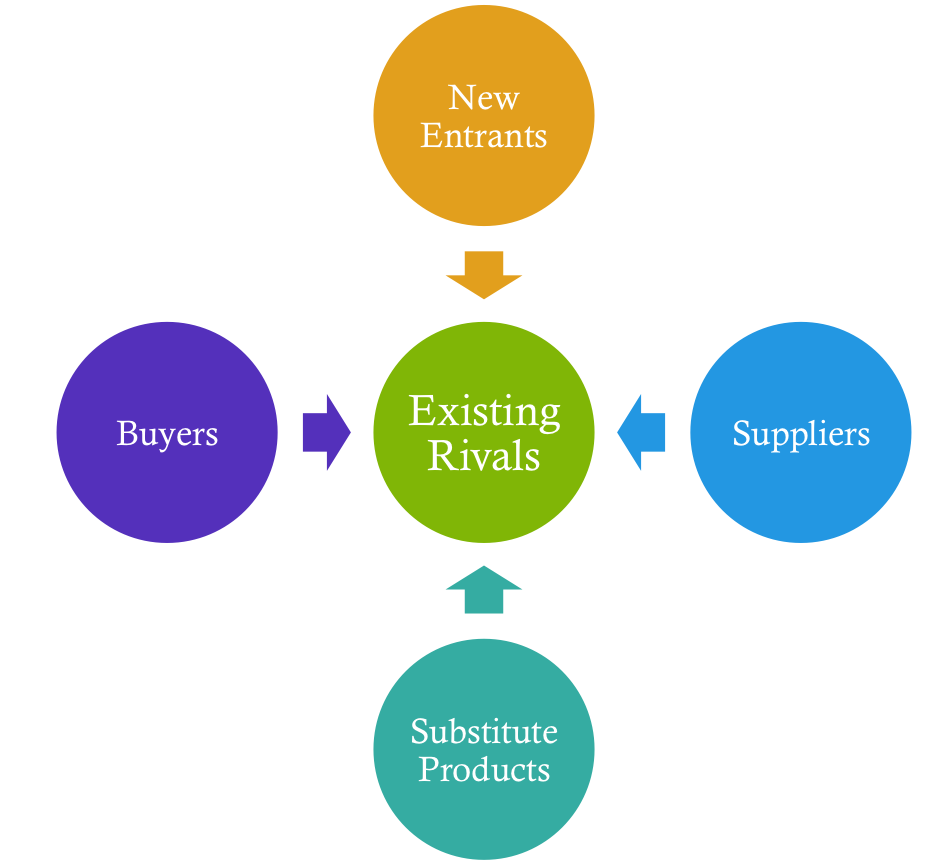
Five Forces 2015This Friday, April 8, I’ll be discussing the five forces facing historic house museums in a free webinar hosted by the Wisconsin Historical Society.  It’s based on simple and incredibly useful framework developed by Michael Porter at the Harvard Business School more than 30 years ago but little known outside the corporate business world. I’ll not only examine how the five forces are affecting history museums and historic sites on a national level, but how we can harness those five forces to improve and enhance tours, events, and other public programs.  The webinar starts at 10:30 am Central/11:30 am Eastern for about an hour with time for questions and discussion. Registration is free and available online but limited to 100 people (and you don’t have to be from Wisconsin!).

It’s part of series of local history webinars offered every spring for staff and volunteers at local historical societies, historic preservation organizations, and museums.  In April and May they are offering nine different webinars, including an introduction to PastPerfect 5 with Sarah Kapellusch, the basics of collections care with Craig Deller, and a fresh look at walking tours with Anthony Rubano.  Hats off to the Wisconsin Historical Society for providing this service to museums and historic sites not just in their state, but the rest of the country.

Researching the Interpretation of Slavery in Louisiana

Research Trip 2015 MapJames Madison’s Montpelier is in the midst of expanding its interpretation of slavery thanks to a generous gift from David Rubenstein.  To explore potential interpretive techniques and content that could be adopted, we conducted a three-day research trip to visit a wide range of sites in Louisiana. Staff had visited most of the sites in Virginia, and so we sought a location that most of us had not visited but had a large concentration of historic sites that interpreted African American history before emancipation. Because the experience helped us question assumptions, think more deeply about outcomes, and expand our catalog of ideas, I’m sharing our itinerary with you to encourage you to visit. Our research trip started with two days to make a big loop through Baton Rouge and New Iberia to visit several historic sites and finished with a day in New Orleans. In future blog posts, I hope to discuss some of the sites in more detail.

Day 1: Whitney Plantation, Laura Plantation, and Oak Alley.  Our initial plans also included Evergreen Plantation but the timing didn’t work out, even though these sites are within ten miles of each other.

Day 2: West Baton Rouge Museum in Port Allen (near Baton Rouge) and Continue reading

Video: Keep the Smartphone, Ditch Bad Management

In this 3:42 video, Jennifer Deal, a senior research scientist at the Center for Creative Leadership in San Diego, California, discusses recent studies that suggest that staying connected to work after hours isn’t the problem, but how organizations respect their people’s time. According to her research,

We found that although a majority of our participants were connected to work for 13.5 or more hours a day, five days a week, and for about five hours total on weekends, they didn’t resent their smartphones. Instead, 60 percent said they appreciated the increased flexibility: Many explained they didn’t mind the additional hours connected with work, if that meant their work time was flexible and they could better fulfill their personal obligations. What did they resent? Having to stay connected because of bad management practices that tied their hands, forcing them to spend business hours waiting instead of working.

She provides some suggestions for improving meetings and office practices, but you’ll find more in “Stop Wasting Your Employees’ Time” at Strategy + Business.

Historic House Workshops for the New Year

Historic House Museum Workshop, Charleston, South Carolina, 2015

Historic House Museum Workshop, Charleston, South Carolina, 2015

If want some time to plan and evaluate what’s happening at your historic site or house museum, one of the best ways is through a workshop. Of course, a long weekend of reflection in the Rockies or Virgin Islands might be more relaxing, but a workshop with colleagues discussing the potential solutions to the challenges facing historic sites will be more effective.

AASLH is offering two workshops this year just for house museums and historic sites, and I’ll be part of both of them:

April 4: Reinventing the Historic House Museum at the Campbell House in St. Louis, Missouri

This one-day symposium is designed to offer current thinking, practical information, and solutions to the challenges facing historic sites. The historic house museum in America is not dead nor are most of them dying. The field, however, needs to take time to reflect and renew as the world around our historic sites continues to change. The symposium will include presentations, discussion, a boxed lunch, historic site visit, and a brainstorming workshop at the historic house museum to try out the new ideas proposed during the symposium. Workshop led by Ken Turino (Historic New England) and Max van Balgooy (Engaging Places). (There may be a second Reinventing workshop offered this year.)

April 28: Historic House Museum Issues and Operations at Brucemore in Cedar Rapids, Iowa

Why are historic houses necessary to their communities? How are historic house museums unique? This workshop focuses on the special needs, management, and interpretation of historic houses. With a focus on historic house museums, topics covered include collections care, types of research appropriate for historic house museums, exhibition development, interpretive tours, volunteers, and building and landscape maintenance. Workshop led by George McDaniel (Drayton Hall) and Max van Balgooy (Engaging Places).

Can’t attend these workshops but are still looking for a shot in the arm? Join one of the quarterly Historic House Calls. Every call explores a different topic with an expert, and they’ve previously discussed deaccessioning, tours, interpreting race, and environmental sustainability.

AASLH has nearly two dozens way to sharpen your skills with some of your smartest colleagues in the history field and you’ll find a continually updated list on their calendar of events.

Reinventing Historic Houses in National Parks

This slideshow requires JavaScript.

Earlier this week I led a workshop on reinventing historic house museums at two great National Parks—Marsh-Billings-Rockefeller in Vermont and Saint-Gaudens in New Hampshire—with Ken Turino of Historic New England. The National Park Service and the American Association for State and Local History co-sponsored this workshop to help their staff rethink the tours of the historic houses at these two sites, especially for visitors under 35 years of age. Using such tools as the Five Forces and a Double-Bottom Line Matrix along with a smorgasbord of ideas from other sites, we explored possible processes and projects that could improve and enhance their tours.  Our goal wasn’t to provide solutions but to raise many useful questions, including: Continue reading