Category Archives: Exhibitions

Navigating New Federal Policies: What Executive Orders Mean for History Museums and Historic Sites

Museums are no strangers to navigating shifting policy landscapes, but recent executive orders issued by the White House signal significant changes that will affect funding, interpretation, and educational outreach. Whether you work in a history museum, a historic preservation organization, or a community-based historical society, understanding these policies is crucial for adapting to new challenges and opportunities.

Key Themes Across the Executive Orders

1. A Shift Toward Patriotic and Nationalist Narratives

Executive Orders 14190 (Ending Radical Indoctrination in K–12 Schooling) and 14189 (Celebrating America’s 250th Birthday) prioritize “patriotic education” and reinforce a government-endorsed interpretation of American history. This shift is exemplified by the reestablishment of the 1776 Commission and the creation of Task Force 250, which will oversee programming related to the 250th anniversary of American independence. “Patriotic education” is defined as “the history of America grounded in:

  • (i) an accurate, honest, unifying, inspiring, and ennobling characterization of America’s founding and foundational principles;
  • (ii) a clear examination of how the United States has admirably grown closer to its noble principles throughout its history;
  • (iii) the concept that commitment to America’s aspirations is beneficial and justified; and
  • (iv) the concept that celebration of America’s greatness and history is proper.”

2. The Elimination of Federal DEI and Environmental Justice Programs

Executive Order 14151 (Ending Radical and Wasteful DEI Programs and Preferencing) eliminates all federal support for diversity, equity, and inclusion (DEI) initiatives. This includes the termination of DEI-related grants, plans, contracts, programs, initiatives, training programs, offices, positions, and employment policies within federal agencies, “under whatever name they appear.” Museums that have benefited from federal DEI funding or programs may need to reassess their funding strategies and institutional policies.

3. Renaming and Monument Preservation

Executive Order 14172 (Restoring Names That Honor American Greatness) renames Denali back to Mount McKinley and designates the Gulf of Mexico as the Gulf of America. Additionally, the reinstatement of the National Garden of American Heroes and the protection of existing monuments signal a renewed emphasis on traditional historical figures. Museums may face increased scrutiny when interpreting contested histories, particularly around geographic names and public commemorations.

Continue reading

AI in Action: Enhancing Museum Programs with Audience-Driven Insights

In museums and historic sites, whether you’re designing school programs, workshops, docent training, or exhibitions, understanding the needs and interests of your audience is key to success. But how do you efficiently analyze diverse feedback and connect it to your goals? Recently, I experimented with a creative process that combined audience input and AI to revise the learning objectives for my graduate course, Creating Sustainable Museums. The results not only improved the course but also offered insights into how AI can be used to enhance museum work.  

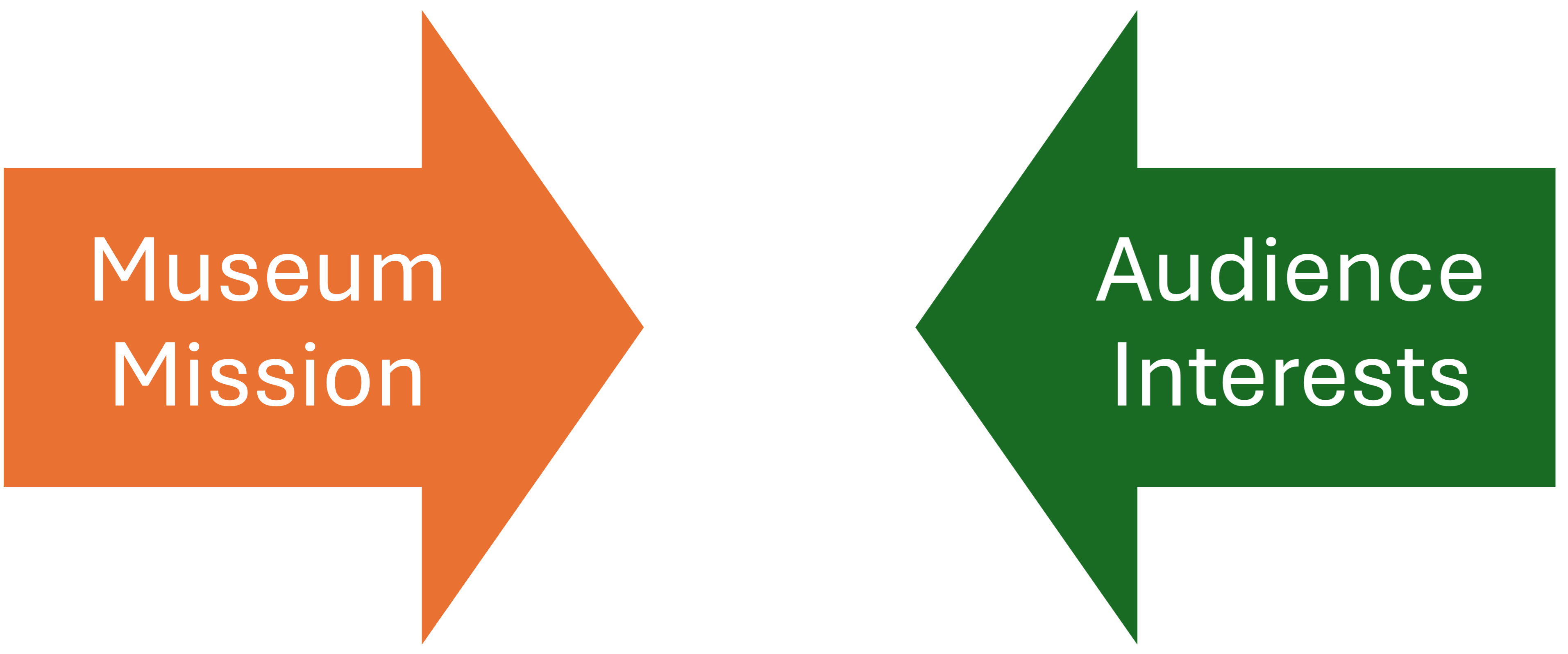
This approach was inspired by research conducted by Conny Graft at Colonial Williamsburg decades ago, which revealed that the goals of museum educators for school field trips often didn’t align with those of teachers. When those misalignments went unaddressed, they could lead to disappointment for both parties. Graft’s work emphasized the importance of finding common ground between institutional goals and participant expectations—a principle that remains essential in museum work today.

Start with Your Audience’s Goals

My course revision process began with a pre-course online survey, asking students to share what they hoped to know, feel, and do by the end of the semester. Using GPT, I quickly synthesized and categorized their responses to reveal predominant interests in financial, social, and environmental sustainability, as well as a strong desire to gain practical, job-ready skills. This step is akin to understanding your audience in a museum setting: what do your participants want to know, feel, or do? Are they looking for historical context, practical skills, or a new way to connect with the past?

Continue reading

Discovering Inspiration: Innovative Ideas from Texas Museums

Last week, Ken Turino and I conducted two “Reimagining House Museums” workshops in Mesquite (near Dallas) and Houston. These sessions sparked meaningful conversations about the future of house museums, but the inspiration didn’t stop there. We used our free time to visit several nearby museums, each offering unique approaches that left us thinking about how museums can better serve their audiences. Here are some standout ideas we discovered:

1. Personalizing Donor Recognition and Wayfinding at the Perot Museum of Science and Nature

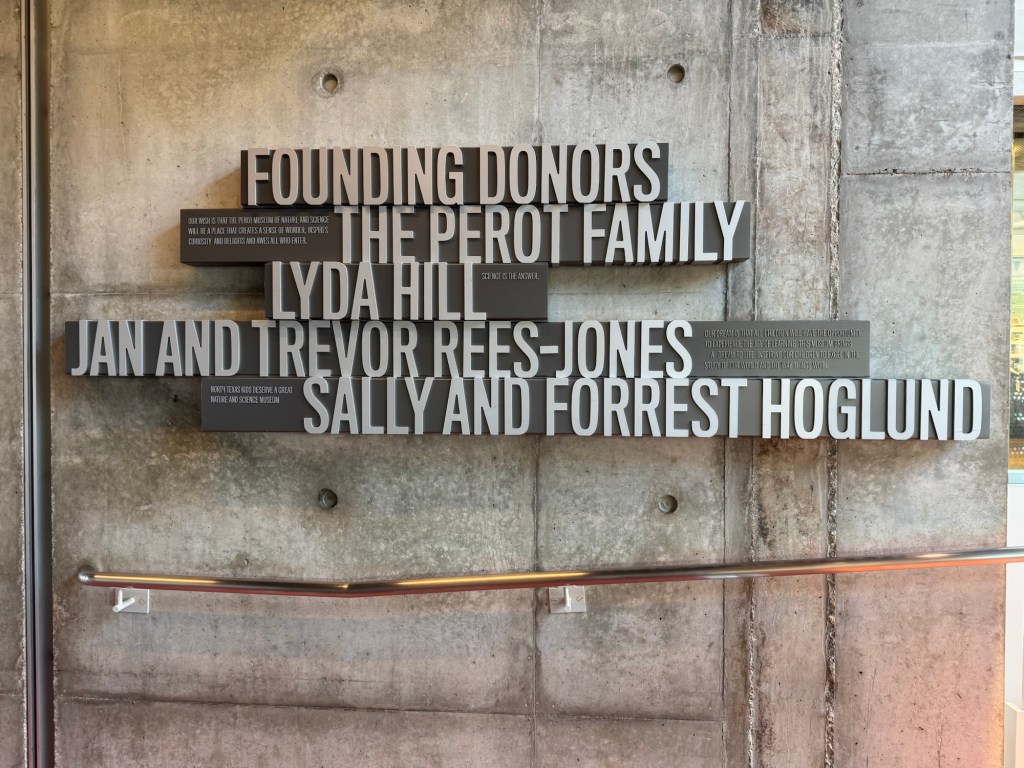
The Perot Museum caught our attention with its donor wall, which didn’t just list names but included statements of intent from the donors. This added a personal touch, connecting visitors with the motivations behind the support. Another smart detail: wayfinding signage that directed visitors to “more cool exhibits.” This casual yet engaging language was both clear and inviting, proving that small touches can make a big impact.

Donor wall with statements of intent at the Perot Museum in Dallas.
Continue reading